Introduction
Submitting a cope cage RFQ (Request for Quote) is the formal process of soliciting pricing and production proposals from armor fabrication companies. A well-prepared cope cage RFQ gets you accurate competitive bids and realistic delivery timelines. A poorly prepared one leads to vague estimates missed requirements and costly change orders later.
This guide covers everything you need to know about the cope cage RFQ process — what information to include who responds how to compare proposals and what costs to expect. Whether you are outfitting a single tank or equipping an entire armored fleet this RFQ guide will help you get the best results from armor fabricators.
How to Submit a Cope Cage RFQ
Submitting a cope cage RFQ involves several steps. Follow this process to ensure fabricators have everything they need to provide accurate pricing:
- Identify qualified fabricators: Research armor fabrication companies with experience in cope cage production. Look for certifications like ISO 3834 AWS D1.1 and MIL-STD compliance. Check their portfolio for similar vehicle platforms.
- Prepare your RFQ package: Compile all technical requirements vehicle specifications design references and commercial terms into a single RFQ document. The more complete your package the more accurate the responses will be.
- Send the RFQ: Submit your RFQ through the fabricator procurement portal or directly to their sales/engineering team. Most established armor fabricators have dedicated RFQ intake processes.
- Follow up and clarify: Expect the fabricator to ask clarifying questions. Respond promptly to keep the quoting process moving.
- Evaluate responses: Compare quotes based on price scope quality certifications delivery timeline and terms.
Many armor fabricators including Dengtai Industrial accept cope cage RFQ submissions via email with attachments. Use standard file formats (PDF for documents STEP/DXF for CAD) to ensure compatibility.
What Information Should Be Included in a Cope Cage RFQ
A complete cope cage RFQ package should include information in four key categories. Each category helps the fabricator understand different aspects of the project requirements.
Vehicle and Platform Specifications
Provide detailed information about the vehicle that will receive the cope cage:
- Vehicle make model and variant: e.g. M1A2 Abrams SEPv3 Leopard 2A7 T-72B3 BMP-2
- Vehicle dimensions: Length width height and turret configuration
- Existing mounting points: Photos and measurements of attachment locations on the hull and turret
- Access requirements: Hatches crew compartments engine deck vision blocks and weapon systems that must remain accessible
- Weight constraints: Maximum allowable additional weight before suspension or mobility is impacted
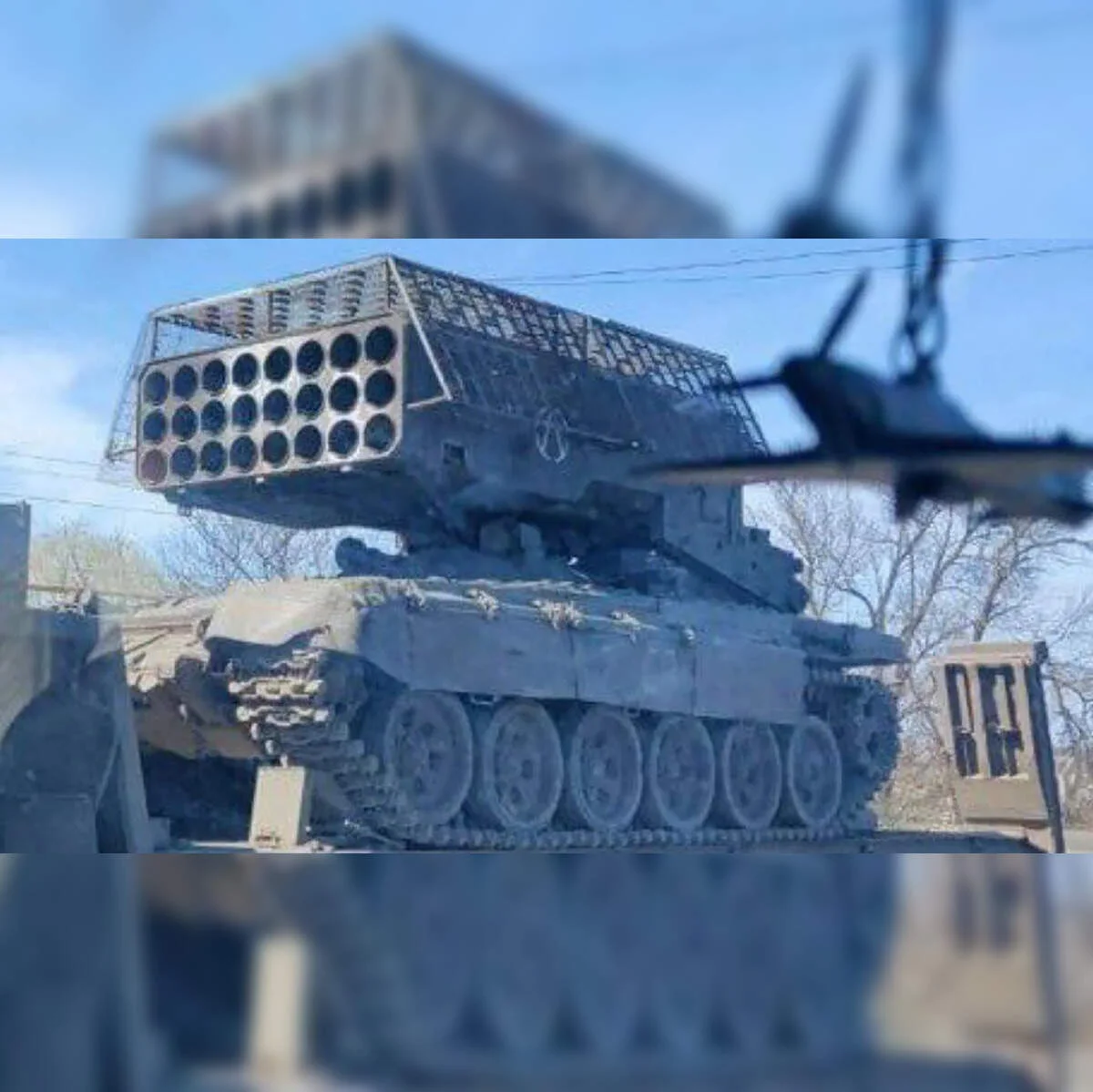
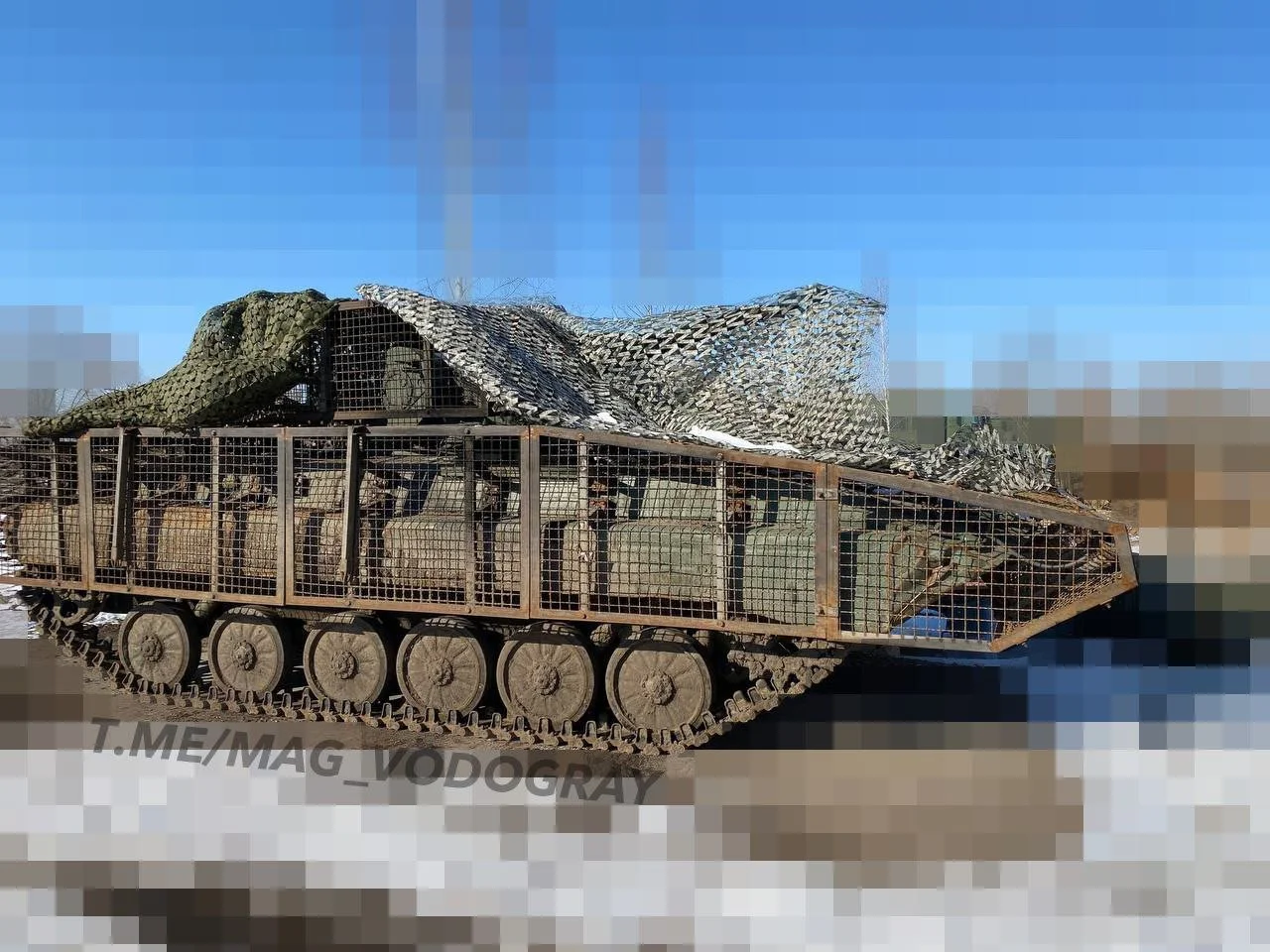
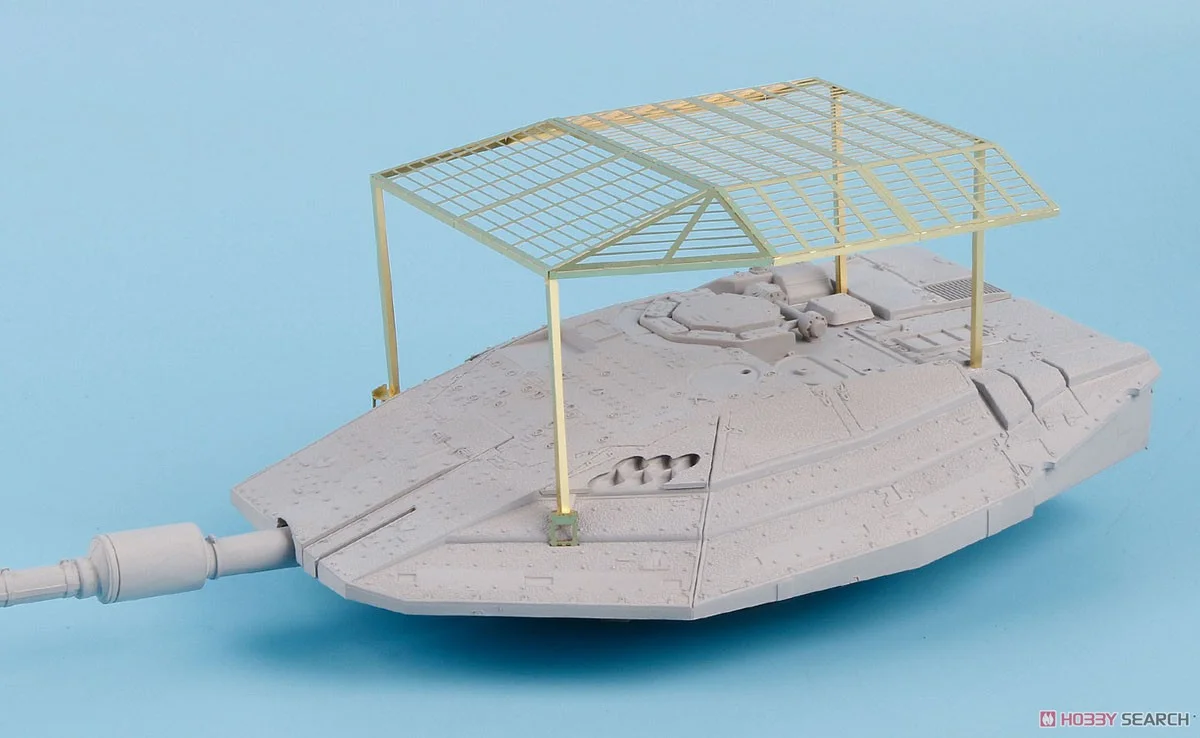
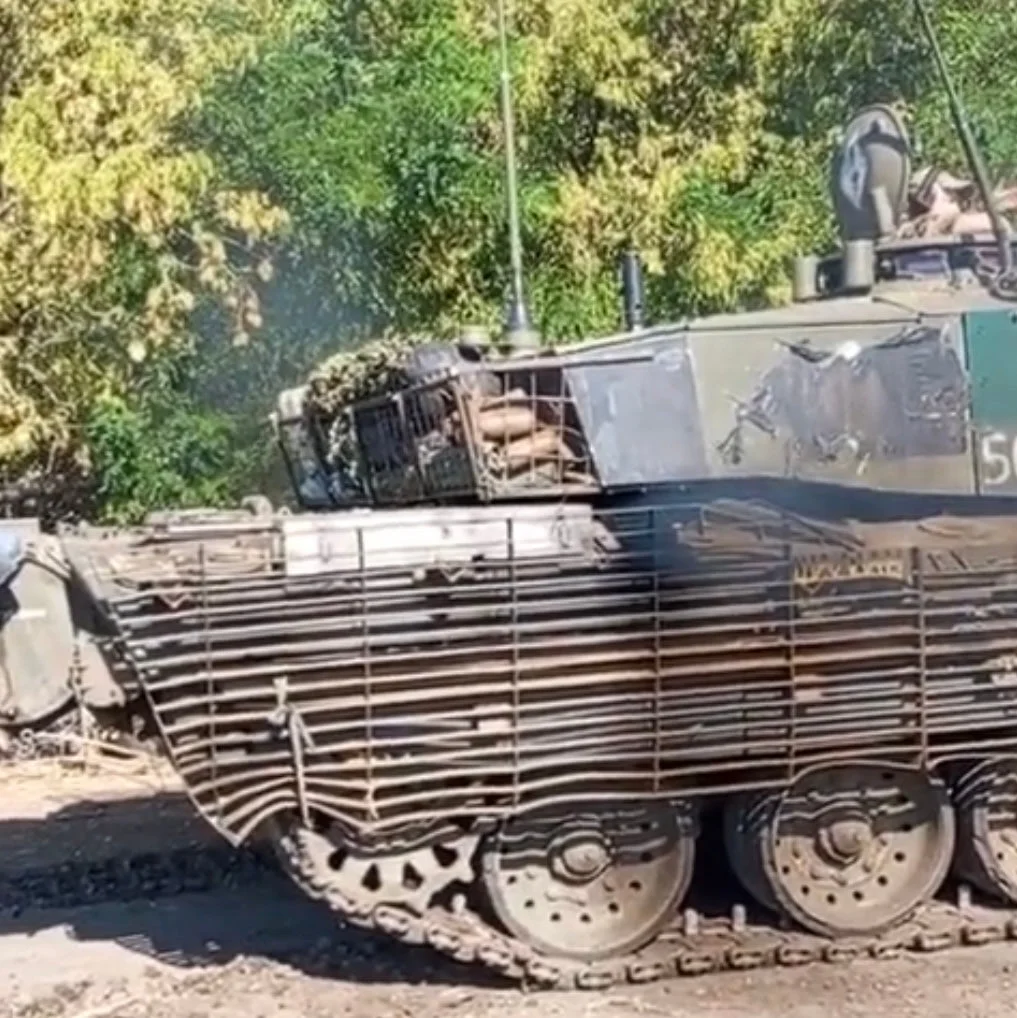
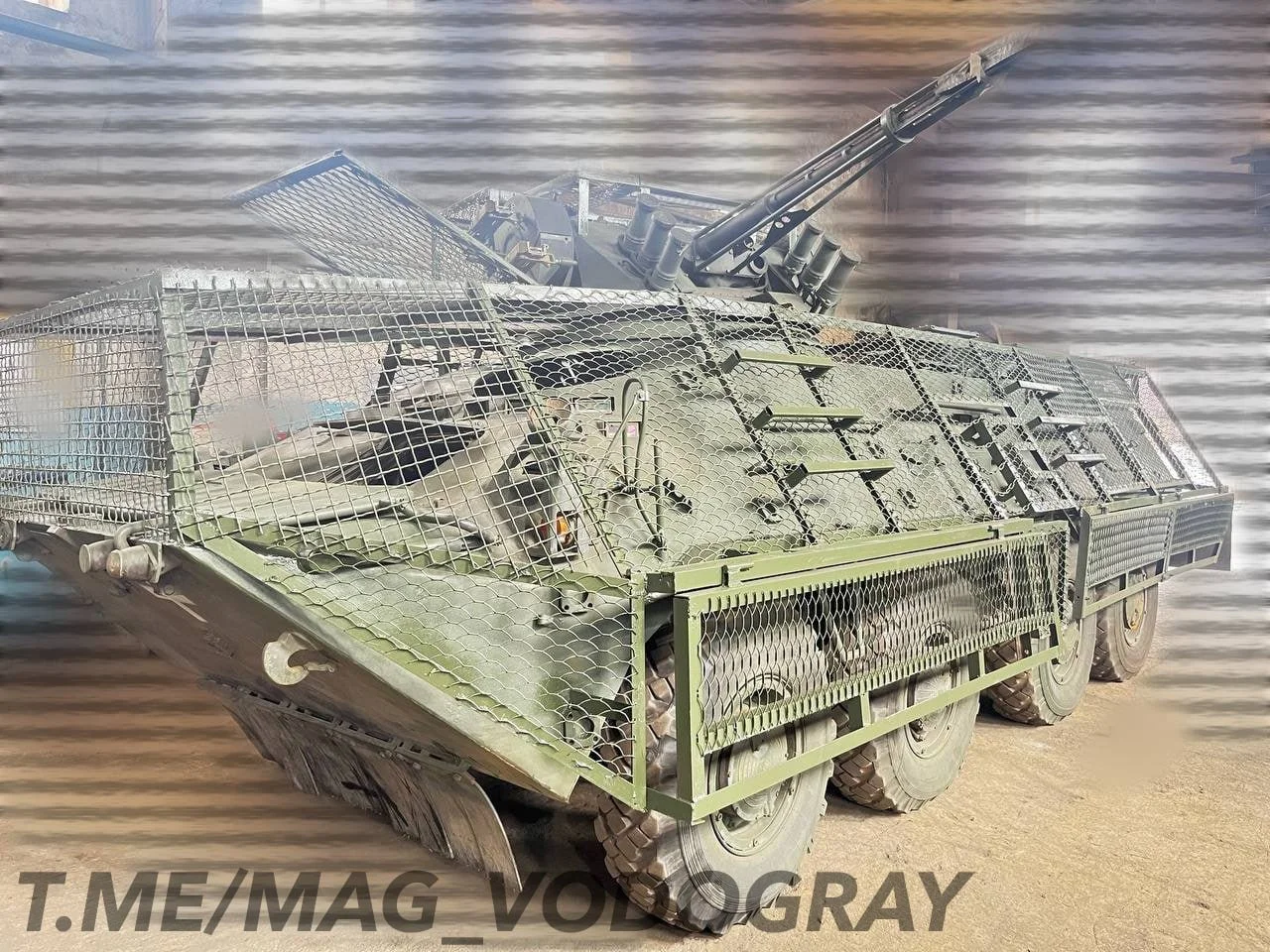
If possible include reference photos of similar cope cage installations on the same vehicle platform. This helps the fabricator understand the expected geometry and mounting approach.
Technical Drawings and Design Requirements
Engineering drawings are the most valuable part of any cope cage RFQ. If you have existing drawings include them. If not describe what design work is needed:
- Existing CAD files: STEP IGES DXF or DWG formats preferred
- PDF drawings: Dimensioned drawings with material and weld specifications
- Reference photos: Multiple angles of the vehicle with measurement references
- Design requirements: Standoff distance bar spacing if slat-style cage angle of bars and attachment method (bolt-on vs weld-on)
- Integration requirements: Clearances for existing equipment antenna mounts smoke grenade launchers and weapon systems
If your RFQ states that design is needed the fabricator will include engineering fees in the quote. Providing reference material reduces design time and cost.
Material and Steel Grade Preferences
Specify material preferences in your cope cage RFQ to ensure the quote reflects your requirements:
- Steel grade: AR400 AR500 Hardox 450 or Armox 500T are common choices
- Material thickness: Typical cope cage bars use 10-20mm round or square stock; mounting brackets may use 6-12mm plate
- Surface treatment: Painted galvanized or powder-coated finish
- Certification requirements: Mill test certificates for each heat of steel
If you are unsure what material to specify a good fabricator will recommend the optimal grade and thickness based on your threat requirements and budget.
Quantity Delivery and Export Requirements
Commercial terms are essential for complete RFQ responses:
- Quantity: Number of cope cage units needed (single prototype vs fleet production)
- Delivery timeline: Required delivery date and any milestone deadlines
- Incoterms: EXW FOB CIF or DAP depending on your logistics capability
- Shipping destination: Domestic or international (impacts export requirements)
- Export compliance: End-user certificate ITAR/EAR requirements or other documentation needed
- Payment terms: Typical terms are 30-50% deposit with balance upon completion
Including these commercial terms in your RFQ prevents surprises later and allows fabricators to include shipping and documentation costs in their quote.
How Much Does a Custom Cope Cage Cost?
The cost of a custom cope cage depends on vehicle size design complexity materials and quality requirements. Typical price ranges:
| Cope Cage Type | Estimated Cost | Typical Vehicles |
|---|---|---|
| Light cage (APC / IFV) | $6,000 - $12,000 | BMP BTR Stryker |
| Medium cage (MBT basic) | $8,000 - $15,000 | T-72 T-90 Leopard 2 |
| Heavy cage (MBT full coverage) | $15,000 - $30,000 | M1 Abrams Challenger 2 |
| Custom engineered cage (complex) | $20,000 - $45,000 | Any platform full engineering required |
| Fleet package (10+ units) | $50,000 - $200,000 | Per-unit pricing with volume discounts |
These estimates include materials fabrication standard surface treatment and basic documentation. Design engineering NDT special coatings and shipping are typically quoted separately.
Who Responds to Cope Cage RFQs?
Several types of companies respond to cope cage RFQs depending on the project scope and requirements:
- Specialized armor fabrication companies: These are the primary responders for cope cage projects. Companies like Dengtai Industrial focus exclusively on military armor fabrication and have dedicated cope cage production lines. They offer the most competitive pricing and shortest lead times for standard designs.
- General heavy steel fabricators: Some large steel fabrication shops with military welding certifications may bid on cope cage projects. Their quotes may be higher due to less specialized armor experience.
- Defense contractors: Large prime defense contractors occasionally respond to cope cage RFQs but typically only for large fleet orders (50+ units). Their quotes include significant overhead and compliance costs.
- Chinese armor manufacturers: China-based armor specialists like Dengtai frequently respond to cope cage RFQs from international buyers. They offer competitive pricing due to lower labor costs and efficient supply chains while maintaining ISO 3834 and AWS D1.1 quality standards.
When sending your cope cage RFQ include at least 3-5 qualified fabricators to ensure competitive pricing. Verify each fabricator capabilities by reviewing their previous cope cage projects and customer references.
What Is the Typical Lead Time for Cope Cage Fabrication?
Lead time for cope cage fabrication depends on design complexity material availability and current shop workload:
| Project Scenario | Typical Lead Time | Key Factors |
|---|---|---|
| Standard cope cage existing design | 4-6 weeks | No engineering needed materials in stock |
| Custom cope cage with design work | 8-12 weeks | Engineering material procurement fabrication QC |
| Fleet order (10+ units) | 10-16 weeks | Batch production scheduling volume QC |
| Rush order (expedited) | 3-4 weeks | Priority production slot additional charges apply |
Plan your procurement timeline accordingly. Add 2-4 weeks for international shipping customs clearance and potential delays. Most fabricators provide milestone schedules with their quote showing design approval material procurement fabrication and shipping dates.
How to Compare Cope Cage RFQ Responses
When comparing cope cage RFQ responses use a structured evaluation framework. Do not select based on price alone. Key comparison criteria:
- Total price vs. scope: Compare line items not just the bottom line. Does one quote include engineering and NDT while another lists them as extras?
- Material quality: Are the specified steel grades equivalent? Is the fabricator using certified mill-tested steel?
- Quality certifications: Does the fabricator hold ISO 3834 AWS D1.1 or equivalent military welding certifications?
- Delivery schedule: Is the proposed timeline realistic? Does it include all milestones?
- Experience with your platform: Has the fabricator built cope cages for your specific vehicle before?
- Warranty and support: What post-delivery support is offered? Is installation support available?
- References: Can the fabricator provide references from previous cope cage customers?
Create a weighted scorecard assigning importance to each criterion based on your priorities. This objective approach helps avoid selection bias and ensures you choose the best overall value.
RFQ Checklist and Best Practices
Use this checklist to ensure your cope cage RFQ package is complete before sending:
| Item | Details | Status |
|---|---|---|
| Vehicle specs | Make model year variant dimensions | Required |
| Threat requirements | FPV drone RPG small arms fragmentation | Required |
| Design references | CAD files drawings photos measurements | Recommended |
| Material specs | Steel grade thickness finish preference | Recommended |
| Quantity | Number of units prototype or production | Required |
| Delivery date | Required delivery deadline | Required |
| Incoterms | EXW FOB CIF DAP | Required |
| Export docs | End-user cert ITAR/EAR requirements | If applicable |
| Budget range | Indicative budget (helps fabricators scope accordingly) | Optional |
| Questions | Specific questions about capabilities or process | Optional |
Sending a complete RFQ package on the first attempt signals professionalism and typically results in faster more accurate responses. Fabricators prioritize well-prepared RFQs from serious buyers.
Conclusion
A well-prepared cope cage RFQ is the foundation of a successful armor procurement project. By including complete vehicle specifications design requirements material preferences and commercial terms you enable fabricators to provide accurate competitive quotes.
Remember to send your RFQ to multiple qualified fabricators evaluate responses systematically and choose based on overall value not just price. The right fabrication partner will deliver a cope cage that meets your protection requirements on time and within budget.
Ready to start your cope cage project? Send your RFQ to Dengtai Industrial with your vehicle specifications and requirements. Our engineering team will review your request and provide a detailed quote with pricing delivery timeline and quality plan within 5-7 business days.