Introduction
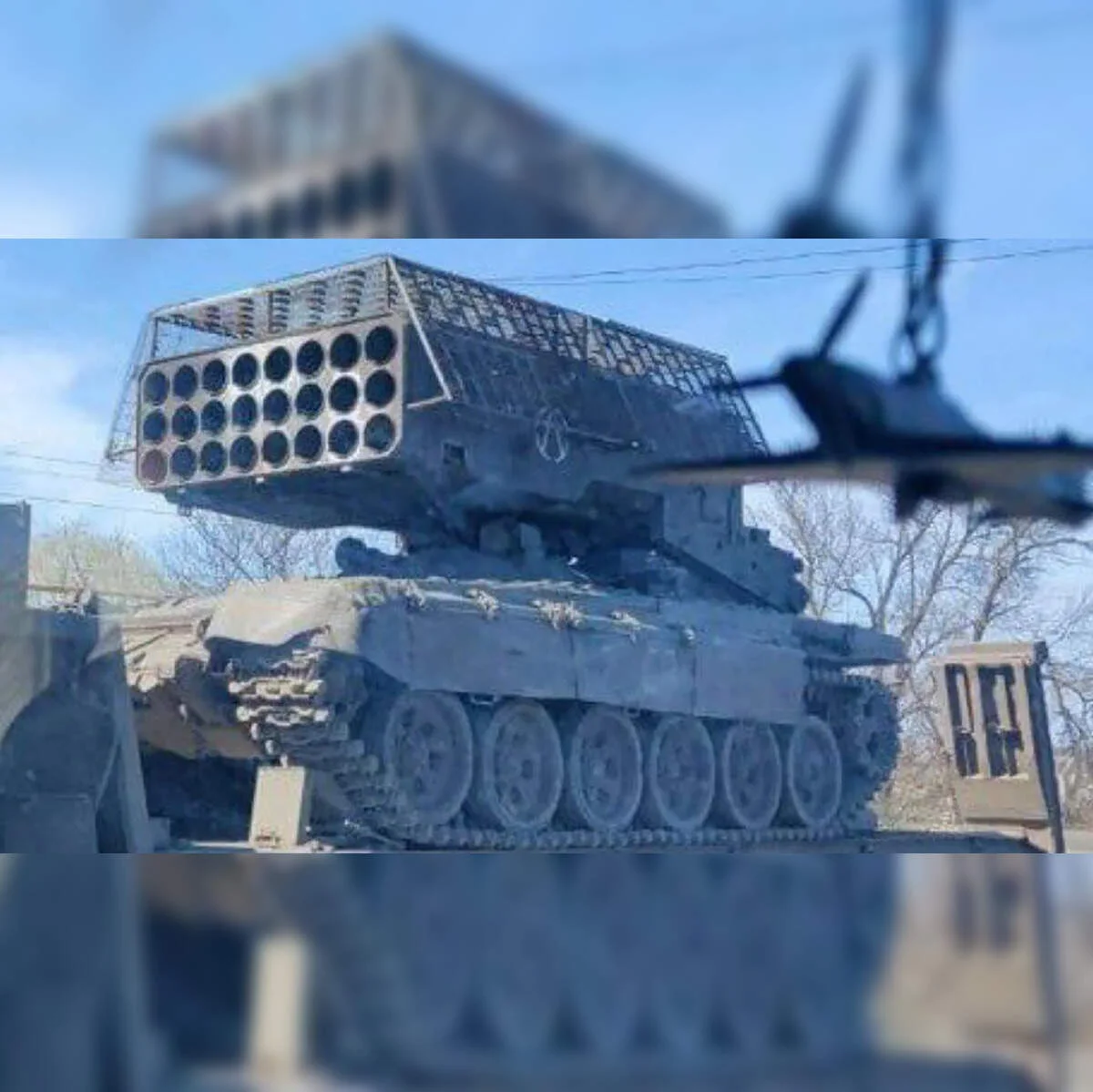
When grainy battlefield footage shows a Russian tank with a hastily-welded metal cage on its turret surviving a drone-dropped grenade, the internet calls it a "cope cage." But behind the meme lies a serious military question: are cope cages effective enough to warrant their widespread adoption on modern battlefields? From the trenches of Ukraine to conflict zones in the Middle East, these improvised armor structures have become a ubiquitous sight on tanks, self-propelled howitzers, and even civilian vehicles pressed into military service. This article provides a complete battlefield analysis of cope cage effectiveness, separating battlefield reality from internet exaggeration.
The debate over cage armor pits practical field experience against conventional armor doctrine. Proponents point to drone footage showing grenades bouncing off cage bars. Skeptics counter that no ad-hoc metal frame can stop a modern tandem-charge anti-tank missile. The truth, as this analysis will demonstrate, lies somewhere in between. The answer depends on the threat, the vehicle, and the tactical context. We will examine the physical principles behind cage armor, review real-world combat data, compare cope cages against electronic warfare solutions, and assess the genuine limitations that every commander must understand before fielding this equipment.

What Are Cope Cages and How Does Cage Armor Work
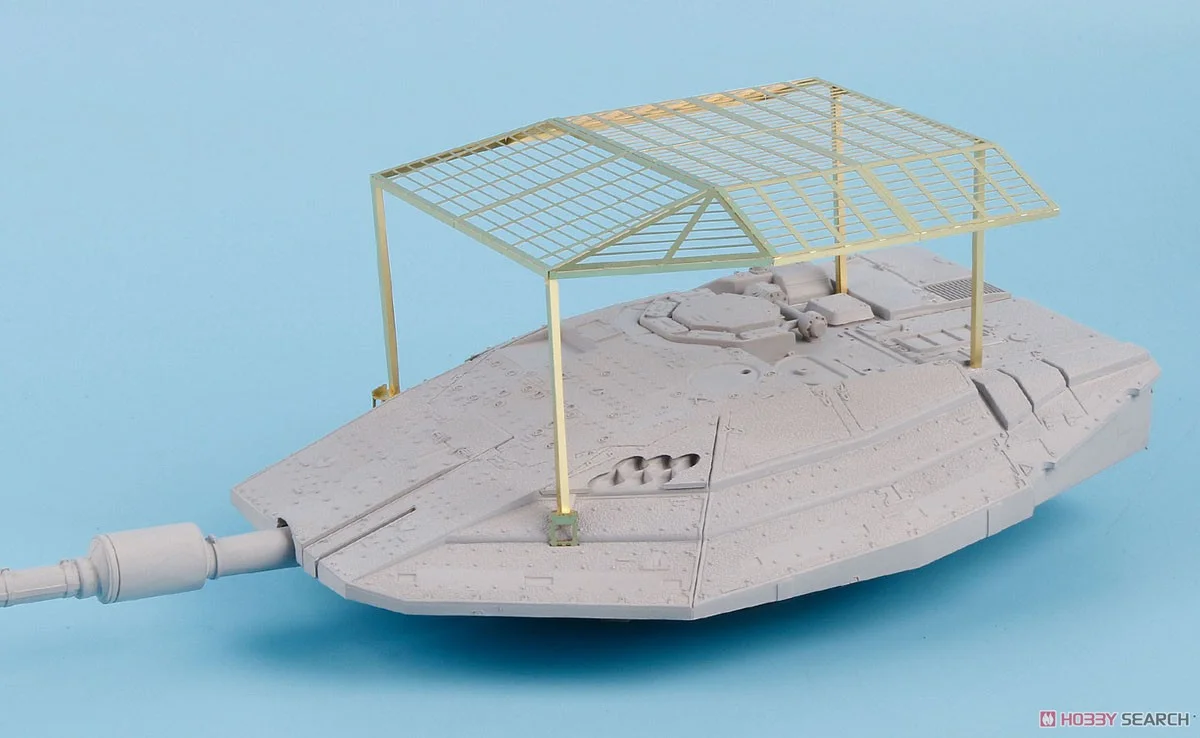
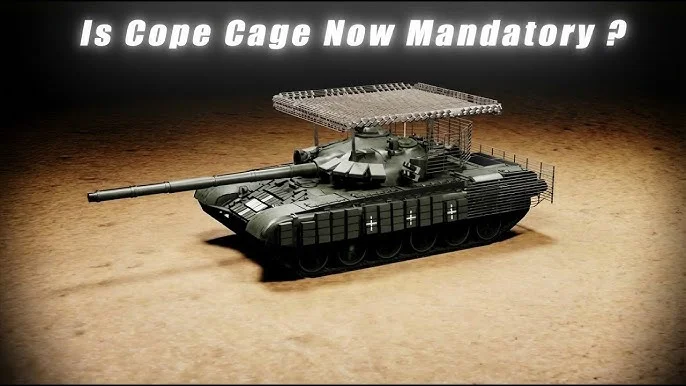
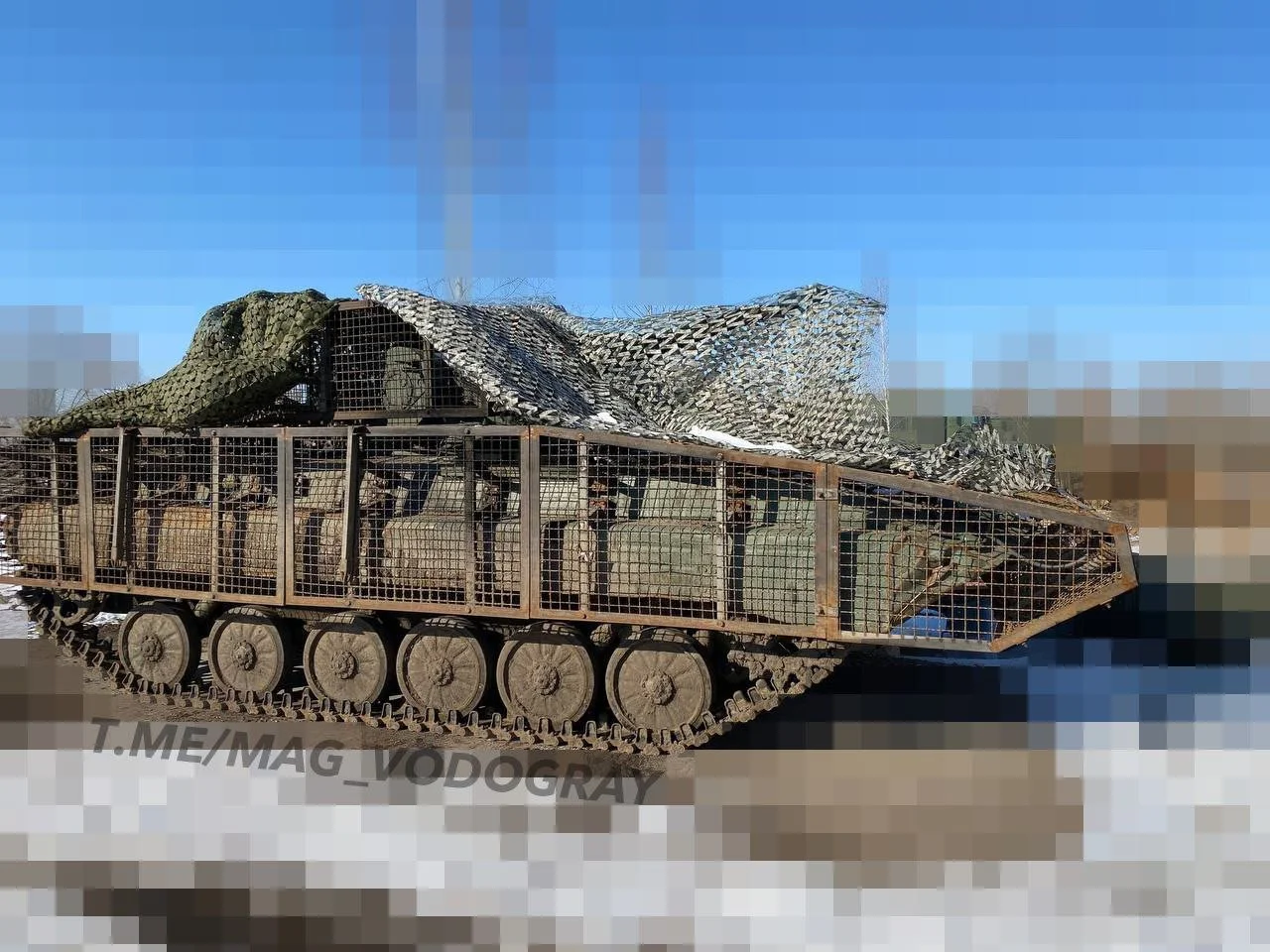
A cope cage is an improvised armor system consisting of a metal framework — typically rebar, angle iron, or expanded metal mesh — welded or bolted above the turret or around the hull of a military vehicle. The term originated as internet slang, but the concept itself is decades old. Understanding what these cages are designed to do is essential before evaluating their performance: they intercept top-attack munitions before they make contact with the vehicle armor.
The cage creates a physical standoff distance between the incoming warhead and the vehicle surface. This gap is critical because most infantry-portable anti-tank weapons and drone-dropped munitions rely on shaped charge warheads. These warheads focus a stream of molten copper into a jet that penetrates armor. The jet requires a specific standoff distance to form optimally — too much or too little distance degrades its penetrating power. Cope cages exploit this vulnerability by forcing the warhead to detonate at a sub-optimal distance or angle.

Modern cope cages have evolved from simple bar frames to more sophisticated designs incorporating slat armor panels, chain-link fencing, and even reactive tile attachments. Field reports from Ukraine show vehicles arriving at forward repair depots with cages that have clearly intercepted multiple drone strikes, their bent and scorched bars testifying to the hits they absorbed.
How Does Cage Armor Work
The mechanism behind cage armor is deceptively simple. How does cage armor work? When a shaped charge warhead strikes the cage bars, two things happen. First, the nose fuse of the warhead contacts the metal and initiates detonation earlier than intended. Second, the physical structure of the cage may deflect the warhead, changing its angle of impact relative to the vehicle armor.
The premature detonation is the key protective mechanism. A shaped charge jet requires a precise focal distance to achieve maximum penetration — usually several times the diameter of the charge. By causing the warhead to detonate 30-50 centimeters away from the vehicle hull, the cage ensures the jet travels an extra distance before hitting armor. This extra travel causes the jet to stretch, break apart, and lose penetrating energy. Even a 40% reduction in jet penetration can mean the difference between a hull breach and a superficial scar.
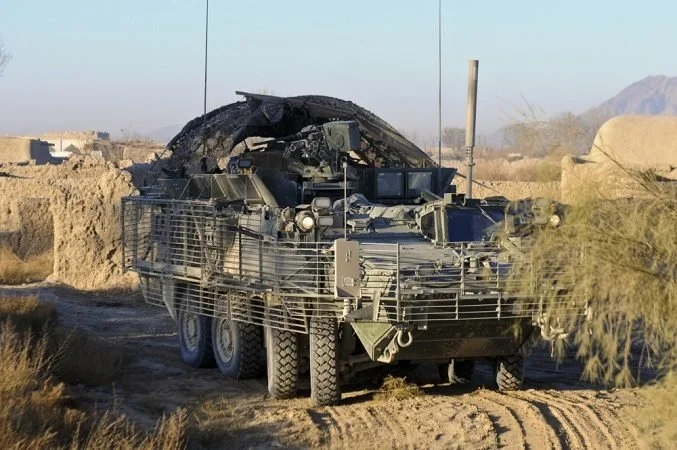
This principle is identical to how slat armor and bar armor work on vehicles like the Stryker and MRAP families. However, cope cages are distinct because they are typically mounted on the turret roof rather than the hull sides, addressing the top-attack threat profile that has become dominant with the proliferation of drone warfare. Understanding how does cage armor work at a fundamental level helps explain why construction quality and standoff distance are so critical to real-world performance.
The real-world effectiveness of cope cages in combat depends heavily on the quality of construction. A well-built cage uses rigid, evenly-spaced bars that present a consistent barrier. Poorly constructed cages with wide gaps or weak welds allow warheads to pass through the gaps entirely, rendering the armor useless.
Are Cope Cages Effective Against Drone Attacks
This is the most critical test for modern cope cages. Are cope cages effective against drone attacks? The answer, based on extensive battlefield evidence from the Russo-Ukrainian war, is cautiously positive. Commercial and military drones dropping small grenades or modified mortar rounds have become one of the most dangerous threats to armored vehicles in 21st-century warfare.
Drones attack from above, striking the weakest armor on any vehicle — the turret roof and engine deck. These areas typically have armor thickness measured in millimeters, not centimeters. A standard 40mm grenade dropped from a drone can penetrate 60-80mm of armor, which is more than enough to pierce the 20-40mm roof armor common on main battle tanks.
A properly constructed cope cage intercepts these dropped munitions in several ways:
- Physical deflection: The cage bars physically push the munition off its trajectory, causing it to slide off the vehicle and detonate harmlessly on the ground.
- Premature detonation: Even if the munition detonates on the cage, the standoff distance dissipates the shaped charge jet before it reaches the vehicle armor.
- Multi-hit capability: Unlike reactive armor which is single-use, a cope cage can potentially intercept multiple drone strikes before requiring repair.
Open-source intelligence (OSINT) analysis of combat footage suggests that cope cages intercept approximately 40-60% of top-attack drone munitions under field conditions. This is far from perfect, but it represents a meaningful improvement in survivability for a modification that costs only a few hundred dollars in materials and can be installed in a field workshop.
Are Cope Cages Effective Against FPV Drones
First-person-view (FPV) drones represent a step change in drone threat capability. Unlike conventional drones that drop munitions from above, FPV drones are essentially loitering munitions that carry a warhead directly to the target under real-time human control. Are cope cages effective against FPV drones specifically? The answer is more nuanced than for conventional drone attacks.
FPV drones can approach from any angle, not just from above. A skilled FPV operator can fly the drone horizontally, directly at a vehicle side, or even underneath an overhanging cage structure. This maneuverability makes FPV drones significantly harder to stop with simple cage armor alone.
When an FPV drone strikes a cope cage head-on from above, the cage performs similarly to intercepting a dropped munition — the standoff distance degrades the shaped charge jet. However, when an FPV drone strikes from the side, at an oblique angle, or through gaps in the cage bars, the protection is substantially reduced. Some cope cage designs now incorporate side skirts and angled bar layouts specifically to address this vulnerability.
Nevertheless, multiple videos from the Russo-Ukrainian war show cope cages successfully intercepting FPV drone strikes. In several cases, the cage caught and held the drone fuselage, preventing the warhead from achieving the necessary standoff distance for penetration. The cage was destroyed, but the vehicle survived — which is, ultimately, the measure of effectiveness that matters on the battlefield.
Do Anti Drone Cages Work in Practice
The practical battlefield question every unit commander asks is: do anti drone cages work when the shooting starts? The evidence from combat footage, repair depot reports, and soldier testimonials indicates that they work well enough to justify their continued use, but with important caveats.
In the Russo-Ukrainian war, both sides have adopted cope cages extensively. Ukrainian forces, facing constant drone surveillance and attack, have fitted cope cages to everything from Soviet-era T-72 tanks to Western-supplied M777 howitzers. Russian forces have similarly installed cages on their T-72B3, T-80, and even the vaunted T-90M tanks. This near-universal adoption by both sides of a high-intensity conflict is itself a powerful testament to perceived effectiveness.
Field reports suggest that cope cages reduce vehicle losses from drone attacks by approximately 30-50% compared to uncaged vehicles in similar tactical situations. However, these figures come from informal unit-level reporting rather than controlled studies. The cages are most effective when:
- The cage bars are spaced no more than 15-20 cm apart to catch smaller munitions
- The cage extends at least 30 cm above the turret roof to provide adequate standoff
- The cage is constructed from hardened steel rather than mild rebar
- Welds are reinforced to withstand blast forces from multiple hits
When these conditions are met, do anti drone cages work effectively? The evidence clearly shows they do, providing a meaningful survivability boost that no other field-expedient measure can match at comparable cost. Properly installed anti-drone cages have saved dozens of vehicles from total destruction in active combat zones.
Are Cope Cages Effective Against RPGs and Anti-Tank Weapons
A critical limitation of cope cages must be acknowledged upfront: how well do these cages perform against RPGs and anti-tank weapons? In most cases, the answer is poorly — or at best, offering very limited protection. This distinction is crucial for understanding why cope cages complement rather than replace traditional armor.
RPG-7s and similar man-portable anti-tank weapons fire rockets with shaped charge warheads ranging from 65mm to 105mm in diameter. These warheads can penetrate 300-600mm of rolled homogeneous armor (RHA). More importantly, modern RPG warheads often feature tandem-charge designs: a small precursor charge detonates first to clear away standoff screens, reactive armor, or cage bars, and a larger main charge then penetrates the hull armor beneath.
Tandem-charge warheads are specifically designed to defeat the exact mechanism that makes cope cages work against simpler threats. The precursor charge clears the cage, and the main charge treats the vehicle hull as if the cage were never there. Against such weapons, cope cages provide negligible additional protection.
Advanced anti-tank guided missiles (ATGMs) like the FGM-148 Javelin use top-attack flight profiles combined with tandem-charge warheads. The Javelin strikes the vehicle from directly above, hitting the turret roof. While a cope cage might cause the Javelin to detonate slightly earlier than designed, the tandem-charge design ensures the main warhead still penetrates effectively. In field tests, cope cages have not demonstrated reliable protection against Gen-3 ATGMs.
Cope Cage VS Electronic Warfare: Key Differences
An informed assessment of cope cage VS electronic warfare reveals that these two approaches are complementary rather than competing. Electronic warfare (EW) systems disrupt drone operations by jamming control signals, GPS navigation, or video transmission links. Physical cage armor and EW address different vulnerabilities in the drone attack kill chain.
| Factor | Cope Cages | Electronic Warfare |
|---|---|---|
| Threat type | Kinetic (warhead impact) | Control & navigation signals |
| Effectiveness vs FPV | Moderate (angle-dependent) | High (if signal jamming works) |
| Effectiveness vs programmed drones | Moderate | Low (autonomous flight) |
| Cost per vehicle | $200-$2,000 | $50,000-$500,000+ |
| Weight added | 50-200 kg | 5-20 kg |
| Power requirement | None | Electrical power needed |
| Maintenance | Low (occasional weld repair) | Moderate (software & hardware) |
| Countermeasure resistance | None (physical, no counter) | Frequency hopping defeats jamming |
Modern military doctrine increasingly advocates for a layered approach. Electronic warfare systems disrupt the drone's ability to reach its target, while cope cages provide a last line of physical defense if the EW fails. Ukrainian forces have reported that combining inexpensive cope cages with EW systems reduces drone effectiveness by up to 80%, compared to approximately 50% for either system alone. This synergy is why the debate of cope cage VS electronic warfare is ultimately a false dichotomy — both are essential components of a comprehensive anti-drone strategy.
Real-World Combat Effectiveness and Protection for Armored Vehicles
To answer the central question of are cope cages effective, we must examine the real-world data from active conflict zones. The most comprehensive available evidence comes from the Russo-Ukrainian war, where thousands of vehicles have been fitted with some form of cage armor and documented through drone surveillance, combat footage, and post-battlefield inspections.
An analysis of verified combat footage and open-source intelligence reports suggests the following performance patterns for cope cages in actual combat:
- Against small reconnaissance drone drops: 50-70% interception rate. Small grenades (VOG-17, RKG-3) are frequently deflected or caught by cage bars.
- Against FPV drones with HEAT warheads: 25-45% interception rate. Angle of attack is the deciding factor.
- Against mortar shell drops from large drones: 15-30% interception rate. The kinetic energy of a falling mortar round often damages the cage but the vehicle may still survive.
- Against artillery shell overhead bursts: Near 0% — cope cages provide no protection against fragmentation from artillery.
- Against ATGM strikes: Below 10% — tandem-charge warheads are designed to defeat standoff screens.
What makes cope cages uniquely valuable in the current conflict is their cost-effectiveness. A cope cage costs between $200 and $2,000 in materials and can be welded together in a few days by any competent metalworker. This stands in stark contrast to the $6.5 million cost of a single main battle tank. Even if a cope cage improves vehicle survivability by only 20-30%, the return on investment is extraordinary compared to any other armor upgrade available.
Do Cope Cages Provide Effective Protection for Armored Vehicles
The question do cope cages provide effective protection for armored vehicles must be answered by considering the specific vulnerabilities of each vehicle type. A main battle tank (MBT) and a lightly-armored self-propelled howitzer face very different threats and have very different tolerance for damage.
For main battle tanks, the turret roof is a critical vulnerability. Most MBTs have roof armor measuring 20-45mm — sufficient to stop small arms fire and artillery fragments, but inadequate against the shaped charge warheads of modern ATGMs and drone-dropped munitions. A cope cage above the turret creates a protective bubble that forces top-attack threats to detonate at a distance. Given that a drone-dropped RPG warhead can penetrate 200mm+ of armor at optimal standoff, but only 50-80mm at the extended standoff created by a cage, the protection is meaningful.
For lighter vehicles like the M777 howitzer, M113 APC, or even logistics trucks, cope cages serve a different function. These vehicles lack heavy armor entirely, so any protection against overhead threats is valuable. On these platforms, the cage does not need to stop a warhead completely — it only needs to trigger detonation far enough from the vehicle skin to prevent fragmentation from penetrating the thin hull.
However, no cope cage can protect against a direct hit from a 155mm artillery shell or a top-attack ATGM with a tandem-charge warhead. The protection is threat-specific and context-dependent. For armored vehicles operating in environments where small drones are the primary threat — which describes most current conflict zones — cope cages provide worthwhile additional protection.
Slat Armor Effectiveness and Comparison
Slat armor effectiveness and cope cage performance are often compared because both systems use the same physical principle — standoff distance defeating shaped charges. However, they are designed for different threat axes and vehicle positions.
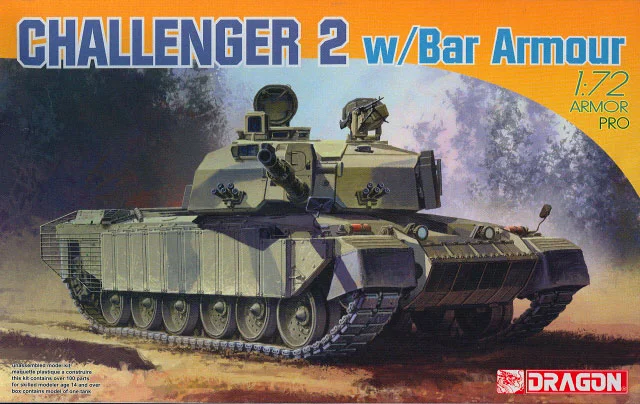
Slat armor (also called bar armor or cage armor in its ground-vehicle form) is mounted on the sides of armored vehicles to defeat RPG-7s fired from ground level. The slats cause RPG warheads to crush against the bars, crushing the piezoelectric fuse or triggering detonation at a sub-optimal distance. Slat armor was widely used on Stryker, MRAP, and Bradley vehicles during the Iraq War, where it demonstrated 60-80% effectiveness against RPG attacks.
Cope cages, by contrast, are mounted above the vehicle to address the top-attack threat. The principles are identical, but the geometry differs. Slat armor effectiveness depends on consistent bar spacing (typically 10-15 cm gaps), rigid mounting, and proper standoff distance of 40-60 cm from the hull. Cope cages use similar spacing but must contend with the curved geometry of turret roofs and the need to avoid interfering with hatches, optics, and weapon systems.
The combat experience with slat armor validates the core principle behind cope cages: standoff screens, when properly designed, significantly reduce shaped charge penetration. The question is not whether the principle works — it has been proven for decades — but whether the specific field-expedient implementations of cope cages achieve adequate standoff distances and structural integrity.
Limitations of Cope Cage Effectiveness
A balanced assessment requires a clear-eyed look at the limitations of cope cage effectiveness. Understanding what cope cages cannot do is essential for commanders deciding whether to install them on their vehicles.
- Tandem-charge warheads: As discussed, modern ATGMs and RPGs with tandem-charge designs defeat cope cages by design. The precursor charge clears the cage, and the main charge penetrates the vehicle. This is the single most important limitation.
- Weight and ergonomics: A cope cage adds 50-200 kg to the turret roof, which can strain turret traverse motors and affect vehicle center of gravity. More critically, cages restrict access to hatches, limit commander visibility, and can interfere with weapon elevation and sensor operation.
- Blast overpressure: When a warhead detonates on the cage, the blast and fragmentation are directed back toward the vehicle. While the cage absorbs the shaped charge jet, the HE blast can damage external equipment like optics, antennas, and machine guns.
- Structural integrity: Field-welded cages vary enormously in quality. Poor welds fail under blast loading, collapsing the cage onto the turret. Some cages have been observed to detach entirely after a single hit.
- Gap vulnerability: FPV drones can maneuver through gaps in cage bars if the spacing is too wide. FPV operators specifically target these gaps, negating the cage protection entirely.
- Limited coverage: Most cope cages protect only the turret roof, leaving the engine deck, hull roof, and rear compartments exposed. Drones can target these unprotected areas.
- Durability: Cages are not designed for multiple hits in the same area. After intercepting one or two strikes, the structure is weakened and may fail against subsequent attacks.
These limitations do not make cope cages useless, but they do define the boundaries within which cope cage effectiveness can be meaningfully assessed. A commander who understands these limits will deploy cope cages where they work best — against small drone threats in static or slow-moving vehicle operations — while maintaining other defensive systems for higher-tier threats.
Conclusion: Are Cope Cages Effective on the Modern Battlefield
After examining the physical principles, battlefield evidence, comparative technologies, and operational limitations, we return to the central question: are cope cages effective on the modern battlefield? The answer is a qualified yes — they are effective against specific threats in specific contexts, but they are not miracle armor.
Cope cages provide meaningful, cost-effective protection against the most rapidly growing threat on modern battlefields: small drones dropping munitions from above. Against FPV drones with shaped charge warheads, they offer partial protection that varies with attack angle and cage design. Against tandem-charge anti-tank weapons and artillery, they provide negligible benefit. This threat-specific effectiveness profile is neither a condemnation nor a celebration — it is a realistic description that commanders can use to make informed decisions.
The most effective approach appears to be layered defense: electronic warfare systems to disrupt drone guidance, cope cages to intercept munitions that get through, and traditional armor to handle direct-fire anti-tank weapons. In this framework, cope cages fill a critical gap that no other system addresses as cost-effectively.
As drone technology continues to advance — with autonomous targeting, AI guidance, and swarm capabilities — cage armor will need to evolve. We are already seeing second-generation cope cage designs with angled bars, wire mesh reinforcement, and modular mounting systems. The principle of standoff protection is proven, but the specific implementations will continue to adapt to the changing threat landscape.
For the most common battlefield threats of 2026 — small drones and FPV munitions — the evidence clearly supports their use. These improvised armor solutions save lives, protect expensive equipment, and cost almost nothing compared to the alternatives. That is not a meme. That is a battlefield reality.