Introduction
When defense contractors and military procurement officers evaluate suppliers for armored vehicle components, OEM armor fabrication China has become an increasingly compelling option. The combination of advanced manufacturing infrastructure, competitive labor costs, and growing expertise in military-grade welding and metallurgy has positioned Chinese fabrication shops as serious players in the global armor supply chain. This guide provides a comprehensive look at the OEM armor fabrication ecosystem — from the manufacturing process and quality control standards to cost comparisons and import logistics — so defense buyers can make informed sourcing decisions.
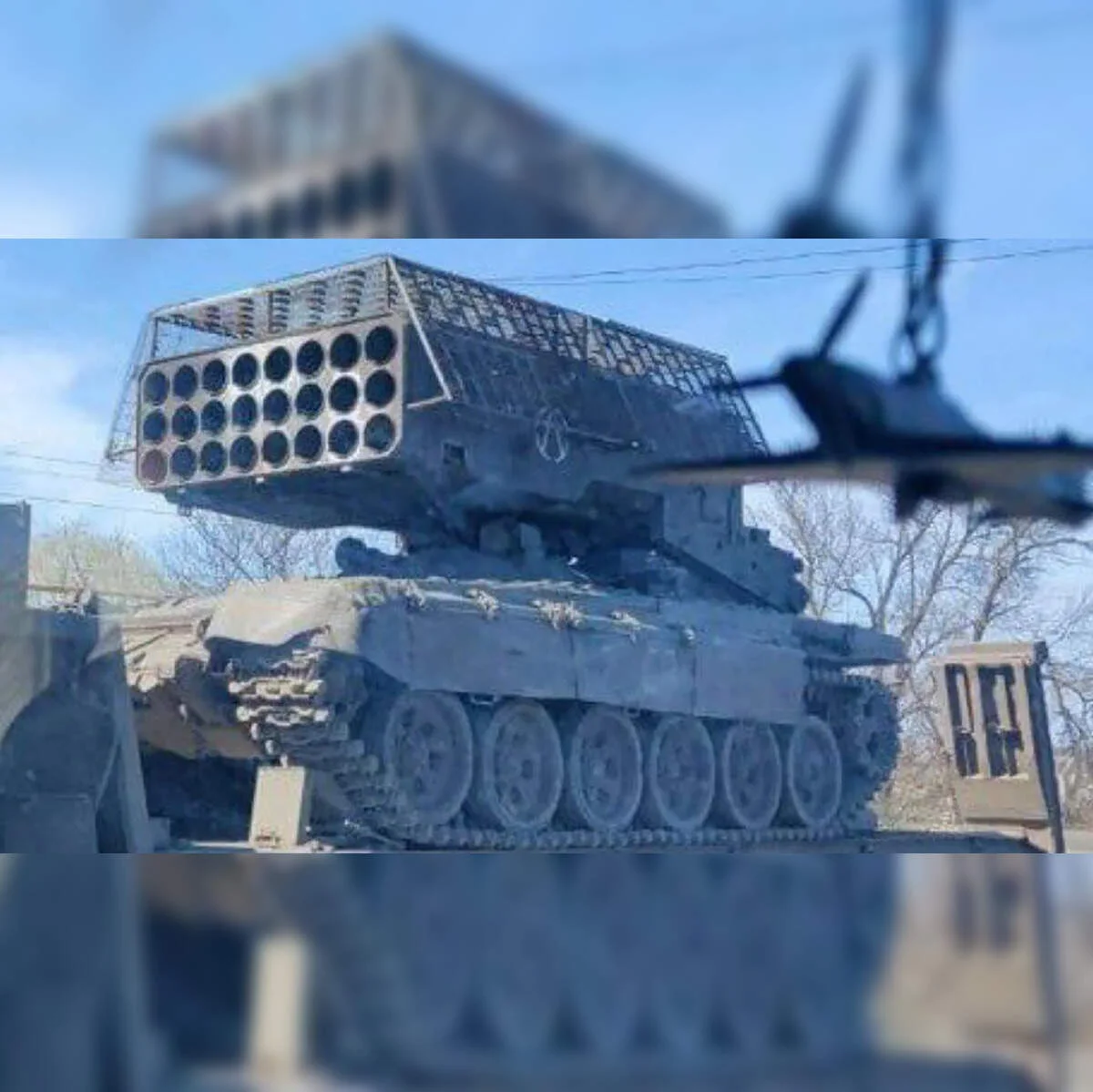
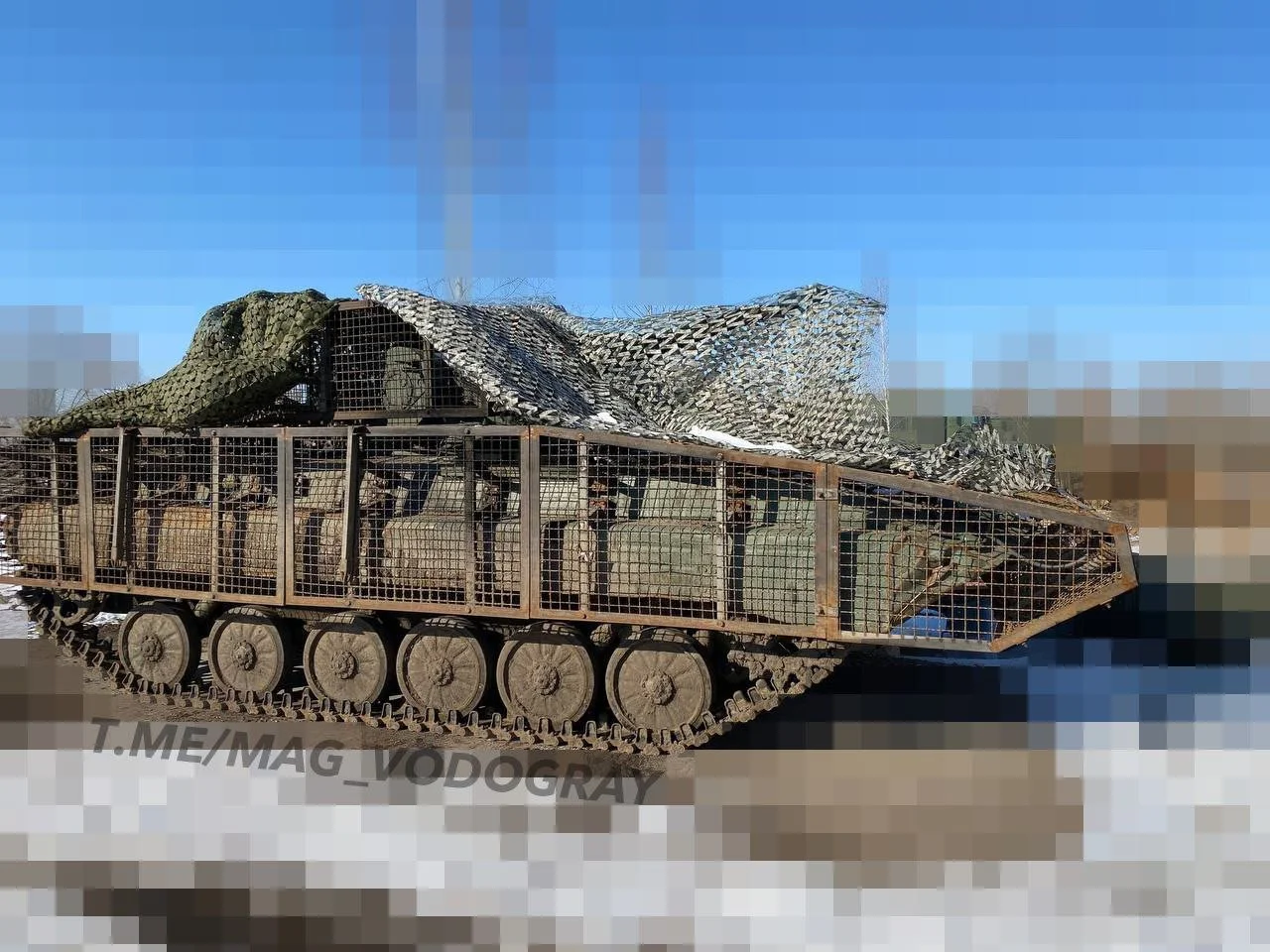
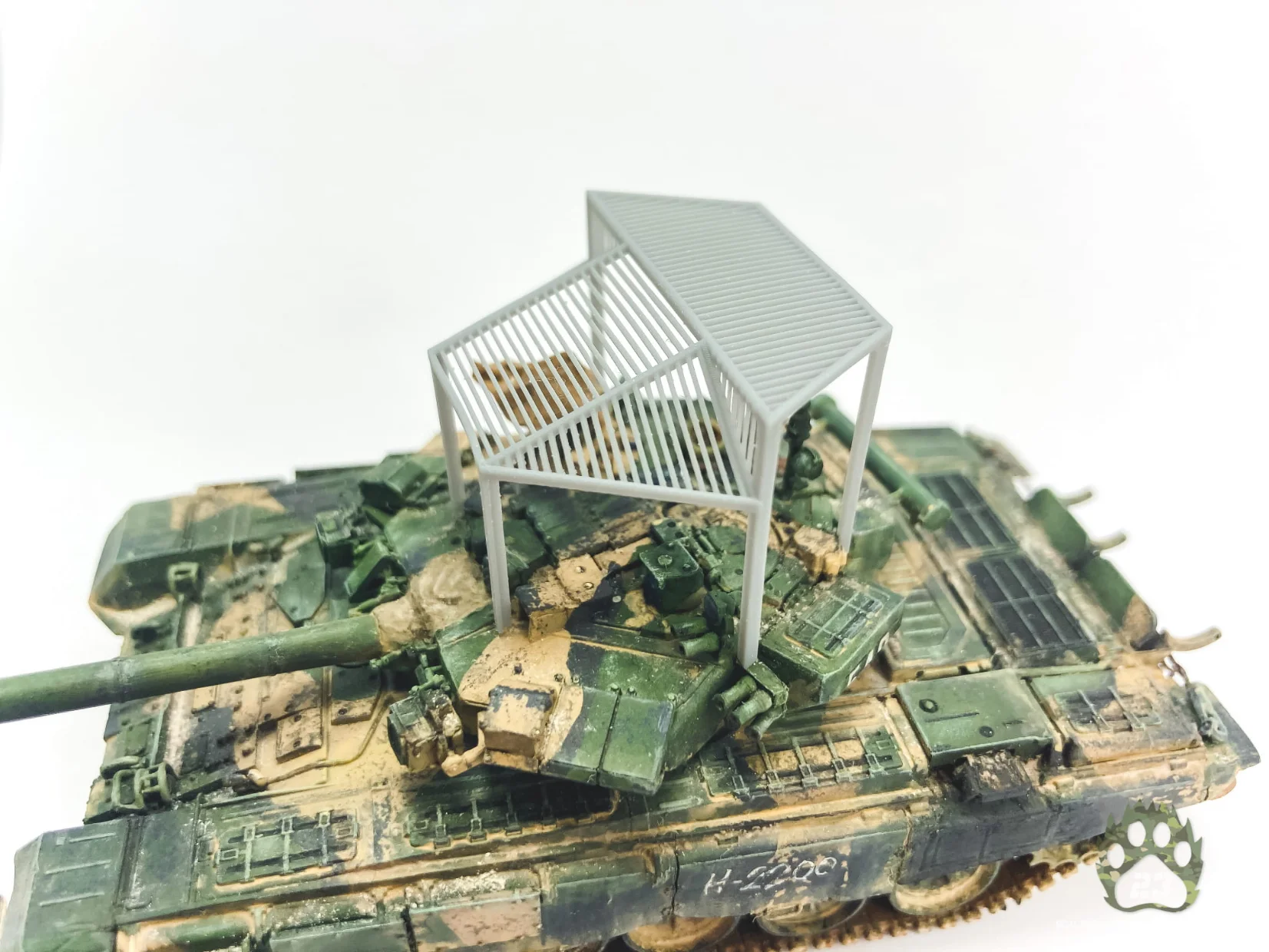
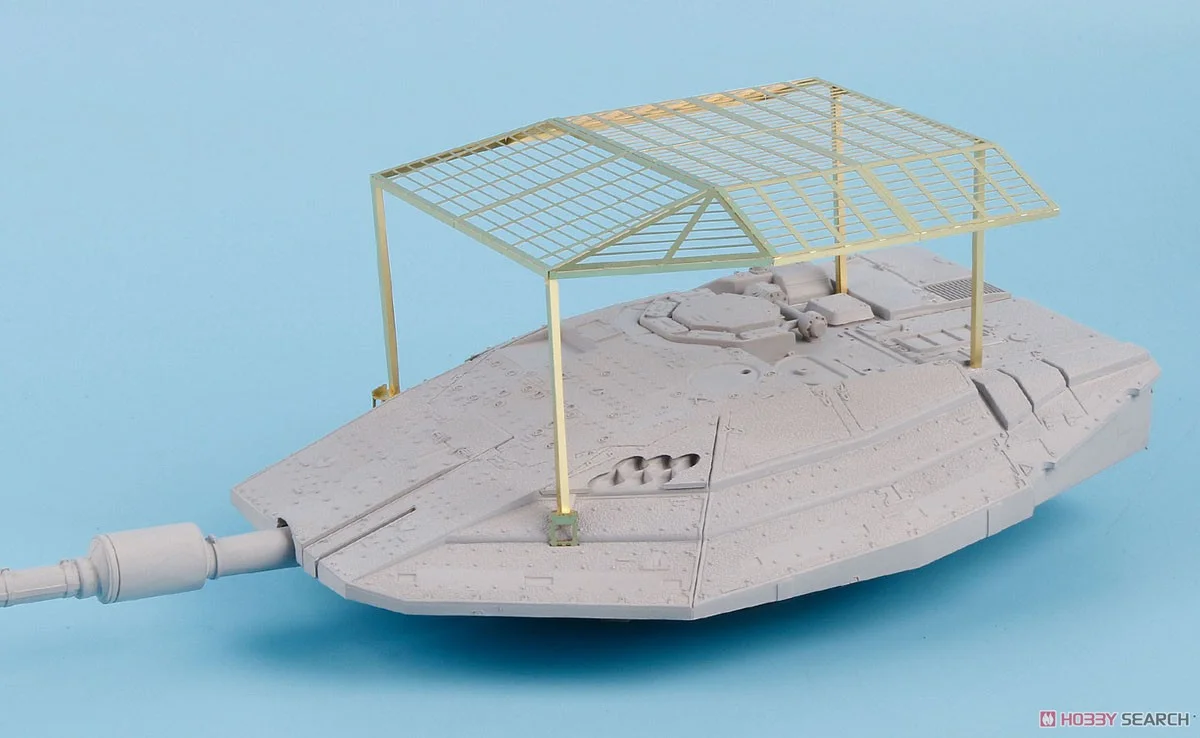
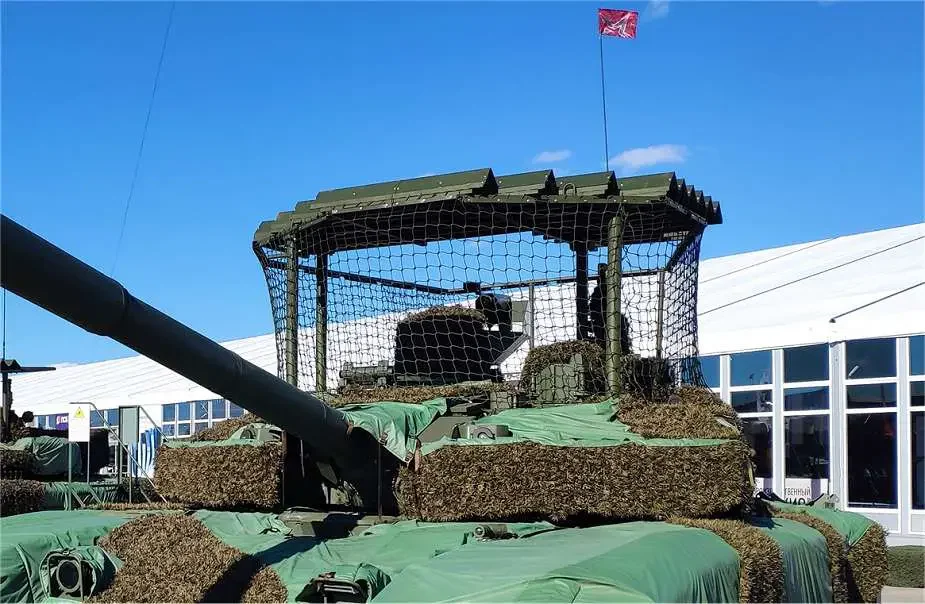
Whether you are seeking an armor fabrication company for a build-to-print program or evaluating a military fabrication quote China, understanding how the ecosystem works is essential. Chinas industrial clusters — particularly in Hebei, Shandong, and Jiangsu — host hundreds of ISO-certified fabrication shops capable of producing armor components ranging from vehicle hulls to cope cages, slat armor, and anti-drone protective structures. This guide covers everything from the initial request for a armor fabrication quote to final delivery and compliance.
What Is OEM Armor Fabrication in China?
OEM armor fabrication China refers to the practice of contracting Chinese manufacturing facilities to produce armor components and armored vehicle parts according to the buyers specifications — either from engineering drawings (build-to-print) or from design concepts developed collaboratively. These original equipment manufacturing (OEM) partnerships allow defense buyers around the world to leverage Chinas well-established metal fabrication ecosystem without building their own production lines.
Key Capabilities of Chinese Armor Fabricators
Chinese armor fabrication shops have invested heavily in modern equipment. Typical capabilities include:
- CNC plasma and laser cutting of armor-grade steel up to 40 mm thickness, with tolerances within ±0.5 mm
- Precision press braking and forming to achieve complex 3D armor shapes, including ballistic curves and angled slat profiles
- Robotic and manual MIG/TIG welding with controlled heat input to prevent distortion in heat-treated armor plate
- Post-weld heat treatment (PWHT) furnaces for stress relief on large weldments
- Surface preparation and coating lines including CARC-compatible painting, galvanizing, and anti-corrosion treatments
- Full assembly and fit-up for armor modules, cage structures, and vehicle integration kits
Materials Commonly Used
Chinese fabricators work with a wide range of armor materials, including locally produced ARMOX-equivalent steels (such as Wuyang 600/500 and Baosteel armor plate grades), aluminum armor alloys (5083, 7020), and composite armor panels. Many shops maintain relationships with mills to ensure certified material traceability from melt to finished plate.
When requesting a armor fabrication quote, buyers should specify the required material standard (e.g., MIL-DTL-46100, MIL-DTL-12560, or EN 10238 equivalents) so the fabricator can source the appropriate Chinese domestic or imported steel grades. A reputable armor fabrication company will provide material certificates and test reports with every shipment.
How Does OEM Armor Fabrication Work in China?
The workflow for OEM armor fabrication China typically follows a structured, gated process designed to ensure quality, cost control, and on-time delivery. Understanding each stage helps defense buyers set realistic expectations and communicate effectively with their fabrication partner.
Stage 1: Design and Engineering Review
Once a buyer shares their engineering drawings or 3D models, the Chinese fabricator performs a detailed design-for-manufacturing (DFM) review. This includes:
- Weld accessibility analysis — ensuring weld joints are reachable with available equipment and that heat-affected zones (HAZ) do not compromise ballistic performance
- Material grade verification — confirming that specified armor steel grades are available (or suggesting suitable Chinese equivalents)
- Tolerance stack-up assessment — checking that dimensional tolerances are achievable in the given fabrication process
- Welding procedure specification (WPS) — developing qualified procedures for each joint type, particularly for load-bearing armor welds
For build to print armor OEM projects, this stage typically takes 2–4 weeks depending on complexity. The fabricator will provide a formal engineering report and updated 3D model highlighting any proposed changes.
Stage 2: Material Sourcing and Preparation
After design approval, the fabricator orders armor-grade steel from certified Chinese mills. Material inspection includes:
- Chemical composition analysis via spectrometer
- Mechanical property testing (tensile, yield, hardness, Charpy impact)
- Ultrasonic testing (UT) for internal laminations or inclusions
- Dimensional verification against cutting plans
Stage 3: Cutting, Forming, and Welding
This is the core production phase. Armor plate is cut using plasma or laser cutting machines, then formed on press brakes with custom dies to achieve required angles. Welding follows qualified WPS with strict control of:
- Preheat and interpass temperature — critical for armor steels to avoid hydrogen-induced cracking
- Heat input limits — excessive heat softens the heat-affected zone and reduces ballistic resistance
- Filler metal selection — matching or over-matching yield strength of the base armor material
Many leading armor shops in China now use robotic welding cells for repetitive joints, while complex or hard-to-reach welds are performed by certified manual welders holding AWS D1.1, ISO 9606, or equivalent certifications. This hybrid approach balances speed with flexibility.
Stage 4: Assembly and Integration
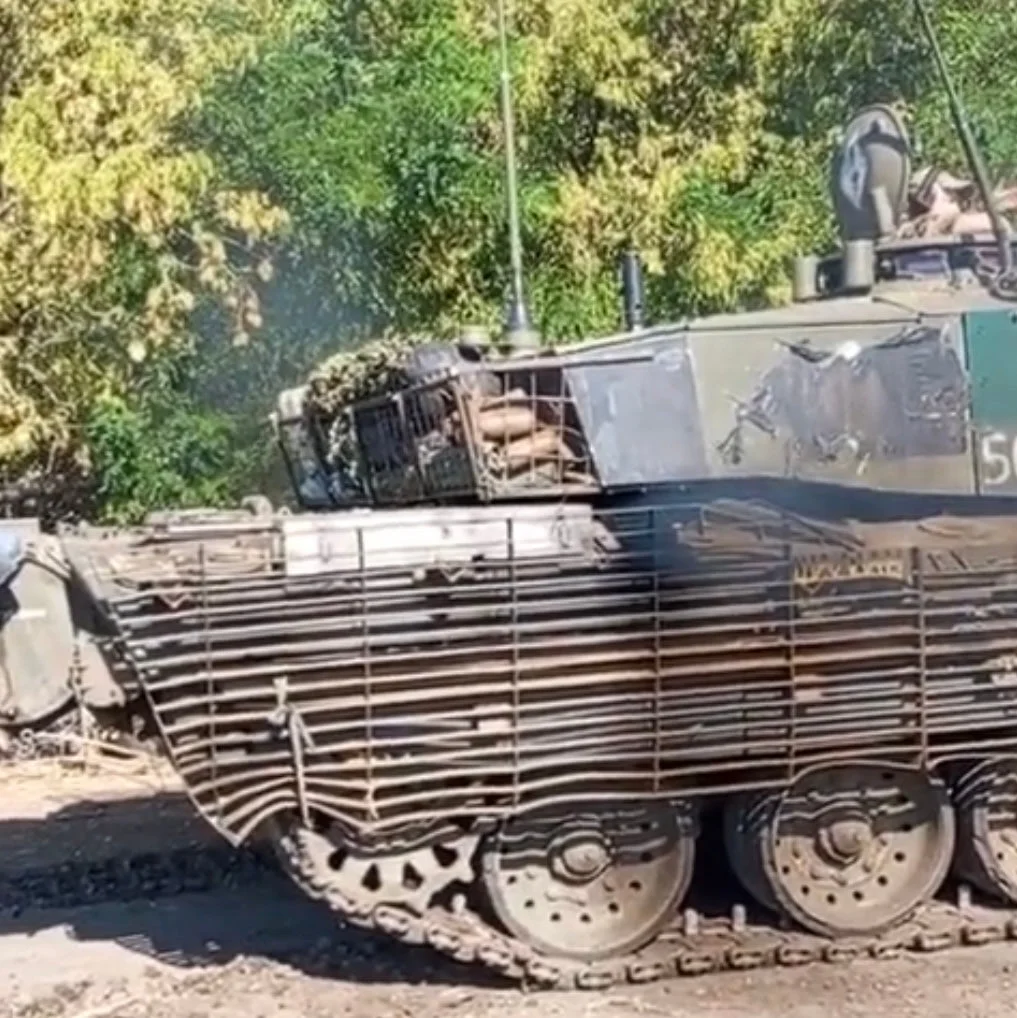
Completed components are assembled into sub-assemblies or full structures. For example, a cope cage armor fabrication project would involve welding the cage frame, attaching mounting brackets, and integrating connection points for vehicle-specific hardpoints. Fit-up is verified using jigs and fixtures to ensure field interoperability.
Quality Control and Military Certifications in Chinese Armor Fabrication
Quality control is the defining factor that separates capable armor fabrication shops from general metal fabricators. Defense buyers must verify that their Chinese partner operates a robust QC system aligned with international military standards. The answer to are Chinese OEM armor fabricators certified for military standards is yes — many hold recognized certifications and regularly pass third-party audits.
NDT and Weld Inspection Standards
Certified Chinese armor fabricators employ a comprehensive non-destructive testing (NDT) regime that mirrors Western military specifications. The following methods are standard:
| NDT Method | Application | Relevant Standard |
|---|---|---|
| Ultrasonic Testing (UT) | Detect internal flaws in parent plate and weld zones | ISO 17640, ASTM E164 |
| Magnetic Particle Testing (MT) | Surface and near-surface crack detection in ferromagnetic armor | ISO 17638, ASTM E709 |
| Dye Penetrant Testing (PT) | Surface-breaking flaw detection on non-porous armor surfaces | ISO 3452, ASTM E165 |
| Radiographic Testing (RT) | Volumetric examination of critical weld joints | ISO 17636, ASTM E1030 |
| Hardness Testing | Verify HAZ softening limits post-weld | ISO 6508, ASTM E18 |
In addition to NDT, dimensional inspection reports using CMM (coordinate measuring machines) and laser scanning ensure compliance with drawing tolerances. A reputable armor fabrication company will submit a QC dossier with each shipment, including NDT reports, material certificates, and dimensional check sheets.
Military-Grade Certifications
Chinese armor fabricators serving defense clients typically hold one or more of the following certifications:
- ISO 9001:2015 — baseline quality management system (nearly universal among export-oriented shops)
- ISO 3834 — quality requirements for fusion welding of metallic materials (critical for armor welding)
- ASME U / ASME S — pressure vessel stamps (some shops extend this to armor fabrication)
- GJB 9001C — Chinas military quality management standard (equivalent to ISO 9001 with defense-specific requirements)
- EN 15085 — welding certification for rail and armored vehicles (common among shops supplying European clients)
- AWS D1.1 / D1.6 — structural welding and stainless steel welding certifications
Due diligence is essential. Buyers should request copies of current certificates, verify them with the issuing body, and consider a pre-production audit visit. Many Chinese fabricators welcome international inspectors and will cover demonstration of their armor plate inspection NDT and UT MT welding inspection armor procedures during factory visits.
OEM Armor Fabrication Cost: China vs. US and Europe
OEM Armor Fabrication China Cost vs. US and Europe
Cost is the single most common reason defense buyers explore OEM armor fabrication in China. The price gap between Chinese, American, and European fabrication is substantial — but understanding why it exists and what it buys is critical to making the right sourcing decision.
Cost Breakdown and Comparison
A typical armor fabrication quote from China for a medium-complexity armored component (e.g., a vehicle armor door or slat armor panel set) might be 40–60% lower than a comparable US or European quote. Heres how the costs break down:
| Cost Component | China | United States | Europe (Germany) |
|---|---|---|---|
| Raw armor steel (per ton) | $1,200–1,800 | $2,000–3,000 | $2,200–3,500 |
| Labor (hourly, skilled welder) | $8–15 | $35–55 | $40–60 |
| Labor (hourly, fabricator) | $5–10 | $25–40 | $30–45 |
| NDT inspection (per batch) | $300–800 | $1,000–2,500 | $1,200–3,000 |
| Shipping (40 ft container, Asia to US/EU) | $2,500–5,000 | N/A | N/A |
| Duties and customs (typical rate) | 0–8% | N/A | N/A |
The labor cost advantage is the largest driver of savings, but Chinese shops have also invested in automation that reduces the labor share of total cost. Many mid-sized armor fabricators operate 24/7 production schedules, spreading fixed overhead across more output.
When China Makes the Most Sense
- Large production runs — tooling amortization favors Chinese shops when quantities exceed 50–100 units
- Build-to-print programs — when drawings are mature and require minimal engineering iteration, the build to print armor OEM model works efficiently across time zones
- Non-ITAR-restricted components — structures that do not contain controlled US defense technology can be freely fabricated and exported
- Integrated supply chains — Chinas steel mills and coating suppliers are often co-located with fabrication hubs, reducing material lead times
Hidden Costs to Watch For
When evaluating military fabrication quote China side by side with Western quotes, factor in:
- Travel and audit costs — $3,000–8,000 per factory visit including flights, accommodation, and interpreter services
- Communication overhead — 2–3 rounds of sample iteration before production approval is normal
- Risk mitigation — some buyers budget for third-party inspection companies (e.g., SGS, Bureau Veritas) to perform in-process and final QC
- Payment terms — Chinese shops typically require 30–50% deposit with balance before shipment, which ties up working capital
Despite these adders, the total landed cost for OEM armor fabrication from China typically remains 35–50% below Western alternatives for equivalent quality — making it a compelling option for cost-conscious defense programs.
How to Find a Reliable OEM Armor Fabrication Partner in China
Finding the right partner is the most important step in any OEM armor fabrication China engagement. The country is home to thousands of metal fabrication shops, but only a subset has the equipment, certifications, and experience to produce defense-grade armor components reliably.
Key Evaluation Criteria
When screening potential partners, defense buyers should evaluate these factors:
- Armor-specific experience — Has the shop produced armor components before? Request case studies or reference customers. A general metal fabricator is not automatically qualified for armor work.
- Welding certifications — Verify that welders hold current AWS D1.1, ISO 9606, or equivalent armor-relevant certifications. Ask for welder qualification records (WQRs).
- NDT capability — Does the shop have in-house NDT equipment and certified NDT Level II/III technicians? Outsourced NDT introduces delays and communication gaps.
- Material sourcing — Can they trace armor steel back to the mill with full heat numbers and chemical/physical test reports?
- English communication — Is there an English-speaking project manager or sales engineer? Miscommunication on tolerances and weld specifications is a common source of defects.
- Financial stability — Request audited financials or trade references. A shop that closes mid-project is a nightmare scenario.
- Third-party audit history — Have they hosted audits from SGS, TÜV, Bureau Veritas, or defense primes? Audit reports can be shared under NDA.
OEM Welding Shops in Hebei and Other Industrial Hubs
China armor fabrication is geographically concentrated. The key regions include:
- Hebei Province — The heartland of Chinese heavy fabrication, particularly around Cangzhou and Handan. Home to hundreds of steel processing and welding shops, OEM welding shop Hebei searches yield the largest number of candidates. Many Hebei shops supply armor components to Middle Eastern and Southeast Asian defense programs. When evaluating candidates from this region, prioritize shops that have dedicated armor production lines and can demonstrate prior OEM welding shop Hebei experience with military-grade materials.
- Shandong Province — Strong in heavy vehicle manufacturing, with several shops specializing in armored vehicle hulls and turret fabrications.
- Jiangsu and Zhejiang — Known for precision fabrication and higher automation levels. These shops tend to serve more technology-intensive programs.
- Liaoning (Dalian) — Heavy industrial base with shipbuilding heritage; suitable for large armor structures and naval armor components.
A practical starting point is to identify 5–8 candidate shops, send a detailed RFQ with your drawings, and evaluate responses on technical comprehension, pricing transparency, and communication quality. Shortlist 2–3 for a paid evaluation sample before committing to production.
How to Import OEM Armor Fabricated in China
Importing armor components from China involves navigating export controls, customs classification, and logistics coordination. While the process is straightforward for commercial-grade products, defense and security-related items require additional attention to compliance.
Export Controls and Compliance
The most critical step is determining whether the armor components fall under export control regulations in both China and the destination country. Key considerations include:
- Chinese export controls — China regulates export of military-grade products under its Export Control Law and Munitions List. Commercial armor components (vehicle add-on armor, protective cages, slat armor) for non-state end users are generally exportable with standard customs clearance, provided they are not specifically designed for weapons systems.
- US ITAR/EAR considerations — If the armor design incorporates US-origin technical data controlled under ITAR (International Traffic in Arms Regulations) or EAR (Export Administration Regulations), a US export license may be required before sharing drawings with a Chinese fabricator. Many defense buyers use a firewall: engage Chinese shops only for components designed without US-controlled technology.
- End-user certificates — Chinese fabricators will typically require an end-user statement certifying that the armor will not be re-exported to sanctioned entities. This is standard practice and should be prepared in advance.
- Harmonized System (HS) codes — Armor components typically fall under HS Chapter 87 (vehicles) or Chapter 73 (iron/steel articles). Engaging a licensed customs broker to determine the correct classification is recommended — misclassification can result in seizure or penalties.
Shipping and Logistics
Once the armor is fabricated and passed final inspection, logistics planning begins:
- Packing and preservation — Armor components must be protected from corrosion during ocean transit. Reputable fabricators apply rust-preventive oil and wrap in VCI (vapor corrosion inhibitor) film, with edge protectors on cut plate surfaces.
- Container loading — Request photos of container loading. Heavy armor panels should be distributed evenly to avoid concentrated weight exceeding floor load limits.
- Insurance — Purchase marine cargo insurance covering the full commercial value plus freight. All-risk policies are standard for defense-related cargo.
- Destination customs clearance — Prepare a customs entry package including commercial invoice, packing list, bill of lading, certificate of origin, material test reports, and any end-user documentation.
Lead time from factory completion to delivery at a US or European port is typically 6–10 weeks (4–5 weeks sea freight plus customs clearance and inland trucking). Air freight is possible for small components (2–5 days) but at 5–10× the cost.
Conclusion
OEM armor fabrication from China offers defense buyers a powerful combination of cost competitiveness, modern manufacturing capability, and growing expertise in military-grade fabrication. By understanding the process — from design review and material sourcing through cutting, welding, and NDT — buyers can engage Chinese fabrication shops with confidence and clarity.
Is OEM fabrication in China vs US Europe right for your program? The answer depends on project specifics: budget constraints, production volume, intellectual property considerations, and compliance requirements. For non-ITAR-controlled build-to-print programs with clear specifications and moderate to high volumes, China is frequently the most cost-effective option available — delivering savings of 35–50% versus Western alternatives while maintaining equivalent quality when the right armor fabrication company is selected.
The key takeaways for defense buyers evaluating OEM armor fabrication in China:
- Start with a thorough RFQ process targeting 5–8 shops, prioritizing those with armor-specific experience and recognized certifications
- Conduct a pre-production audit to verify QC systems, NDT capability, and welder qualifications in person
- Request samples or pilot runs before committing to full production
- Work with a licensed customs broker familiar with defense-related imports to ensure smooth clearance
- Build relationships with second-source shops to maintain supply chain resilience
Chinas armor fabrication industry continues to mature, with increasing investment in automation, certification infrastructure, and international partnerships. For defense buyers willing to invest the time in proper partner selection and due diligence, OEM armor fabrication China can be a reliable, cost-effective pillar of a global procurement strategy.