Introduction to Armor Metal Fabrication
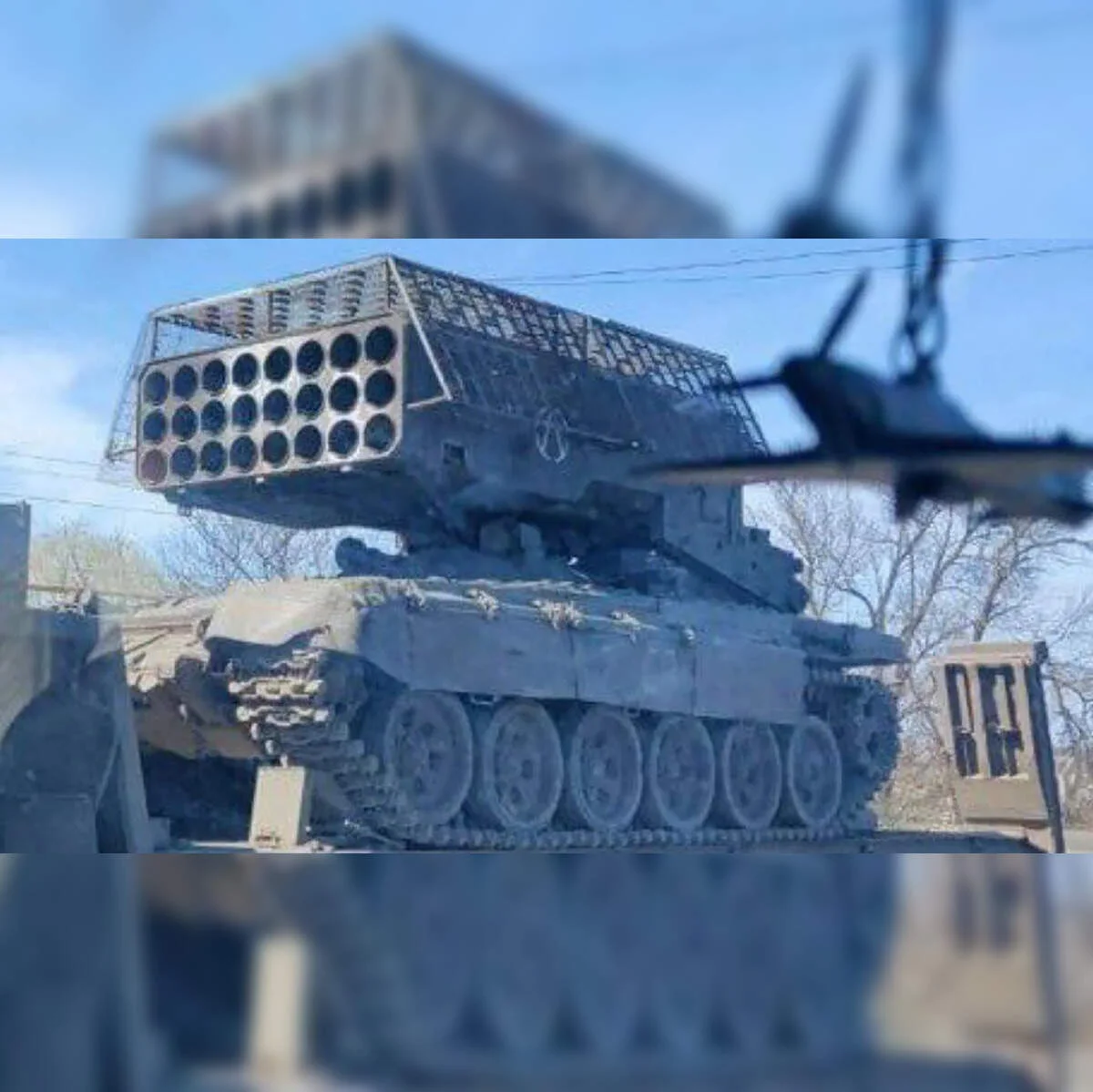
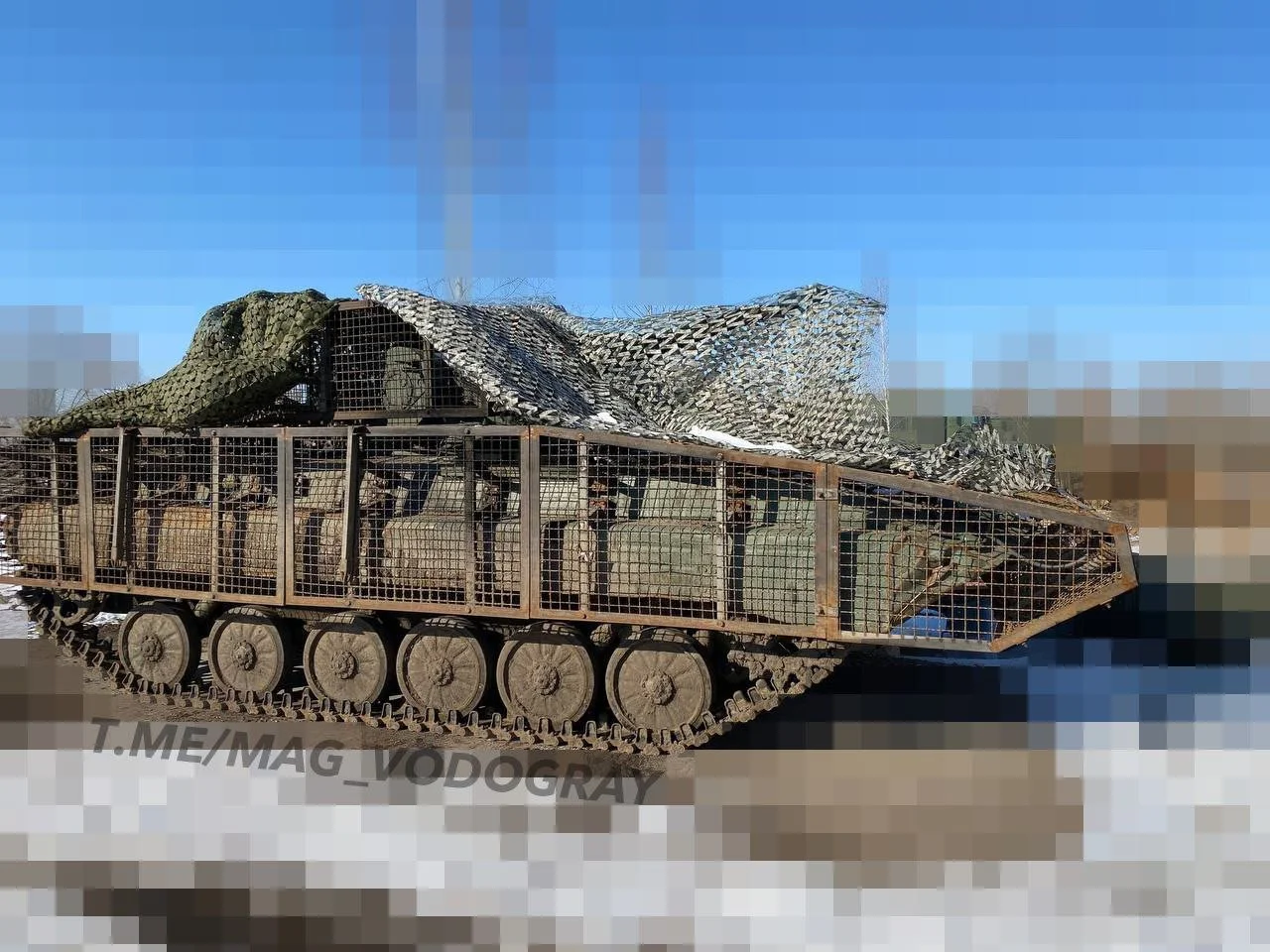
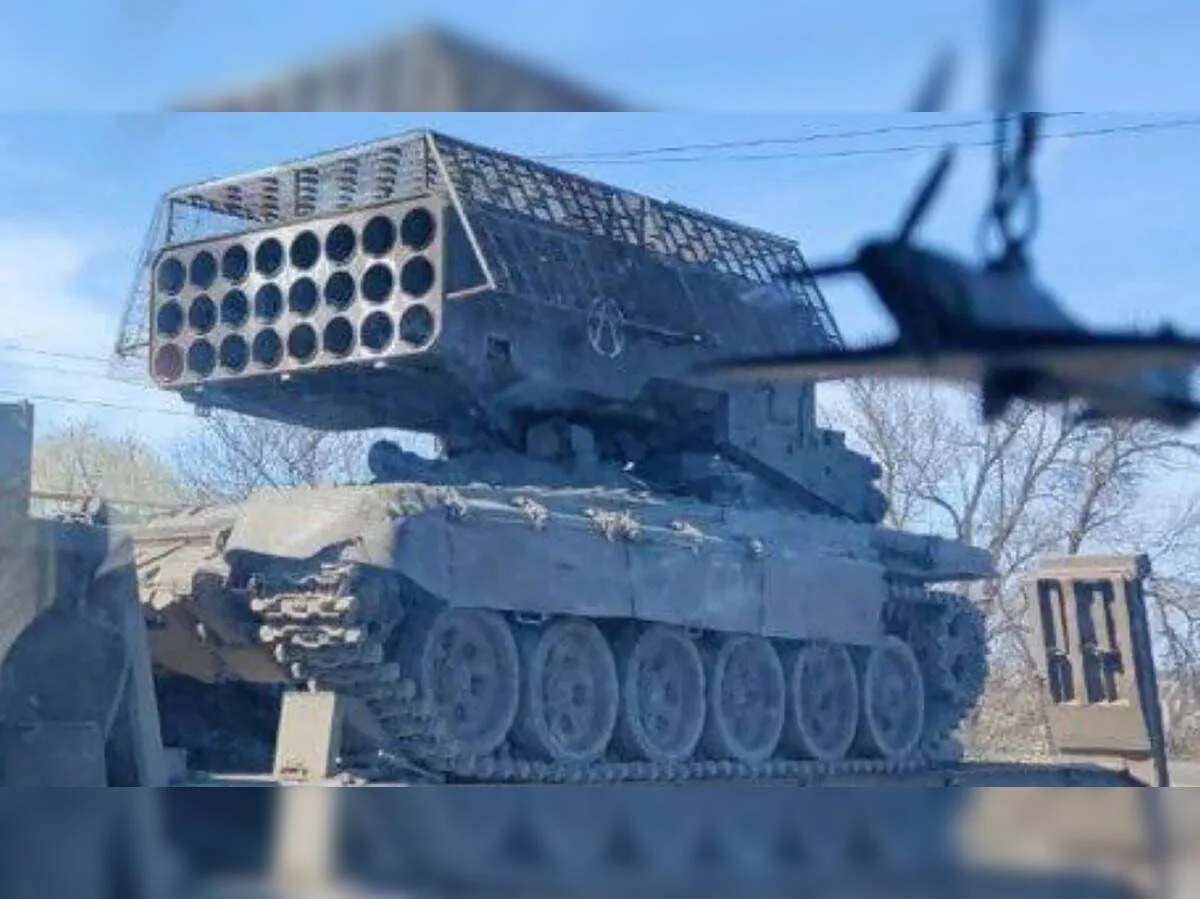
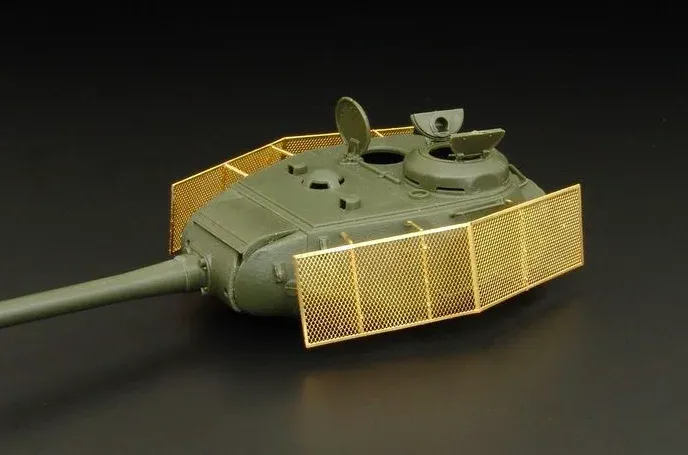
Armor metal fabrication transforms raw ballistic steel plates into finished protective structures — vehicle hulls, cope cages, slat armor, blast shields, and armored components. Unlike conventional metal fabrication, armor fabrication operates at the intersection of metallurgical science, precision machining, and certified welding, all governed by military-grade quality standards. Whether you are equipping a single VIP vehicle or outfitting an entire military fleet, understanding the processes, materials, and costs of armor fabrication is essential for making informed procurement decisions. This guide covers what armor metal fabrication entails, the materials and processes involved, which industries rely on these services, and how to evaluate and select a fabrication partner.
What Is Armor Metal Fabrication?
Armor metal fabrication is the process of cutting, forming, welding, and assembling ballistic-grade metal — primarily steel, but also aluminum and titanium — into protective structures that resist ballistic penetration, blast fragmentation, and impact damage. Unlike standard structural fabrication, armor fabrication must preserve the base material's ballistic properties throughout every manufacturing step.
The key distinction between armor fabrication and conventional metal fabrication lies in the quality requirements. A structural weld on a building frame that contains minor porosity may still be serviceable. The same porosity in an armor weld creates a stress concentration that can initiate ballistic failure under impact. Every step of armor fabrication — from material receiving through cutting, forming, welding, and final inspection — must be executed under controlled procedures with documented traceability.
Armor fabrication encompasses several distinct activities:
- Material preparation — Receiving, verifying, and storing ballistic-grade steel from certified mills. Each plate is assigned a unique heat number for traceability.
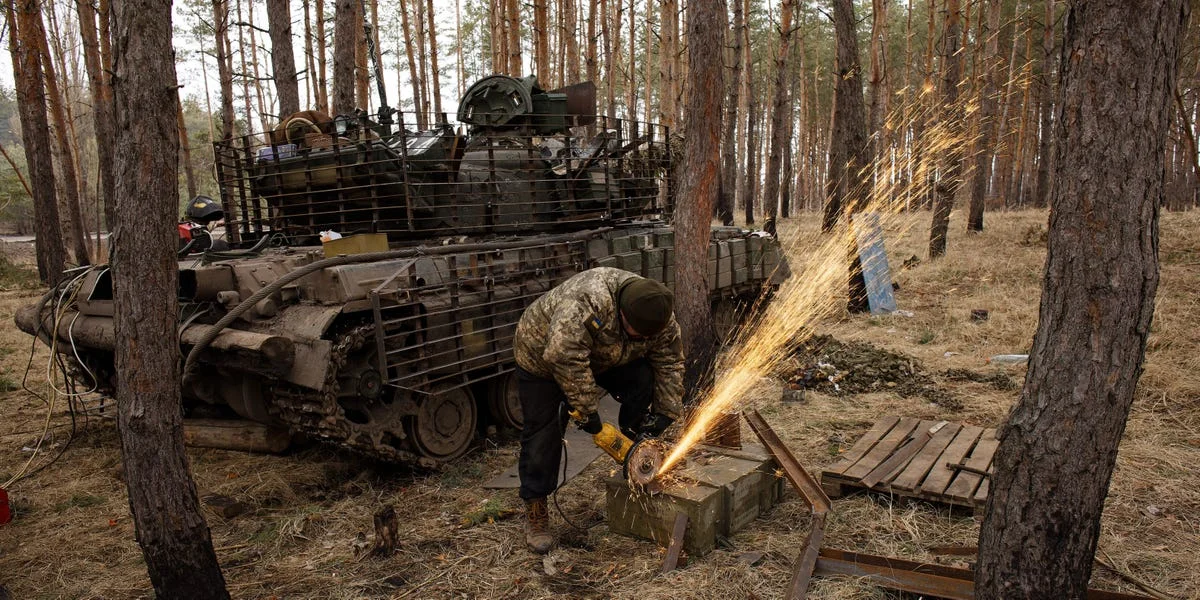
- Cutting — Shaping armor plates to the required dimensions using plasma, laser, or waterjet cutting. Heat-affected zones from thermal cutting must be minimized or removed.
- Forming — Bending armor plate to create complex shapes. AR400 and lower hardness grades can be cold-formed; AR500 and above typically require hot-forming to avoid cracking.
- Welding — Joining armor plate sections using qualified procedures and certified welders. This is the most critical step in fabrication.
- Assembly — Fitting welded sub-assemblies together, including mounting brackets, hinges, and hardware for vehicle installation.
- Quality control — Dimensional inspection, NDT of all welds, hardness verification, and final ballistic testing where specified.
Materials Used in Armor Metal Fabrication
What materials are used in armor metal fabrication? The choice of material is the most fundamental decision in any armor fabrication project. The material determines the level of ballistic protection, the weight of the finished product, the fabrication methods required, and the cost.
Armor Steel
Steel is the predominant material in armor fabrication due to its excellent ballistic resistance, relatively low cost, and established manufacturing base. Common armor steel grades include:
- AR400 (370–430 HBW) — Best formability and weldability for armor steel. Used for structural armor, vehicle hulls, and applications requiring bending.
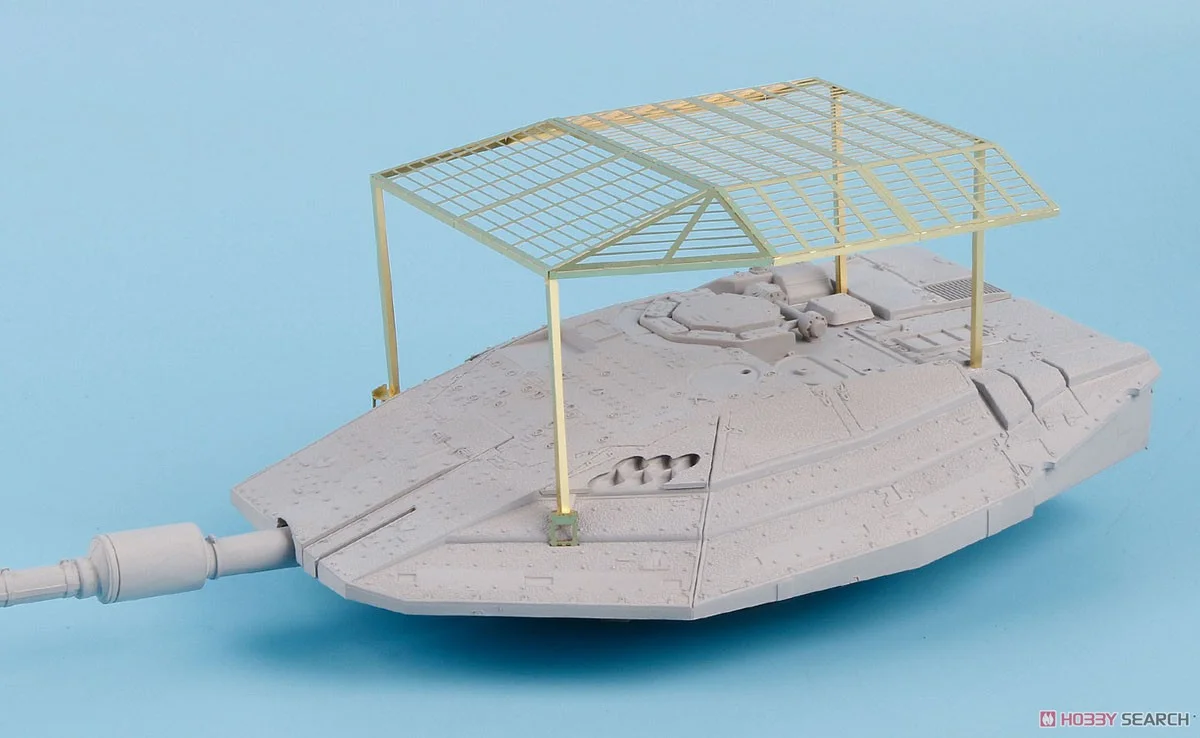
- AR500 (470–530 HBW) — The standard ballistic armor grade. Used for cope cages, slat armor, vehicle armor panels, and bulletproof barriers.
- AR550 (520–570 HBW) and AR600 (570–630 HBW) — Ultra-hard grades for maximum protection. Used for belly armor and blast shields.
- MIL-SPEC grades (MIL-A-12560, MIL-A-46100) — Military specification steels with guaranteed ballistic performance.
Aluminum Armor
Aluminum alloys (primarily 5083-H131 and 7039) offer weight savings of approximately 60% compared to steel for equivalent ballistic protection. Aluminum armor is used in weight-sensitive applications such as light armored vehicles, naval superstructures, and aircraft armor.
Titanium Armor
Titanium alloys (Ti-6Al-4V) offer the best strength-to-weight ratio of any armor material but at significantly higher cost — typically 10–20 times the cost of armor steel.
Composite Armor
Modern armor systems increasingly use layered composites — ceramic tiles bonded to a metal backing, or laminated steel-polymer-steel arrays. Fabrication of composite armor involves bonding, pressing, and assembly processes that differ significantly from monolithic metal fabrication.
Key Processes in Armor Metal Fabrication
What processes are involved in armor metal fabrication? Armor fabrication involves a sequence of specialized processes, each requiring specific equipment and expertise. The exact process flow depends on the product being fabricated — a cope cage requires more welding but less forming than a vehicle hull — but the core processes are common across most armor fabrication projects.
Cutting
Armor steel is cut using several methods depending on thickness and precision requirements:
- CNC Plasma Cutting — The most common method for armor steel up to 50 mm thick. Modern high-definition plasma systems produce clean edges with minimal heat-affected zone (HAZ). Cutting speeds of 500–2000 mm/min are typical depending on thickness.
- Abrasive Waterjet Cutting — Produces the highest quality cut edge with no HAZ. Essential for high-hardness grades (AR500+) where thermal cutting could create edge hardening or cracking. Slower and more expensive than plasma but eliminates secondary edge grinding.
- Laser Cutting — Used for thin armor plate (under 12 mm) where precision and speed are required. Fiber lasers can cut armor steel with excellent edge quality.
- Oxy-fuel Cutting — Traditional method for thick armor plate (50 mm+). Less precise than plasma or waterjet but capable of cutting very thick sections.
Forming and Bending
Armor plate forming ranges from simple flat-panel fabrication to complex three-dimensional shapes. Press brakes with sufficient tonnage (500–2000+ tons) are used to bend armor plate. The minimum bend radius increases with hardness — AR400 can be bent to 3–4x thickness radius, while AR550 requires 8–10x thickness radius and typically hot forming at 400–600°F.
Welding
Welding is the most technically demanding process in armor fabrication. All welds must be performed using qualified welding procedure specifications (WPS) by certified welders. The primary methods are GMAW (MIG) for production efficiency, GTAW (TIG) for precision work, and FCAW for heavy sections. Preheat, interpass temperature, and heat input are strictly controlled.
Drilling and Machining
Armor steel is difficult to machine due to its hardness. Carbide-tipped drills, annular cutters, and specialized tooling are required. For high-hardness grades, drilling may require solid carbide tooling with through-tool coolant.
Surface Treatment and Painting
Armor components typically receive corrosion protection — zinc-rich primers, polyurethane topcoats, or CARC (Chemical Agent Resistant Coating) for military applications. Surface preparation by abrasive blasting is standard.
Industries That Need Armor Metal Fabrication Services
What industries need armor metal fabrication services? While military defense is the most visible market for armor fabrication, a growing range of industries require ballistic protection for personnel, facilities, and equipment.
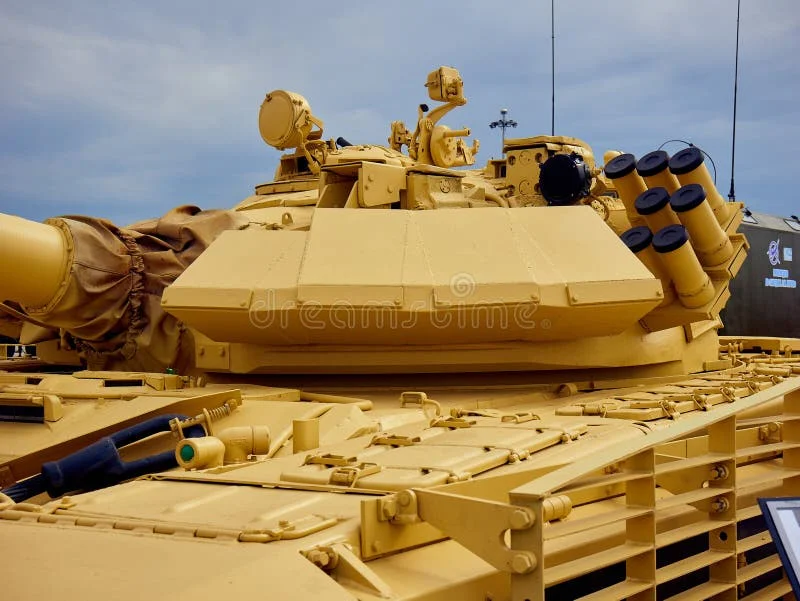
- Military and Defense — The primary market, accounting for over 70% of armor fabrication demand. Applications include main battle tanks, infantry fighting vehicles, armored personnel carriers, self-propelled artillery, military trucks, naval vessels, and aircraft armor. Military armor fabrication is governed by strict MIL-SPEC and STANAG standards with full material traceability.
- Law Enforcement — Police tactical vehicles (SWAT trucks, armored rescue vehicles), ballistic shields, and facility hardening. Law enforcement armor typically uses AR400–AR500 grades with less stringent certification requirements than military-grade but still demanding quality fabrication.
- Private Security and VIP Transport — Armored civilian vehicles (sedans, SUVs, limousines) for high-net-worth individuals and government officials. This market uses lighter armor materials, often a combination of steel and composite, to balance protection with vehicle performance.
- Cash-in-Transit and Armored Logistics — Armored cash trucks, secure transport vehicles, and logistics armor for high-value cargo shipments. B6 and B7 protection levels per EN 1063 or equivalent standards.
- Naval and Maritime — Naval vessel armor, pirate protection for commercial shipping, offshore platform security. Marine armor requires corrosion-resistant materials or specialized coatings.
- Aerospace — Aircraft armor for military helicopters, transport aircraft, and VIP jets. Weight is the critical constraint, driving the use of titanium and composite armor.
- Infrastructure Security — Ballistic-rated barriers, checkpoints, embassy hardening, guard towers, and critical infrastructure protection (power plants, water treatment, government buildings).
Each industry has unique requirements for certification, weight constraints, threat levels, and environmental conditions that must be factored into the fabrication process.
How to Find a Reliable Armor Metal Fabrication Company
How to find a reliable armor metal fabrication company? Finding the right fabrication partner is critical to the success of any armor project. The wrong choice can result in substandard protection, regulatory non-compliance, project delays, and potential liability.
Key steps in evaluating armor fabrication companies:
- Verify certifications — The fabricator should hold at minimum ISO 9001 and AWS D1.1 certification. For military work, ISO 3834-2 and relevant MIL-STD certifications are essential. Request copies and verify with issuing bodies.
- Inspect facilities — Visit the fabrication facility or request a virtual tour. Look for organized workflows, well-maintained equipment, dedicated QC areas, and proper material storage. A clean, organized shop indicates a professional operation.
- Review NDT capabilities — In-house NDT (UT, MT) capabilities demonstrate commitment to quality. Ask about their NDT procedures, inspector certifications, and equipment calibration records.
- Check material sourcing — Ask about their armor steel supply chain. Do they source from certified mills? Can they provide material traceability documentation? Do they verify incoming material quality?
- Ask for references — Request and contact references from previous clients, particularly those with similar projects. Ask about quality, delivery performance, communication, and problem resolution.
- Review quality documentation — Ask to see sample quality documentation packages — weld maps, NDT reports, material certs, dimensional inspection reports. The level of detail in these documents reveals the rigor of their quality system.
- Evaluate communication — For international buyers, assess the fabricator's English language capability, responsiveness, and willingness to provide project updates. Clear communication prevents costly misunderstandings.
Dengtai Industrial in Zhengzhou, China exemplifies a qualified armor fabrication partner — AWS D1.1 and ISO 3834-2 certified, with in-house NDT, full material traceability, and 500+ tons monthly production capacity serving international defense clients.
Armor Metal Fabrication Cost Factors
How much does armor metal fabrication cost? Armor fabrication costs vary significantly based on material, complexity, quantity, certification requirements, and geographic location. Understanding the cost drivers helps buyers budget accurately and evaluate quotes effectively.
Major cost factors in armor fabrication:
- Material cost (30–50% of total) — Armor steel plate costs .50–8.00 per kg depending on grade and certification. Aluminum armor costs –15 per kg. Titanium can exceed per kg. For a typical cope cage, material cost is 30–40% of the total.
- Cutting cost (10–15%) — Waterjet cutting costs more than plasma but eliminates secondary edge preparation. For complex shapes with tight tolerances, waterjet may be necessary despite the higher cost.
- Welding labor (20–35%) — Certified armor welders command premium rates. A typical cope cage may require 8–40 hours of welding depending on size and complexity. Labor rates vary from –30/hr in China to –100/hr in the US and Europe.
- NDT and QC (5–15%) — Comprehensive NDT inspection adds cost but is mandatory. UT scanning of all welds, MT of surface areas, and documentation packages all contribute to this category.
- Finishing (5–10%) — Abrasive blasting, priming, painting (especially CARC), and final assembly.
- Certification and overhead (5–10%) — Costs related to maintaining certifications, quality system administration, and project management.
Estimated price ranges for common armor fabrication projects:
- Cope cage (single vehicle set) — –5,000 depending on size and complexity
- Slat armor kit (single vehicle) — ,000–8,000
- Vehicle armor upgrade package — ,000–50,000+ depending on protection level and vehicle type
- Custom armor fabrication per project — ,000–500,000+ for vehicle fleets or complex installations
For the most accurate pricing, provide fabricators with detailed drawings, material specifications, quantity, and delivery requirements when requesting quotes. Compare pricing across multiple qualified fabricators to ensure competitive rates.
Conclusion: Choosing Your Armor Fabrication Partner
Armor metal fabrication is a specialized discipline that combines advanced manufacturing processes with rigorous quality control to produce life-saving protective structures. From the materials selected to the cutting methods, welding procedures, and inspection protocols, every aspect of armor fabrication must be executed with precision and accountability.
Key takeaways for buyers of armor fabrication services:
- Armor fabrication involves cutting, forming, welding, and assembly of ballistic-grade materials — primarily steel (AR400–AR600, MIL-SPEC), aluminum, and titanium
- The choice of material determines protection level, weight, and fabrication complexity — higher hardness provides better protection but is harder to work with
- Military, law enforcement, VIP transport, naval, and infrastructure security all require armor fabrication services with different certification and quality requirements
- Select fabrication partners based on certifications (AWS, ISO, MIL-STD), facility quality, NDT capabilities, material traceability, and proven experience with similar projects
- Armor fabrication costs 2–4 times more than structural steel fabrication but represents a small fraction of the total value of the asset being protected
Whether you need a single cope cage prototype or a fleet-wide armor upgrade program, partnering with an experienced and certified fabricator is the most important decision you will make. Contact Dengtai Industrial to discuss your armor metal fabrication requirements and receive a detailed quote from our engineering team.