Introduction
Getting an accurate armor fabrication quote is the first critical step in any military vehicle protection project. Whether you need a cope cage for an Abrams tank, slat armor for a BMP, or a complete anti-drone protection system for a logistics convoy, understanding how the armor fabrication quote process works will help you get competitive pricing and realistic timelines from manufacturers.
This guide walks through everything you need to know about obtaining armor fabrication quotes — what information to prepare, what costs to expect, which companies to contact, and how to compare proposals effectively.
How to Get a Custom Armor Fabrication Quote
The process of obtaining an armor fabrication quote typically follows these steps:
- Identify your requirements: Determine the vehicle platform, threat level, and protection needs before contacting fabricators
- Research qualified fabricators: Look for companies with military welding certifications, armor fabrication experience, and export compliance capabilities
- Prepare your request package: Gather vehicle specifications, reference drawings, quantity requirements, and delivery timeline expectations
- Submit formal RFQ: Send your request for quote with all supporting documentation to shortlisted fabricators
- Review and compare quotes: Evaluate proposals based on price, lead time, quality certifications, and scope of work
- Clarify and negotiate: Ask questions about any unclear items before making a final decision
Most reputable armor fabrication companies provide free quotes for well-defined projects. The more complete your initial request, the more accurate the armor fabrication quote will be.
Information Needed for an Armor Fabrication Quote
The quality and completeness of the information you provide directly affects the accuracy of your armor fabrication quote. Fabricators need specific details to calculate material quantities, labor hours, and manufacturing complexity. Below are the four key categories of information you should prepare.
Vehicle Specifications and Platform Details
Provide the exact make, model, year, and configuration of the vehicle to be armored. This information helps the fabricator determine mounting points, weight distribution, and clearance requirements. Include:
- Vehicle manufacturer and model (e.g., M1A2 Abrams, Leopard 2A7, BMP-3)
- Year of manufacture and any previous armor modifications
- Overall vehicle dimensions and weight capacity
- Photos from multiple angles showing existing mounting points
- Access requirements (hatches, engine compartments, fuel caps)
Engineering Drawings and CAD Files
If you have existing engineering drawings, include them with your quote request. Fabricators use technical drawings to precisely calculate material requirements and manufacturing complexity. Acceptable formats include:
- CAD files: STEP, IGES, or DXF formats for 3D models and 2D profiles
- PDF drawings: Dimensioned drawings with material specs and weld callouts
- Reference photos: If drawings are not available, provide detailed photographs with measurements
If you do not have drawings, many armor fabrication companies offer design services as part of their quote package. Be sure to ask whether engineering and design fees are included in the quote or billed separately.
Threat Level and Protection Requirements
Clearly define the threats your armor must counter. This directly affects material selection, thickness, and design complexity:
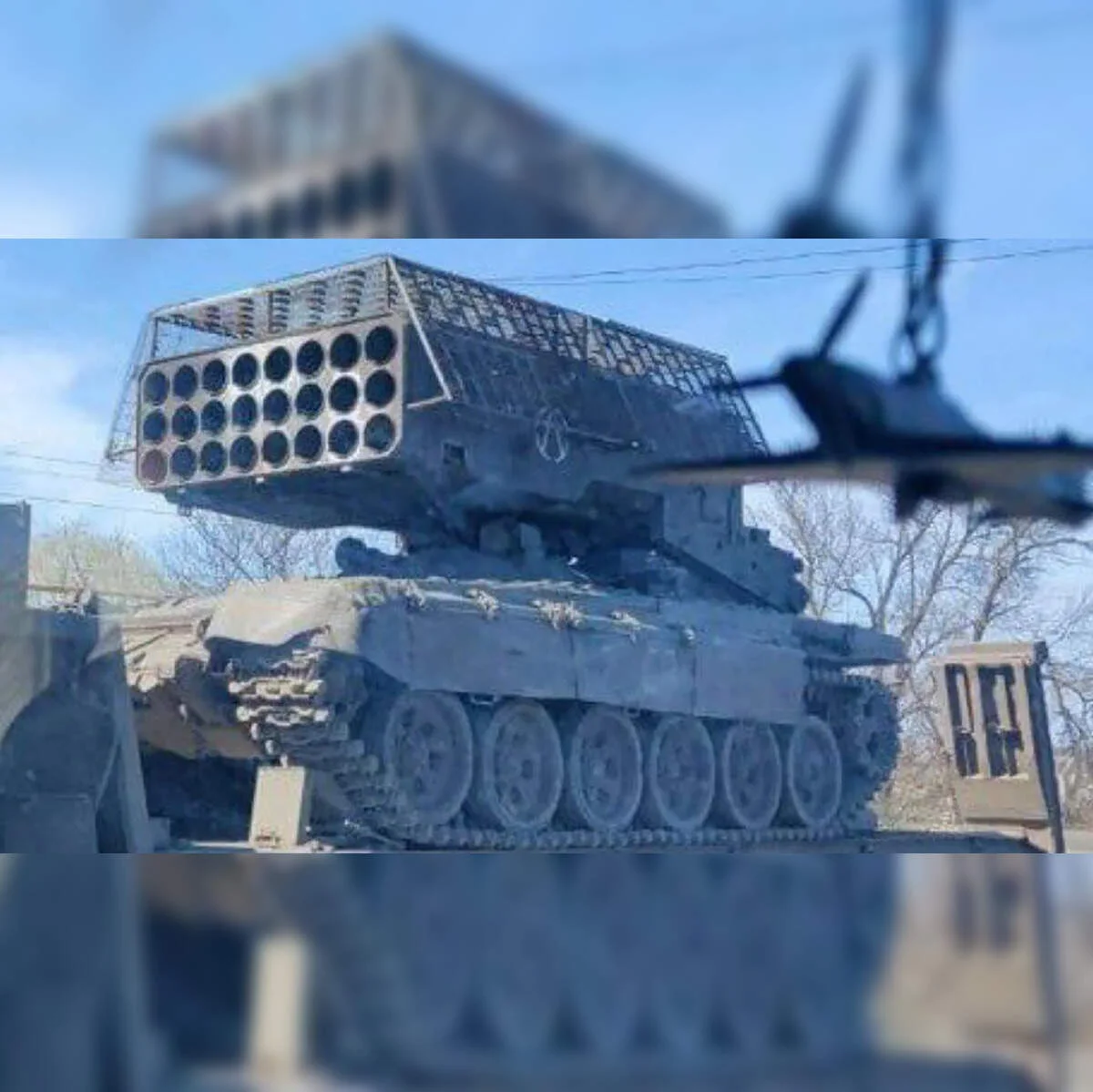
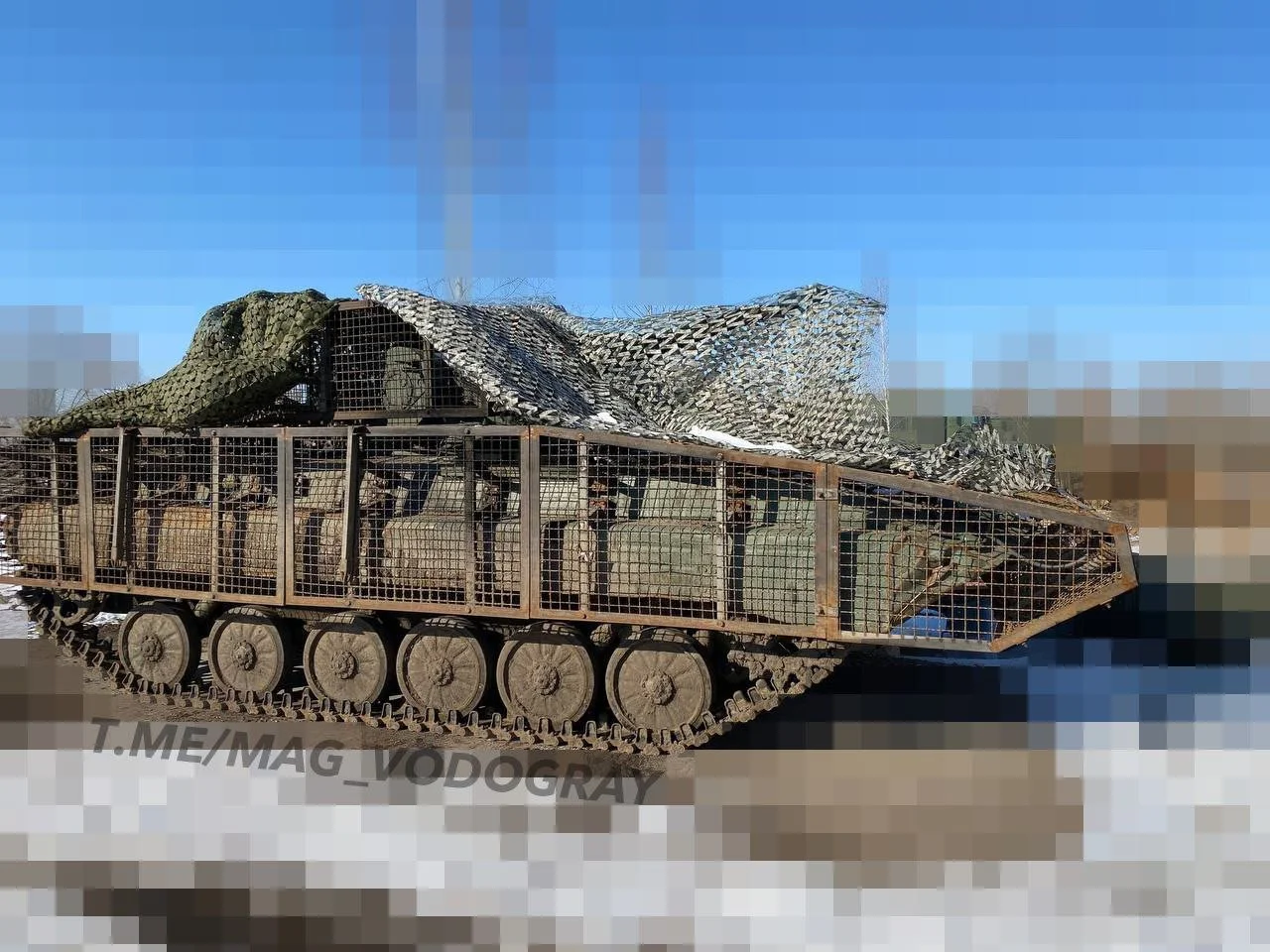
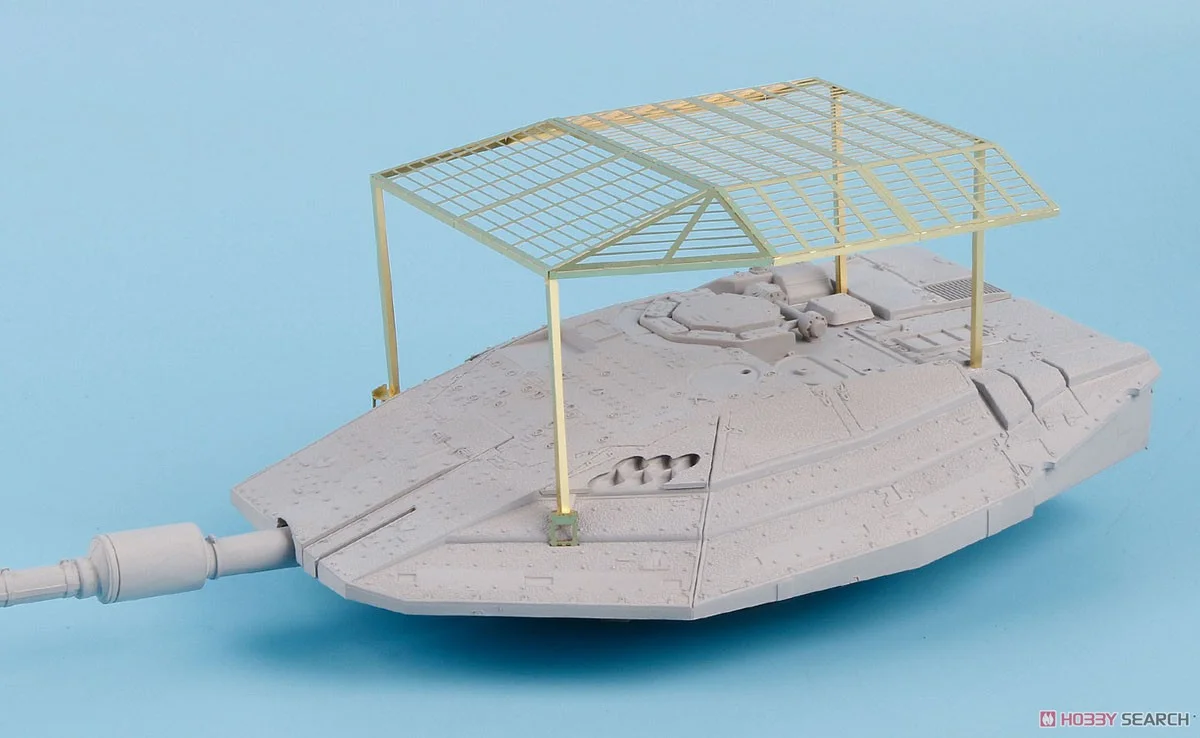
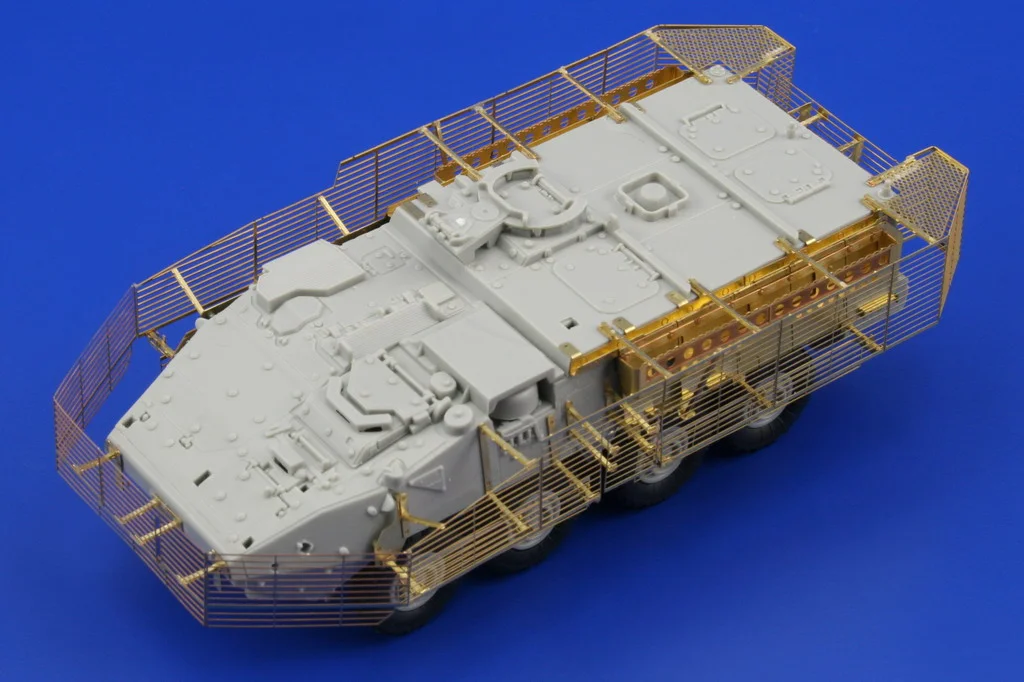
- FPV drones: Typically requires cage-style standoff armor with steel bars or mesh
- RPGs and shaped charges: Needs slat armor or bar armor at specific standoff distances
- Small arms fire: Requires ballistic-rated steel plate of appropriate thickness
- Artillery fragments: Combination of standoff armor and spall liners
Referencing STANAG levels (e.g., STANAG 4569 Level 3 or 4) helps fabricators understand the ballistic protection requirements without ambiguity.
Quantity and Delivery Timeline
Quantity and delivery expectations significantly impact pricing. Provide:
- Number of units: Single vehicle, fleet (5-20), or large batch (20+)
- Production volume: Prototype only, low-rate initial production, or full-rate production
- Required delivery date: Realistic timeline considering material procurement and fabrication lead times
- Delivery location: Domestic or international shipping (impacts export documentation requirements)
Larger quantities typically reduce per-unit costs through economies of scale in material purchasing and production setup.
How Much Does Armor Fabrication Cost?
Armor fabrication cost varies widely based on project complexity, materials, and quality requirements. Below are typical price ranges for common armor projects.
Cost Breakdown by Project Type
Prices are estimates and may vary based on specific requirements, material costs, and market conditions:
| Project Type | Typical Price Range | Notes |
|---|---|---|
| Simple cope cage (single MBT) | $8,000 - $15,000 | Basic design, standard AR500 steel |
| Heavy cope cage (Leopard 2, Abrams) | $15,000 - $30,000 | Larger structure, thicker materials |
| Welded armor cage kit (IFV/APC) | $12,000 - $25,000 | Modular design, quick-install system |
| Slat armor package (BMP-class) | $6,000 - $12,000 | Standard slat design, weld-on mounting |
| Full anti-drone cage system (tank) | $18,000 - $40,000 | Complex design, multiple panels, NDT |
| Fleet armor package (10 vehicles) | $50,000 - $180,000 | Per-unit discount, batch production |
These prices typically include materials, fabrication, basic documentation, and standard surface treatment. Additional costs may apply for engineering design, NDT, special coatings, export documentation, and shipping.
Factors That Affect Armor Fabrication Quote Price
Multiple factors influence the final armor fabrication quote price. Understanding these elements helps you evaluate quotes and identify where costs can be optimized. We break down the four main cost drivers below.
Material Costs
Armor steel is the largest single material cost component. Key material cost factors:
- Steel grade: AR500 costs more than AR400; specialty ballistic alloys cost even more
- Plate thickness: Thicker plates require more raw material and are slower to cut and weld
- Material sourcing: Locally sourced steel is cheaper than imported specialty grades
- Volume discounts: Buying material for multiple units reduces per-unit cost
- Certification: Mill-tested and certified steel costs more than uncertified material
Material costs typically account for 30-40% of the total armor fabrication quote. Additional materials like welding consumables, fasteners, hinges, and paint add 5-10% more to the total.
Design and Engineering Fees
Projects requiring custom engineering and design work include additional fees for:
- CAD modeling: Creating 3D models and 2D manufacturing drawings from reference material
- Finite element analysis (FEA): Simulating ballistic impacts and structural loads
- Design iteration: Multiple revision cycles to optimize the design before fabrication
- Installation documentation: Creating step-by-step installation guides and diagrams
Engineering fees typically range from $1,000 to $5,000 depending on design complexity. Many fabricators waive design fees for larger production orders.
Fabrication Complexity and Labor
Fabrication labor is the second-largest cost component after materials. Factors affecting labor costs include:
- Weld complexity: Simple fillet welds are faster and cheaper than full-penetration joints
- Number of components: More individual parts means more handling, fitting, and welding time
- Precision requirements: Tighter tolerances require more skilled labor and slower production rates
- Mounting system complexity: Bolt-on vs. weld-on vs. custom bracket systems each have different labor requirements
- Shop location: Labor rates vary significantly between countries and regions
Labor typically represents 25-35% of the total armor fabrication quote. Chinese armor fabrication shops often offer competitive labor rates while maintaining MIL-STD quality, making them attractive for cost-sensitive projects.
Quality Control and Certification Costs
Quality assurance adds costs but is essential for defense-grade armor. QC-related costs include:
- WPS qualification: Developing and certifying weld procedures for specific material-thickness combinations
- Welder certification: Maintaining current welder qualifications for armor steel
- NDT inspection: Ultrasonic, magnetic particle, and radiographic testing of welds
- Third-party inspection: Independent quality verification by classification societies or customer representatives
- Documentation package: Compiling material certs, NDT reports, and certificates of conformance
QC and certification costs typically add 5-15% to the base fabrication price, depending on the inspection level required.
How Long Does It Take to Get an Armor Fabrication Quote?
The time required to receive an armor fabrication quote depends on the complexity of your request and the fabricator workload:
| Request Type | Quote Timeline | Conditions |
|---|---|---|
| Simple well-defined project with drawings | 3-5 business days | Standard materials existing designs |
| Moderate complexity with reference material | 5-10 business days | Needs some engineering review |
| Complex custom design from concept only | 10-15 business days | Requires full engineering effort |
| Fleet project with multi-unit production | 10-20 business days | Production planning and material sourcing |
To speed up the quoting process provide as much information as possible in your initial request. Complete vehicle specifications clear threat requirements and existing reference drawings can cut quote preparation time significantly.
Which Companies Provide Armor Fabrication Quotes?
Several types of companies provide armor fabrication quotes for military and defense applications:
- Specialized armor fabrication shops: Companies like Dengtai Industrial that focus exclusively on military armor and cope cage fabrication. These shops offer the deepest expertise in armor steel welding and MIL-STD quality systems.
- Heavy steel fabrication companies: General steel fabricators with military capabilities. They may have broader capacity but less specialized armor experience.
- OEM armor manufacturers: Original equipment manufacturers that produce armor systems for defense contractors. They typically require larger minimum order quantities.
- Chinese armor fabrication specialists: Companies based in China offering competitive pricing with ISO 3834 and AWS D1.1 certifications. They provide cost advantages in labor and materials while maintaining quality standards.
When choosing a fabricator evaluate their certifications (ISO 3834 AWS D1.1 MIL-STD) previous armor projects export compliance capabilities and communication responsiveness. A company that has fabricated armor for your specific vehicle platform will provide faster and more accurate quotes.
How to Evaluate and Compare Armor Fabrication Quotes
When comparing multiple armor fabrication quotes look beyond the bottom-line price. Evaluate each proposal on these criteria:
- Scope of work: Does the quote include engineering materials fabrication QC documentation coating and shipping? Or are these separate add-ons?
- Material specifications: Are the steel grades specified? Are material certifications included?
- Quality standards: What welding standards NDT methods and quality certifications apply?
- Delivery timeline: Is the lead time realistic? What are the milestones?
- Warranty and support: Does the fabricator offer any post-delivery support or warranty against defects?
- Export compliance: Can the fabricator handle necessary export documentation and ITAR/EAR requirements?
A quote that is significantly lower than competitors may indicate omissions in scope lower quality materials or inadequate QC procedures. Always ask for a detailed breakdown of costs and deliverables to make an apples-to-apples comparison.
Conclusion
Getting an accurate armor fabrication quote requires preparation clear communication and understanding of the cost drivers. By providing complete vehicle specifications threat requirements and reference documentation you enable fabricators to give you accurate competitive quotes.
Remember that the cheapest quote is not always the best value. Evaluate scope quality certifications and delivery timelines alongside price. A reputable armor fabrication partner will provide transparent pricing detailed scope documentation and references from completed projects.
If you are planning an armor fabrication project and need a competitive quote contact Dengtai Industrial with your vehicle specifications and requirements. Our team of armor fabrication specialists will provide a detailed itemized quote within 5-7 business days.