Introduction
When it comes to constructing protective cope cages for military vehicles, bunkers, and security perimeters, the cope cage material steel grade you choose directly determines the level of protection, weight, weldability, and overall cost of the structure. Selecting the wrong grade can compromise ballistic resistance or add unnecessary weight that hinders mobility. This comprehensive guide walks through every factor you need to evaluate — from armor steel alloys and thickness specifications to fabrication techniques and sourcing from reliable armor steel manufacturers.
Whether you are a defense contractor, a procurement officer, or a fabrication shop exploring armor metal fabrication for the first time, understanding how cope cage material steel grade interacts with threat levels, weight budgets, and welding processes is essential. In this article, we cover the most common grades used in cope cage armor, compare AR400 vs AR500, examine the role of steel thickness in ballistic protection, and answer the critical question of whether mild steel can ever be a viable option.
Understanding Cope Cage Material Steel Grade Selection
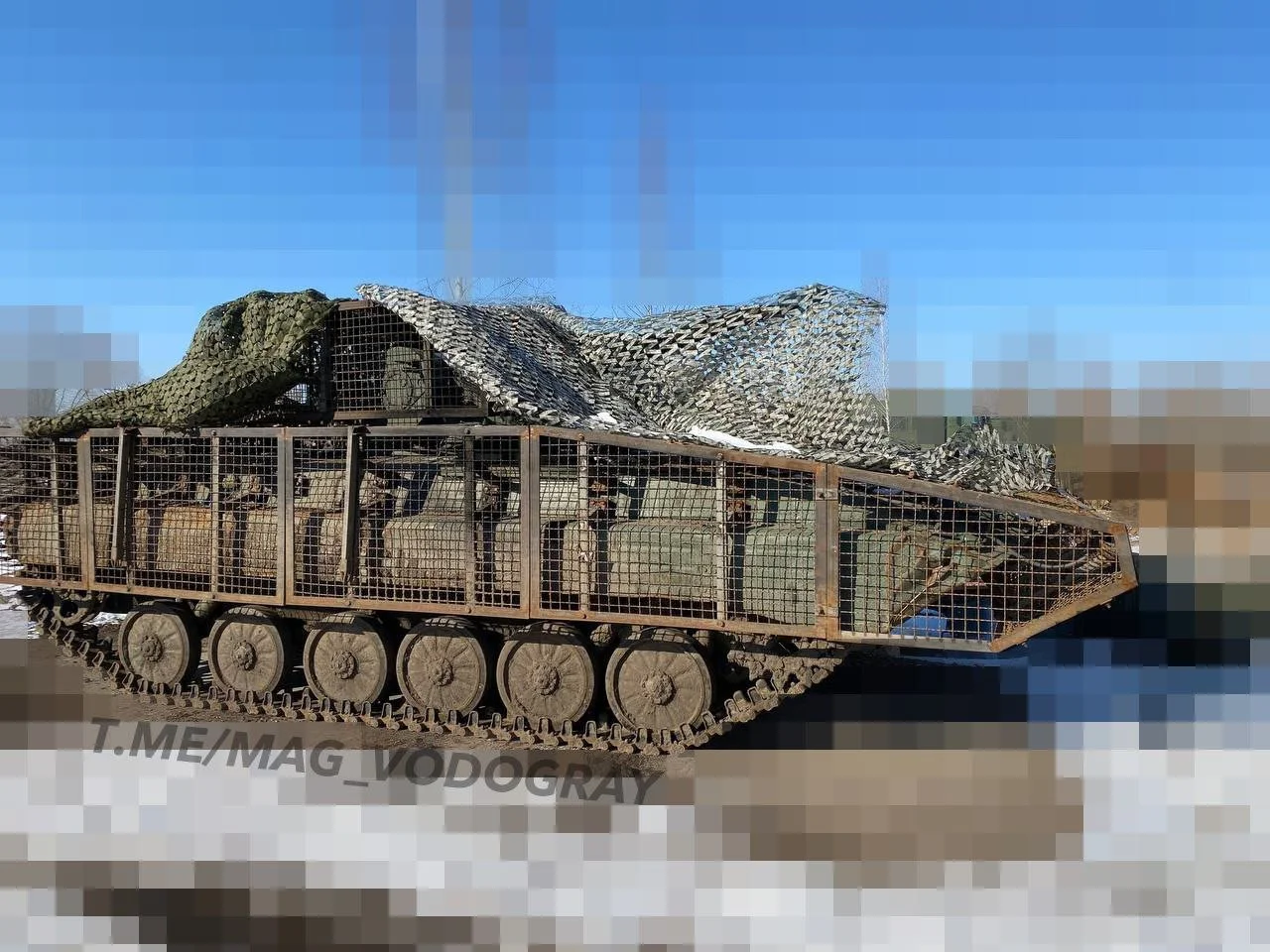
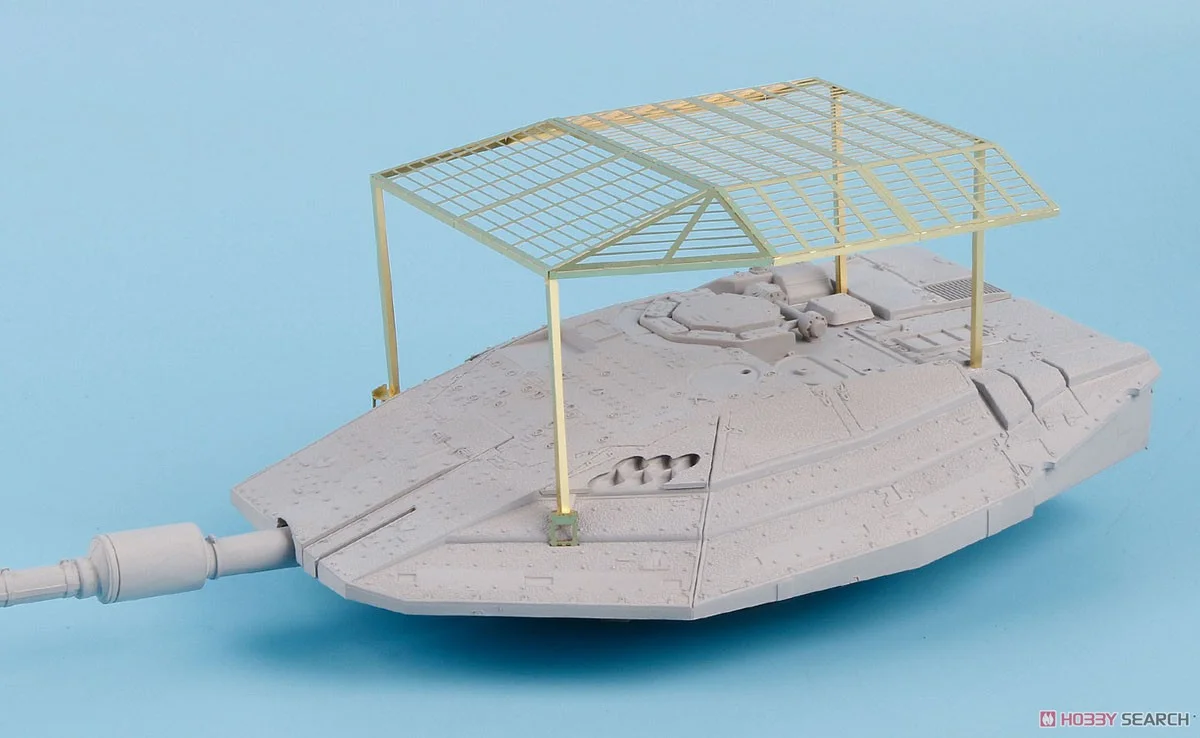
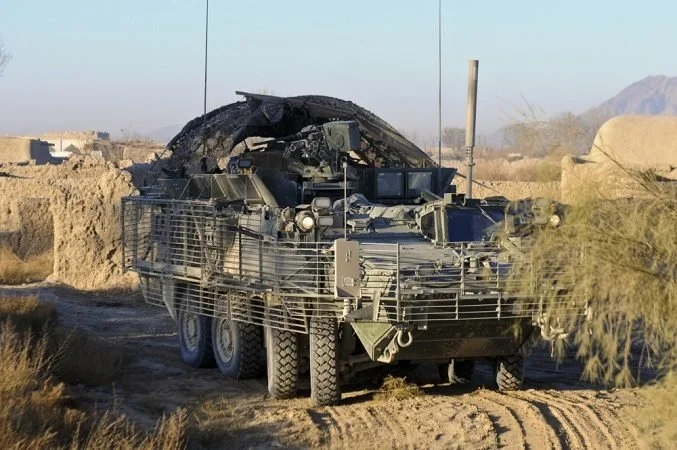
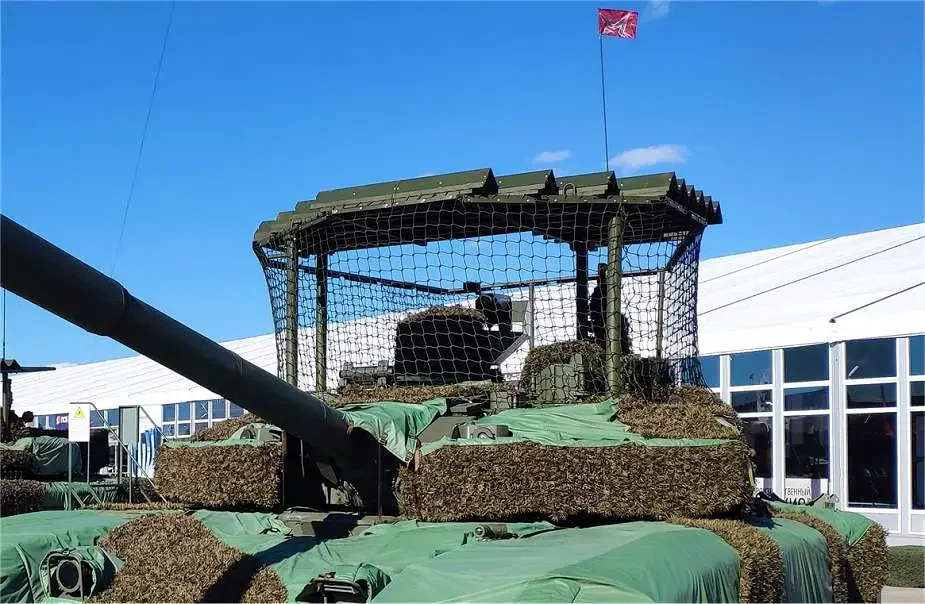
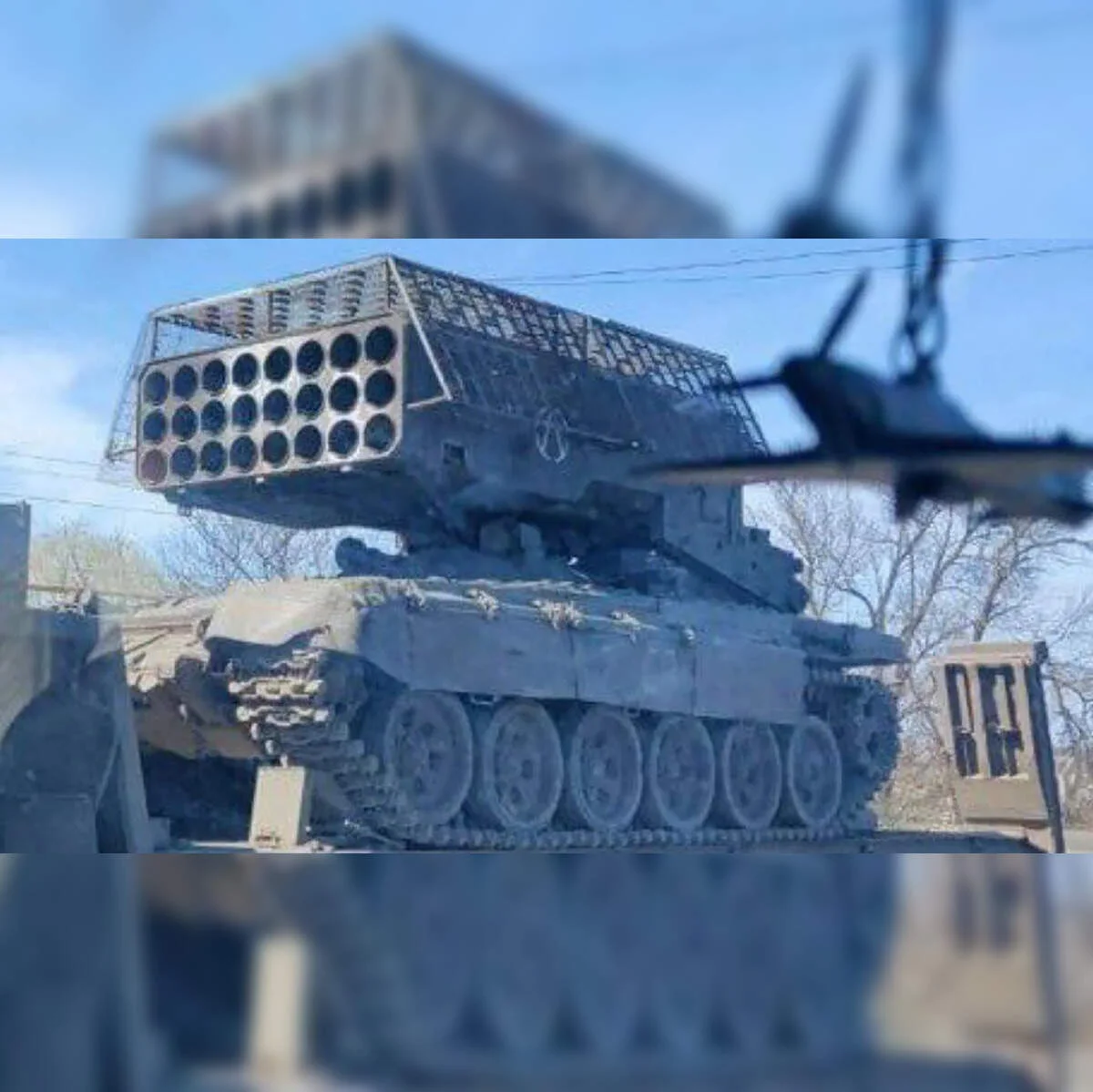
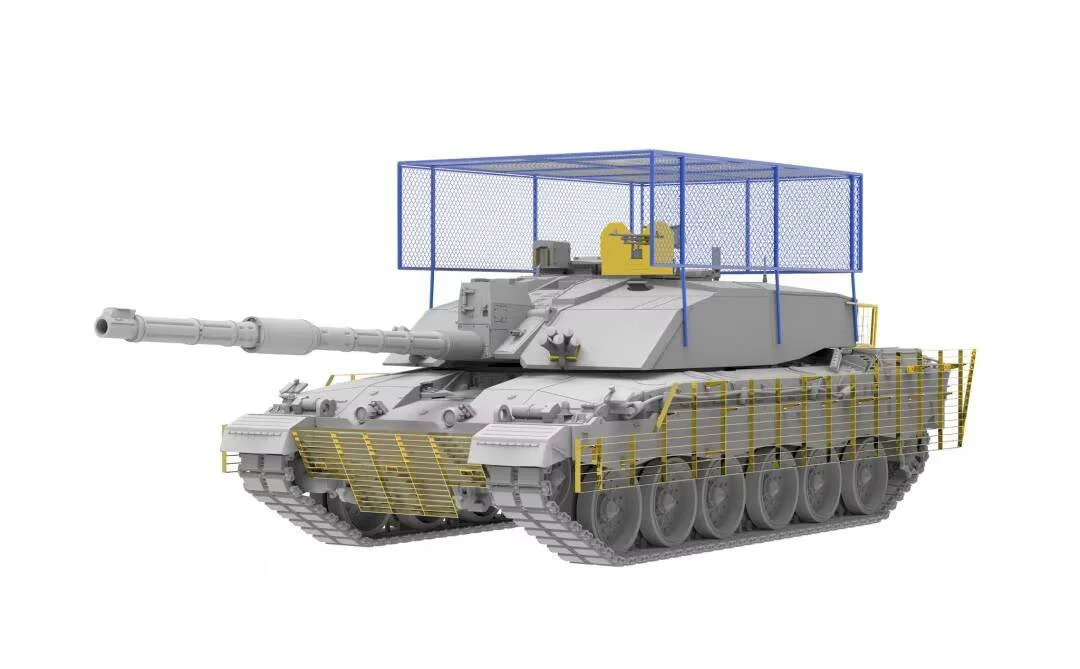
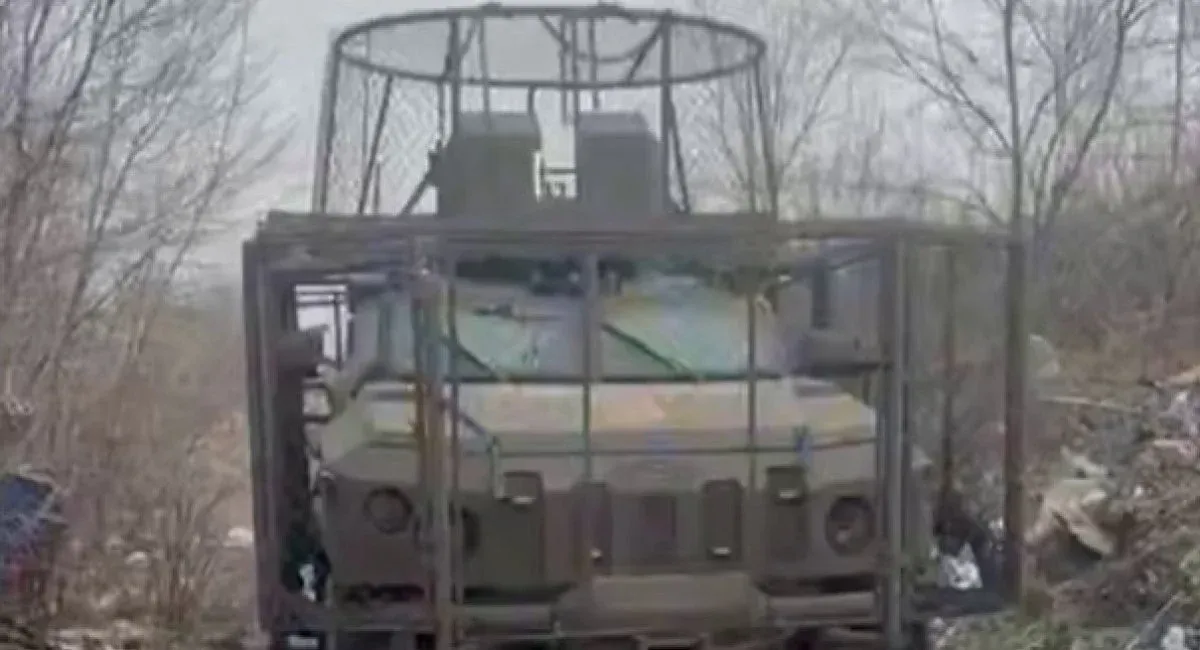
The term cope cage material steel grade refers to the specific type and classification of steel used to fabricate the protective grid or armor structure commonly installed on military vehicles, checkpoints, and critical infrastructure to defend against drone strikes, RPG attacks, and small-arms fire. Unlike structural steel used in construction, cope cage steel must balance hardness, toughness, and ductility to absorb high-velocity impacts without shattering or spalling.
Several factors influence the selection of the right steel grade for a cope cage application:

- Threat Level: The expected ballistic threat (7.62mm, 12.7mm, RPG fragments, drone-dropped munitions) dictates both the grade and thickness required.
- Weight Constraints: Military vehicles have strict payload limits; heavier steel provides more protection but reduces mobility and fuel efficiency.
- Weldability: Armor steel grades require special welding procedures, preheating, and filler materials. Some high-hardness grades are difficult to weld in field conditions.
- Cost and Availability: Standard AR grades are widely available from armor steel manufacturers, while proprietary military-spec steels may require special ordering and longer lead times.
- Environmental Conditions: Corrosion resistance, extreme temperature performance, and fatigue life under vibration all play a role in grade selection for cope cages deployed in desert, maritime, or arctic environments.
Understanding how these factors interplay is the foundation of effective armor metal fabrication for cope cage applications. The following sections break down each consideration in detail.
Common Steel Grades for Cope Cage Armor Fabrication
Several steel grades are commonly specified for cope cage armor fabrication. The choice depends on the required ballistic protection level, fabrication capability, and budget. Below are the most widely used grades in the defense and security industries.
| Steel Grade | Hardness (HBW) | Typical Thickness | Applications |
|---|---|---|---|
| AR400 | 360–440 | 6–20 mm | Vehicle underbody armor, light cope cages |
| AR500 | 460–540 | 8–25 mm | Ballistic cope cages, checkpoint barriers |
| AR600 | 550–650 | 10–30 mm | High-threat military cope cages |
| MIL-SPEC (MIL-A-46100) | 470–540 | 6–25 mm | U.S. military armored vehicle platforms |
| Hardox 450/500 | 425–540 | 6–25 mm | European military cope cage applications |
| BISPLATE 80/100 | 360–500 | 6–30 mm | Australian defense armor structures |
| Mild Steel (A36/SS400) | 120–180 | 10–40 mm | Training structures, non-ballistic cages |
Each of these grades has distinct advantages and trade-offs. AR-series (Abrasion Resistant) steels are the most commonly used for cope cage work because they offer an excellent balance of hardness, toughness, and weldability. The number in the grade name indicates the nominal Brinell hardness — for example, AR500 has a target hardness of approximately 500 HBW. Higher hardness generally means better ballistic resistance but reduced ductility and greater difficulty in welding and forming.
AR400 vs AR500 Steel for Cope Cages
One of the most frequent questions in cope cage fabrication is whether to use AR400 or AR500 steel. Here is a practical comparison:
- Ballistic Performance: AR500 offers approximately 15–25% better ballistic resistance than AR400 at the same thickness. AR500 can stop 7.62×51mm NATO M80 ball rounds at 12–15 mm thickness, while AR400 typically requires 16–20 mm for equivalent protection.
- Weight: Because AR500 achieves equivalent protection at a lower thickness, a cope cage made from AR500 can be 15–20% lighter than an AR400 cage with the same stopping power. This weight saving is critical for vehicle-mounted cope cages.
- Weldability: AR400 is easier to weld and form than AR500. AR500 requires stricter preheating (typically 150–200°C), controlled interpass temperatures, and hydrogen-controlled welding consumables. In field repair conditions, AR400 is more forgiving.
- Cost: AR400 is generally 10–20% less expensive per ton than AR500. For large cope cage installations where weight is less of a concern (e.g., fixed checkpoints), AR400 can provide significant cost savings.
- Spalling and Backface Deformation: AR500 tends to have less backface deformation on impact, which reduces the risk of secondary injuries behind the armor. However, AR500 can be more prone to through-thickness cracking if welded improperly.
For most cope cage applications, AR500 is the recommended choice when ballistic protection is the primary concern and the fabrication shop has the capability to handle high-hardness steel welding. AR400 is a solid alternative for non-critical areas, budget-constrained projects, or applications where weldability in field conditions is paramount.
How Steel Thickness Affects Cope Cage Protection
Steel thickness is one of the two primary variables — along with material grade — that determine a cope cage's protective capability. The relationship between anti drone cage armor steel thickness and ballistic resistance follows a proven formula: doubling the thickness roughly doubles the mass but increases protection exponentially against certain threat types.
Here is how thickness interacts with different threat levels for typical cope cage steel grades:
| Threat | AR400 Required Thickness | AR500 Required Thickness |
|---|---|---|
| 7.62x39mm (AK-47) | 10–12 mm | 8–10 mm |
| 7.62x51mm NATO (M80) | 16–20 mm | 12–15 mm |
| 12.7x99mm (.50 BMG) | 30–40 mm | 25–35 mm |
| Drone-dropped munitions (frag) | 8–12 mm | 6–10 mm |
| RPG-7 fragments | 16–20 mm | 12–16 mm |
Key principles of thickness selection for cope cages:
- Weight penalty: Every millimeter of additional steel thickness adds approximately 7.85 kg per square meter. For a typical vehicle cope cage covering 8–12 m², a jump from 10 mm to 16 mm thickness adds 375–565 kg of weight — a significant payload impact.
- Overmatching: If the steel is too thin relative to the threat, the projectile can overmatch the armor, penetrating even a high-hardness grade. Thickness must always be verified against the specific threat's penetration capability.
- Efficiency curves: There is a point of diminishing returns where adding thickness provides minimal additional protection. This typically occurs above 25 mm for most small-arms threats, where the weight penalty outweighs the marginal ballistic gain.
- Multi-hit capability: Thicker steel naturally provides better multi-hit performance because the structural integrity is maintained after impacts. Thin armor may crack or spall after a single hit, compromising adjacent areas.
When specifying anti drone cage armor steel thickness, it is important to consider the most likely threat scenarios. Drone-dropped munitions typically produce fragmentation effects rather than direct penetration, so moderate thickness (8–12 mm) of AR500 steel is often sufficient to contain blast fragments while keeping the cope cage weight manageable for vehicle mounting.
Minimum Yield Strength and Hardness Requirements
One of the most important technical specifications for cope cage steel is yield strength — the stress level at which the steel begins to deform plastically. For armor-grade steel used in cope cage fabrication, the minimum yield strength requirement varies by application but generally follows these guidelines:
- General cope cage structures (non-ballistic): Minimum 250 MPa yield strength (typical of structural steel grades like A36). This is only suitable for anti-climb or barrier applications that do not face ballistic threats.
- Light ballistic cope cages (small arms up to 7.62x39mm): Minimum 650–800 MPa yield strength. AR400-grade steel with approximately 700–900 MPa yield strength is the baseline.
- Medium ballistic cope cages (7.62x51mm NATO threats): Minimum 1,000–1,200 MPa yield strength. AR500-grade steel (1,100–1,300 MPa) is the standard choice.
- Heavy ballistic cope cages (12.7mm and RPG threats): Minimum 1,200–1,500 MPa yield strength, typically achieved with AR600 or military-spec armor steels.
Hardness is equally important. In armor steel, hardness directly correlates with ballistic resistance. The Brinell hardness scale (HBW) is the industry standard for classifying armor steel. Here are the minimum hardness requirements for cope cage applications:
- Anti-ricochet / fragment containment: 300–360 HBW — suitable for inner spall liners and non-critical cope cage sections.
- Primary ballistic cope cage armor: 400–500 HBW — AR400 to AR500 range, the most common specification for vehicle and fixed-position cope cages.
- High-threat response cope cages: 500–600+ HBW — AR500+, Hardox 500, or MIL-A-46100 class steels for maximum protection against armor-piercing threats.
It is important to note that yield strength alone does not determine ballistic performance. A steel could have high yield strength but low toughness, making it brittle and prone to cracking on impact. The ideal cope cage material combines high yield strength with adequate Charpy V-notch impact toughness (typically 20–40 J at -40°C for cold-weather deployments). This balance between strength and toughness is what distinguishes true armor steel from standard high-strength structural steel.
Dengtai ensures all cope cage steel grades meet or exceed these minimum requirements, with full material certifications provided for every batch.
Can Mild Steel Be Used for Cope Cage Fabrication?
A common question among budget-conscious buyers and new fabrication shops is whether mild steel (such as A36, SS400, or S275JR) can be used for cope cage fabrication. The short answer is: yes, but only for non-ballistic applications.
Mild steel has a Brinell hardness of only 120–180 HBW and a yield strength of 250–350 MPa — roughly one-third to one-quarter the hardness of AR400 or AR500 armor steel. Here is what this means for cope cage performance:
| Property | Mild Steel (A36) | AR400 / AR500 |
|---|---|---|
| Brinell Hardness (HBW) | 120–180 | 360–540 |
| Yield Strength (MPa) | 250 | 700–1,300 |
| Ballistic Resistance | Very Poor | Excellent |
| Weldability | Excellent | Requires special procedures |
| Formability | Excellent | Limited (springback, cracking) |
| Cost per ton | Low | Moderate to High |
| Weight for same protection | 2.5–3x heavier | Baseline |
When mild steel might be acceptable:
- Anti-climb cages or barriers where ballistic protection is not required
- Training mock-ups and non-operational demonstration structures
- Inner structural framing that is backed by primary armor plates
- Temporary perimeter fencing in low-threat environments
When mild steel must not be used:
- Any cope cage facing live-fire ballistic threats (bullets, shrapnel, explosives)
- Vehicle-mounted armor that must stop military-grade ammunition
- Checkpoints or guard posts in active conflict zones
- Drone protection systems where fragmentation containment is required
The reason mild steel fails as cope cage armor is not lack of strength per se — a thick enough mild steel plate can stop a bullet — but rather the catastrophic failure mode. When a projectile hits mild steel, the material deforms drastically, creating large backface bulging that can injure personnel behind the armor. The steel also spalls, sending fragments flying at high velocity. Armor steel, by contrast, distributes impact energy more evenly and contains spall fragments.
For any application where human life depends on the cope cage performing as expected, mild steel is not a viable substitute for proper armor steel. The small upfront cost saving is never worth the risk of catastrophic armor failure.
Military Steel Specifications for Cope Cage Armor
Military organizations worldwide have established formal specifications for armor steel used in defensive structures, including cope cages. Understanding these specifications is essential when working under defense contracts or NATO procurement frameworks.
Key military steel specifications relevant to cope cage armor:
MIL-A-46100 (United States)
This is the most widely referenced U.S. military specification for wrought armor steel plate. It covers steel with a hardness range of 470–540 HBW, comparable to AR500. MIL-A-46100 requires strict chemical composition limits, controlled rolling practices, and Charpy V-notch impact testing at -40°F (-40°C). Cope cages fabricated to this spec must undergo documented welding procedure qualification and preheat verification.
MIL-A-12560 (United States)
An older but still referenced specification for homogeneous armor steel. It covers a broader hardness range (300–500 HBW) and is sometimes used for lighter cope cage applications or non-critical armor components. MIL-A-12560 steel is more weldable than MIL-A-46100 but provides less ballistic protection per unit thickness.
STANAG 4569 (NATO)
While not a material specification per se, STANAG 4569 defines protection levels for military vehicles and their add-on armor including cope cages. Level 1 (handgun protection) through Level 5 (heavy machine gun and cannon fragments) each specify the projectile type, velocity, and required penetration resistance. Cope cage material selection must be verified against the specific STANAG 4569 level required by the contract.
DEF-STAN 95-24 (United Kingdom)
The British equivalent of MIL-A-46100, covering armor plate for military applications. It specifies hardness of 477–534 HBW with strict limits on sulfur and phosphorus content to ensure weldability. DEF-STAN armor is commonly used in UK and Commonwealth military cope cage programs.
GOST R 50963 (Russia / CIS)
For cope cages manufactured in or for CIS markets, this specification defines armor classes similar to Western standards. The steel typically has hardness of 450–540 HBW with specialized chemical compositions optimized for cold-weather toughness.
When procuring materials for military cope cage contracts, it is essential to request material test certificates (MTCs) that verify compliance with the applicable military specification. Reputable armor steel manufacturers provide full traceability from melt through final inspection, including hardness verification, chemical analysis, and ballistic testing where required.
How to Select the Right Material Grade for Cope Cage Manufacturing
Selecting the right material grade for cope cage manufacturing requires a systematic evaluation of operational requirements, fabrication constraints, and budget. Here is a practical step-by-step framework to guide your decision:
Step 1: Define the Threat Spectrum
List the specific threats the cope cage must withstand. Is it small-arms fire only, or does it need to resist armor-piercing rounds, RPG fragments, or drone-dropped munitions? Each threat dictates a minimum combination of hardness and thickness. Create a threat matrix and identify the most demanding scenario — this becomes your design basis.
Step 2: Determine Weight and Space Budget
For vehicle-mounted cope cages, every kilogram matters. Work with the vehicle payload specifications to determine the maximum allowable armor weight. This weight budget directly constrains both the steel grade and thickness. If weight is tight, higher-grade steel (AR500 vs AR400) allows thinner plates with equivalent protection.
Step 3: Assess Fabrication Capability
Evaluate your fabrication shop's ability to work with high-hardness armor steel. Key questions include:
- Does the shop have experience with armor steel welding and fabrication?
- Are preheating furnaces or induction heaters available for pre-weld and post-weld treatment?
- Can the shop perform plasma or laser cutting of high-hardness plate without introducing heat-affected zone cracks?
- Are controlled cooling procedures in place to prevent hydrogen-induced cracking in AR500 and higher grades?
Step 4: Review Material Availability
Consult with armor steel manufacturers to confirm lead times for your chosen grade and thickness. Some military-spec grades require minimum mill runs and may have 8–16 week lead times. Standard AR400 and AR500 are typically stocked by major suppliers. Consider keeping a buffer stock of commonly used sizes for urgent cope cage orders.
Step 5: Perform Cost-Benefit Analysis
Compare the total cost of ownership across candidate steel grades:
| Factor | AR400 | AR500 | MIL-SPEC |
|---|---|---|---|
| Material cost per ton | $ | $$ | $$$ |
| Fabrication cost | Low | Medium | High |
| Weight penalty | Higher | Lower | Lowest |
| Lifecycle durability | Good | Excellent | Excellent |
| Field repairability | Easy | Moderate | Difficult |
Step 6: Verify with Prototype Testing
Before committing to full production, build a test panel of your chosen cope cage material steel grade and thickness. Subject it to live-fire testing against the specified threats. Measure penetration depth, backface deformation, and spall pattern. Adjust the grade or thickness based on test results before proceeding to series fabrication.
Following this structured selection process ensures that your cope cage delivers the required protection without over-engineering weight or cost. Dengtai offers free technical consultation to help buyers navigate this selection process and identify the optimal material grade for their specific operational requirements.
Armor Metal Fabrication: Welding and Processing Considerations
Armor metal fabrication for cope cages presents unique challenges that differ significantly from standard structural steel fabrication. The high hardness and carbon content of armor steel grades like AR400 and AR500 require specialized welding procedures, cutting methods, and quality control measures.
Welding Armor Steel for Cope Cages
Armor steel welding and fabrication demands strict adherence to qualified welding procedure specifications (WPS). Key requirements include:
- Preheating: AR400 requires preheat of 100–150°C; AR500 requires 150–200°C. Preheating slows the cooling rate after welding, reducing the risk of hydrogen-induced cracking in the heat-affected zone (HAZ).
- Interpass temperature control: The temperature between weld passes must be maintained within a specified range — typically 150–250°C for AR500. Exceeding the maximum interpass temperature can over-temper the base metal, reducing hardness and ballistic performance.
- Filler metal selection: Low-hydrogen consumables (AWS E7018-M or ER120S-1 for higher strength) are mandatory. The filler metal should be strength-matched or slightly under-matched to the base metal for optimal weld integrity.
- Post-weld heat treatment (PWHT): For critical cope cage welds — especially on MIL-SPEC armor — PWHT at 150–200°C for 2–4 hours helps diffuse hydrogen and relieve residual stresses.
Cutting and Forming
Armor steel cannot be cut with standard oxy-fuel torches without degrading the heat-affected edge. Recommended cutting methods for cope cage fabrication include:
- Abrasive waterjet cutting: Produces the highest quality edge without heat-affected zone degradation. Ideal for cope cage panels where edge hardness must be maintained.
- Plasma cutting (underwater or high-definition): Acceptable for most cope cage work, but the heat-affected zone must be ground back 2–3 mm from the cut edge before welding.
- Laser cutting: Suitable for thinner armor plate (up to 12–16 mm) with excellent edge quality.
- Shearing and punching are generally not recommended for armor steel above 400 HBW due to edge cracking risk.
Quality Control and Inspection
Every cope cage weld should undergo visual inspection plus at least one non-destructive testing (NDT) method — magnetic particle inspection (MPI) for surface cracks, and ultrasonic testing (UT) for volumetric defects. Hardness testing of the HAZ should confirm that welding did not reduce the steel below the minimum specified hardness for the threat level.
Fabricators experienced in armor metal fabrication treat each cope cage as a safety-critical structure. A single weld defect can compromise the entire armor system, making rigorous quality control non-negotiable for life-safety applications.
Partnering with Armor Steel Manufacturers
Selecting the right armor steel manufacturers is just as important as selecting the right steel grade. A reliable manufacturer provides more than just material — they offer technical support, material certification, and consistent quality across batches. When evaluating potential suppliers for cope cage armor steel, consider the following criteria:
- Certification and traceability: The manufacturer should provide mill test certificates (MTCs) with full chemical analysis, mechanical properties, and hardness verification for every plate.
- Experience with defense contracts: Manufacturers who regularly supply military-grade armor steel understand the stricter tolerances and documentation requirements.
- Stock availability: Lead times matter for urgent cope cage projects. Look for manufacturers with broad stock profiles in common AR400, AR500, and MIL-SPEC grades and thicknesses.
- Technical support: The best armor steel manufacturers offer welding procedure development assistance, preheat recommendations, and on-site fabrication support for complex cope cage projects.
- Quality consistency: Batch-to-batch consistency in hardness and chemistry is critical. Armor steel from reputable manufacturers typically shows less than ±20 HBW variation across production runs.
Dengtait has established long-term partnerships with leading armor steel manufacturers worldwide, ensuring consistent access to certified armor plate for cope cage production at competitive prices.
Conclusion
Selecting the right cope cage material steel grade is a critical engineering decision that directly impacts the safety, performance, and cost-effectiveness of any armor system. Throughout this guide, we have examined the full spectrum of factors that influence this choice — from the ballistic properties of AR400, AR500, and military-spec steels, to the practical considerations of thickness, yield strength, weldability, and fabrication capability.
To summarize the key takeaways:
- AR500 steel is the recommended all-round choice for most cope cage applications, offering the best balance of ballistic protection, weight efficiency, and cost.
- AR400 steel is a viable alternative for budget-sensitive projects or when field weldability is prioritized over maximum protection.
- Steel thickness must be matched to the specific threat level, with anti-drone fragmentation protection typically requiring 8–12 mm of AR500, while anti-rifle protection may need 12–20 mm.
- Mild steel should never be used for ballistic cope cages — it lacks the hardness and toughness to stop projectiles without catastrophic backface deformation and spalling.
- Military specifications such as MIL-A-46100 and STANAG 4569 provide formal frameworks for material qualification and acceptance testing.
- Professional armor metal fabrication with proper welding procedures, preheating, and quality control is essential to realize the full protective potential of any steel grade.
Whether you are designing a vehicle-mounted cope cage for peacekeeping operations or a fixed-position barrier for critical infrastructure protection, Dengtai has the expertise and material partnerships to support your project. Contact our team to discuss your specific cope cage material steel grade requirements and receive a tailored recommendation with certified pricing.