Introduction to Armor Steel Welding and Fabrication
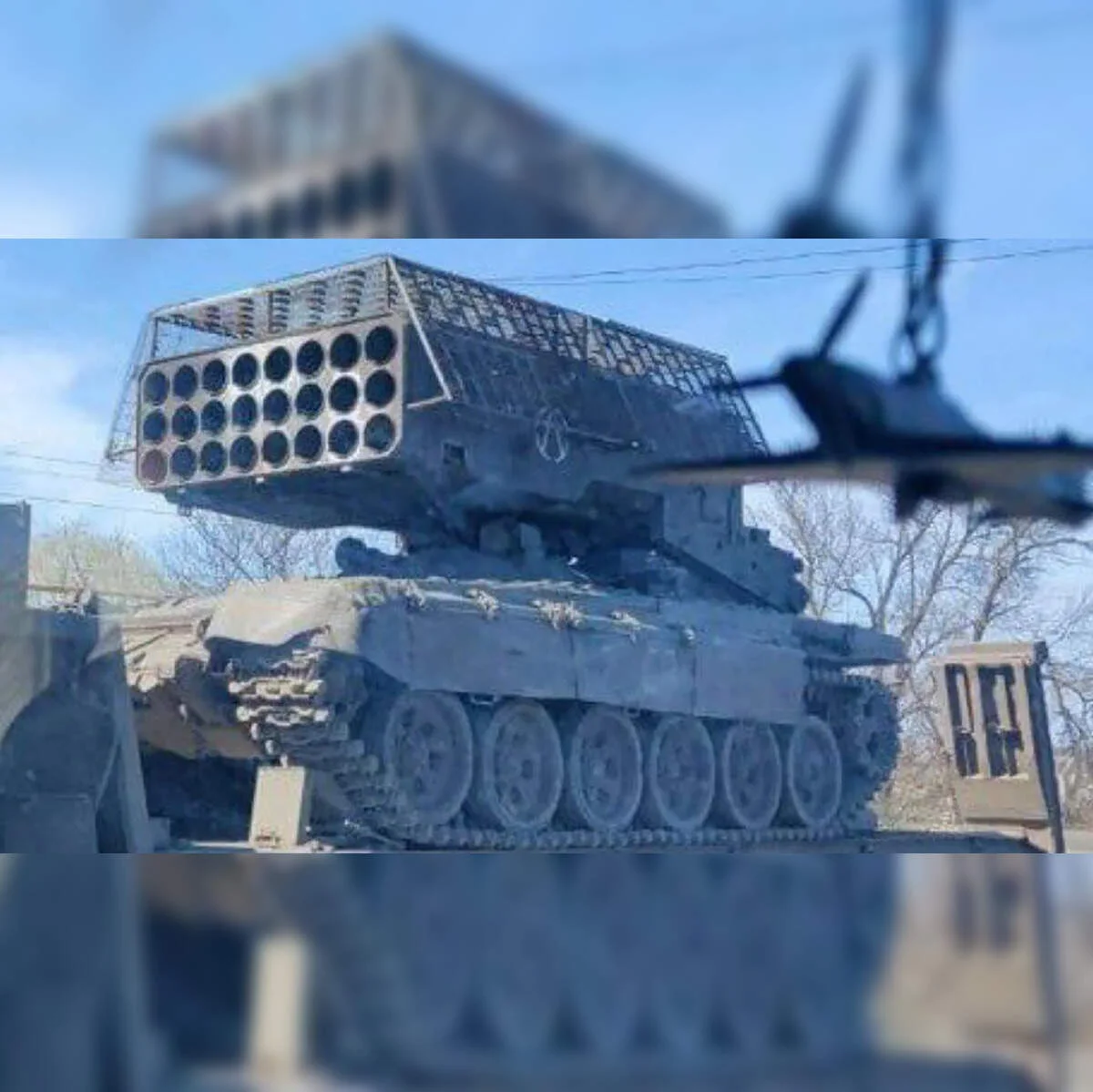
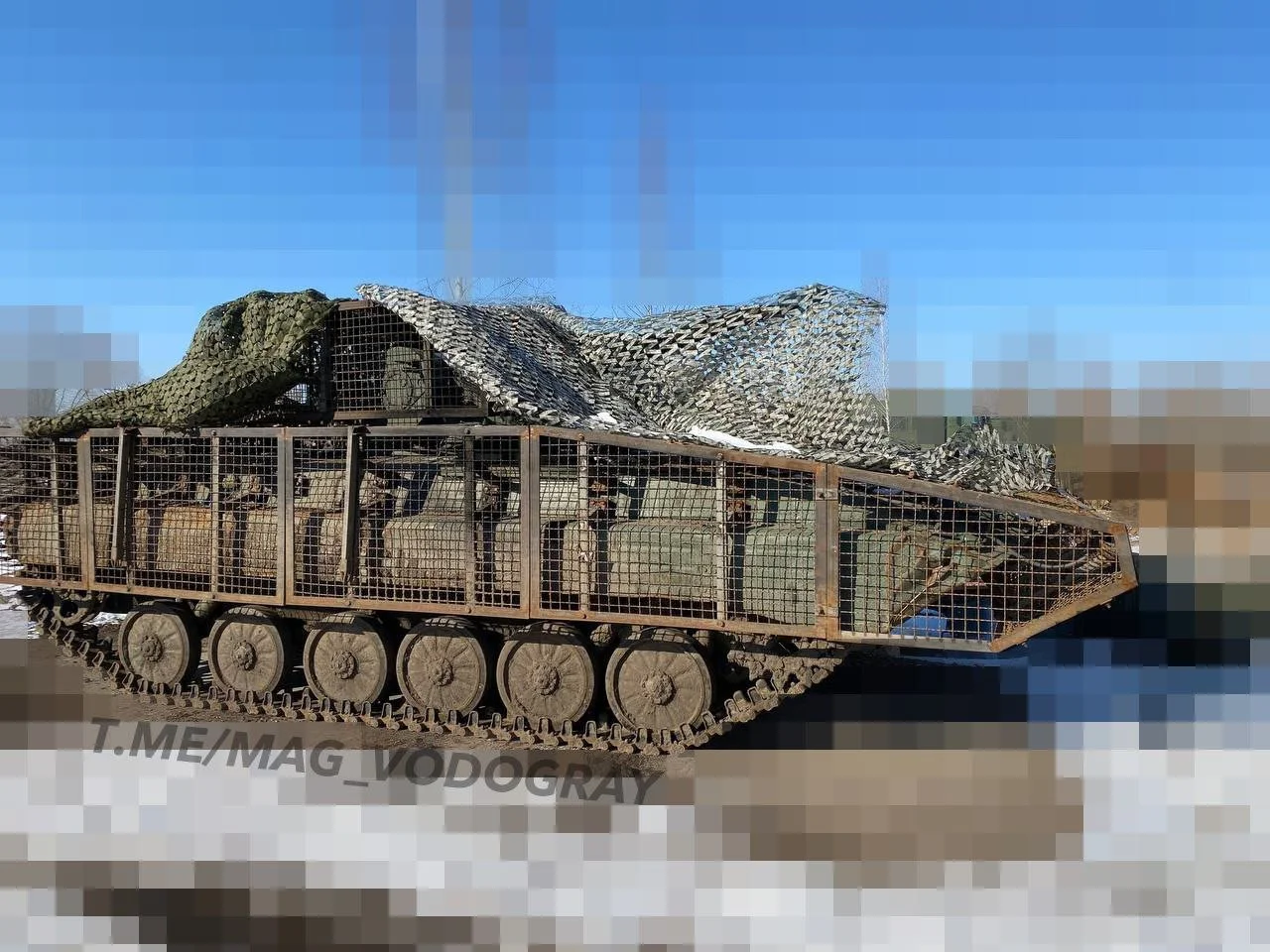
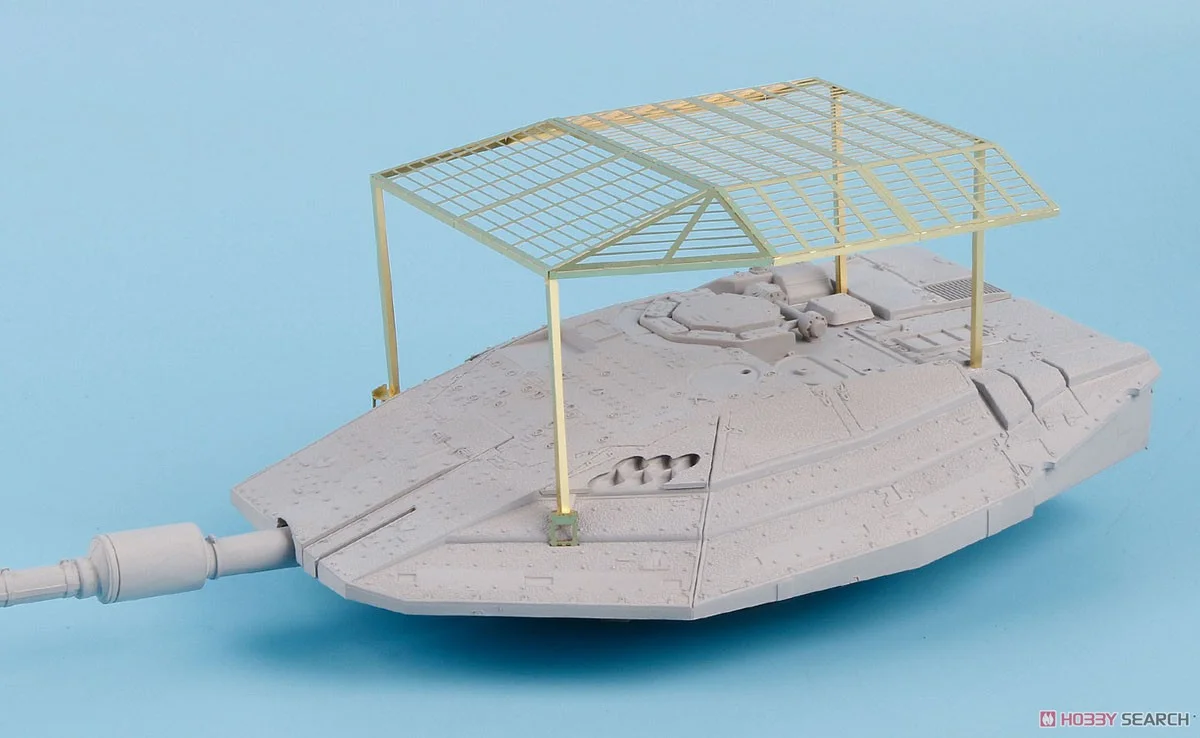
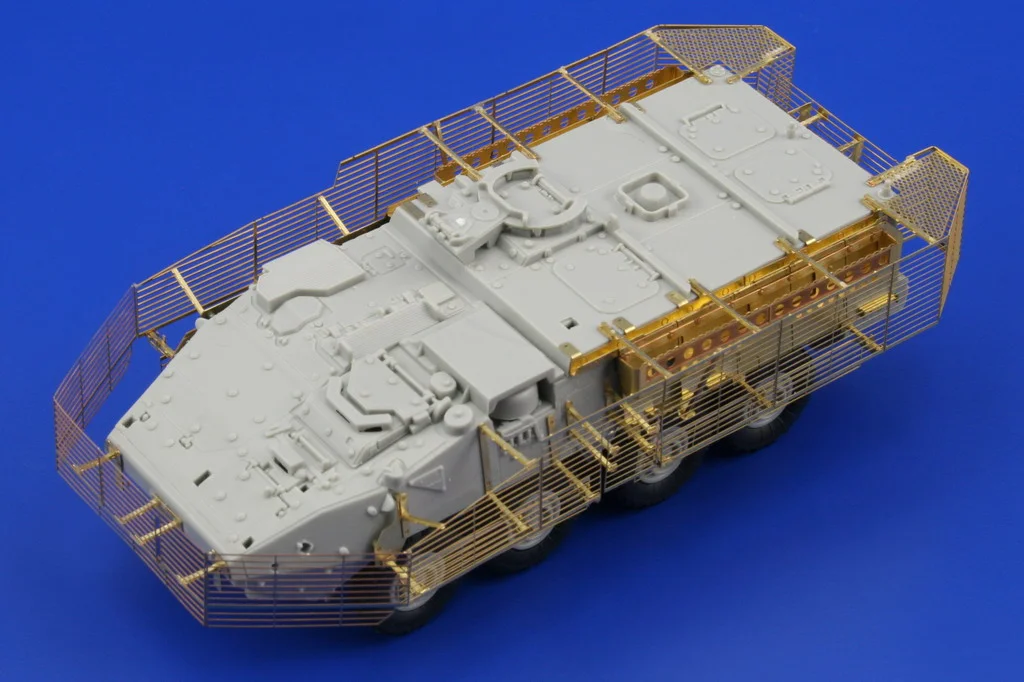
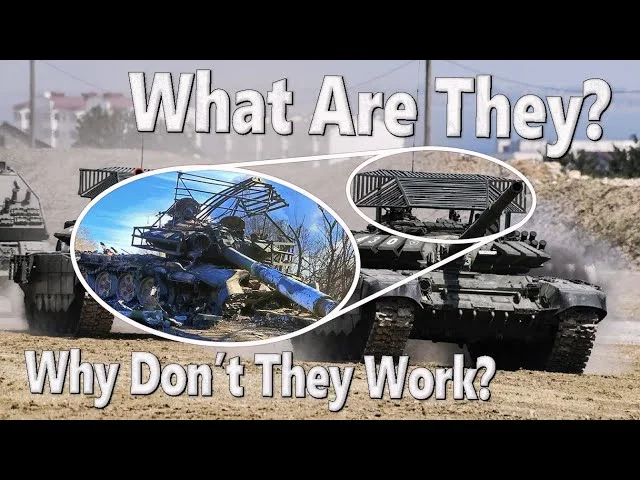
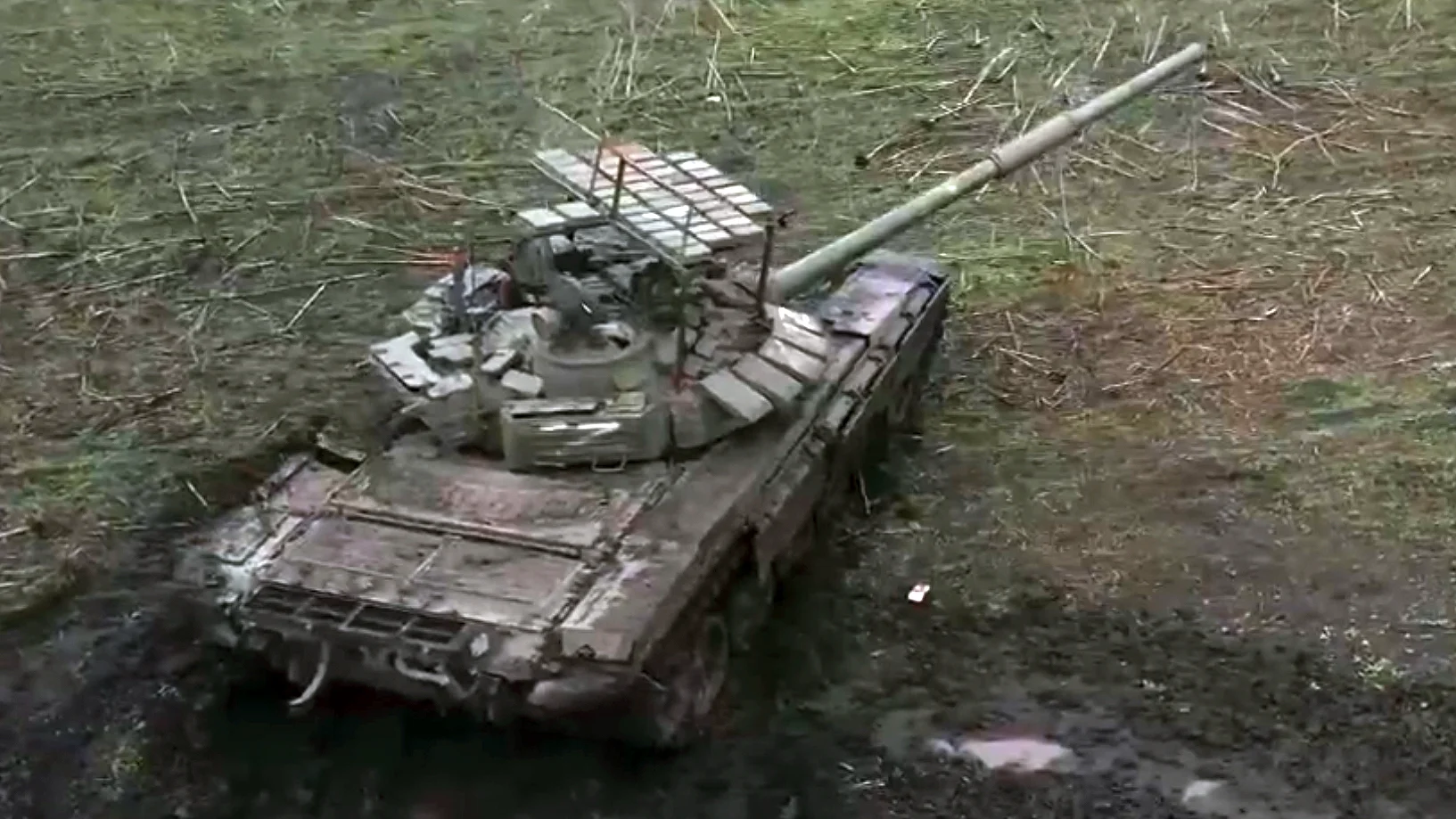
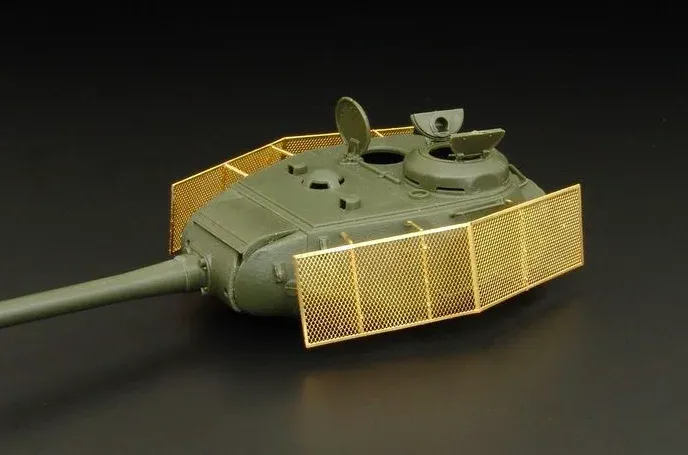
Armor steel welding and fabrication is a specialized discipline that combines metallurgical knowledge with precision welding techniques to produce ballistic-protective structures for military vehicles, naval vessels, and defense installations. Unlike structural steel welding, armor steel presents unique challenges — high carbon content, extreme hardness, and stringent ballistic performance requirements demand controlled heat input, specialized filler materials, and rigorous quality control. Whether you are fabricating a cope cage for tank protection, welding armor plate on an infantry fighting vehicle, or assembling slat armor for convoy trucks, understanding the methods, certifications, and selection criteria for armor steel welding is essential. This guide covers what armor steel welding and fabrication entails, the primary welding methods used, required certifications, how to choose a fabrication partner, and typical cost factors.
What Is Armor Steel Welding and Fabrication?
Armor steel welding and fabrication refers to the processes of cutting, forming, joining, and assembling ballistic-grade steel plates into protective structures. Unlike commercial steel fabrication, armor fabrication must maintain the mechanical properties of the base metal in the heat-affected zone (HAZ) around welds. If the welding process overheats armor steel, it can soften the tempered martensite structure, reducing ballistic resistance by 30% or more in the HAZ.
Key characteristics of armor steel welding include:
- Controlled heat input — Welders must maintain strict heat input limits (typically 15–35 kJ/in depending on steel grade) to prevent softening of the quenched-and-tempered microstructure
- Preheating and interpass temperature control — Armor steels like AR500 and MIL-A-12560 require preheating to 150–300°F (65–150°C) to prevent hydrogen-induced cracking
- Low-hydrogen filler metals — Welding consumables must be low-hydrogen (H4 or H2 classification) to avoid hydrogen embrittlement in the hardened steel
- Post-weld heat treatment (PWHT) — Some armor grades require controlled cooling or stress relief after welding to restore mechanical properties
- NDT verification — Every weld on armor steel must be inspected using ultrasonic or magnetic particle testing to ensure integrity
Armor steel fabrication encompasses more than just welding — it includes CNC plasma cutting, waterjet cutting, drilling, bending, and assembly. The complete fabrication process must be executed under a quality management system that controls every step from material receipt to final inspection.
Key Welding Methods for Armor Steel
What welding methods are used for armor steel? The choice of welding method depends on the armor steel grade, plate thickness, joint configuration, and production volume. The four primary methods used in armor fabrication are discussed below, each with specific advantages and limitations for ballistic steel welding.
The most common welding methods for armor steel include:
| Welding Method | Typical Applications | Heat Input Control | Productivity |
|---|---|---|---|
| GMAW (MIG) | Cope cages, vehicle hulls, slat armor | Good with pulsed spray | High |
| GTAW (TIG) | Thin armor plates, repair welding, root passes | Excellent | Low |
| SMAW (Stick) | Field repairs, thick plates, structural joints | Moderate | Medium |
| FCAW | Heavy fabrication, production welding | Good | Very High |
Each method must be performed using qualified welding procedure specifications (WPS) that have been tested and approved for the specific armor steel grade. Using an unqualified procedure on armor steel risks creating brittle welds that fail catastrophically under ballistic impact.
Gas Metal Arc Welding (GMAW/MIG) for Armor
Gas Metal Arc Welding (GMAW), commonly known as MIG welding, is the most widely used method for armor steel fabrication due to its excellent balance of productivity and quality. In GMAW, a continuously fed wire electrode passes through a welding gun, and an inert shielding gas (typically 90% argon / 10% CO2 or 100% CO2) protects the molten weld pool from atmospheric contamination.
For armor steel, GMAW is typically performed using:
- Pulsed spray transfer — Recommended for armor plate welding because it provides stable arc characteristics with lower heat input than conventional spray transfer. The pulsed current alternates between high and low levels, allowing the weld pool to cool slightly between pulses, reducing overall heat input to the armor.
- ER70S-6 or ER80S-D2 filler wires — These low-hydrogen filler metals provide adequate strength and toughness for most armor grades. For higher-strength armor (500+ HBW), ER100S-G or ER110S-G wires may be specified.
- Shielding gas flow of 35–50 CFH — Proper gas coverage prevents porosity in the weld, which would create stress concentrations that could initiate ballistic failure.
GMAW is the preferred method for cope cage fabrication, slat armor assembly, and vehicle hull welding at facilities like Dengtai Industrial because it offers high deposition rates (8–12 lbs/hr) while maintaining the controlled heat input required for armor steel.
Gas Tungsten Arc Welding (GTAW/TIG) for Armor
Gas Tungsten Arc Welding (GTAW), or TIG welding, is used for precision armor welding applications where maximum control over heat input and weld quality is required. Unlike GMAW, GTAW uses a non-consumable tungsten electrode and a separate filler rod, giving the welder independent control over heat and filler metal addition.
GTAW is particularly suited for:
- Thin armor plate welding — Plates under 6 mm (¼ inch) benefit from GTAW's precise heat control, which minimizes distortion and HAZ softening
- Root passes on thick plate — For multi-pass welds on armor thicker than 25 mm, GTAW provides full penetration root passes before filling with GMAW or FCAW
- Repair welding — When repairing ballistic damage or correcting fabrication defects, GTAW offers the control needed to avoid additional thermal damage to the armor
- Dissimilar metal joints — GTAW excels at joining armor steel to non-ferrous components or high-hardness inserts
The primary limitation of GTAW is its low deposition rate (1–3 lbs/hr), making it impractical for large-scale production welding. Most armor fabrication facilities use GTAW selectively for critical joints and rely on GMAW or FCAW for the majority of production welding.
Shielded Metal Arc Welding (SMAW) and Flux-Cored Arc Welding (FCAW)
Shielded Metal Arc Welding (SMAW), also known as stick welding, remains widely used for armor steel welding in field conditions and for thick-section joints. SMAW uses a consumable electrode coated with flux that decomposes to form a shielding gas and slag layer. Its portability makes it ideal for on-vehicle repairs and field fabrication.
Key considerations for SMAW on armor steel:
- Low-hydrogen electrodes (E7018, E8018, E9018) — These are mandatory for armor steel to prevent hydrogen cracking. Electrodes must be stored in rod ovens at 250–300°F (120–150°C) and used within 4 hours of removal.
- Preheat verification — SMAW requires careful preheat monitoring because the higher heat input can increase HAZ width
- Slag removal — Each pass must be thoroughly cleaned of slag before the next pass to prevent inclusions
Flux-Cored Arc Welding (FCAW) uses a tubular wire filled with flux, combining the productivity of GMAW with the versatility of SMAW. FCAW offers the highest deposition rates (15–25 lbs/hr) of any armor welding method, making it ideal for heavy fabrication of thick armor plates. Self-shielded FCAW (FCAW-S) is particularly valuable for outdoor fabrication where wind might disrupt gas shielding.
Both SMAW and FCAW produce slag that must be removed between passes, and both require welder skill to manage the larger weld puddle on vertical and overhead joints. For production armor fabrication, FCAW with gas shielding (FCAW-G) offers the best combination of deposition rate and weld quality.
Certifications Required for Armor Steel Welding
What certifications are required for armor steel welding? Armor steel welding demands certifications that go far beyond standard structural welding qualifications. The specific certifications required depend on the military standard specified in the contract and the end-use of the fabricated armor.
| Certification | Issuing Body | Scope | Required For |
|---|---|---|---|
| AWS D1.1 | American Welding Society | Structural welding — steel | Base certification for all armor steel welding, covers WPS qualification and welder performance |
| AWS D1.6 | American Welding Society | Stainless steel welding | Armor applications involving stainless or dissimilar metal joints |
| ISO 3834 | ISO / National bodies | Quality requirements for fusion welding | International standard for welding quality management systems; ISO 3834-2 (comprehensive) is typical for armor fabrication |
| ISO 9606-1 | ISO / National bodies | Welder qualification — steels | Individual welder performance qualification for armor steel grades |
| MIL-STD-1685 | U.S. Department of Defense | Welding of armor vehicles | Specific welding requirements for MIL-STD armor vehicles, including preheat, interpass, and PWHT |
| NAVSEA S9074-AR-GIB-010/278 | U.S. Navy | Welding of naval armor | Required for naval vessel armor fabrication and repair |
| EN 15085 | European Committee for Standardization | Railway welding | Relevant for armored rail vehicles, covers CL1 (highest) certification level |
In addition to facility certifications, individual welders must hold current performance qualifications (WPQ) specific to the armor steel grades and welding processes they use. These qualifications typically require the welder to produce test coupons that undergo bend testing, tensile testing, and macro-etch examination to verify weld soundness.
For defense contractors, NADCAP welding accreditation is increasingly important. NADCAP (National Aerospace and Defense Contractors Accreditation Program) provides third-party verification that a facility's welding processes meet aerospace and defense industry requirements.
How to Choose an Armor Steel Welding and Fabrication Company
How to choose an armor steel welding and fabrication company? Selecting the right fabrication partner is one of the most important decisions in any armor project. The wrong choice can result in welds that fail under ballistic stress, missed delivery deadlines, or non-compliance with contract specifications.
Key evaluation criteria include:
- Certifications and accreditations — Verify that the facility holds current AWS D1.1, ISO 3834, and any military-specific certifications required for your project. Ask for copies of certification documents and verify their validity with the issuing body.
- Armor steel experience — Look for a fabricator with documented experience welding the specific armor grades you need (AR400, AR500, MIL-A-12560, MIL-A-46100, etc.). Ask for case studies or references from similar projects.
- Welding procedure qualifications — The fabricator should have WPSs already qualified for your armor steel grades. Developing new WPSs adds time and cost to the project.
- NDT capabilities — In-house NDT capabilities (UT, MT, RT) indicate a commitment to quality and accelerate production timelines. Ask about their NDT inspector certifications and equipment.
- Quality management system — ISO 9001 is the baseline; ISO 3834-2 is preferred for armor fabrication. The QMS should cover material traceability, weld mapping, inspection documentation, and non-conformance reporting.
- Production capacity — Can the fabricator handle your order volume within your timeline? Ask about shop capacity, shift structure, and current workload.
- Export compliance — For international buyers, confirm that the fabricator understands export control regulations and can provide the necessary documentation for customs clearance.
Dengtai Industrial meets all these criteria with AWS D1.1 and ISO 3834-2 certification, in-house NDT with Level II inspectors, qualified WPSs for AR400 through AR600 and MIL-SPEC armor grades, and a production capacity of 500+ tons per month.
Where to Get Armor Steel Welding and Fabrication Services
Where to get armor steel welding and fabrication services? Armor steel welding services are available from specialized defense fabrication facilities worldwide. The choice of location depends on your project requirements, budget, and logistics.
Major regions for armor steel fabrication include:
- China — Chinese armor fabrication facilities, particularly those in industrial hubs like Henan province, offer competitive pricing combined with modern equipment and certified processes. Dengtai Industrial in Zhengzhou, China, serves international defense clients with AWS and ISO-certified armor welding services, offering significant cost advantages compared to Western fabricators.
- United States — U.S.-based armor fabricators serve domestic defense contractors under ITAR regulations. While generally more expensive, they offer proximity to U.S. military programs and simplified compliance with U.S. export controls.
- Europe — European armor fabricators in Germany, the UK, and Eastern Europe serve NATO programs with EN and ISO-certified processes. Lead times and costs are generally between U.S. and Chinese options.
- Middle East — Growing defense manufacturing capacity in the UAE and Saudi Arabia offers regional options for Middle Eastern defense buyers.
When sourcing internationally, consider: shipping costs and lead times, import/export regulations (ITAR, EAR, Wassenaar), quality control verification (factory audits or third-party inspections), and communication and language barriers. Many international buyers find Chinese armor fabrication facilities offer the best value when properly qualified.
Armor Steel Welding and Fabrication Cost Factors
How much does armor steel welding and fabrication cost? The cost of armor steel welding and fabrication varies widely based on material grade, complexity, quantity, certifications required, and the fabricator's geographic location.
Major cost factors include:
- Material cost — Armor steel plate is significantly more expensive than structural steel. AR400 plate costs approximately $1.50–3.00 per kg, while MIL-SPEC armor grades can cost $3.00–8.00 per kg depending on certification and traceability requirements.
- Welding consumables — Low-hydrogen filler metals and specialized shielding gases for armor welding cost 2–3 times more than standard welding consumables.
- Labor — Certified armor welders command premium wages. AWS D1.1-certified welders with armor experience typically earn 30–50% more than structural welders.
- NDT and QC — Comprehensive NDT inspection adds 10–20% to the total fabrication cost but is mandatory for defense applications.
- Certification and documentation — The cost of maintaining certifications (AWS, ISO, NADCAP) and producing the required documentation traceability packages adds overhead that experienced fabricators build into their pricing.
- Volume and complexity — Simple cope cage fabrication (welded bar grid) starts around $500–2,000 per unit depending on size, while complex vehicle hull fabrication with multiple weld joint configurations can run $10,000–50,000+ per vehicle.
As a rough estimate, armor steel fabrication costs 2–4 times more than equivalent structural steel fabrication. For accurate pricing, request detailed quotes from multiple qualified fabricators and compare not just the total price but what is included in terms of certifications, NDT, documentation, and warranty.
Conclusion: Selecting the Right Armor Welding Partner
Armor steel welding and fabrication is a critical capability in the defense supply chain, directly impacting the safety of military personnel and the effectiveness of armored vehicles. Choosing the right welding methods — whether GMAW for production efficiency, GTAW for precision work, or SMAW/FCAW for field conditions — and partnering with a certified, experienced fabrication company ensures that your armor performs as intended.
Key takeaways for buyers of armor steel welding services:
- Verify that the fabricator holds current certifications relevant to your project (AWS D1.1, ISO 3834, MIL-STD-1685)
- Confirm that welding procedure specifications are qualified for your specific armor steel grades
- Ensure in-house or contracted NDT capabilities are in place for every weld
- Request and review material traceability documentation and inspection reports
- Consider international sourcing options — qualified Chinese fabricators like Dengtai Industrial offer cost advantages without compromising on quality or certification
Whether you need cope cage fabrication, armor plate welding for vehicle upgrades, or complete vehicle hull assembly, taking the time to properly evaluate welding partners will pay dividends in armor performance and project success. Contact Dengtai Industrial to discuss your armor steel welding and fabrication requirements with our engineering team.