Introduction
If you need ballistic protection for military vehicles, critical infrastructure, or high-value assets, understanding how to get an accurate armor fabrication quote is the first — and most important — step. Whether you require custom cope cage armor, standoff armor panels, or anti-drone cage systems, the quoting process determines not only your project cost but also the timeline and eventual quality of the finished product.
This comprehensive guide walks you through every stage of obtaining a custom armor fabrication estimate. You will learn what information fabricators need, how to prepare your engineering drawings, what factors influence pricing, and how to evaluate potential fabrication partners. By the end, you will have a clear roadmap for requesting and comparing price quotations from armor manufacturers — including how to work with experienced Chinese armor fabrication companies like Dengtai for cost-effective, MIL-SPEC-compliant production.
What Is a Custom Armor Fabrication Quote
A custom armor fabrication estimate is a detailed cost projection provided by a metal fabrication shop for manufacturing armor components according to your specifications. Unlike standard metal fabrication estimates, armor fabrication involves specialized materials (ballistic steel, armor plate), stringent welding standards (MIL-SPEC, AWS D1.1), and often complex geometries designed to defeat specific threats.
Custom armor fabrication covers a wide range of products including:
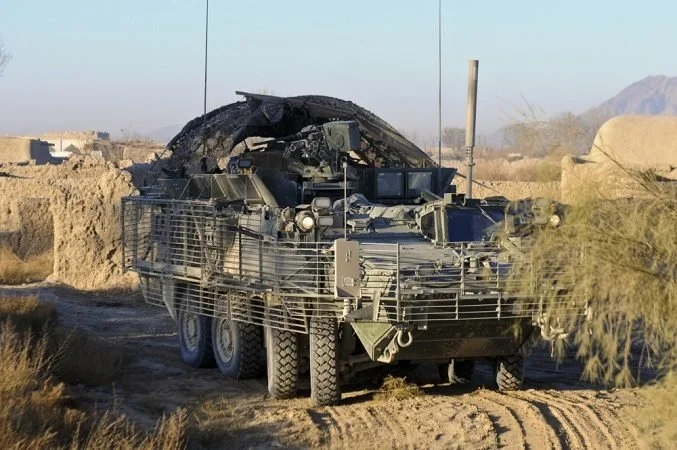
- Slat armor and bar armor for vehicle protection
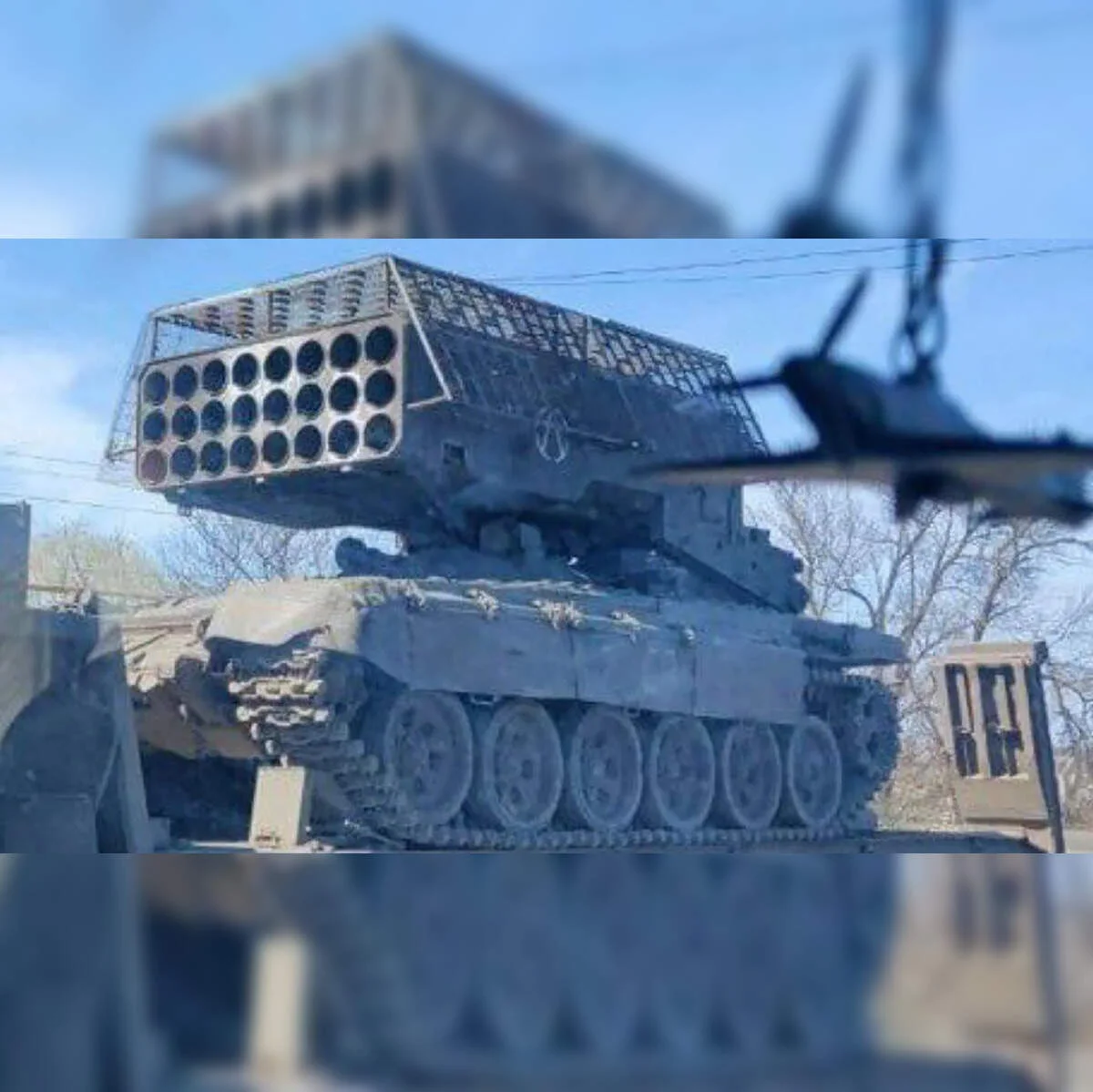
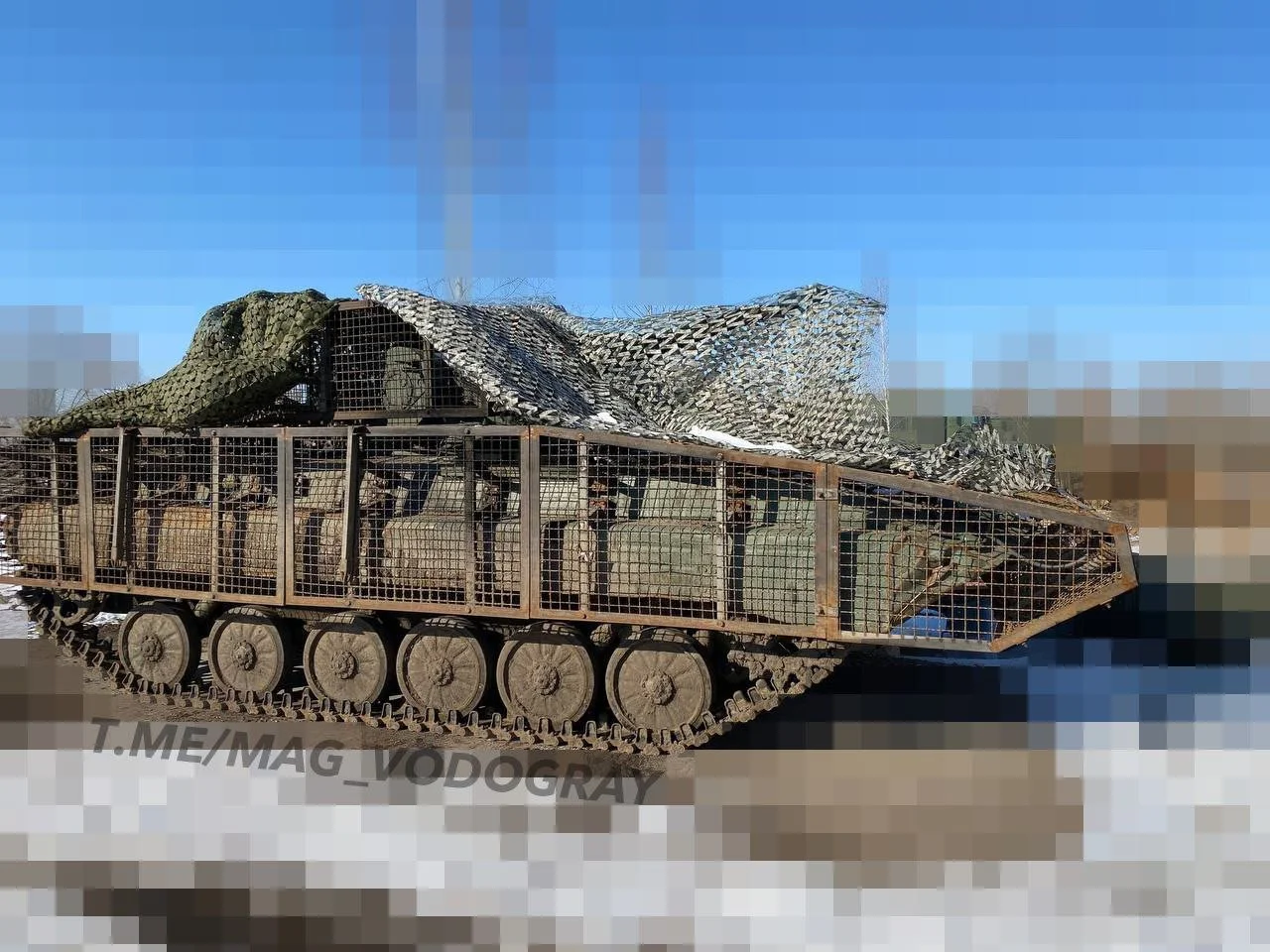
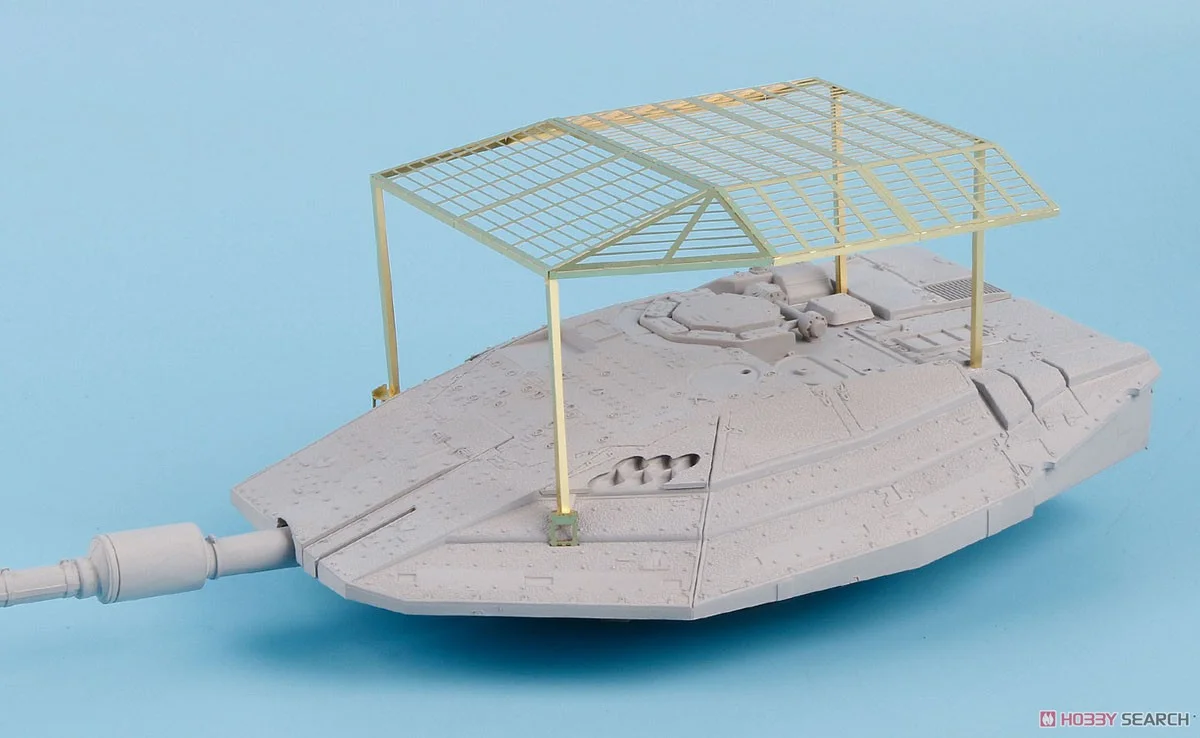
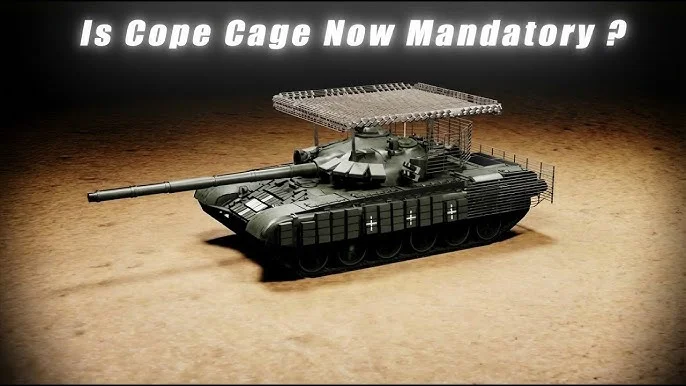
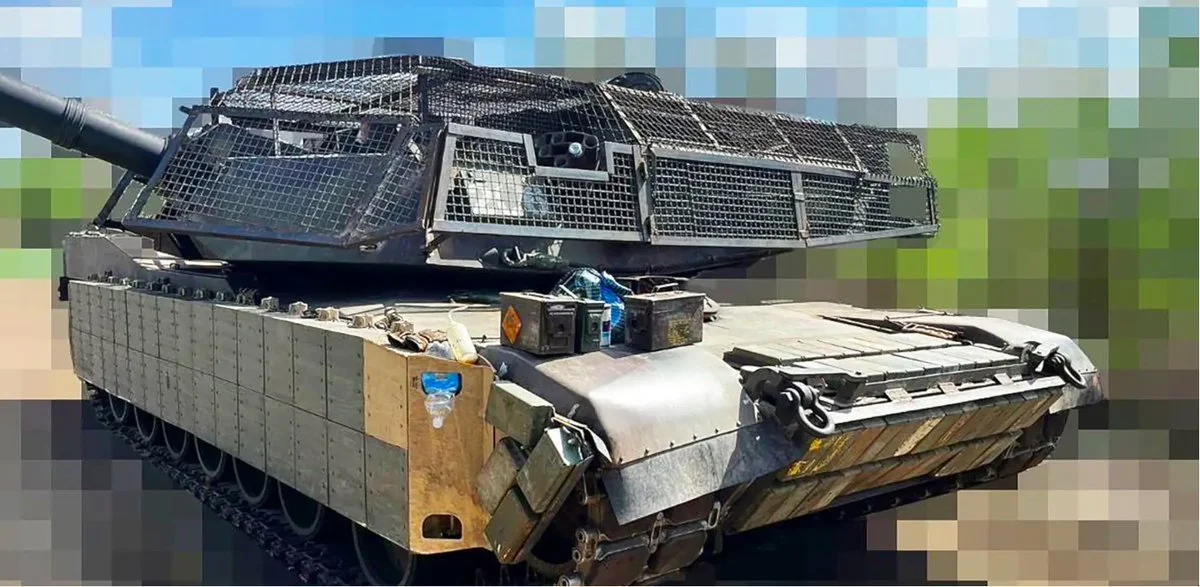
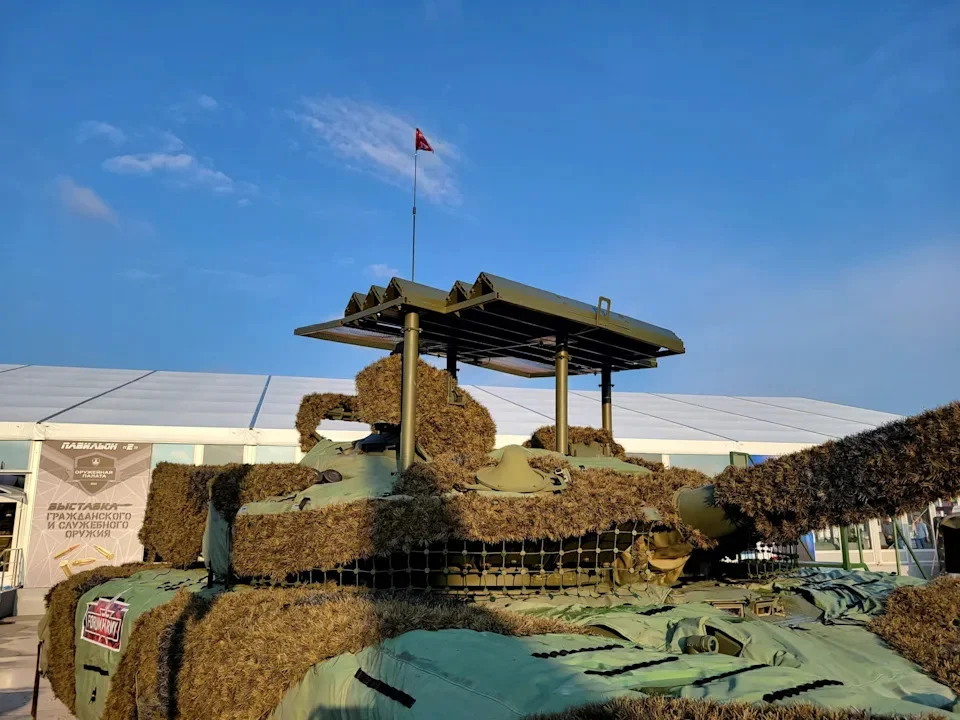
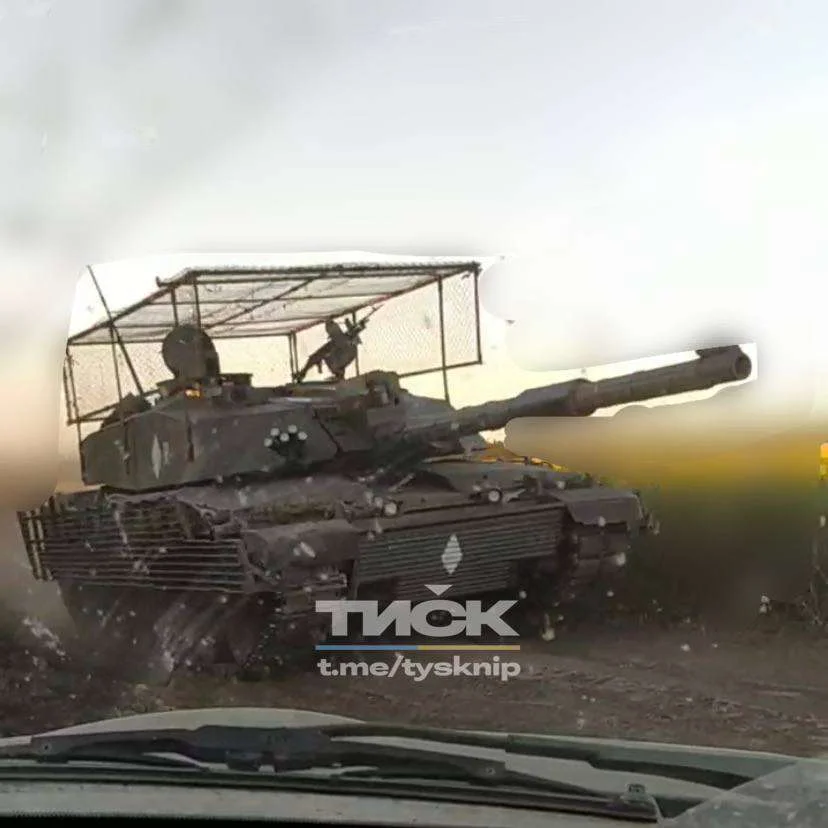
- Cope cage armor (anti-drone cages) for armored vehicles and fixed installations
- Standoff armor panels and add-on armor kits
- Custom weldments for military vehicle upgrades
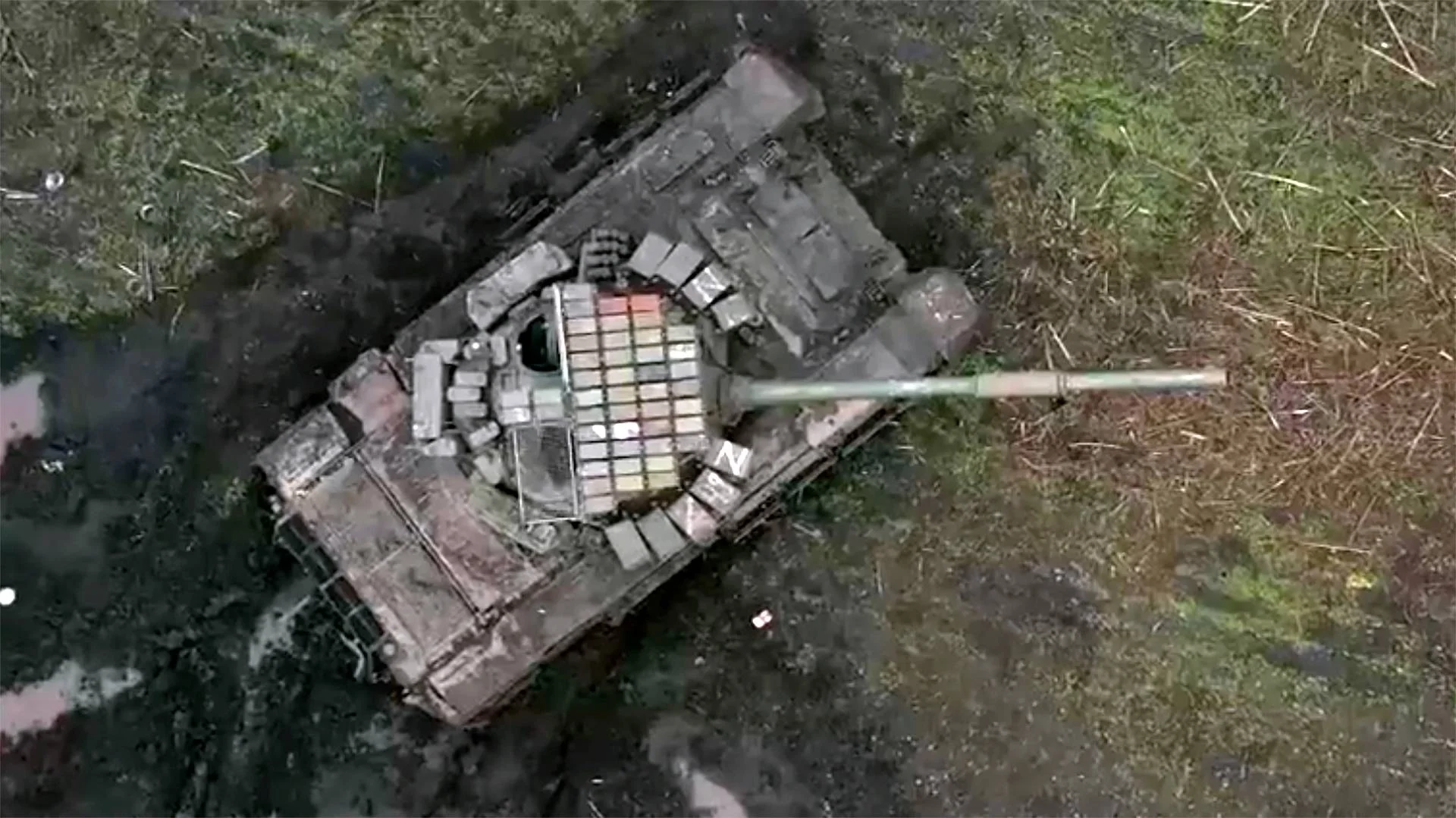
- Anti-drone cage armor for tanks and personnel carriers
Each of these products requires a tailored price quotation because material costs, fabrication complexity, and quality assurance requirements vary significantly. A reputable armor fabrication company will evaluate your design, material specifications, and production requirements before providing a comprehensive project estimate.
Key Information Needed for an Armor Fabrication Quote
To receive an accurate price estimate for your project, you must provide your fabrication partner with complete and precise project specifications. The more detailed your initial submission, the more accurate your cost estimate will be — and the fewer revision cycles you will encounter later.
Below we break down the essential information that every armor fabricator needs to prepare a reliable quotation. The two main categories are engineering drawings and material/quantity specifications.
Engineering Drawings and Technical Specifications
Engineering drawings are the backbone of any armor fabrication project. When you send drawings welding quote requests, the precision and completeness of your documentation directly affects the accuracy of the estimate. Whether you send drawings welding quote inquiries by email or through a web portal, clarity is essential.
What file format is needed for welding quote drawings? Most armor fabrication shops accept the following formats:
- DXF and DWG — Industry-standard CAD formats for 2D and 3D designs
- STEP and IGES — 3D model exchange formats for complex geometries
- PDF — For quick reference and dimension verification (always accompany with native CAD files)
- SolidWorks or Inventor native files — If available, these provide the most detail
Your drawings should include:
- Overall dimensions and tolerances for every component
- Weld symbols and weld specification callouts
- Hole locations, cutout details, and edge preparation requirements
- Exploded views for assemblies with multiple parts
- Bill of materials (BOM) listing each component
When you submit your drawings, always include a cover sheet with project name, revision number, and your contact information. This documentation helps the fabricator understand the scope and provide a more accurate project estimate.
Material, Thickness, and Quantity Requirements
Beyond drawings, your request must specify the materials and production parameters. Here is what every fabricator needs to know:
- Steel grade and hardness: Common armor steels include AR400, AR500, MIL-A-12560, and MIL-A-46100. Each grade has different ballistic properties, weldability characteristics, and cost profiles.
- Plate thickness: Specify thickness in millimeters or inches. Typical armor plate ranges from 6 mm to 40 mm depending on the threat level.
- Quantity: The number of units or total weight. Larger quantities generally reduce per-unit cost due to economies of scale in material purchasing and setup.
- Surface finish requirements: Mill scale removal, painting, anti-corrosion coating, or CARC (Chemical Agent Resistant Coating).
- Certification requirements: Material test certificates, weld procedure qualification records (WPQR), and NDT inspection reports.
For custom cope cage fabrication, additional specifications such as bar spacing, bar diameter, and mounting bracket design are critical. Providing these details upfront ensures your cost estimate reflects the true scope of work with minimal revisions.
The Custom Armor Fabrication Workflow
Understanding the typical custom armor fabrication workflow helps you set realistic expectations for your project timeline and budget. While each shop may follow slightly different procedures, the standard armor fabrication process follows a predictable sequence.
What are the steps in custom armor fabrication? From initial inquiry to final delivery, the workflow generally consists of:
- Initial inquiry and specification review — You provide drawings and specifications; the fabricator assesses feasibility.
- Engineering and design phase — The fabricator's engineering team reviews your design for manufacturability, suggests optimizations, and creates detailed fabrication drawings.
- Quotation preparation — The shop calculates material costs, labor hours, welding requirements, and quality control steps to prepare your cost estimate.
- Material procurement — Once the estimate is approved, the fabricator orders armor-grade steel and consumables.
- Cutting and forming — Plasma cutting, laser cutting, or waterjet cutting of armor plate to specified dimensions.
- Welding and assembly — Certified welders fabricate the components following approved weld procedures.
- Quality control and NDT inspection — Weld inspection, dimensional verification, and hardness testing ensure MIL-SPEC compliance.
- Surface treatment and finishing — Coating, painting, or CARC application as specified.
- Final inspection and shipping — Documentation package prepared and product dispatched.
The entire custom armor fabrication process typically takes 4 to 12 weeks depending on complexity, material availability, and current shop capacity.
Design Consultation and Engineering Phase
What design phase is involved in custom armor fabrication? The design phase is where your concept transforms into a manufacturable product. After submitting your initial inquiry and drawings, the fabricator's engineering team will:
- Review your design for structural integrity and ballistic performance
- Suggest material grade optimizations to balance cost and protection
- Check weld accessibility and joint design for producibility
- Recommend design modifications that reduce fabrication time without compromising strength
- Create 3D CAD models for customer approval before production begins
During this phase, it is common to exchange several rounds of communication to refine the design. This is also when you should discuss specific requirements like custom cope cage fabrication details, mounting interface dimensions, and integration with existing vehicle armor. A thorough design phase prevents costly changes during production and ensures your cost estimate is based on a fully optimized design.
The Quoting and Approval Process
How long does it take to get an armor fabrication quote? The quoting timeline varies depending on the complexity of your project and the fabricator's current workload. For standard designs with complete drawings, you can expect an initial cost estimate within 3 to 10 business days. More complex projects involving custom cope cage fabrication or multi-component armor systems may require 2 to 3 weeks for a comprehensive quotation.
How to submit an efficient request:
- Prepare complete, dimensioned drawings before submitting your request
- Clearly specify material grades, thicknesses, and quantities
- Indicate your target delivery timeline and any scheduling flexibility
- Provide any required certification or documentation requirements upfront
- Include your quality acceptance criteria and inspection requirements
Once you receive the estimate, review it carefully. A well-prepared quotation will break down material costs, fabrication labor, welding costs, quality control charges, and any tooling or setup fees. Compare price estimates from multiple fabricators to ensure competitive pricing, but remember that the lowest price does not always represent the best value — especially for armor fabrication where quality and compliance are paramount.
Production, Welding, and Quality Control
How to manage quality in the custom armor fabrication workflow? Quality assurance is critical in armor fabrication because material or weld defects can compromise ballistic performance and endanger lives. Reputable armor fabricators implement multi-layered quality control systems:
- Incoming material inspection: Mill test certificates are verified for each steel plate, and hardness is tested upon receipt.
- In-process weld inspection: Certified welding inspectors monitor weld parameters and perform visual inspections during fabrication.
- Non-destructive testing (NDT): Ultrasonic testing (UT), magnetic particle testing (MT), and dye penetrant testing (PT) are applied based on the weld class and specification.
- Dimensional inspection: Finished components are checked against drawing tolerances using calibrated measurement tools.
- Final documentation package: All inspection reports, material certificates, and weld records are compiled for traceability.
What documentation is needed for custom armor fabrication? Expect to receive material test certificates (MTCs), weld procedure qualification records (WPQRs), welder performance qualification records (WPQs), NDT reports, and dimensional inspection reports. Having this documentation is essential for military-grade projects and end-user acceptance.
Factors That Affect Armor Fabrication Costs
How much does armor fabrication cost? Several key variables influence the final project cost. Understanding these factors helps you budget accurately and identify opportunities for cost optimization.
| Cost Factor | Impact on Price | Cost Optimization Tip |
|---|---|---|
| Material grade | AR500 costs more than mild steel but offers superior ballistic protection. Higher hardness grades require specialized tooling. | Specify the minimum grade needed for your threat level — avoid over-specifying. |
| Plate thickness | Thicker plates require more material, heavier handling equipment, and longer cutting/welding time. | Use finite element analysis to determine the minimum thickness required. |
| Fabrication complexity | Complex geometries, tight tolerances, and difficult weld joints increase labor time and skill requirements. | Simplify designs where possible without compromising protection. |
| Quantity | Higher volumes reduce per-unit cost due to bulk material pricing and production efficiency. | Combine multiple projects into a single production run if possible. |
| Quality requirements | MIL-SPEC compliance, NDT inspection, and full documentation packages add cost but ensure reliability. | Specify only the inspection levels actually required by your contract. |
| Lead time | Rush orders command premium pricing. Standard lead times (8-12 weeks) offer better value. | Plan ahead and request standard lead times when possible. |
For custom cope cage fabrication, pricing typically ranges based on bar spacing, overall dimensions, and mounting complexity. Getting multiple price quotations and understanding what each factor contributes to the total cost will help you make an informed procurement decision.
How to Send Drawings for a Welding Quote
One of the most common questions we receive is about how to send drawings for a welding quote. Properly submitting your engineering drawings can significantly accelerate the estimating process and improve accuracy. When you send drawings welding quote requests, you want to make sure the fabricator can easily understand your design intent.
How to get a welding quote based on drawings:
- Prepare your drawings in a standard format (see the next section for accepted file formats).
- Include a clear title block with project name, revision, date, and scale.
- Add all critical dimensions, weld symbols, and tolerance callouts.
- Create a separate document listing material specifications, quantities, and any special requirements.
- Submit everything through the fabricator's preferred channel — typically email, a file-sharing service, or a web portal.
Which welding shops accept drawings for quoting? Most professional armor fabrication companies accept drawing submissions for estimating. However, not all welding shops have experience with armor-grade materials or the necessary certifications. For armor fabrication specifically, choose a shop that:
- Has experience welding AR400/AR500 and military-grade armor steels
- Holds relevant certifications (ISO 9001, AWS D1.1, MIL-SPEC)
- Offers NDT inspection services in-house or through qualified partners
- Has experience with custom cope cage fabrication and armor weldments
- Can provide references from defense or security clients
At Dengtai, we review drawing submissions within 48 hours and typically return a detailed cost estimate within 5-7 business days for standard projects.
Accepted File Formats and Drawing Standards
What file format is needed for welding quote drawings? Fabricators have different preferences, but the most universally accepted formats include:
- AutoCAD DXF/DWG: The industry standard for 2D fabrication drawings. These files preserve layer information, dimension annotations, and weld symbols. Most shops can open and measure these files directly.
- STEP (.stp) / IGES (.igs): 3D model exchange formats that allow the fabricator to rotate, section, and measure your design in their CAD system. Essential for complex geometries with compound curves.
- SolidWorks (.sldprt, .sldasm): Native SolidWorks files preserve feature history and make it easy for the fabricator to modify the design if needed.
- PDF with embedded measurements: While not ideal as a sole format, a dimensioned PDF provides a quick reference that anyone can open without specialized software.
For best results, send both a 3D model (STEP or native CAD) and a dimensioned 2D drawing (PDF). This dual approach ensures the fabricator has complete geometric information while also having a quick-reference document for dimensions and tolerances.
Drawing standards for armor fabrication: If your project requires military specifications, use standard drawing conventions including proper GD&T (Geometric Dimensioning and Tolerancing) per ASME Y14.5. This is especially important for armor components that must interface with existing vehicle mounting points.
What to Include with Your Drawings
What information should accompany welding drawings for a quote? Beyond the drawings themselves, your quote request package should include:
- Material specifications: Steel grade, hardness range, plate thickness, and any approved equivalents.
- Quantity and unit of measure: Number of assemblies, total weight, or both.
- Weld specifications: Required weld standards (AWS D1.1, D1.6, or client-specific), weld size, and weld quality level.
- Surface finish requirements: Grinding, painting, powder coating, or specialized military coatings like CARC.
- Delivery requirements: Desired delivery date, shipping method, and Incoterms.
- Quality and certification requirements: NDT levels, material certification needs, and any third-party inspection requirements.
- Special instructions: Marking, tagging, packaging, or export compliance documentation needed.
Providing all this information upfront with your drawings reduces back-and-forth communication and speeds up the quoting process. Many shops, including Dengtai, offer a standardized quote request form that guides you through the necessary information.
Getting a Military Fabrication Quote from China
If you are exploring how to get a military fabrication quote from China, you will find a competitive landscape with advanced manufacturing capabilities. China has emerged as a popular destination for military-grade metal fabrication, offering a combination of advanced manufacturing capabilities, experienced welding talent, and cost-effective production. Here is how the process works:
- Identify qualified Chinese armor fabricators: Look for companies with ISO 9001 certification, experience in armor fabrication, and verifiable export credentials.
- Prepare your technical package: As discussed earlier, comprehensive drawings and specifications are essential — even more so when working across time zones and languages.
- Submit a formal RFQ: Include all technical documents, quality requirements, delivery timelines, and commercial terms.
- Review the price quotation: A detailed estimate from a Chinese fabricator should break down material costs, fabrication costs, and logistics separately.
- Conduct a facility audit (if possible): Many reputable Chinese fabricators welcome virtual or in-person audits of their facilities.
What information is needed for a military fabrication quote in China? Chinese fabricators generally require the same information as their Western counterparts: engineering drawings, material specifications, quantity, quality standards, and delivery terms. Additional considerations include export license requirements, Incoterms preference, and whether third-party inspection by a recognized agency is needed.
Why Choose a Chinese Armor Fabrication Partner
Why choose a Chinese armor fabrication partner? Several factors make China an attractive option for custom armor fabrication procurement. When you explore how to get a military fabrication quote from China, expect these advantages:
- Cost-effectiveness: Competitive labor rates and established supply chains for armor-grade steels often result in price quotations 20-40% lower than Western alternatives, without sacrificing quality.
- Advanced manufacturing capabilities: Many Chinese fabrication facilities are equipped with state-of-the-art CNC plasma cutters, laser cutting systems, robotic welding cells, and automated painting lines.
- Experienced workforce: China has a deep pool of certified welders experienced in military-grade fabrication, including AWS D1.1 and MIL-SPEC standards.
- Flexible production: Chinese fabricators often accommodate both small prototype runs and large production volumes with competitive pricing at both ends of the spectrum.
How much does military fabrication in China cost? Pricing depends on the same factors as any armor fabrication — material grade, complexity, quantity, and quality requirements. However, you can typically expect Chinese price estimates to be more competitive, particularly for labor-intensive fabrication work. Dengtai offers transparent pricing with detailed cost breakdowns, so you know exactly what you are paying for.
How long does military fabrication in China take? Lead times are comparable to Western fabricators — typically 6 to 14 weeks depending on material availability and project complexity. Factor in additional shipping time for international delivery (2-5 weeks by sea, depending on destination).
How to Choose the Right Armor Fabrication Partner
Which companies provide armor fabrication cost estimates? Choosing the right fabrication partner is as important as the design itself. Here are the key criteria to evaluate when comparing armor manufacturers:
- Industry certifications: ISO 9001:2015 minimum; for defense work, look for AS9100D, AWS Certified Welder programs, and familiarity with MIL-SPEC standards.
- Material expertise: Does the shop regularly work with AR400, AR500, MIL-A-12560, and other armor-grade steels? Experience matters — armor steel behaves differently from structural steel during cutting, forming, and welding.
- Quality control infrastructure: In-house NDT capabilities (UT, MT, PT), metallurgical testing, and dimensional inspection equipment indicate a commitment to quality.
- Previous armor projects: Ask for case studies or references from similar armor fabrication projects, including custom cope cage fabrication and military vehicle armor.
- Communication and support: Responsive communication, engineering support during the design phase, and willingness to answer technical questions are signs of a good partner.
- Export compliance: For international procurement, ensure the fabricator understands and complies with export control regulations applicable to your project.
Dengtai meets all these criteria with decades of experience in custom armor fabrication, a full suite of in-house quality control capabilities, and a track record of successful projects for defense clients worldwide.
Frequently Asked Questions About Armor Fabrication Quotes
- How long does the custom armor fabrication process take?
- From quote approval to delivery, the typical timeline is 4 to 12 weeks. Simple projects with available materials can ship in 4-6 weeks, while complex multi-component systems may take 10-14 weeks.
- How much does custom cope cage fabrication cost?
- Custom cope cage pricing varies widely based on dimensions, bar spacing, material grade, and quantity. Contact Dengtai with your specifications for a personalized price estimate.
- What is custom cope cage fabrication?
- Custom cope cage fabrication involves manufacturing tailored anti-drone cage armor systems designed to fit specific vehicle models or installation sites. Each cage is engineered to defeat drone-dropped munitions while maintaining vehicle mobility.
- Who offers custom cope cage fabrication services?
- Several specialized armor fabrication companies offer custom cope cage manufacturing. Dengtai is a leading provider with extensive experience in designing and fabricating anti-drone cage armor for military vehicles worldwide.
- How to order custom cope cage fabrication?
- To order custom cope cage fabrication, submit your vehicle specifications, required protection level, and mounting preferences to a qualified fabricator. Dengtai's engineering team will design a custom solution and provide a comprehensive cost estimate.
- Is military fabrication in China cost-effective?
- Yes, for many buyers. Chinese armor fabrication offers competitive pricing without compromising on quality, particularly when working with established manufacturers like Dengtai who follow international quality standards.
Conclusion
Getting an accurate project estimate is the critical first step in any armor project. By preparing comprehensive drawings, specifying materials and quantities clearly, and understanding the fabrication workflow, you set the foundation for a successful partnership with your chosen manufacturer.
Whether you need slat armor, bar armor, custom cope cage fabrication, or standoff armor panels, the principles outlined in this guide apply. Take the time to prepare your requirements thoroughly, evaluate multiple fabricators, and ask detailed questions before making your selection.
At Dengtai, we specialize in providing detailed, transparent cost estimates for military-grade projects of all sizes. Our engineering team reviews every inquiry personally and works with you to optimize your design for manufacturability and cost efficiency.
Ready to get started? Contact Dengtai today with your drawings and specifications to receive a comprehensive custom armor fabrication quote. Our team is standing by to help you protect what matters most.