Introduction: Why a Cope Cage Buyer's Guide Matters
Ordering a cope cage for your military or armored vehicle is a significant investment in crew protection and mission readiness. Whether you are outfitting a light tactical vehicle, an MRAP, or a specialized convoy platform, the decisions you make during procurement directly affect ballistic performance, vehicle handling, and long-term durability. That is why a comprehensive cope cage buyer's guide is essential before you place your first order.
This guide covers every critical question you should ask a potential supplier\u2014from armor steel grades and welding certifications to dimensional tolerances, pricing, and export compliance. By the end, you will have a complete checklist to evaluate manufacturers, compare quotes, and ensure your order meets field-ready standards.
At Dengtai, we have spent years manufacturing MIL-SPEC cope cages for defense contractors worldwide. The insights in this cope cage buyer's guide come directly from our engineering and production experience, giving you practical, actionable information rather than generic sales advice.
What Is a Cope Cage and Why You Need a Buyer’s Guide
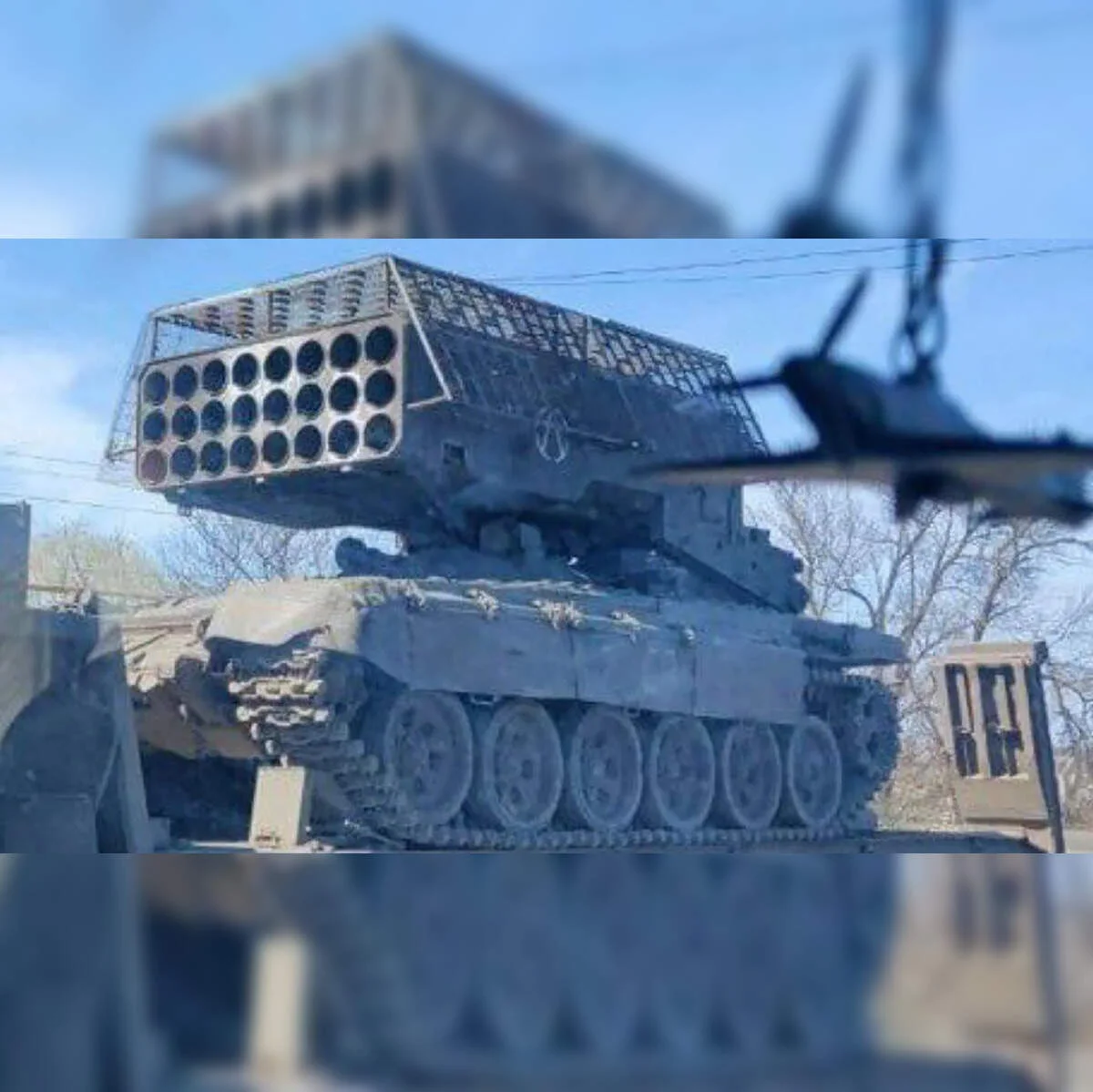
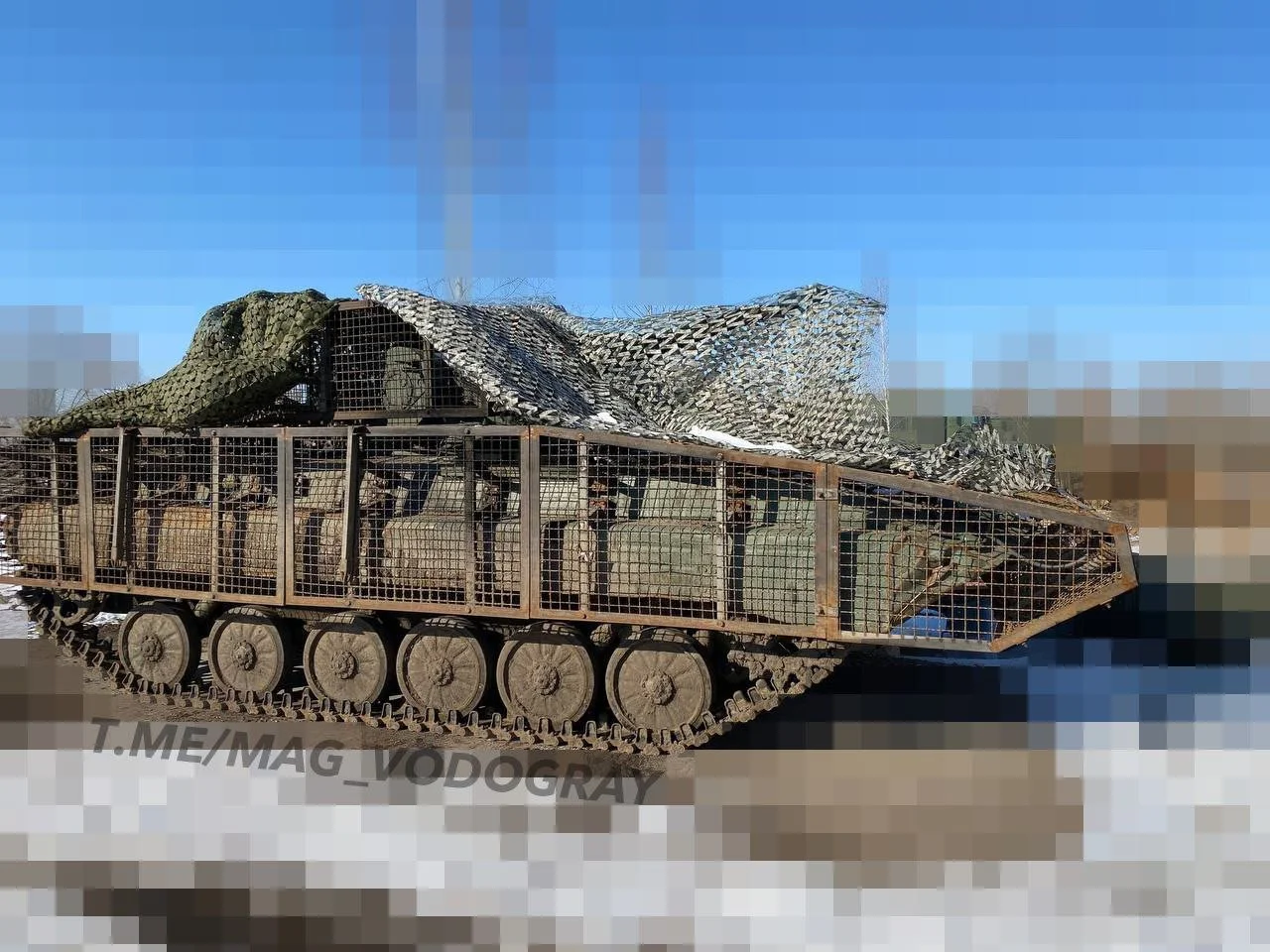
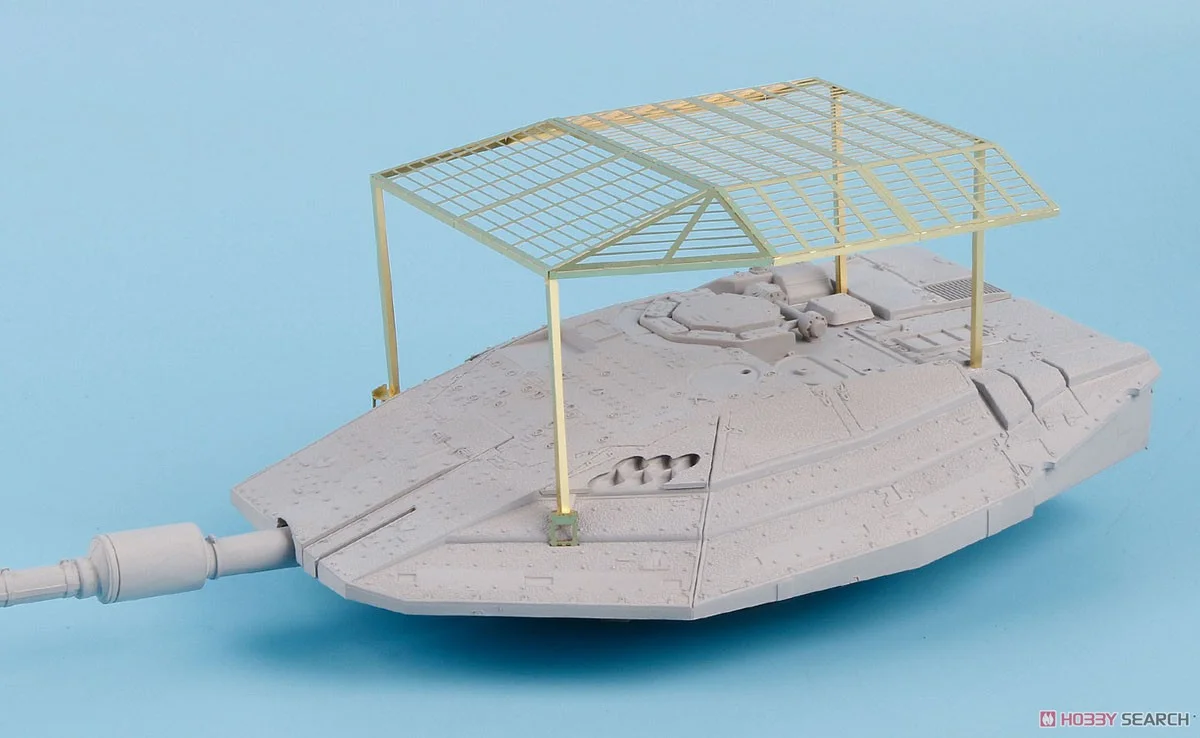
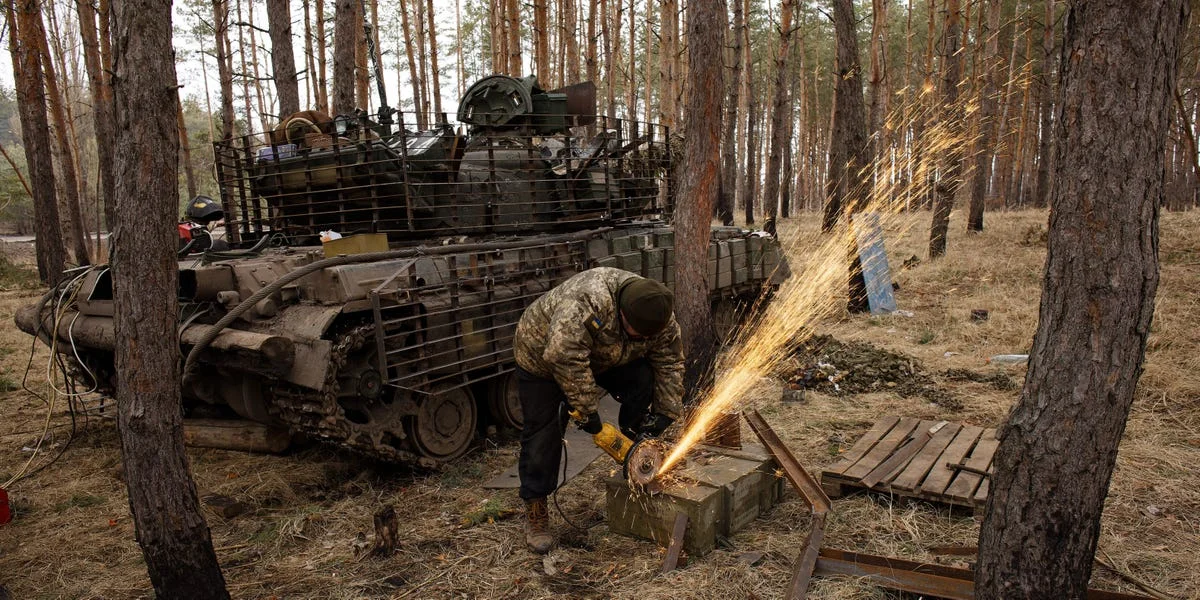
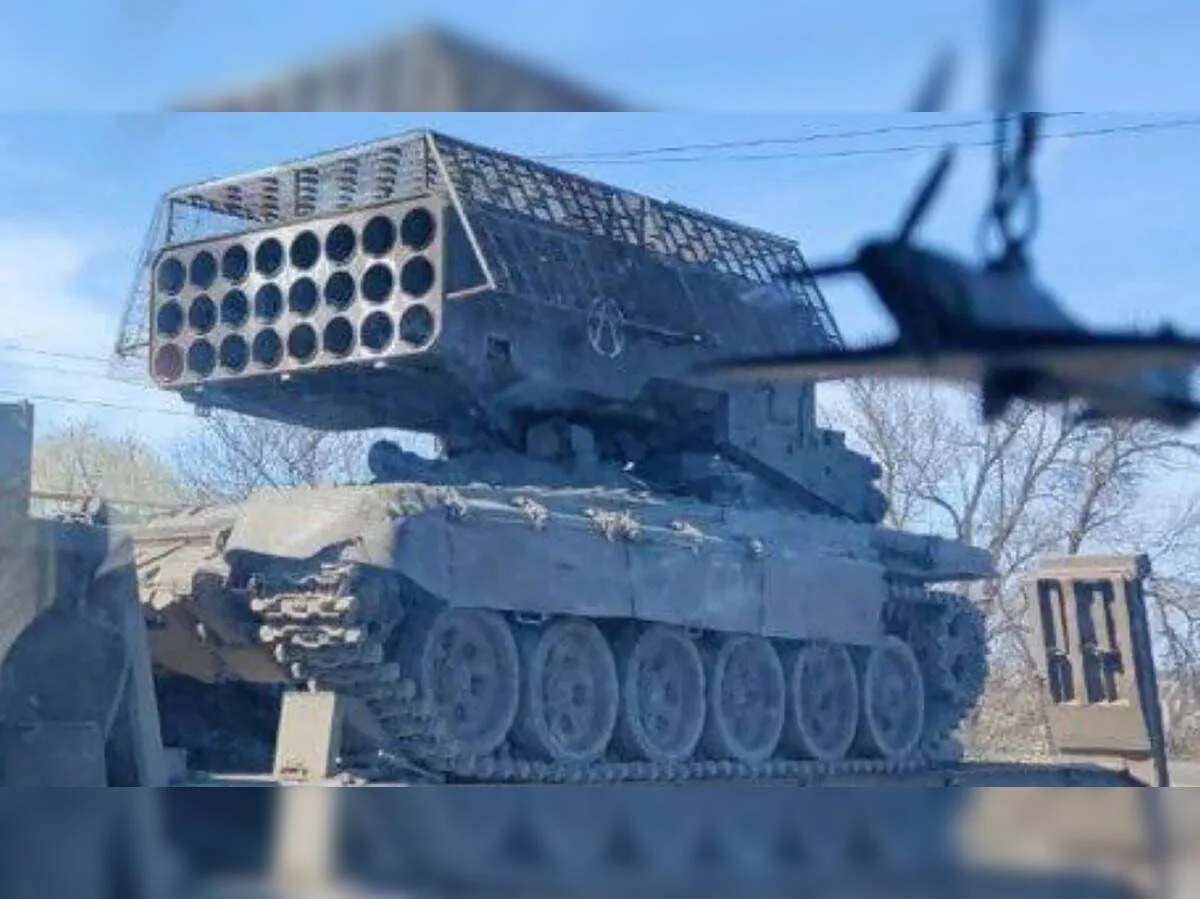
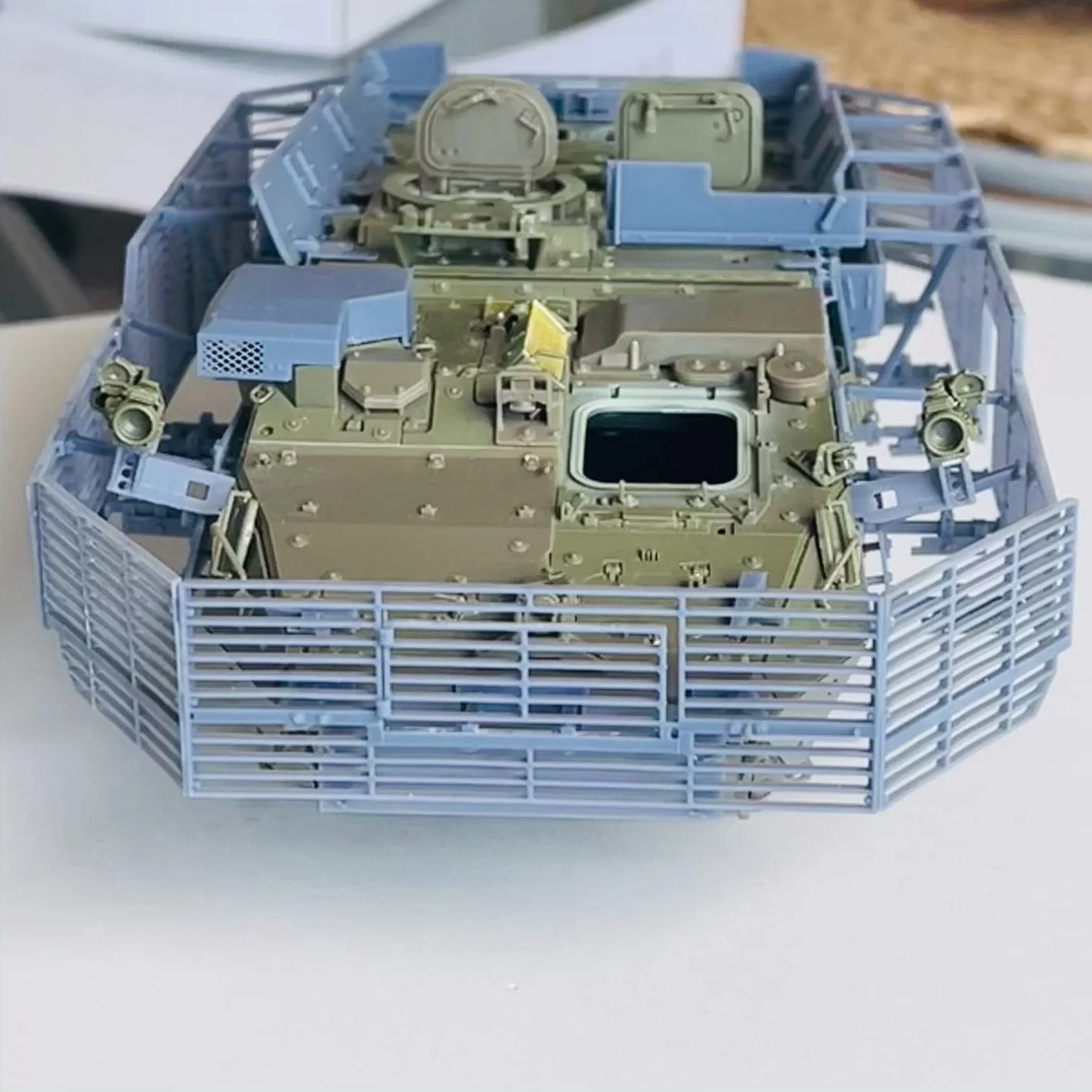
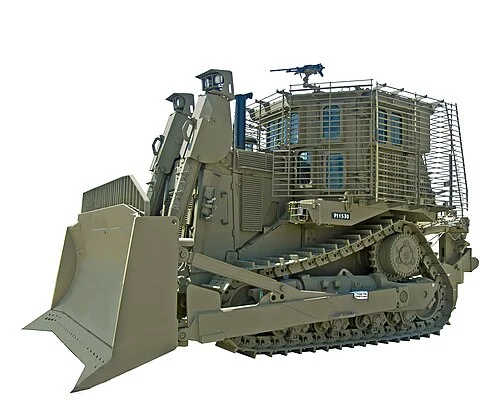
A cope cage is an armored shell that mounts to the exterior of a tactical or logistics vehicle\u2014typically over the crew cab, gunner position, or cargo area. Its primary purpose is to defeat small-arms fire, artillery fragments, and improvised explosive device (IED) debris. Unlike integral armor, a cope cage is designed as a modular add-on, which means it can be installed on existing vehicle platforms without major structural modifications.
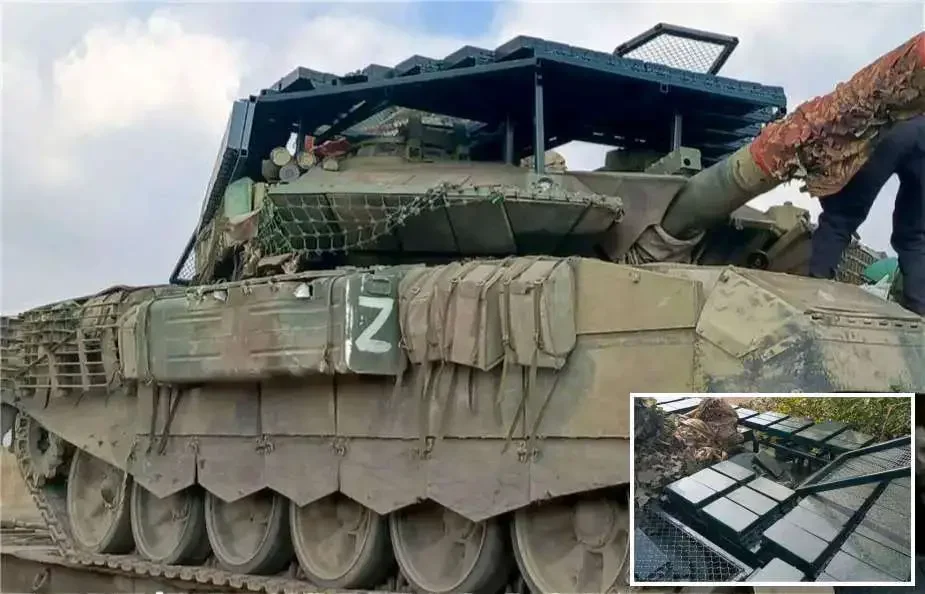
Understanding the product is the first step in any cope cage buyer's guide. Not all cope cages are created equal. Some are built from AR500 steel plate for maximum ballistic resistance, while others use lighter-gauge materials for rapid-deployment scenarios. The right choice depends on your threat environment, vehicle payload capacity, and operational tempo.
When you begin shopping for a custom cope cage, you are essentially commissioning a piece of precision armor fabrication. The questions you ask before ordering determine whether the final product will integrate seamlessly with your vehicle, meet your protection requirements, and arrive on schedule. This guide is designed to help you ask the right ones.
Questions About Armor Steel Grades and Materials
The material you choose for your cope cage determines its ballistic performance, weight, and service life. Every responsible cope cage buyer's guide emphasizes that you must verify the steel grade a manufacturer intends to use before signing a contract. Two of the most common questions buyers overlook are which armor grade to specify and what plate thickness meets their threat-level requirements.
Below we break down these two critical material decisions so you can have an informed conversation with your fabrication partner.
Which steel grade is best for cope cage armor?
Armor steel grades are not interchangeable. The most common materials for cope cage fabrication include:
- AR500 \u2014 A high-hardness abrasion-resistant steel with a Brinell hardness of 470\u2013540. AR500 is the industry standard for cope cage armor because it offers excellent ballistic resistance at a reasonable weight. It performs well against small-arms fire up to 7.62\u00d739mm and artillery fragments.
- AR400 \u2014 Slightly softer than AR500 (360\u2013440 Brinell), AR400 is easier to form and weld. It is a good choice for non-critical areas or when weight reduction is prioritized over maximum protection.
- MIL-A-46100 \u2014 A U.S. military specification armor steel. It meets stricter ballistic testing protocols and is often required for contracts with NATO-aligned defense forces.
- Hardox 450/500 \u2014 A popular European abrasion-resistant steel used in some cope cage designs. It offers a good balance of hardness and weldability.
When speaking with a cope cage manufacturer, always ask for a material certificate (mill test report) that confirms the steel grade, chemical composition, and hardness. If the supplier cannot provide traceable certification, consider it a red flag.
What thickness of armor plate should you specify?
Plate thickness directly correlates with the protection level your cope cage provides. Typical thicknesses range from 6 mm (approximately \u00bc inch) for light fragmentation protection to 25 mm (1 inch) or more for heavy small-arms and armor-piercing threats.
Key thickness considerations:
- Threat-level matching: A cope cage rated for Level III (7.62\u00d751mm NATO ball) requires a different plate thickness than one rated for Level IV (armor-piercing rounds). Ask your manufacturer which standard (NIJ, STANAG, or MIL-SPEC) their thickness recommendation is based on.
- Weight vs. protection trade-off: Every millimeter of additional steel adds significant weight to the vehicle. A heavy cope cage can reduce payload capacity, increase fuel consumption, and strain suspension components. Request a weight estimate per square meter for the proposed thickness so you can evaluate the trade-off.
- Multi-hit capability: Thicker plates generally offer better multi-hit performance. If your operational environment involves sustained automatic fire, specify a minimum thickness that retains structural integrity after multiple impacts in close proximity.
Always request a ballistic test report from the manufacturer that validates the cope cage's performance at the specified thickness and steel grade.
Questions About Design, Dimensions, and Customization
Every vehicle platform has a unique roof profile, mounting point configuration, and weight distribution. A cope cage that fits one MRAP variant may not fit another. Before you place an order, you need clarity on how the manufacturer handles dimensional verification and what customization options they offer.
How to verify cope cage dimensions fit your vehicle
Fitment accuracy is one of the most common pain points in cope cage procurement. A cope cage that arrives with incorrect dimensions cannot be field-installed without expensive rework. To avoid this:
- Provide detailed vehicle drawings. Share CAD models, 3D scans, or at minimum, dimensional sketches of the mounting surface, including bolt-hole patterns, roof curvature, and clearance zones for hatches, antennas, and weapon mounts.
- Ask about the manufacturer's measurement process. Does the supplier use laser scanning or photogrammetry to capture your vehicle's roof geometry? Digital measurement methods produce significantly more accurate cope cage dimensions than manual tape measurements.
- Request a digital fit check. A reputable cope cage manufacturer like Dengtai can overlay the cope cage CAD model onto your vehicle scan to verify clearance before cutting steel. This virtual fit check eliminates the risk of dimensional mismatches.
- Define tolerances in writing. Specify acceptable dimensional tolerances (e.g., \u00b12 mm on overall length, \u00b10.5 mm on bolt-hole positions). Make sure these tolerances are included in the purchase agreement.
What customization options are available?
A custom cope cage can include numerous design features tailored to your operational requirements. When discussing your order, clarify which of the following options the manufacturer supports:
- Hatch and door cutouts \u2014 Precisely positioned openings for crew entry/exit, periscopes, and vision blocks.
- Weapon mount platforms \u2014 Reinforced mounting plates for remote weapon stations, machine guns, or grenade launchers.
- Antenna and sensor brackets \u2014 Integrated mounts for communications equipment, cameras, and jamming systems.
- Quick-release mechanisms \u2014 For applications requiring rapid removal of the cope cage for transport or maintenance.
- Spall lining attachments \u2014 Brackets or channels for installing anti-spall liners on the interior surface.
- Camouflage paint or coatings \u2014 Options for CARC (Chemical Agent Resistant Coating) or custom camouflage patterns.
Document every customization in a technical specification sheet appended to your purchase order. Verbal agreements are not sufficient when precision armor fabrication is at stake.
Questions About Manufacturing Quality and Welding Standards
Weld quality is the single most important factor determining whether your cope cage will perform as intended under ballistic stress. A cope cage is only as strong as its welds. Below are the key questions you need to ask about certifications, procedures, and quality assurance before committing to a manufacturer.
What welding certifications should a cope cage manufacturer hold?
Military-grade armor welding is not the same as structural steel welding. A cope cage manufacturer should hold verifiable certifications that demonstrate their welding team is qualified to work with armor-grade materials:
- ISO 3834 \u2014 The international quality standard for fusion welding of metallic materials. ISO 3834 certification ensures the manufacturer has documented welding procedures, qualified welders, and a robust inspection regime.
- ASME Section IX / AWS D1.1 \u2014 These standards govern welding procedure specifications (WPS) and welder performance qualifications. Ask whether the manufacturer's WPS covers the specific armor steel grade you intend to use.
- MIL-STD welding procedures \u2014 For defense contracts, manufacturers should be able to produce military-standard welding procedure records that have been approved by a qualifying authority.
- CWI (Certified Welding Inspector) \u2014 Ask whether the manufacturer employs AWS-certified welding inspectors on the production floor. A CWI provides independent verification that every weld meets code requirements.
Do not accept verbal claims of certification. Request copies of current certificates and verify them with the issuing body if necessary.
What quality control and testing procedures should you expect?
Beyond welding certifications, you should ask every cope cage manufacturer about their quality control (QC) and testing protocols. A robust QC program includes:
- Non-Destructive Testing (NDT) \u2014 Magnetic particle inspection (MPI) and ultrasonic testing (UT) are essential for detecting subsurface weld defects that could compromise ballistic integrity. Ask which NDT methods are applied to every weld versus sampled periodically.
- Hardness testing \u2014 Verify that the finished cope cage's plate hardness matches the specified steel grade. Inconsistent hardness may indicate improper heat treatment or material substitution.
- Dimensional inspection \u2014 Every cope cage should be inspected against the approved CAD model using calibrated measurement tools. Request a dimensional inspection report (DIR) with your shipment.
- Ballistic spot testing \u2014 For high-value contracts, consider requiring ballistic testing of sample coupons cut from the same production batch. This provides empirical validation that the cope cage meets the specified protection level.
- Traceability documentation \u2014 A complete audit trail from raw material batch numbers through production to final inspection. Traceability is critical for defense procurement compliance.
A manufacturer that willingly shares their QC documentation is far more likely to deliver a consistent, high-quality product than one that treats their processes as proprietary secrets.
Questions About Cost, Quotes, and Lead Time
Pricing for a custom cope cage varies widely based on steel grade, complexity, quantity, and delivery timeline. Knowing what influences cost and how to request a meaningful quote will save you time and prevent budget surprises.
How to request an accurate quote for a custom cope cage
To receive a reliable quote for a custom cope cage, provide the manufacturer with a complete request for quotation (RFQ) package. A thorough RFQ should include:
- Vehicle platform details \u2014 Make, model, variant, and any unique configuration notes.
- Technical drawings or 3D scans \u2014 The more precise your dimensional data, the more accurate the quote.
- Required protection level \u2014 Specify the ballistic standard (STANAG 4569 Level 1\u20134, NIJ Level III/IV, or custom threat profile).
- Steel grade preference \u2014 AR500, MIL-A-46100, or alternative. If you are open to recommendations, ask the manufacturer to quote multiple options.
- Quantity \u2014 Single unit prototype versus production run of 10, 50, or 100 units. Per-unit pricing drops significantly with volume.
- Delivery timeline \u2014 Standard lead time versus expedited production.
- Paint and finish requirements \u2014 CARC paint, primer-only, or raw steel.
- Inspection and certification requirements \u2014 Ballistic test reports, material certificates, NDT reports, and dimensional inspection reports.
Ask at least three qualified manufacturers to quote the same specification. This gives you a pricing baseline and helps identify outliers who may be underquoting (risking quality) or overquoting (not competitive).
What factors affect cope cage pricing?
Several key variables influence the final price of a cope cage order. Understanding these factors helps you evaluate quotes and negotiate effectively:
- Steel grade and thickness \u2014 AR500 costs more than AR400, and thicker plates increase both material cost and fabrication difficulty. Upgrading from 6 mm to 12 mm plate can increase material cost by 80\u2013100%.
- Design complexity \u2014 A simple flat-panel cope cage costs less to manufacture than one with compound curves, multiple hatch cutouts, and integrated weapon mounts. Each additional fabrication operation adds labor time.
- Welding requirements \u2014 Full-penetration welds on armor steel require skilled welders and specialized procedures. This is reflected in the labor component of the quote. Low-cost quotes typically indicate less rigorous welding.
- Quantity and production efficiency \u2014 Setup costs (CNC programming, jig fabrication, weld procedure qualification) are amortized across the production run. A batch of 20 units may cost 30\u201340% less per unit than a single prototype.
- Lead time \u2014 Expedited production (4\u20136 weeks versus 12\u201316 weeks standard) typically commands a 15\u201325% premium. Plan your procurement timeline to avoid rush charges.
- Export and logistics \u2014 International shipping for armor steel products requires specialized freight and customs clearance. Factor these costs into your total budget.
When comparing quotes, do not simply choose the lowest price. A cope cage that fails in the field costs far more than the premium you pay for a quality manufacturer.
Questions About Shipping, Logistics, and Export Compliance
Armor steel products are subject to export controls and international trade regulations that do not apply to standard industrial goods. Before ordering a cope cage from an overseas manufacturer, confirm the following:
- Export license requirements \u2014 Does the cope cage design fall under ITAR (International Traffic in Arms Regulations), EAR (Export Administration Regulations), or equivalent regulations in the manufacturing country? Your supplier should be able to advise on the applicable classification and whether an export license is required.
- Shipping documentation \u2014 Commercial invoices for armor plate may require additional certifications such as a Certificate of Origin, material test reports, and end-user statements. Ask your supplier for a complete shipping documentation checklist.
- Packaging and handling \u2014 Cope cages are heavy, oversized items that require specialized crating, lifting points, and corrosion protection for sea freight. Verify that the manufacturer has experience packaging armor products for international shipment.
- Insurance and liability \u2014 Determine who bears the risk of damage during transit (typically defined by Incoterms). For high-value cope cage orders, consider third-party inspection at the factory before shipment.
- Lead time including logistics \u2014 When planning your procurement timeline, add 4\u20138 weeks for sea freight plus customs clearance. Air freight is possible for smaller cope cage orders but significantly more expensive.
A manufacturer experienced in defense logistics will guide you through the export process rather than leaving you to navigate it alone.
Red Flags to Watch For When Selecting a Cope Cage Supplier
Not every supplier who claims to manufacture cope cages has the capability to deliver a combat-ready product. Watch for these warning signs:
- Vague material specifications. If the supplier cannot tell you the exact steel grade, hardness range, or plate thickness, walk away. A reputable manufacturer publishes their material specifications.
- No welding certifications. Avoid manufacturers who claim military-grade welding but cannot produce ISO, AWS, or equivalent certifications. Uncertified welds on armor steel are a safety hazard.
- Extremely low pricing. If a quote is 40\u201350% below the market average, the manufacturer is almost certainly cutting corners on material quality, welding, or inspection. A cope cage is not a commodity item.
- Refusal to share QC documentation. Transparency about quality processes is a hallmark of a professional manufacturer. Secrecy usually indicates something to hide.
- Unrealistic lead times. A custom cope cage requires steel procurement, CNC laser cutting, precision welding, inspection, and finishing. Any manufacturer promising delivery in under 4\u20136 weeks for a custom design is likely overpromising.
- No references or case studies. Established cope cage manufacturers have a portfolio of completed projects and client references. Be wary of suppliers who cannot demonstrate past work.
- Poor communication during the sales process. If the supplier is slow to respond, evasive about technical questions, or reluctant to provide documentation during the quoting phase, expect worse performance during production.
Your due diligence during the purchasing process is the best insurance against a failed procurement.
Conclusion
Ordering a cope cage is a technical procurement that requires careful preparation and the right questions. By using this cope cage buyer's guide as your checklist, you can confidently evaluate manufacturers, compare proposals, and select a fabrication partner who meets your quality, budget, and timeline requirements.
Before signing any purchase order, make sure you have clear answers to every category covered in this guide:
- Steel grade and thickness matched to your threat requirement
- Verified dimensions with CAD overlay or digital fit check
- Welding certifications (ISO 3834, AWS D1.1) and documented procedures
- Quality control including NDT, hardness testing, and traceability
- Transparent pricing with a complete RFQ package
- Export compliance and logistics planning
If you are preparing a cope cage procurement and would like expert guidance on specifications, certifications, or pricing, contact the Dengtai technical team. We manufacture custom cope cages to MIL-SPEC standards and work with defense buyers worldwide to deliver mission-ready armor solutions.