How to Choose an Armor Fabrication Partner in China
Selecting the right fabrication partner is one of the most critical decisions in any armored vehicle program, whether you are outfitting military vehicles with cope cages, manufacturing slat armor for personnel carriers, or producing custom standoff armor for peacekeeping missions. How to Choose an Armor Fabrication Partner in China requires evaluating technical capability, quality systems, industry certifications, and production capacity against your specific program requirements. This guide walks through every factor you need to consider — from welding qualifications to NDT inspection protocols — so you can make an informed, risk-free decision when selecting an armor fabrication company.
China has become a leading destination for armor fabrication due to its comprehensive heavy steel supply chain, skilled welding workforce, and cost-competitive manufacturing base. However, not every metal fabricator can handle the stringent demands of ballistic-grade armor work. The consequences of choosing the wrong partner range from weld failures and material rejection to program delays and safety liabilities. This article provides a systematic framework to evaluate, compare, and select the right partner for your project.
Understanding Your Armor Fabrication Requirements
Before evaluating any potential supplier, you must clearly define your own project scope. Armor fabrication covers a broad spectrum of products, from heavy steel cope cages for main battle tanks to lightweight anti-drone cage armor for light tactical vehicles, and each has different technical demands.
Define Your Armor Product Type
Start by identifying exactly what you need fabricated:
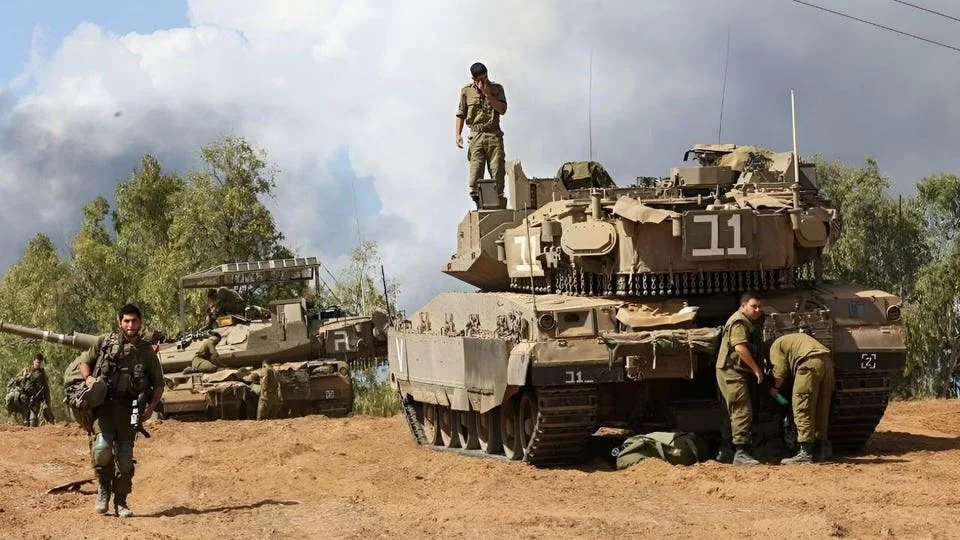
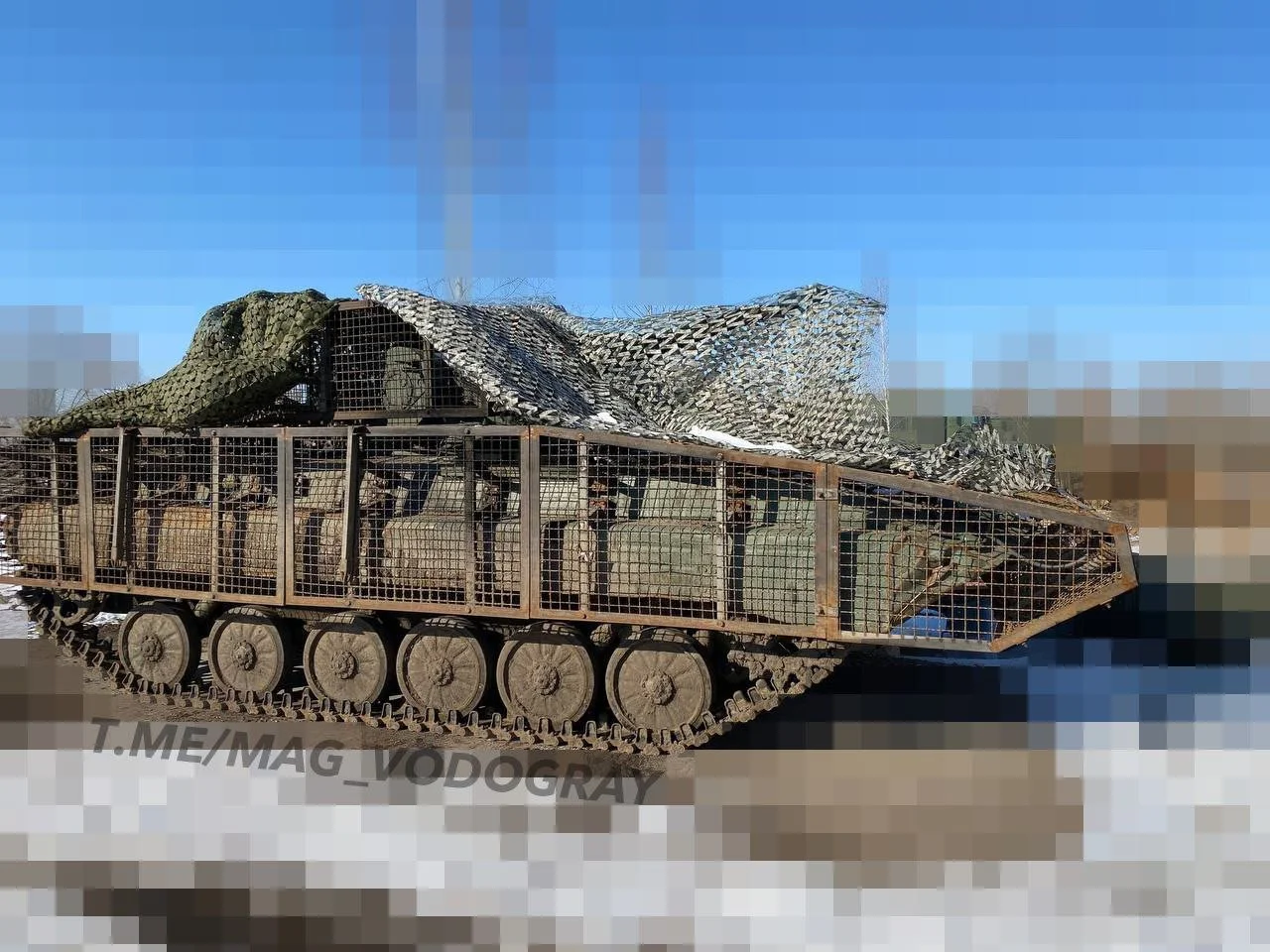
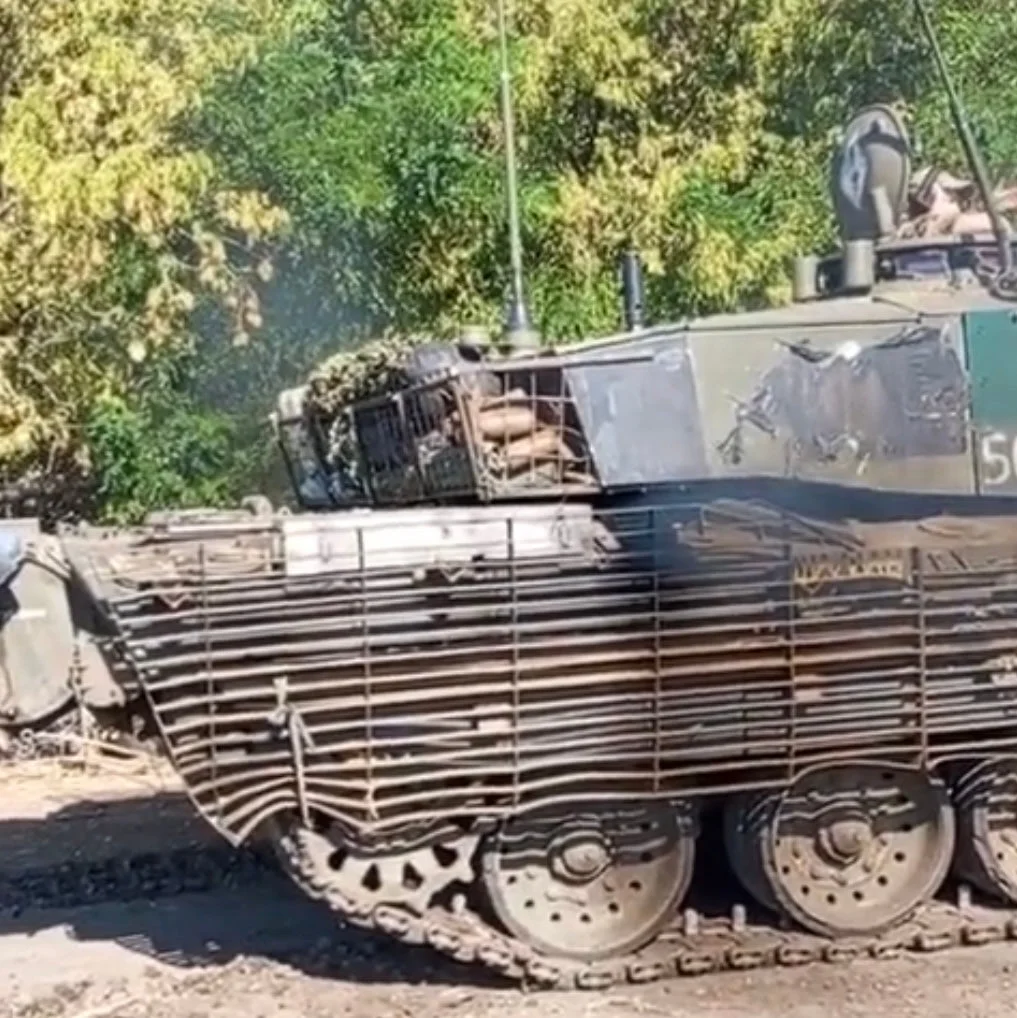
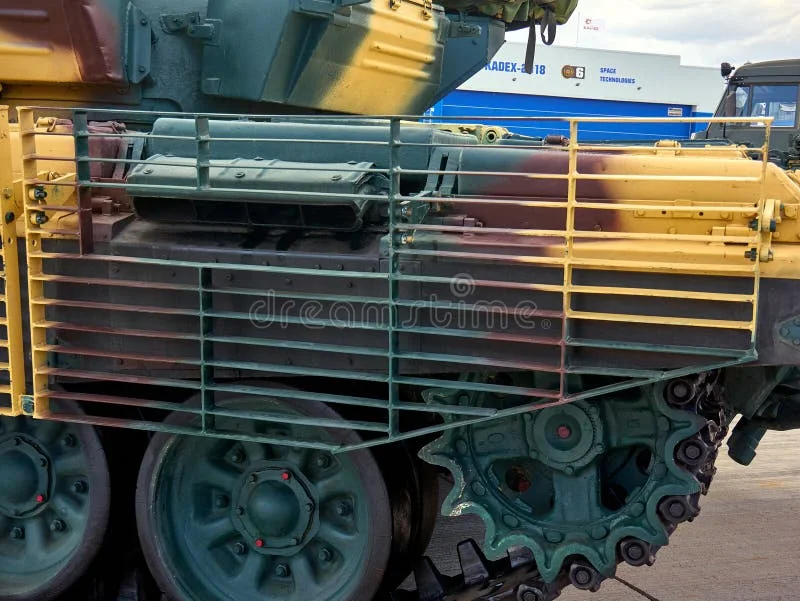
- Slat armor / bar armor — welded steel bars spaced to defeat RPG and HEAT warheads, commonly used on light and medium armored vehicles
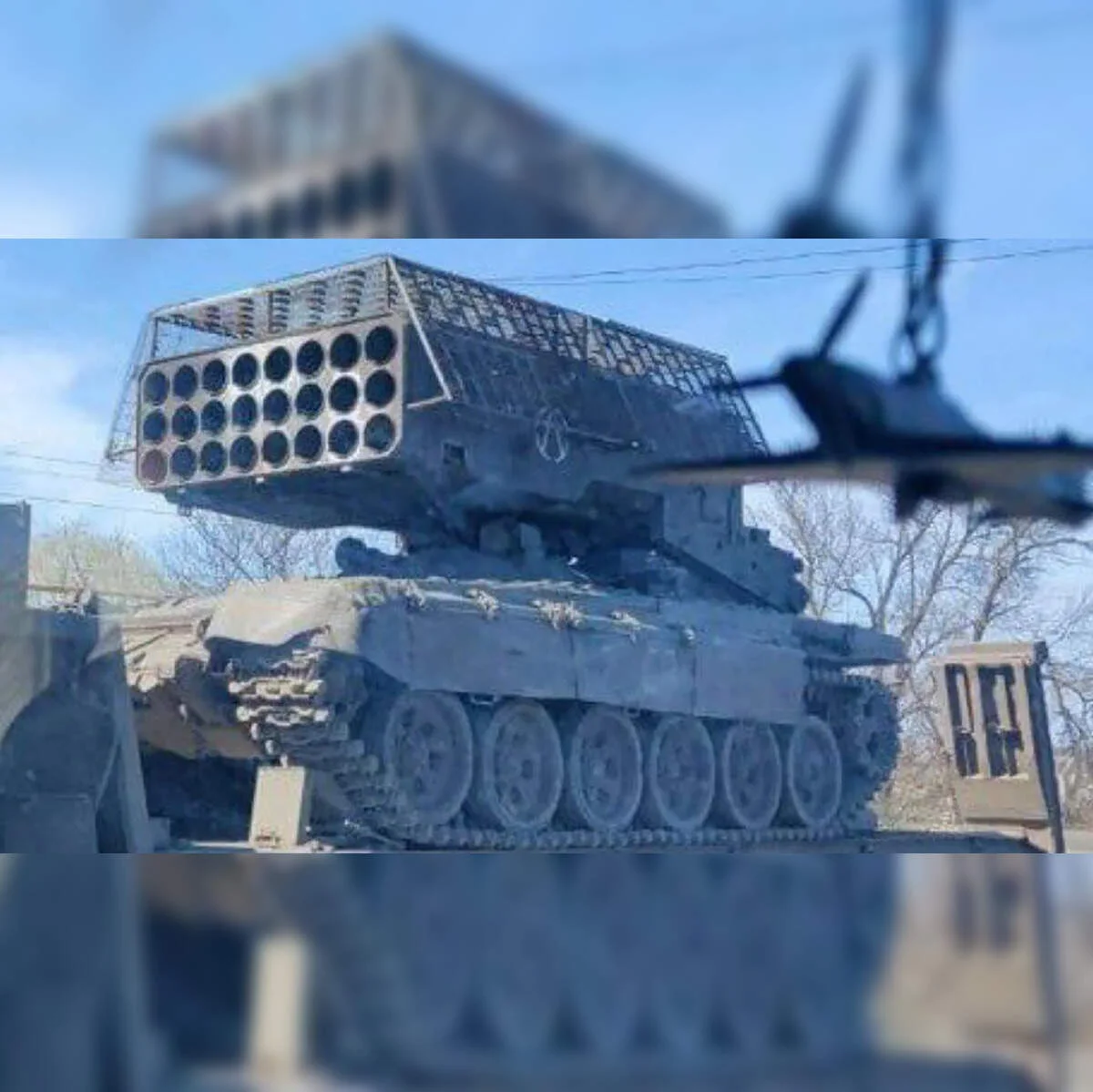
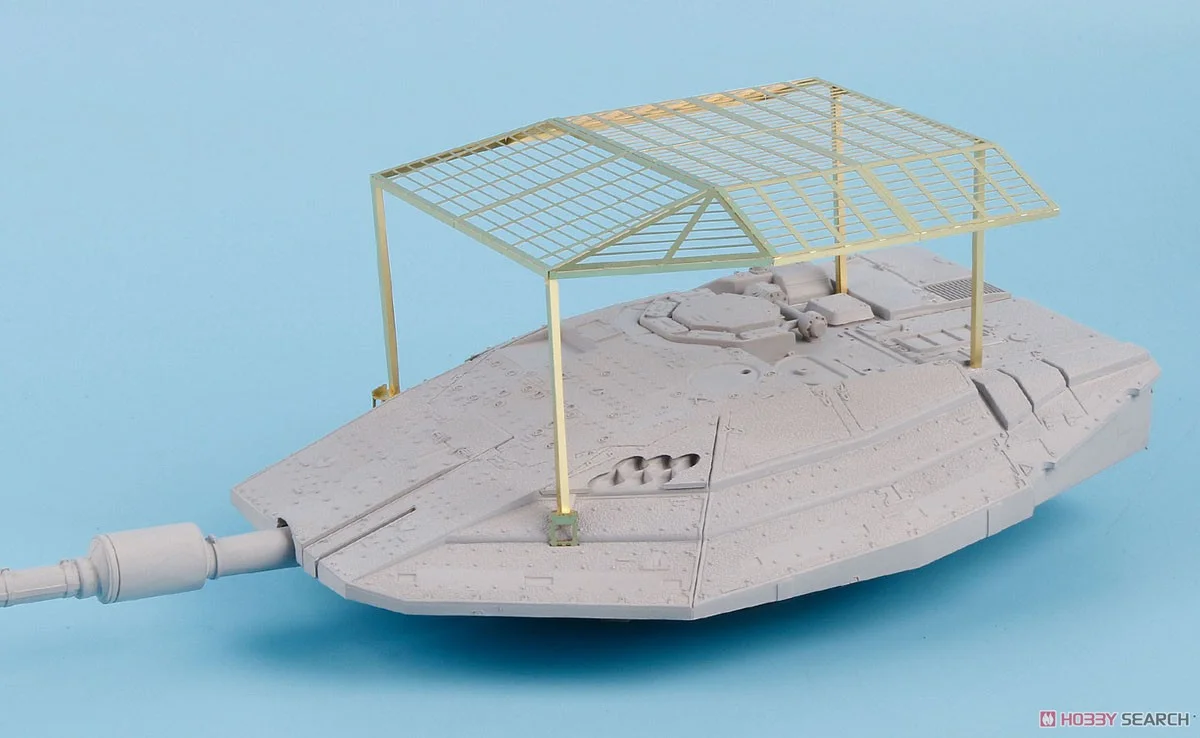
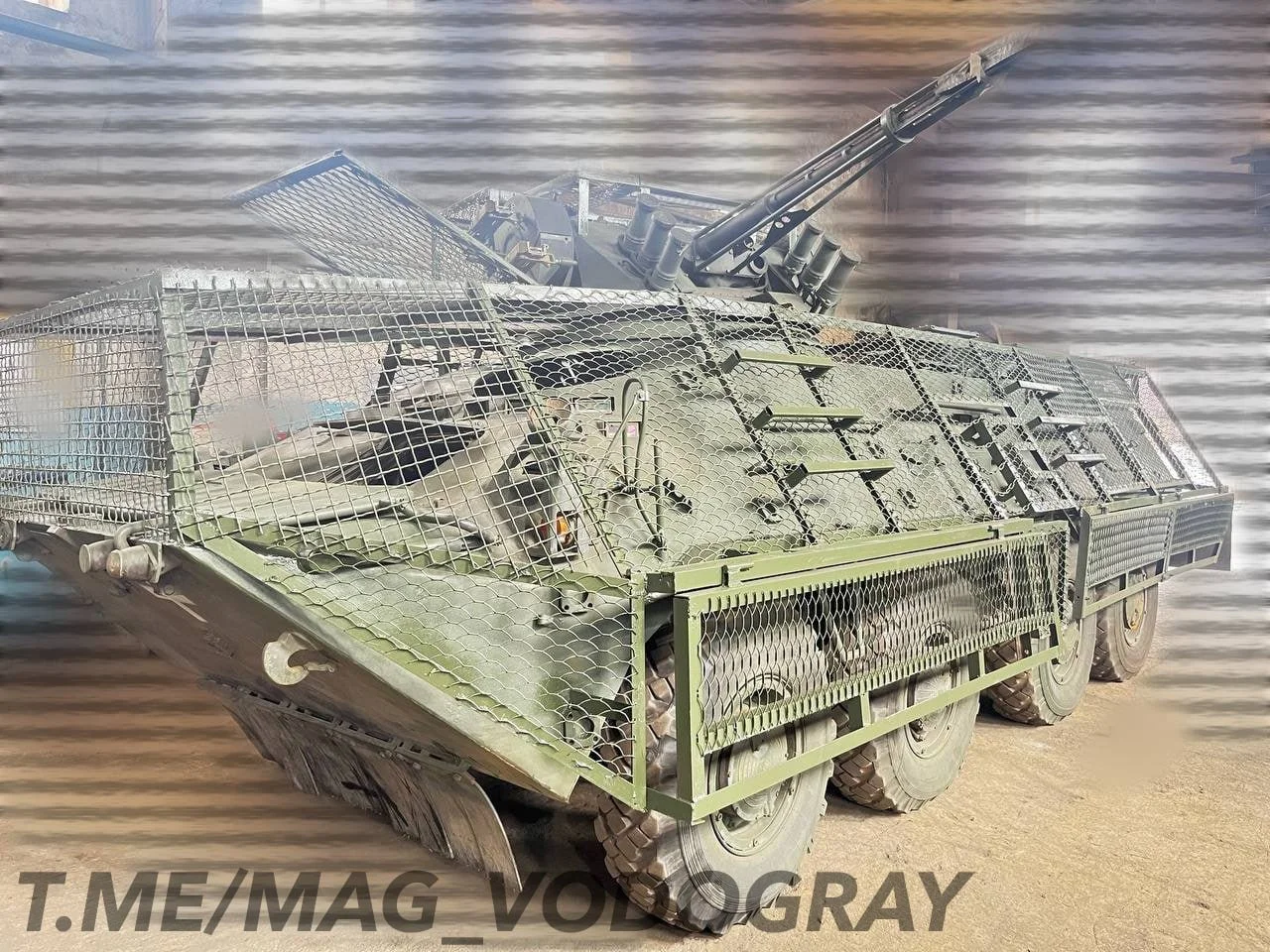
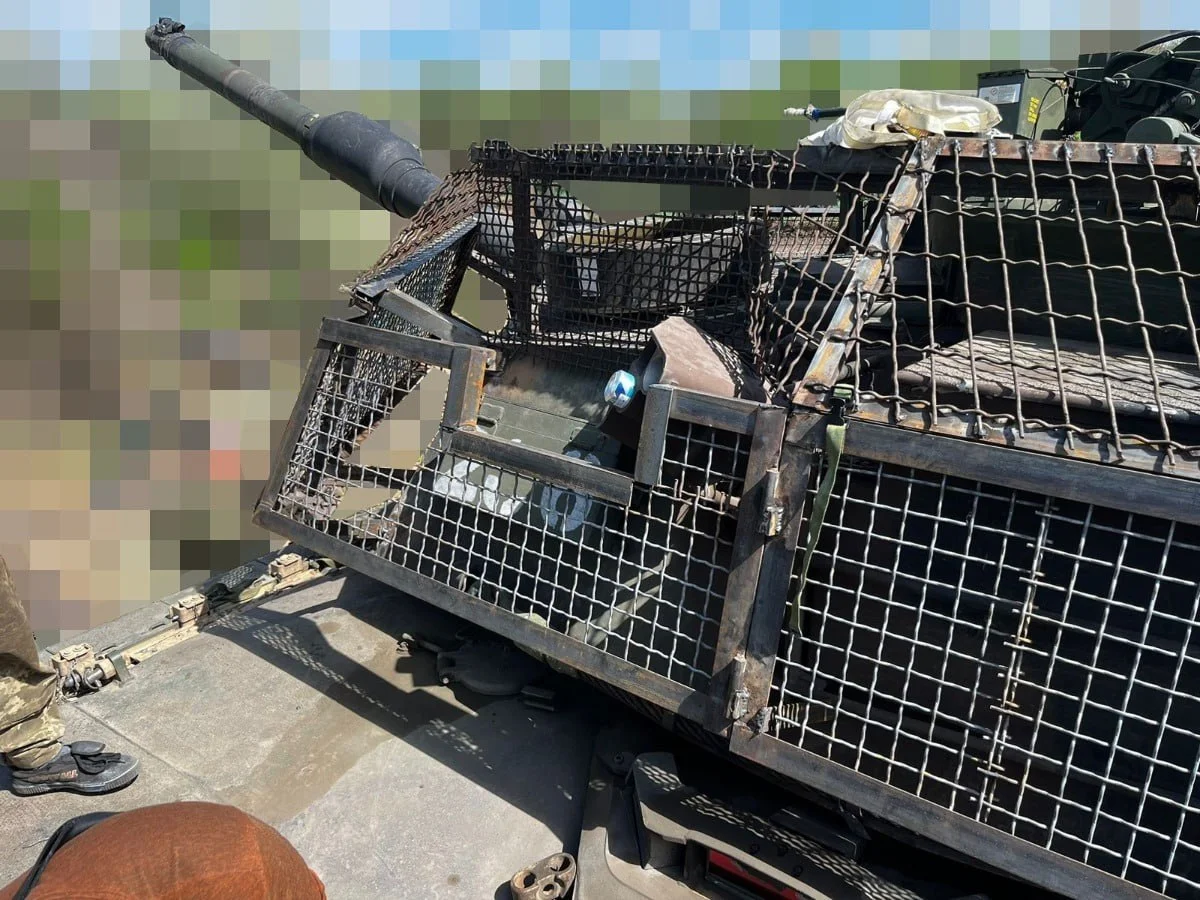
- Cope cage armor — overhead protective cage structures designed to defeat top-attack munitions and drone-dropped bomblets
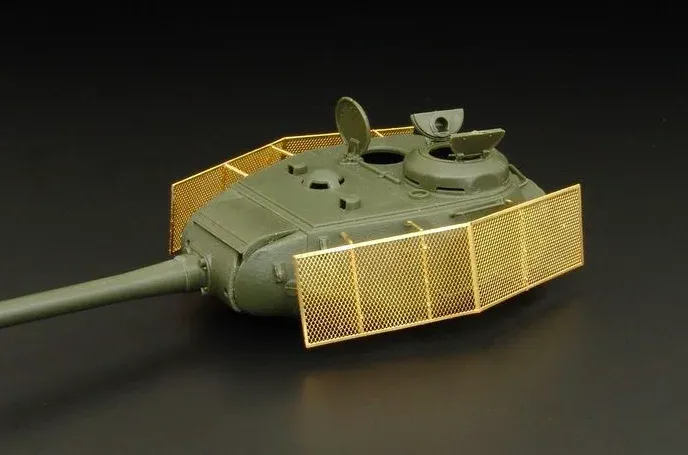
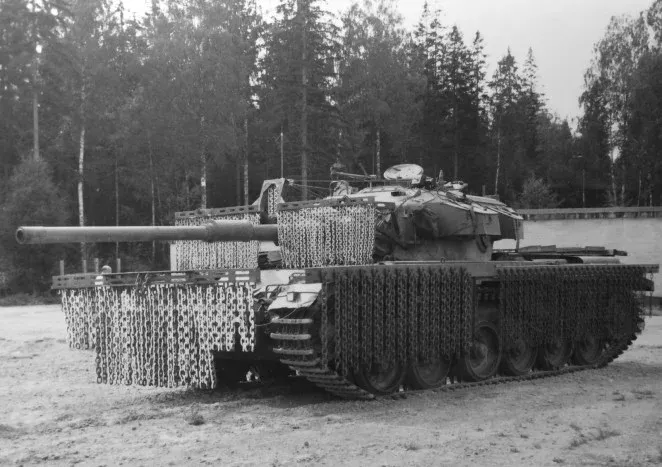
- Standoff armor — spaced armor panels mounted at a distance from the hull to disrupt shaped-charge jets
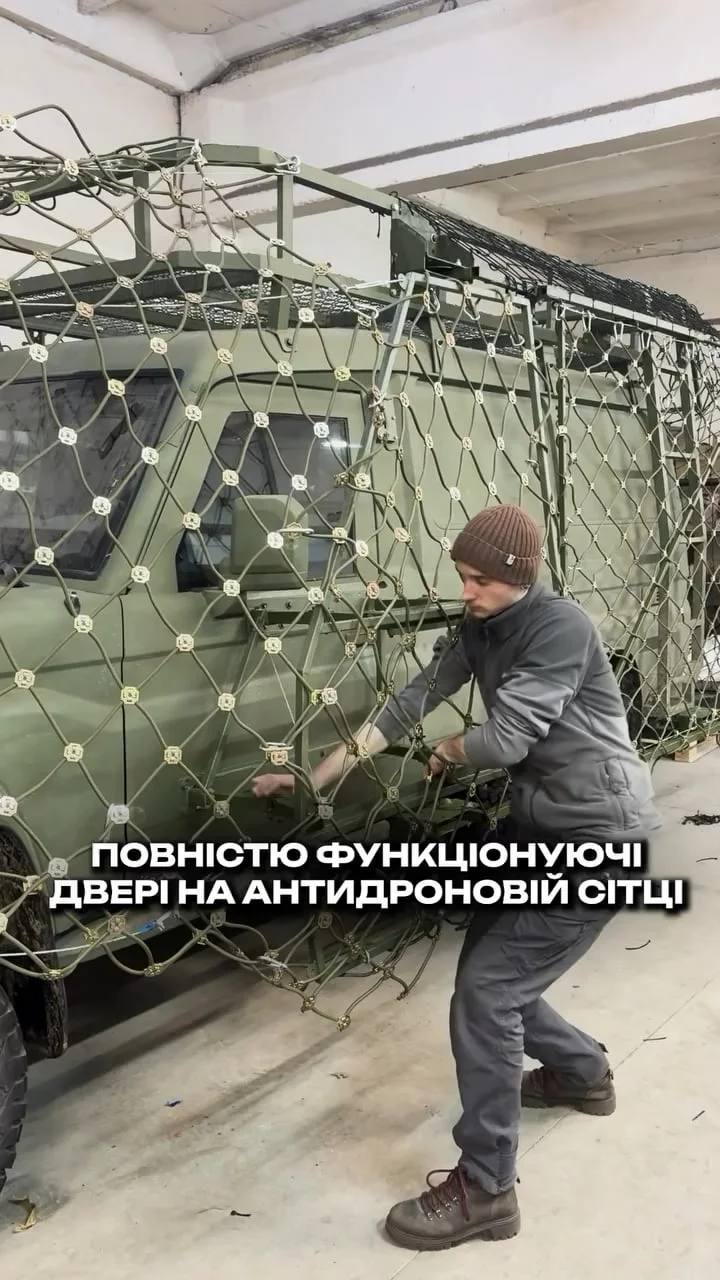
- Anti-drone cage armor — purpose-built cages offering 360-degree protection against loitering munitions and FPV drones
- Build-to-print armor assemblies — custom fabrications manufactured to your engineering drawings and specifications
Determine Material and Process Requirements
Each armor type requires specific material grades and fabrication processes. Key questions to answer before approaching suppliers include: What steel grade and thickness are specified in your design? Are there weld procedure specifications (WPS) that must be qualified? What tolerance standards apply to your weldments — for example, cope cage armor production tolerances for bolt-hole alignment or panel flatness? Do your drawings call for MIL-SPEC or commercial-grade fabrication? Do you require material traceability from the steel mill through final assembly? Having these specifications documented before you begin your search will dramatically streamline the evaluation process.
Volume and Timeline Expectations
Be realistic about your production volume and delivery schedule. Some armor fabrication companies are better suited for rapid prototyping and low-rate initial production, while others excel at high-volume serial production of standardized cope cage or slat armor units. Communicate your expected monthly quantity, target delivery dates, and any surge requirements early in the conversation.
Certifications and Quality Standards to Verify
Not all metal fabrication shops are qualified for armor work. Military and defense programs typically require adherence to international quality management standards and specific defense-sector certifications. When evaluating how to select an armor fabrication partner in China, certification verification should be a non-negotiable first step.
ISO 9001:2015 — The Baseline
At minimum, your potential partner should hold ISO 9001:2015 certification for quality management systems. This certifies that they follow documented procedures for production, inspection, and corrective action. However, ISO 9001 alone is rarely sufficient for armor work — it is a general manufacturing standard, not a defense-specific one.
Defense and Military-Specific Certifications
Look for partners who hold or are working toward defense-sector certifications such as:
- GJB 9001C — China's military quality management system standard, equivalent to AQAP or ISO 9001 with defense-specific requirements
- MIL-SPEC compliance — demonstrated experience fabricating to US MIL-SPEC or NATO STANAG standards
- Weld procedure qualifications (WPQ/WPS) — certified weld procedures for armor steel grades such as Armox, Hardox, MIL-A-46100, and Chinese equivalent armor plates
- NDT personnel certifications — ASNT Level II or Level III certified inspectors for ultrasonic testing (UT), magnetic particle testing (MT), and dye penetrant testing (PT)
Third-Party Audits and Client References
Request recent third-party audit reports and contact previous defense-sector clients. Reputable armor fabrication partners will readily share audit findings, client references, and case studies of similar projects. If a supplier is evasive about certifications or unable to name previous defense clients, this is a significant warning sign.
Evaluating Technical Fabrication Capabilities
Technical capability is the single most important factor when selecting an OEM armor manufacturing partner in China. You need a shop that has the equipment, skilled labor, and process maturity to produce armor assemblies that meet ballistic and structural requirements. This section breaks down the specific technical areas you must evaluate.
Armor Welding and Plate Fabrication Expertise
Armor steel welding is fundamentally different from structural steel welding. Armor plates — whether MIL-A-46100, Armox, or Chinese-grade armor steel — have high carbon content and hardness that makes them prone to hydrogen-induced cracking (HIC) if welded improperly. A qualified armor fabrication company should demonstrate:
- Preheat and interpass temperature control systems calibrated for armor steel grades
- Low-hydrogen welding processes (GMAW, FCAW, or SAW) with proper consumable selection
- Controlled cooling rates to prevent martensite formation in the heat-affected zone
- Certified welders with documented experience on military vehicle armor welding projects
- Armor plate welding services that include both butt welds and fillet welds on plates up to 50 mm thick
Cope Cage and Slat Armor Fabrication Experience
Specialized armor products like cope cages and slat armor require dedicated fabrication expertise. When evaluating cope cage fabrication capabilities, look for:
- Experience fabricating overhead cage structures that withstand blast overpressure and fragmentation
- Jig and fixture tooling designed for repeatable cope cage armor welding specifications
- Knowledge of slat armor welding techniques — precise bar spacing that defeats RPG shaped charges while minimizing weight
- Slat armor steel selection — choosing the right balance of hardness, toughness, and weldability for the threat level
- Anti-drone cage armor experience, including 360-degree coverage designs for loitering munition threats
The Build-to-Print and Custom Fabrication Workflow
Many defense programs operate on a build-to-print basis, where the customer provides complete engineering drawings and the fabricator executes to specification. Others require a more collaborative custom fabrication workflow, where the supplier provides design-for-manufacturing (DFM) input, material recommendations, and process engineering support. Understanding a potential partner's workflow maturity is essential to selecting an armor fabrication partner in China that fits your project.
Build-to-Print (BTP) Armor OEM
If your program has fully released engineering drawings, you need a build to print armor OEM that can execute without value engineering changes. Key workflow elements include:
- Drawing review and discrepancy reporting before production begins
- Material procurement traceable to your specified steel grades and mill sources
- CNC laser cutting, plasma cutting, or waterjet cutting of armor plate with certified edge quality
- Robotic or manual welding per qualified WPS with documented weld maps
- Dimensional inspection reporting at each fabrication stage
Custom Armor Fabrication Workflow
For development-stage or prototype programs, a custom armor fabrication workflow that includes engineering support is valuable. Look for partners that offer:
- DFM analysis to optimize your design for weld accessibility and distortion control
- Prototype fabrication with iterative feedback loops
- First-article inspection (FAI) per AS9102 or equivalent standard
- Production ramp-up support from prototype through low-rate initial production (LRIP) to full-rate production
Drawing-to-Delivery Process Integration
The best armor fabrication companies integrate their entire workflow from drawing receipt to final shipping. When evaluating a drawing to delivery armor fabrication process, look for digital workflow management, real-time production status visibility, and a single point of contact for program management. This integration reduces the risk of miscommunication, missed milestones, and quality escapes.
Quality Assurance: NDT Inspection and Material Traceability
Armor fabrication leaves zero room for hidden defects. A weld failure in a cope cage or slat armor assembly can have catastrophic consequences in theater. Rigorous quality assurance — including non-destructive testing (NDT) and complete material traceability — separates a professional armor fabrication company from a general metal shop.
NDT Inspection Capabilities
The standard NDT methods for armor fabrication include:
- Ultrasonic Testing (UT) — detects subsurface discontinuities in armor plate and weld metal, including lack of fusion, porosity, and cracks. Armor plate inspection NDT using UT is critical for verifying base material integrity before fabrication begins.
- Magnetic Particle Testing (MT) — identifies surface and near-surface cracks in ferromagnetic armor steel welds. Essential for UT MT welding inspection armor protocols.
- Dye Penetrant Testing (PT) — detects surface-breaking defects in non-magnetic materials or areas where MT cannot be applied.
- Radiographic Testing (RT) — X-ray or gamma-ray inspection of critical welds for volumetric defects.
Material Traceability and Certification
Every piece of armor plate that enters your product must be traceable from mill through final assembly. A qualified partner maintains:
- Mill test reports (MTRs) for all armor steel lots received
- Heat number and lot number tracking throughout cutting, welding, and assembly
- Positive material identification (PMI) verification for alloy content
- Hardness testing (Brinell or Rockwell) to confirm armor plate meets specified hardness range
- Digital records linking each finished assembly to its constituent material lots and weld records
Comparing Armor Fabrication Quotes and Managing Lead Times
Cost is always a factor in defense procurement, but the lowest armor fabrication quote rarely represents the best value. Understanding how Chinese armor fabricators structure their pricing and lead times will help you make a cost-effective decision without compromising quality.
Understanding Armor Fabrication Quotes
A professional armor fabrication quote from a Chinese supplier should include clear line items for:
- Material costs — base steel price plus any armor-grade surcharges for certified ballistic plate
- Fabrication labor — cutting, forming, welding, and assembly hours at agreed shop rates
- NDT and inspection charges — UT, MT, and dimensional inspection per your quality plan
- Heat treatment costs — stress relief or post-weld heat treatment if required by your specification
- Packaging and logistics — export-grade crating, container loading, and inland transportation to port
- Tooling and fixture amortization — NRE (non-recurring engineering) costs spread across the production run
Lead Time Considerations
Lead times for armor fabrication in China typically range from 8 to 20 weeks depending on complexity, material availability, and current shop loading. When requesting a military fabrication quote China, discuss:
- Material procurement lead time — armor plate may have longer mill lead times than structural steel
- First-article fabrication and inspection timeline
- Production throughput rate — how many units per week at full production
- Expedite options and associated costs for accelerated delivery
Total Cost of Ownership Beyond the Quote
Consider the total cost of ownership, not just the unit price. A partner with robust quality systems may have a higher per-unit quote but will deliver fewer rejects, less rework, and lower risk of field failures. Factor in the cost of third-party inspections, travel for source inspection, and potential liability from substandard work when comparing quotes.
Red Flags When Choosing an Armor Fabrication Partner
Not every metal fabricator that claims to do armor work can actually deliver. Experience evaluating how to select an armor manufacturing partner in China reveals several common red flags that should prompt you to look elsewhere.
Lack of Material Certification Traceability
A fabricator that cannot provide mill test reports or maintain heat number traceability is not equipped for armor work. Ballistic performance depends on precise chemistry and hardness. Without traceability, you cannot verify that the plate meets your specified armor standard.
Inadequate or Missing NDT Capabilities
If a potential partner does not perform UT and MT inspection in-house or through a qualified third-party lab, walk away. Armor welds must be inspected. There is no exception. Fabricators that rely only on visual inspection cannot guarantee weld integrity for ballistic loads.
Vague or Inconsistent Communication
Clear, responsive communication is essential for cross-border defense manufacturing partnerships. If a supplier is slow to respond, evasive about technical questions, or unable to provide clear answers about their capabilities, this usually signals deeper problems with process control and quality management.
Unrealistically Low Pricing
Armor fabrication involves certified materials, qualified welders, NDT inspection, and rigorous quality control. If a quote comes in dramatically lower than competing bids, question what they are omitting. Cutting corners on material grade, weld quality, or inspection frequency can compromise the safety of the end user.
No Previous Defense or Military Work
While every fabricator has to start somewhere, armor fabrication for military applications is not a learning project. If a shop cannot demonstrate prior experience with military vehicle armor welding, cope cage fabrication, or similar defense work, consider them unqualified for your program unless they have a clear plan for capability development under your supervision.
Why Dengtai Is Your Trusted Armor Fabrication Partner in China
When you need a reliable armor manufacturing partner in China, Dengtai brings together all the qualifications, capabilities, and quality systems discussed in this guide. As a specialized armor fabrication company with years of experience in defense-sector manufacturing, we offer:
- Comprehensive armor capabilities — from cope cages and slat armor to standoff armor and anti-drone cage systems for wheeled and tracked armored vehicles
- Certified quality systems — ISO 9001:2015 compliant with documented weld procedures, NDT inspection protocols, and full material traceability
- Skilled armor welding workforce — certified welders experienced with armor plate welding services for MIL-SPEC and commercial armor grades
- End-to-end workflow — seamless build to print armor OEM execution with DFM support and drawing to delivery armor fabrication program management
- Competitive pricing — transparent armor fabrication quote development with no hidden costs and realistic lead times
- Export experience — proven track record of shipping armor fabrications to international defense customers with proper export documentation and packaging
Our team understands that armor fabrication is not just metalworking — it is life-safety equipment. Every weld, every inspection, and every assembly step is executed with the understanding that the product must perform under combat conditions. Contact Dengtai to discuss your project requirements and receive a detailed military fabrication quote China tailored to your program.
Conclusion
Choosing the right armor manufacturing partner is a strategic decision that affects program cost, schedule, and — most importantly — the safety of the personnel who rely on your equipment. By following the framework in this guide, you can evaluate potential partners systematically and select one that meets your technical, quality, and commercial requirements.
To summarize the key steps in how to choose an armor fabrication partner in China:
- Define your armor product type, material specifications, volume, and timeline requirements
- Verify certifications, including ISO 9001, defense-specific standards, and NDT personnel qualifications
- Evaluate technical capabilities — welding expertise, cope cage and slat armor experience, equipment, and process control
- Assess workflow maturity — build-to-print execution, custom fabrication support, and program management integration
- Confirm NDT inspection capabilities and material traceability systems
- Compare quotes holistically — consider total cost of ownership, not just unit price
- Watch for red flags in communication, pricing, and capability claims
Dengtai is ready to partner with you on your next armor fabrication project. With deep expertise in cope cage fabrication, military vehicle armor welding, and OEM armor fabrication China, we have the experience and infrastructure to deliver quality armor assemblies on time and on budget. Contact us today to start the conversation.