Introduction
When military vehicles, armored personnel carriers, or tanks need custom protection against modern battlefield threats, the path from concept to finished armor follows a carefully structured custom armor fabrication workflow. Understanding this workflow is critical for defense buyers, procurement officers, and military logistics teams who need to plan budgets, timelines, and technical requirements.
In this comprehensive guide, we walk through every stage of the custom armor fabrication process — from initial design consultation through final delivery — so you know exactly what to expect when commissioning armored protection for any military platform.
What Is Custom Armor Fabrication?
Custom armor fabrication refers to the design and manufacturing of protective armor systems tailored to specific military vehicles, equipment, or structures. Unlike off-the-shelf armor products, custom fabrication follows a defined custom armor fabrication workflow that addresses the unique geometry, threat profile, and operational requirements of each platform.
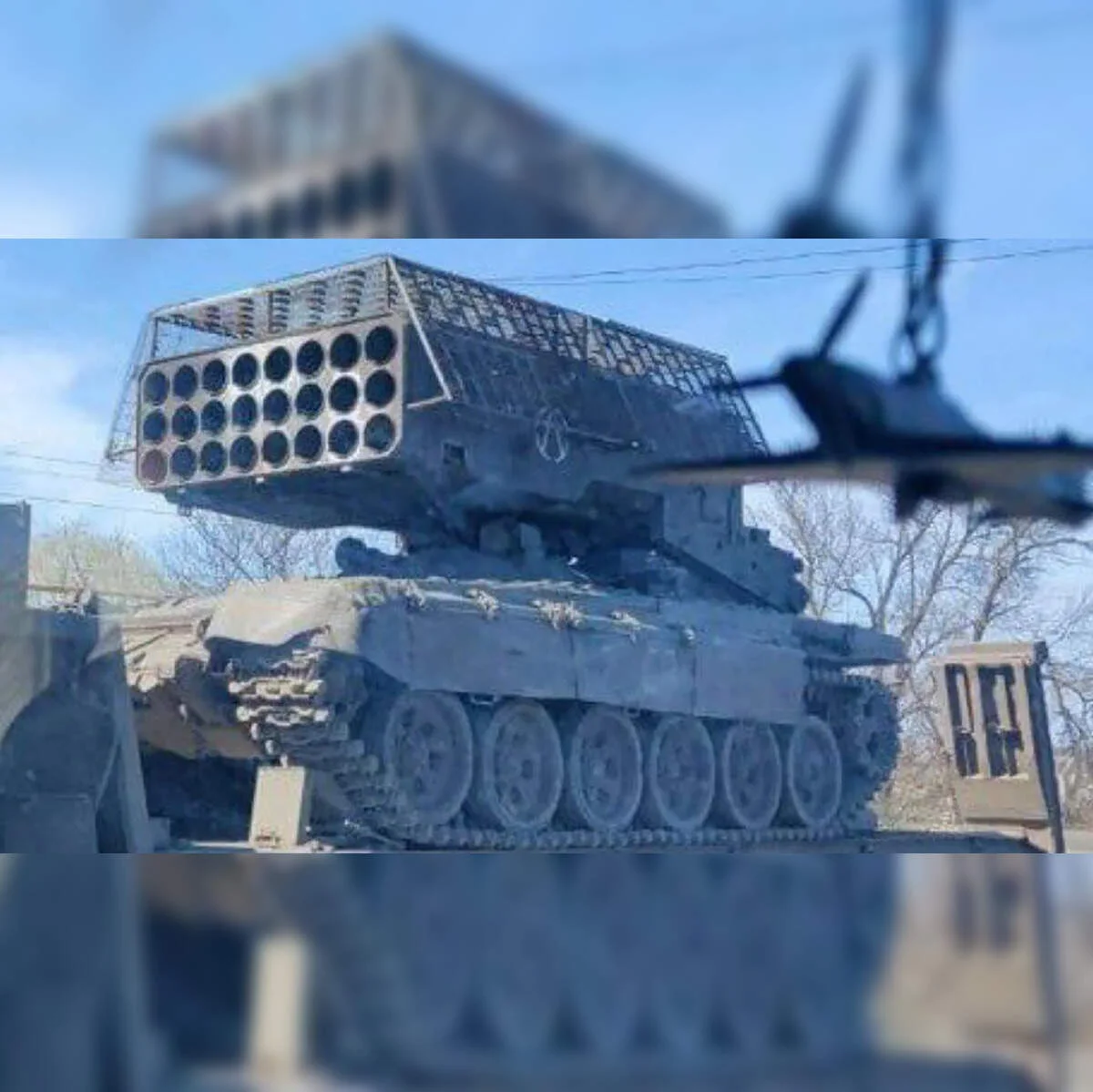
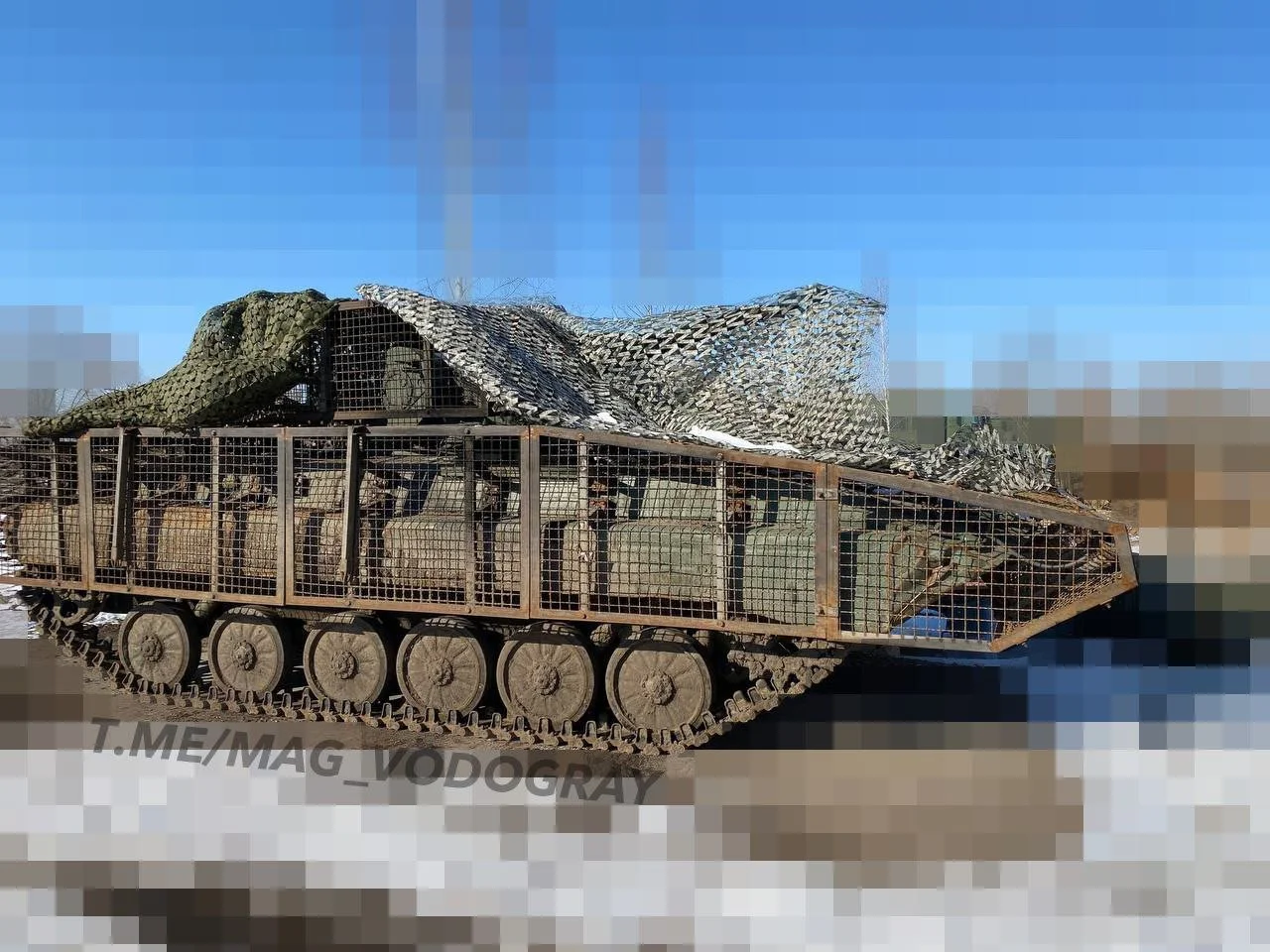
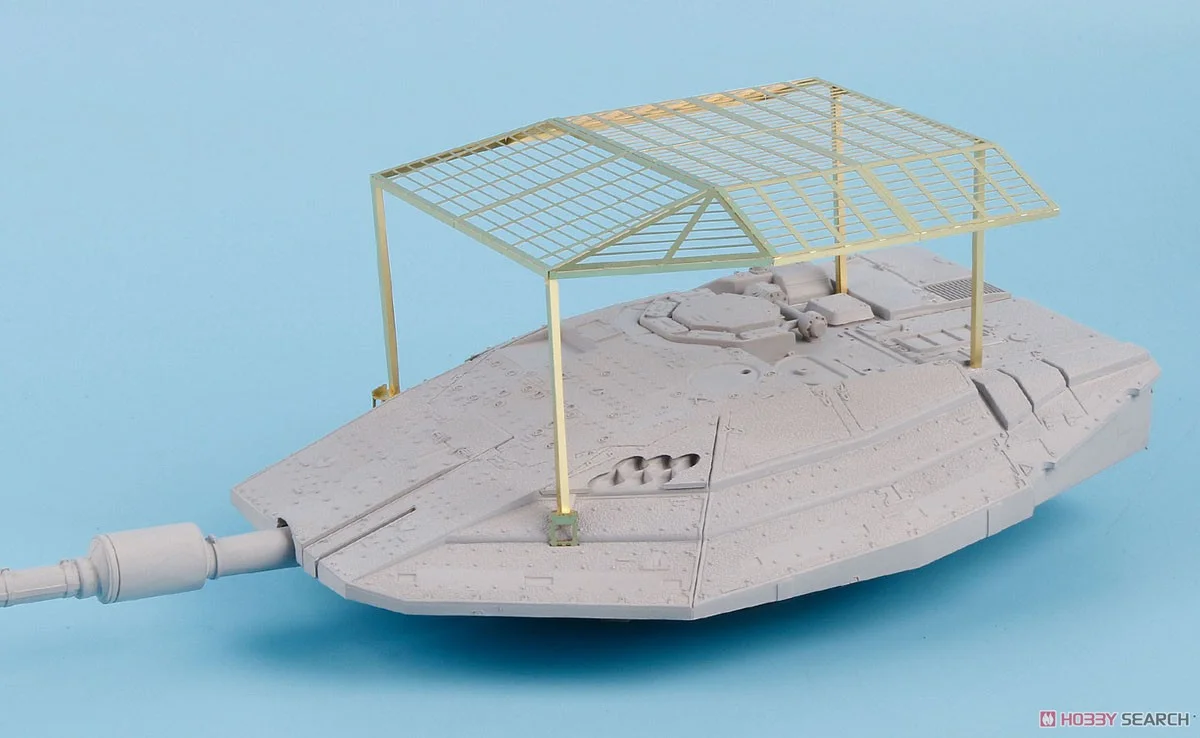
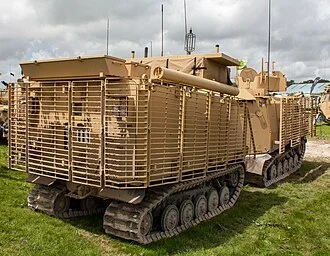
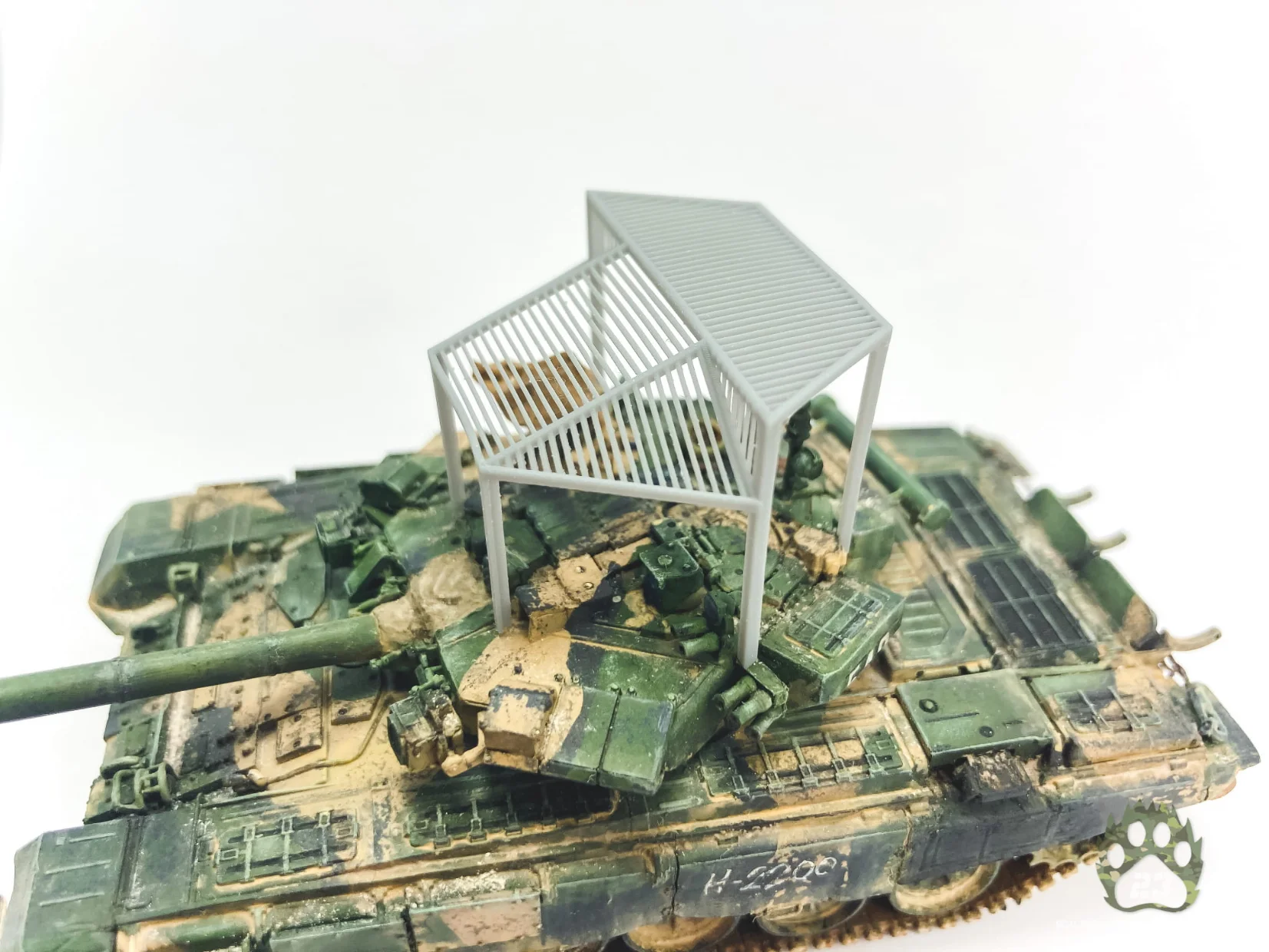
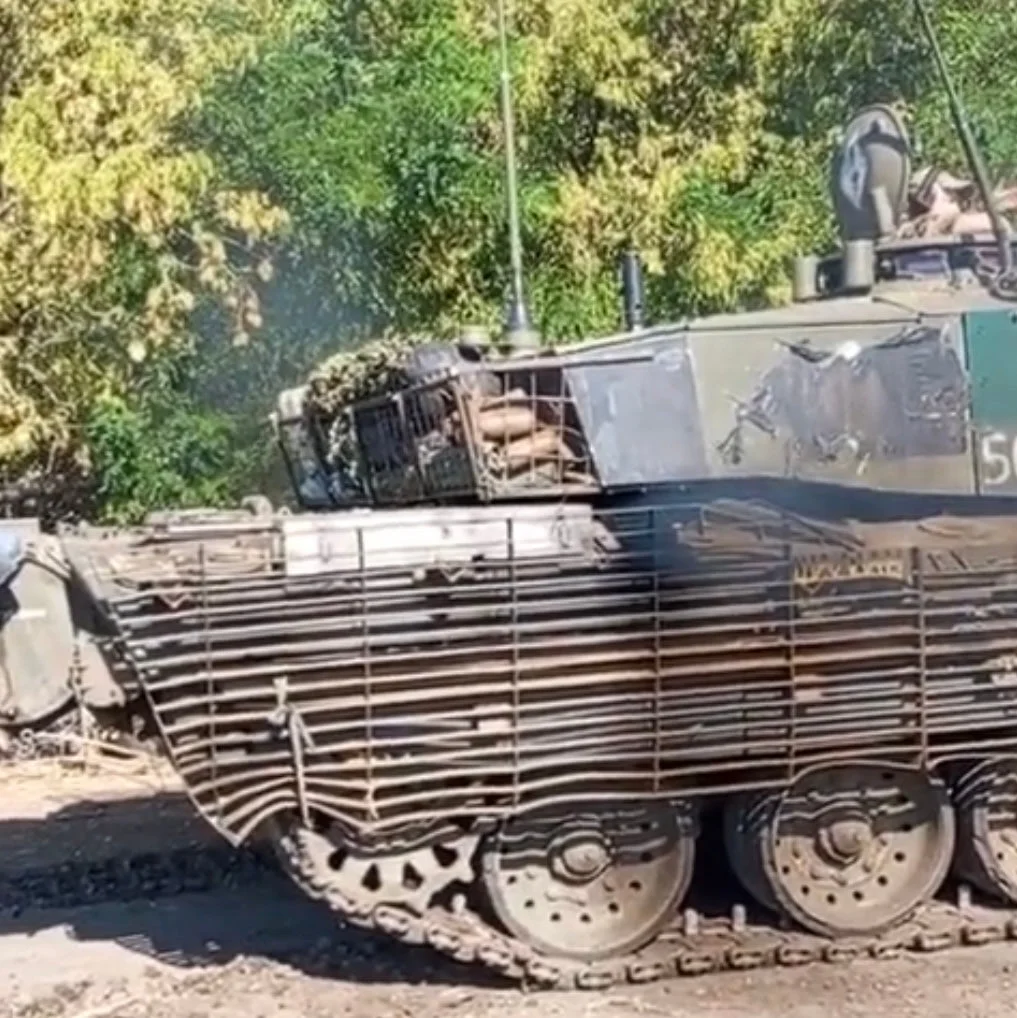
Common examples include cope cage armor fabrication for main battle tanks, slat armor for infantry fighting vehicles, anti-drone cage armor for self-propelled howitzers, and welded armor cages for logistical vehicles. Each project follows the same fundamental fabrication steps but adapts materials, dimensions, and mounting systems to the specific vehicle.
Whether you need a full drawing to delivery armor fabrication service or just fabrication from existing drawings, understanding the complete process helps you manage expectations and communicate effectively with your fabrication partner. The key distinction between custom and standard armor lies in the engineering phase — custom work requires detailed drawings, material certifications, weld procedure specifications (WPS), and quality control documentation tailored to each unique design.
The Custom Armor Fabrication Workflow: Step-by-Step
The custom armor fabrication workflow consists of seven major stages, each with specific deliverables and quality gates. This structured approach ensures that every armor system meets battlefield performance requirements while maintaining cost efficiency and schedule adherence.
The seven steps are:
- Step 1 — Design Consultation and Requirements Analysis: Understanding threat levels, vehicle specifications, and operational environment
- Step 2 — Engineering Drawings and Technical Specifications: Converting requirements into precise CAD models and manufacturing drawings
- Step 3 — Material Selection and Steel Grade Sourcing: Choosing the right armor steel grades and sourcing certified materials
- Step 4 — CNC Cutting and Plate Preparation: Precision cutting of armor plates using CNC plasma, laser, or waterjet systems
- Step 5 — Welding and Assembly: Structural welding following qualified weld procedure specifications (WPS)
- Step 6 — Quality Control and NDT Inspection: Non-destructive testing including ultrasonic, magnetic particle, and visual inspection
- Step 7 — Surface Treatment and Final Finishing: Coating, painting, and final assembly preparation for shipment
Each step builds on the previous one, and most projects include milestone reviews where the buyer can inspect progress and approve next stages.
Step 1: Design Consultation and Requirements Analysis
The first and most critical step in any custom armor fabrication workflow is the design consultation phase. During this stage, the fabrication team works directly with the buyer to understand:
- Vehicle platform: Make, model, year, and existing mounting points
- Threat profile: What threats the armor must defeat (FPV drones, RPGs, small arms fire, shrapnel)
- Operational constraints: Weight limits, mobility requirements, crew access needs
- Environmental factors: Climate, terrain, expected temperature range
- Regulatory requirements: Military standards (MIL-STD), ITAR/EAR export controls
The design phase typically involves site surveys (or detailed photographic reference), vehicle measurement sessions, and iterative concept reviews. For complex platforms like main battle tanks, this phase may also include 3D laser scanning to capture exact vehicle geometry. The deliverable from this stage is a design requirements document (DRD) that serves as the project specification baseline.
Step 2: Engineering Drawings and Technical Specifications
Once the design requirements are finalized, the engineering team creates detailed technical drawings. These drawings include:
- 3D CAD models: Solid models showing the armor system mounted on the vehicle
- 2D manufacturing drawings: Dimensioned drawings with tolerances for each plate and component
- Weld maps: Diagrams showing every weld location, weld type, and weld size
- Bill of materials (BOM): Complete list of all materials, fasteners, and hardware
- Mounting system design: Brackets, hinges, and attachment points for vehicle integration
Technical specifications define material grades, weld standards (AWS D1.1, ISO 3834), surface finish requirements, and acceptance criteria. The engineering drawings must be reviewed and approved by the buyer before fabrication begins. Drawing formats commonly accepted include DXF, DWG, STEP, and PDF.
Step 3: Material Selection and Steel Grade Sourcing
Armor steel selection is a critical decision in the custom armor fabrication workflow that directly affects protection level, weight, and cost. Common armor steel grades include:
| Steel Grade | Hardness (BHN) | Typical Application |
|---|---|---|
| AR400 | 360-440 | Light armor, vehicle underbodies |
| AR500 | 460-540 | Cope cages, slat armor, anti-drone cages |
| MIL-A-12560 | 320-420 | Military vehicle hulls and turrets |
| Hardox 450/500 | 425-500 | Ballistic protection, structural armor |
| Armox 500T | 480-540 | High-hardness armor for extreme threats |
Material sourcing requires mill test certificates (MTCs) that verify chemical composition and mechanical properties. Reputable armor fabrication shops maintain relationships with certified steel mills and stock common grades for faster turnaround. Buyers should always request material certifications as part of the project documentation package.
Step 4: CNC Cutting and Plate Preparation
After materials are sourced, armor plates move to the cutting stage. Modern armor fabrication facilities use several cutting technologies:
- CNC plasma cutting: Ideal for thick armor plate (10-50mm), fast and cost-effective
- CNC laser cutting: Superior edge quality for thinner plates (under 20mm)
- Abrasive waterjet cutting: No heat-affected zone (HAZ), excellent for precision work
- CNC machining: For bolt holes, mounting slots, and precision features
Plate preparation also includes edge beveling for weld joints, drilling or punching mounting holes, and surface cleaning to remove mill scale and contaminants. Proper edge preparation is essential for achieving full-penetration welds that meet military standards.
Step 5: Welding and Assembly
Welding is the core manufacturing step in the custom armor fabrication workflow. Armor welding requires certified welders who understand how to join high-hardness steel without compromising ballistic properties. Key welding processes include:
- Gas Metal Arc Welding (GMAW/MIG): High deposition rate, suitable for long structural seams
- Flux-Cored Arc Welding (FCAW): Excellent for outdoor fabrication, deep penetration
- Shielded Metal Arc Welding (SMAW/Stick): Used for field repairs and thick plate joints
- Gas Tungsten Arc Welding (GTAW/TIG): Precision welding for thin sections and critical joints
Weld procedure specifications (WPS) must be qualified for armor steel grades, and welder performance qualifications (WPQ) must be current. Pre-heating and interpass temperature control are critical for preventing hydrogen-induced cracking in high-hardness armor steels. After welding, components are assembled into the complete armor system using mechanical fasteners, hinges, and quick-release mechanisms as specified in the design.
Step 6: Quality Control and NDT Inspection
Quality management is integral to every armor fabrication project. The custom armor fabrication workflow includes multiple inspection points, but the most comprehensive QC happens after welding is complete. Non-destructive testing (NDT) methods used in armor fabrication include:
- Visual inspection (VT): 100% of welds inspected for surface defects, undercut, and proper profile
- Ultrasonic testing (UT): Detects subsurface flaws in weld joints and base material
- Magnetic particle testing (MT): Finds surface and near-surface cracks in ferromagnetic armor steel
- Dye penetrant testing (PT): Reveals surface-breaking defects in non-ferrous components
- Radiographic testing (RT): X-ray or gamma-ray inspection of critical weld joints
Quality documentation includes NDT reports, weld maps with inspector sign-offs, material traceability records, and dimensional inspection reports. Most defense contracts require QC documentation packages that comply with MIL-STD or ISO 9001 quality management systems.
Step 7: Surface Treatment and Final Finishing
The final fabrication stage applies protective coatings and prepares the armor system for shipment. Surface treatment steps include:
- Abrasive blasting: Removes mill scale, rust, and contaminants from all surfaces
- Primer application: Zinc-rich or epoxy primer for corrosion protection
- Top coat: Military-grade polyurethane or CARC (Chemical Agent Resistant Coating) paint
- Anti-corrosion treatment: For vehicles operating in coastal or humid environments
- Final assembly: Installing hinges, latches, quick-release pins, and mounting hardware
After finishing, the completed armor system undergoes a final fit check and dimensional verification before being crated for shipment. Export documentation, customs paperwork, and shipping arrangements are finalized during this stage.
How Long Does the Custom Armor Fabrication Process Take?
The timeline for custom armor fabrication varies based on complexity, quantity, and current shop capacity. Typical lead times by project type:
| Project Type | Typical Timeline | Key Factors |
|---|---|---|
| Simple cope cage (single vehicle) | 4-6 weeks | Existing design, standard materials |
| Custom armor cage (new design) | 8-12 weeks | Engineering, prototyping, tooling |
| Fleet armor package (10+ vehicles) | 12-20 weeks | Production scheduling, batch QC |
| Complex vehicle conversion | 16-24 weeks | Full engineering, integration testing |
The design phase typically takes 1-3 weeks depending on whether existing drawings can be adapted or new designs are required. Material procurement adds 1-2 weeks for standard steel grades and 3-4 weeks for specialty materials. Fabrication itself takes 2-6 weeks for most armor cage projects. Quality control and finishing add 1-2 weeks at the end.
The Design Phase in Custom Armor Fabrication
The design phase is the foundation of every successful armor fabrication project. During this phase, engineers translate operational requirements into manufacturable designs. Key design activities include:
- Threat analysis: Determining the specific threats the armor must defeat (drone-dropped munitions, anti-tank guided missiles, small arms fire)
- Standoff distance calculation: Determining optimal gap between armor and vehicle hull for shaped charge disruption
- Weight distribution analysis: Ensuring the armor does not exceed vehicle suspension and mobility limits
- Crew access and visibility: Designing openings for hatches, vision blocks, and weapon systems
- Mounting system engineering: Creating brackets that attach to existing vehicle hard points without structural modification
The design phase also includes digital prototyping using finite element analysis (FEA) to simulate ballistic impacts and structural loads. This computational approach reduces the need for physical prototypes and accelerates the design iteration cycle. Most reputable armor fabrication shops provide 3D renderings and installation diagrams as part of the design phase deliverable.
Managing Quality in Armor Fabrication Workflow
Managing quality throughout the custom armor fabrication workflow requires a systematic approach that starts before the first cut and continues through final inspection. Key quality management practices include:
- Pre-production quality planning: Defining inspection points, acceptance criteria, and documentation requirements before fabrication begins
- In-process inspection: Checking critical dimensions and weld quality at each fabrication stage rather than waiting until completion
- Material traceability: Tracking each plate and component from receiving through fabrication to final assembly using heat numbers and serial numbers
- Weld control: Pre-qualifying weld procedures, certifying welders, and monitoring welding parameters (voltage, amperage, travel speed, preheat temperature)
- Third-party inspection: Some defense contracts require independent inspection by classification societies or government quality assurance representatives
Quality management documentation typically includes a quality control plan (QCP), inspection and test plans (ITP), non-conformance reports (NCR), and corrective action reports (CAR). This documentation is essential for MIL-STD compliance and forms the basis of the quality record package delivered with the finished armor.
Documentation Needed for Custom Armor Fabrication
Proper documentation is essential for every custom armor fabrication project. The documentation package serves multiple purposes: it provides the technical basis for fabrication, enables quality verification, supports export compliance, and creates a maintenance record for the end user. Required documentation typically includes:
- Design requirements document (DRD): Project scope, threat specification, and performance criteria
- Engineering drawings: CAD models, 2D manufacturing drawings, and assembly instructions
- Bill of materials (BOM): Complete material list with grades, thicknesses, and quantities
- Material test certificates (MTCs): Mill certifications for all armor steel
- Weld procedure specifications (WPS): Qualified welding procedures for each joint type
- Welder performance qualifications (WPQ): Certifications for each welder on the project
- Inspection and test plan (ITP): Schedule of inspection points and acceptance criteria
- NDT reports: Results of ultrasonic, magnetic particle, and visual inspections
- Certificate of conformance (CoC): Signed statement that the product meets all specifications
Document Checklist for Armor Projects
Based on the documentation requirements above, here is a practical checklist for buyers preparing to commission a custom armor fabrication project:
| Category | Document / Item | Provided By |
|---|---|---|
| Vehicle Data | Vehicle make, model, year, photos, measurements | Buyer |
| Threat Specs | Threat types, protection level required, STANAG level | Buyer |
| Design Input | Reference drawings, existing CAD files (if available) | Buyer |
| Engineering | CAD models, manufacturing drawings, weld maps | Fabricator |
| Materials | Mill test certificates for all supplied steel | Fabricator |
| Quality Plan | ITP, NDT procedures, acceptance criteria | Fabricator |
| Compliance | Export licenses, end-user certificates (if required) | Buyer / Fabricator |
| Final Record | CoC, NDT reports, as-built drawings, maintenance manual | Fabricator |
Having this documentation organized before the project starts accelerates the quoting process and prevents misunderstandings during fabrication.
Conclusion
The custom armor fabrication workflow is a structured, multi-stage process that turns battlefield protection requirements into delivered armor systems. By understanding the seven steps — from design consultation through final finishing — defense buyers can better plan budgets, set realistic timelines, and ensure their armor meets the required quality standards.
Whether you need a cope cage for an Abrams tank, slat armor for a BMP, or a custom welded armor cage for a logistics vehicle, following this workflow with an experienced fabrication partner ensures your project delivers the protection your forces need. The key is to start with clear requirements, maintain open communication throughout the engineering phase, and demand proper quality documentation at every stage.
If you are planning an armor fabrication project, contact us to discuss your requirements and receive a detailed project proposal with timeline and cost breakdown.