Introduction
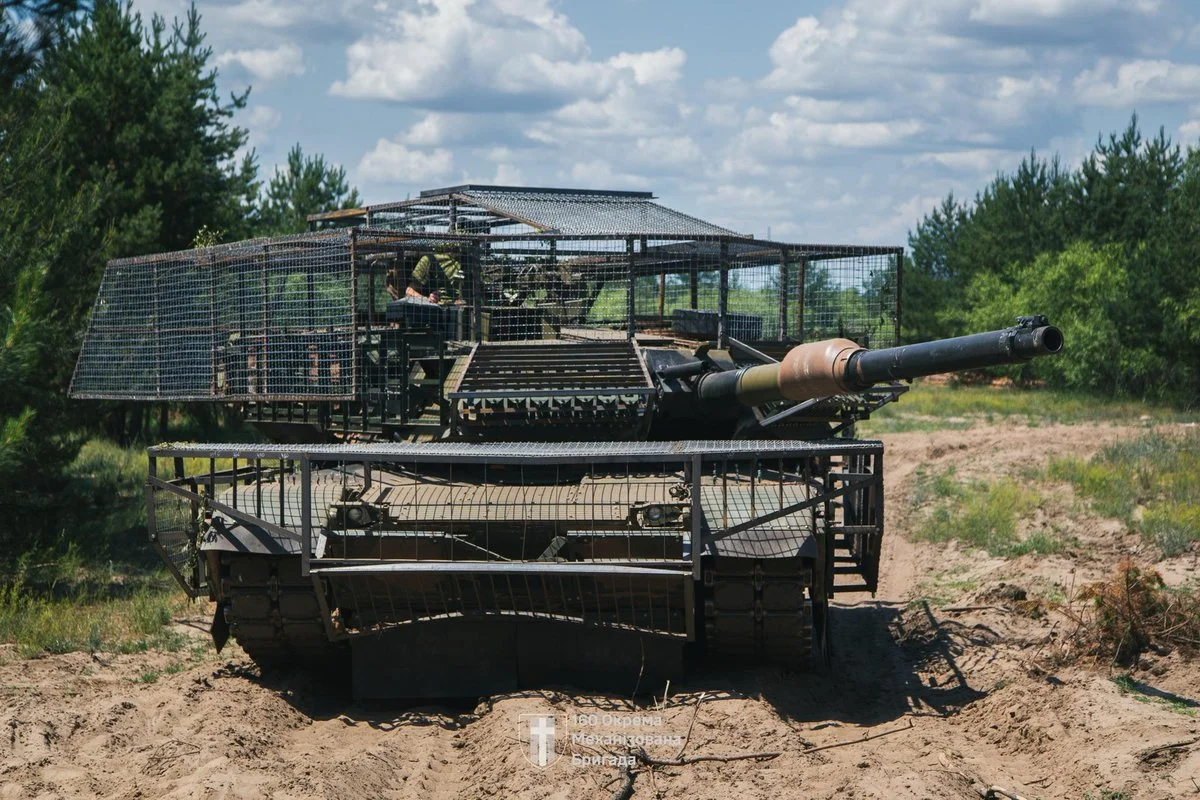
In modern asymmetric warfare, the threat of rocket-propelled grenades (RPGs) and other shaped-charge munitions is a constant concern for military vehicle crews. Armor engineers have developed a simple yet remarkably effective solution: standoff armor. Unlike traditional monolithic armor that relies on thickness and hardness to stop projectiles, cage armor — also called slat armor or bar armor — works by disrupting the physics of a shaped charge before it reaches the vehicle's hull.
This article explores the science behind standoff armor, explaining how cage armor works, the physics principles that make it effective, and why it has become a staple of military vehicle protection for MRAPs, light tactical vehicles, and armored personnel carriers worldwide. Whether you are a defense procurement officer, a vehicle integrator, or simply interested in military technology, understanding the mechanics of this protective technology is essential for making informed decisions about vehicle survivability.
What Is Standoff Armor?
Standoff armor is a category of protective armor that places a physical barrier at a calculated distance (the "standoff") from the main hull of a vehicle. The critical insight behind armor of this type is that many battlefield threats — particularly shaped charges like those found in RPG-7 rounds — need to detonate at a specific distance from the target to achieve maximum penetration. By forcing the warhead to function prematurely or at a suboptimal distance, standoff armor dramatically reduces its destructive effect.
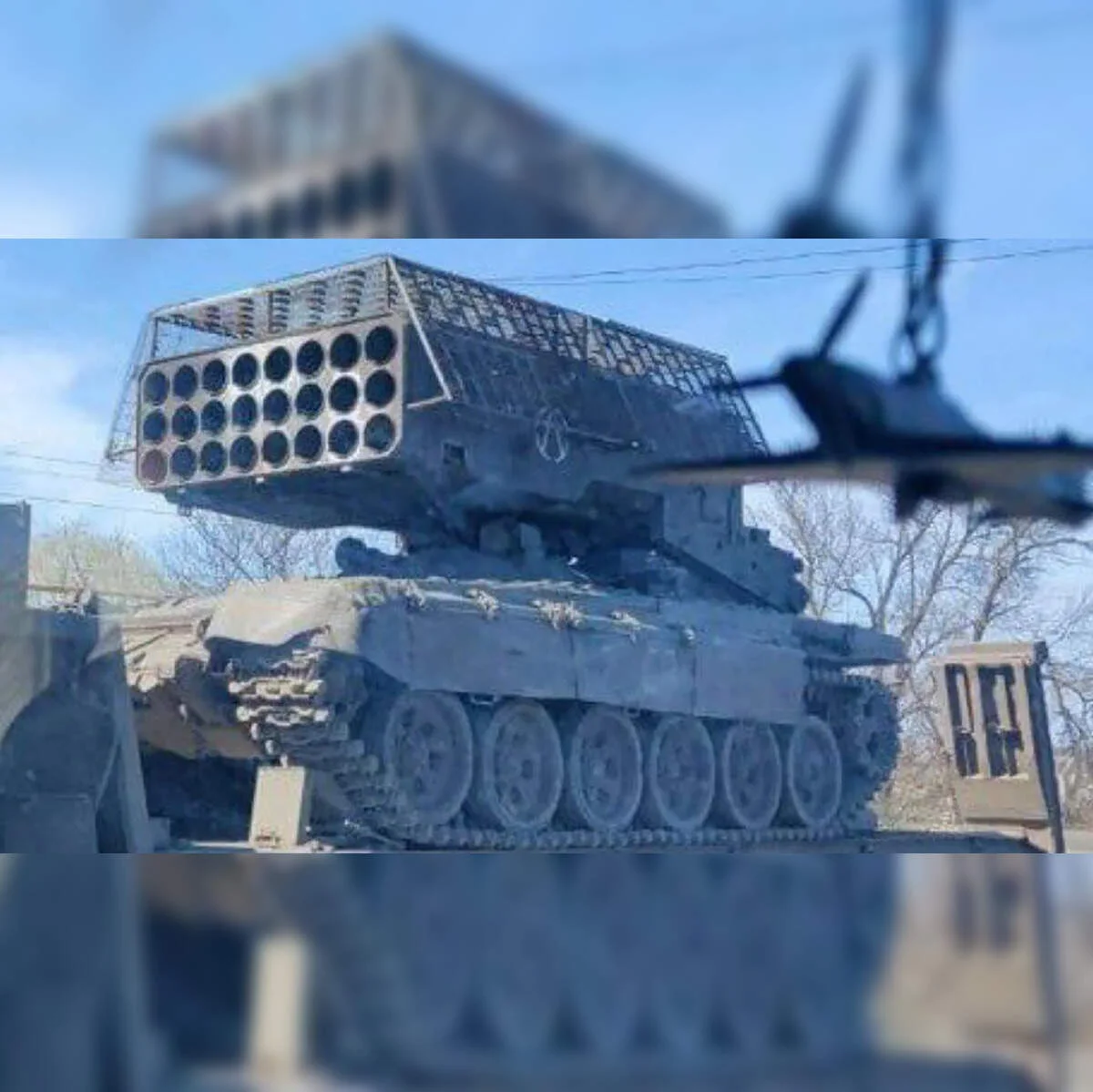
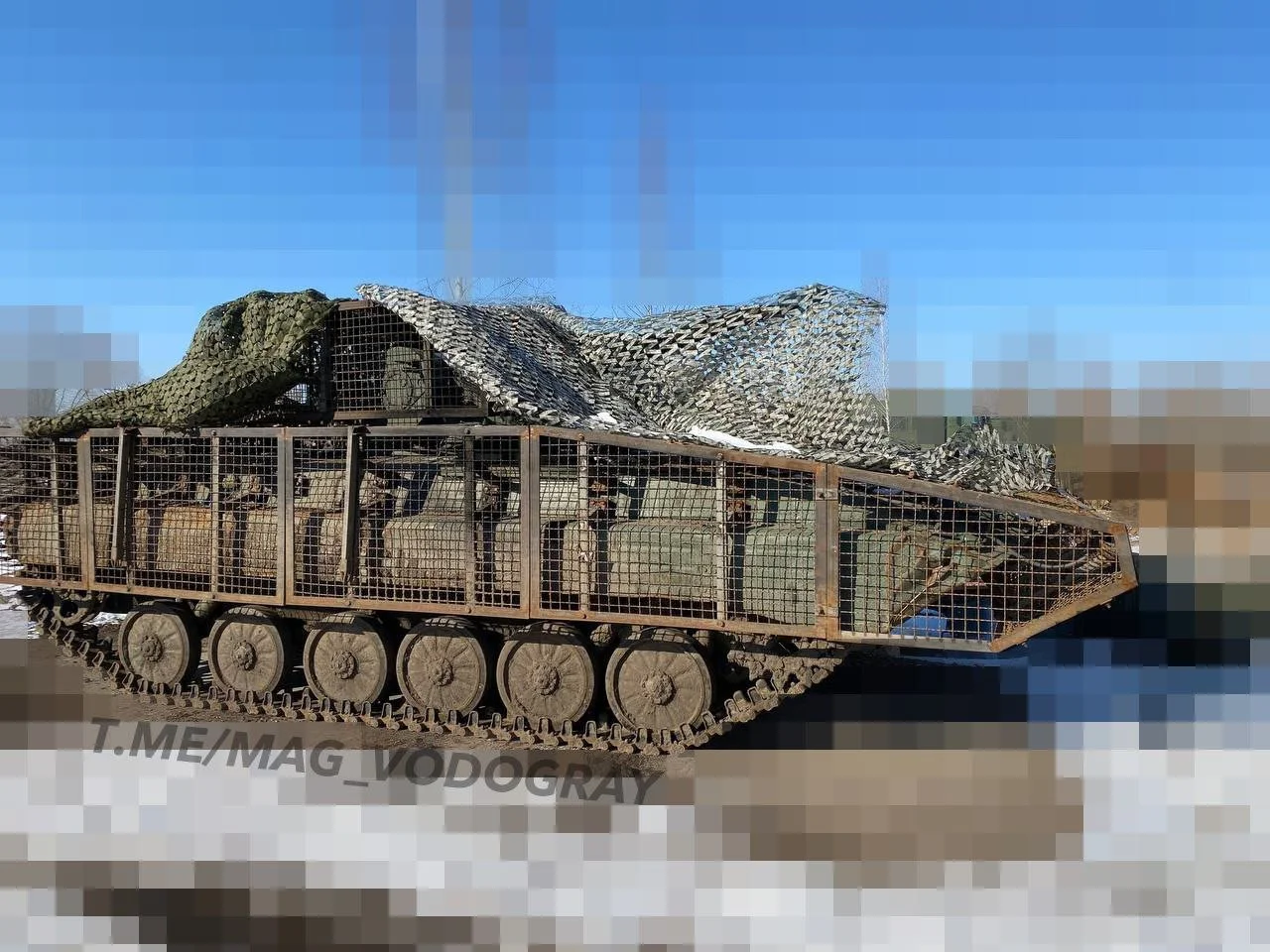
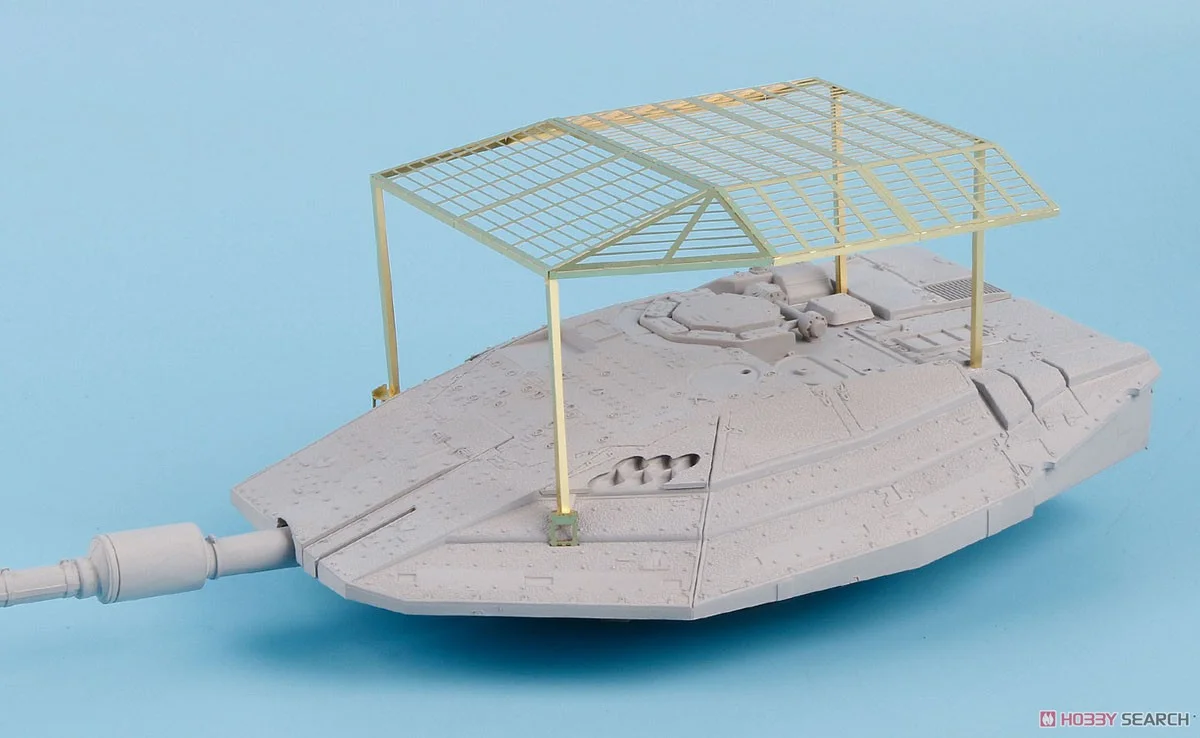
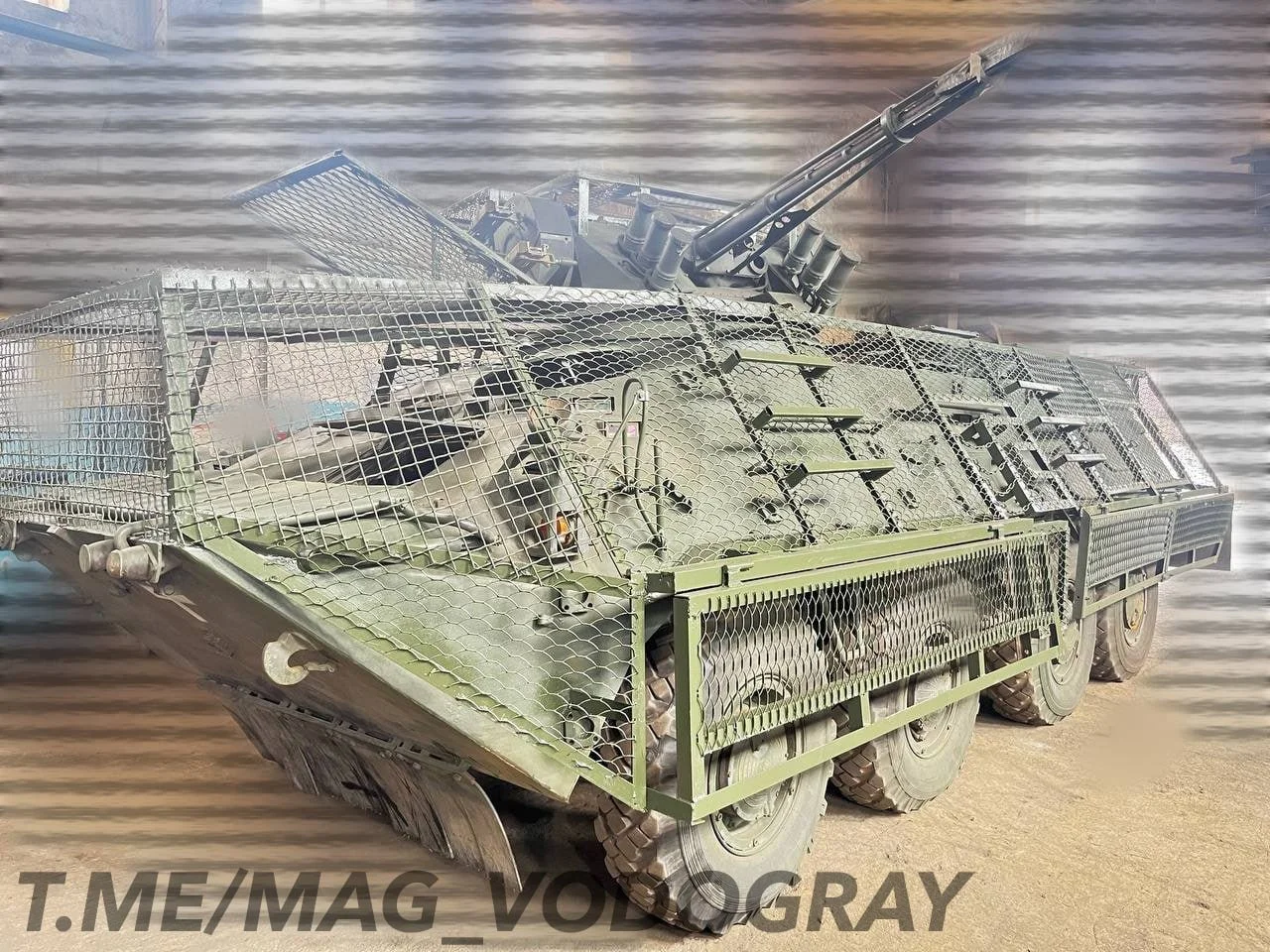
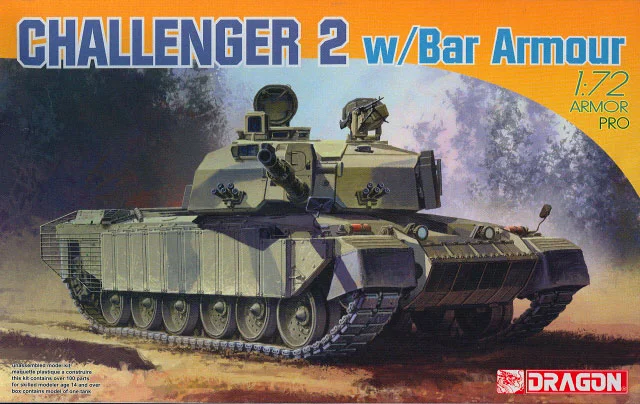
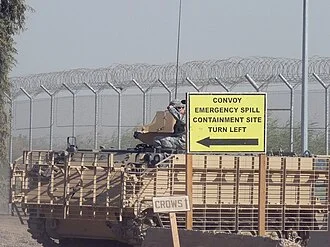
The term "cage armor" describes the most recognizable form of standoff armor: a metal grid or lattice mounted on bars that hold it away from the vehicle body. Slat armor, bar armor, and expanded metal armor are all variations on this same principle. The key differentiator is not the material itself — relatively thin steel bars are often sufficient — but the standoff distance that prevents the shaped charge jet from forming correctly.
The Core Principle of Standoff Distance
The core principle behind standoff armor is rooted in the mechanics of a shaped-charge (HEAT) warhead. When an RPG warhead strikes a target, a piezoelectric crystal at its nose generates an electrical signal that triggers the main explosive fill. The explosive detonation collapses a conical copper liner, forming a superplastic jet traveling at over 8,000 meters per second. This jet is what penetrates armor.
For optimal penetration, the shaped charge jet must form fully and travel a specific distance — known as the standoff distance — before striking the target. If the warhead detonates too close to the main armor, the jet has not yet fully formed; if it detonates too far away, the jet breaks up into ineffective droplets. Cage armor exploits this by either crushing the warhead nose (preventing detonation) or forcing detonation at the wrong distance. By placing the cage bars 300–500 mm from the hull, the standoff armor ensures the jet either misses the hull entirely or strikes with vastly reduced penetrating power.
Cage Armor vs. Traditional Armor
Traditional armor — such as rolled homogeneous armor (RHA) or ceramic composite armor — relies on material hardness, density, and thickness to stop or erode a penetrator. A typical RHA plate might need to be 200–300 mm thick to stop a modern RPG-7 round, adding enormous weight to the vehicle.
Cage armor takes a fundamentally different approach. Instead of trying to stop the projectile through brute force, standoff armor uses geometry and physics to defeat the threat before it engages the main armor. The bars of a cage are typically only 10–20 mm in diameter, spaced 50–80 mm apart. This is enough to either:
- Short-circuit the fusing system — The cage bars crush or shear the piezoelectric nose cone, preventing electrical contact before the firing circuit completes.
- Damage the warhead casing — Impact with the cage bars deforms the warhead, disrupting the symmetrical collapse of the copper liner.
- Alter the angle of attack — The projectile may tumble or yaw after hitting the cage, reducing its effective penetration.
The result is that a cage weighing under 100 kg can provide protection equivalent to hundreds of kilograms of traditional steel armor. This weight efficiency is why cage armor has been widely adopted on mine-resistant ambush-protected (MRAP) vehicles and other platforms where every kilogram of added weight affects mobility and fuel consumption.
The Physics Behind Cage Armor
The physics behind cage armor is a fascinating intersection of explosives dynamics, material science, and mechanical engineering. At its heart, the effectiveness of standoff armor rests on how shaped-charge (HEAT) warheads interact with the cage structure. Understanding these physics is essential for proper cope cage design and fabrication.
When a shaped-charge warhead strikes a cage armor bar, one of several outcomes occurs. The most desirable outcome is that the impact crushes or damages the fuze mechanism at the warhead's tip, preventing detonation entirely. If detonation does occur, the cage bars may damage the copper liner or disrupt the symmetry of the explosive wave, both of which degrade the quality of the penetrating jet. The standoff distance provided by the cage ensures that even if a partial jet forms, it must travel through air — which causes it to stretch, neck, and break into droplets — before reaching the main armor. This section examines these mechanisms in detail.
Shaped Charge Disruption Mechanics
A shaped-charge warhead works by focusing explosive energy into a narrow jet of molten copper traveling at hypersonic velocities. This jet can penetrate steel armor several times the diameter of the warhead. However, the formation of this jet is extremely sensitive to the symmetry of the detonation and the geometry of the copper liner.
When a round strikes cage armor, the bar impacts the warhead casing — typically a thin steel or aluminum tube — causing local deformation. Even a slight asymmetry (as little as 0.1 mm) in the liner collapse can significantly reduce jet coherence. The cage bar may also cut into or deform the copper liner itself. In many cases, the impact causes the warhead to yaw, meaning the shaped charge jet forms at an angle to the armor surface rather than perpendicular. At an oblique angle, the jet must travel through a much longer path of armor, and its penetrating effectiveness drops sharply.
Laboratory tests have shown that a properly designed cage structure can reduce the penetration of an RPG-7 warhead by 60–85%, turning a threat that could defeat 300 mm of RHA into one that struggles against 50 mm. This is the key reason standoff armor is so valued in vehicle protection applications.
The Role of Air Gap in HEAT Warhead Defeat
The "air gap" — the empty space between the cage armor and the vehicle hull — is not a weakness but a critical design feature. For a shaped-charge (HEAT) warhead that detonates at the cage, the air gap serves a crucial function. The superplastic copper jet that forms after detonation is inherently unstable; as it travels through air, aerodynamic forces cause the jet to stretch and eventually break into separate droplets.
The optimal penetration for a shaped charge occurs when the warhead detonates at a specific standoff distance — typically 2–3 times the warhead diameter. If the detonation occurs too early (at the cage, which is 300–500 mm from the hull), the jet has not yet fully coalesced. If the jet has to travel twice the optimal distance, it arrives at the hull as disconnected droplets rather than a coherent stream. These droplets each carry far less energy and can be stopped by standard vehicle armor.
The science is well established: the air gap between the standoff armor and the hull is an integral part of the protective system, not an unused space. This is why cope cage design must carefully consider the distance between the cage and the vehicle surface — a gap that is too small may not disrupt the jet sufficiently, while one that is too large adds unnecessary bulk and leverage for the mounting structure.
Standoff Armor Effectiveness Against RPGs
The RPG-7 is the most widespread threat that standoff armor is designed to counter. Used by irregular forces worldwide, the RPG-7 fires a PG-7 series warhead with a shaped charge capable of penetrating 300–500 mm of RHA. The weapon's ubiquity on modern battlefields has driven the development of cage armor for virtually every class of military vehicle.
Field testing and combat experience have demonstrated that well-designed cage armor can reduce RPG-7 penetration by 70–90%. However, effectiveness depends on several variables:
- Bar spacing: The gap between bars must be smaller than the warhead diameter (typically 40–85 mm for RPG-7) to ensure contact.
- Bar strength: The bars must be strong enough to damage the warhead casing without themselves being sheared off.
- Mounting rigidity: The cage must withstand the impact without collapsing into the hull, maintaining the standoff distance.
- Impact angle: Frontal impacts are more likely to be defeated than side-angled strikes that may slip between bars.
While no standoff armor provides absolute protection — tandem-charge warheads with precursor charges specifically designed to defeat cage armor exist — the RPG-7 remains by far the most common threat, and cage armor remains one of the most cost-effective countermeasures available. For military vehicle protection programs, adding cage armor is often the single most impactful survivability upgrade per kilogram of added weight.
Cope Cage Design and Fabrication
Designing and fabricating effective cope cage armor requires a thorough understanding of both the operational threat and the mechanical constraints of the host vehicle. At Dengtai, our engineers approach each standoff armor project as a system-level engineering challenge, balancing protection, weight, aerodynamics, and ease of field maintenance.
The design process begins with a threat analysis: what munitions is the vehicle likely to face? For standard RPG-7 threats, a cage with 12–16 mm diameter steel bars at 50–80 mm spacing, mounted 300–400 mm from the hull, provides proven protection. For larger threats like SPG-9 recoilless rifle rounds, bar diameter and spacing must be adjusted accordingly. The cage structure must also allow access to vehicle hatches, vision blocks, and weapon stations without compromising protection. Every cope cage design is a compromise between coverage and accessibility, and achieving the right balance is what distinguishes experienced armor fabrication teams.
Material Selection for Standoff Armor
The choice of material for standoff armor bars is critical to both performance and cost. The most common materials used in cope cage fabrication include:
| Material | Yield Strength | Typical Use | Weight per m² |
|---|---|---|---|
| Mild Steel (A36) | 250 MPa | Budget-friendly cages for lower-threat environments | ~25 kg |
| High-Strength Low-Alloy (HSLA) | 350–550 MPa | Standard military cages — good balance of cost and performance | ~22 kg |
| Armor Steel (MIL-SPEC) | 600–800 MPa | High-threat applications; resists bar shearing from multiple hits | ~28 kg |
| Stainless Steel | 300–500 MPa | Corrosion-resistant applications (naval/coastal operations) | ~24 kg |
Beyond the bar material itself, the mounting brackets and weld attachments must be engineered to withstand the dynamic loads of a warhead impact without failing. A cage that collapses into the vehicle hull not only loses its protective standoff distance but may also cause secondary damage. Dengtai uses certified MIL-SPEC welding procedures and rigorous quality control to ensure every mounting point meets or exceeds specified load requirements.
Welding Standards and Quality Control
The effectiveness of a cope cage is only as good as the quality of its fabrication. Precision welding is essential because every weld joint on a standoff armor cage must withstand extreme dynamic loading — an RPG impact generates forces measured in kilo-Newtons over microseconds. A weld failure at a critical mounting point can cause the cage to detach or collapse, negating the standoff protection entirely.
Dengtai operates to stringent quality control standards based on ISO 3834 (quality requirements for welding) and AWS D1.1 (structural welding code). Our fabrication process includes:
- Welder certification: All welders are certified to applicable military standards with documented qualification records.
- Weld inspection: 100% visual inspection plus non-destructive testing (NDT) on critical structural welds — typically magnetic particle inspection (MPI) or dye penetrant testing.
- Dimensional verification: Every cage is jig-checked against CAD tolerances to ensure consistent bar spacing and standoff distance across all units.
- Bracket load testing: Mounting brackets are sample-tested to verify they withstand specified pull-out and shear forces.
By combining proper material selection with certified armor fabrication techniques, manufacturers can produce cage armor that performs reliably under combat conditions.
Standoff Armor in Military Vehicle Protection
Standoff armor has become an integral component of military vehicle armor systems for forces operating in asymmetric threat environments. Its widespread adoption across multiple vehicle classes — from heavy MRAPs to light utility trucks — reflects its exceptional cost-to-benefit ratio. The US military's MRAP program alone fielded thousands of vehicles fitted with cage armor kits during operations in Iraq and Afghanistan, where RPGs were the primary threats to logistics and patrol convoys. This battlefield experience has proven that military vehicle armor incorporating standoff cages provides the most practical upgrade path for existing fleets facing RPG threats.
The versatility of standoff armor lies in its modular design. Cage kits can be engineered as bolt-on additions to existing vehicle hulls without requiring structural modifications to the base platform. This allows fleet operators to upgrade protection levels based on changing threat assessments. Modern cope cage designs also incorporate quick-release mechanisms for maintenance access, foldable sections for vehicle transport, and IR-signature management to avoid interfering with the vehicle's thermal camouflage systems.
Applications on MRAPs and Light Tactical Vehicles
Mine-Resistant Ambush-Protected (MRAP) vehicles were among the first platforms to receive widespread cage armor integration. With their V-shaped hulls designed for mine blast deflection and already-significant weight, MRAPs benefit greatly from the lightweight protection of standoff armor without compromising their primary protection role.
On light tactical vehicles — such as the JLTV (Joint Light Tactical Vehicle), HMMWV upgrades, and various utility platforms — cage armor provides RPG protection without the prohibitive weight of add-on composite armor kits. A typical light vehicle cage weighs 80–150 kg depending on coverage area, compared to 400–800 kg for equivalent composite armor protection. This weight saving preserves the vehicle's payload capacity, off-road mobility, and transportability by helicopter or cargo aircraft.
The trend toward modular armor systems in modern defense procurement has made vehicle protection upgrades like cage armor even more attractive. A single vehicle platform can be configured with full cage coverage for high-threat deployments, partial coverage for peacekeeping missions, or no cage for peacetime training — all using the same mounting interface.
Weight Considerations and Vehicle Dynamics
One of the most important engineering challenges in standoff armor design is managing the weight and dynamic effects on vehicle performance. Every kilogram of armor added to a vehicle affects acceleration, braking distance, fuel consumption, and suspension wear. Cage armor's advantage over traditional armor is well established, but engineers must still carefully optimize the design:
- Center of gravity: A roof-mounted cage raises the vehicle's center of gravity, increasing rollover risk. Mounting brackets must be positioned to minimize this effect.
- Moment arm: The standoff distance creates leverage. A 300 mm standoff means that a 500 N lateral force at the cage translates to an additional bending moment on the mounting brackets — every aspect of the mounting system must account for this.
- Aerodynamic drag: Cage armor increases the vehicle's frontal area and creates turbulence, reducing fuel efficiency by an estimated 5–15% depending on coverage.
- Suspension loading: Additional sprung mass requires suspension re-tuning. Many fielded cage kits include revised shock absorber and spring specifications.
Dengtai's engineering team uses FEA (Finite Element Analysis) to model these factors during the design phase, ensuring that the final cope cage delivers maximum protection with minimal operational impact.
Conclusion
The science behind standoff armor is a testament to the power of physics-based engineering. By exploiting the fundamental mechanics of shaped-charge warheads — their sensitivity to standoff distance, symmetric detonation, and jet formation — cage armor achieves a level of protection that is far greater than the simple strength of its steel bars would suggest.
Key takeaways from this exploration of cage armor science include:
- Standoff armor works by disrupting shaped-charge fuze mechanisms, damaging the warhead liner, and creating an air gap that breaks up the penetrating jet before it reaches the vehicle hull.
- The weight efficiency of cage armor (typically 80–150 kg for full coverage) makes it the most practical RPG countermeasure for light and medium tactical vehicles.
- Proper material selection, certified welding, and precision fabrication are essential for producing cage armor that performs reliably under combat conditions.
- While not a silver bullet against advanced tandem-charge threats, cage armor remains the most cost-effective, field-proven defense against the RPGs that dominate modern asymmetric battlefields.
At Dengtai, we combine deep expertise in armor physics with precision manufacturing to deliver cope cage solutions that meet the demanding requirements of military vehicle protection. Whether you are retrofitting an existing fleet or designing a new vehicle platform, our team can engineer a standoff armor solution optimized for your specific threat environment and operational constraints.