Introduction
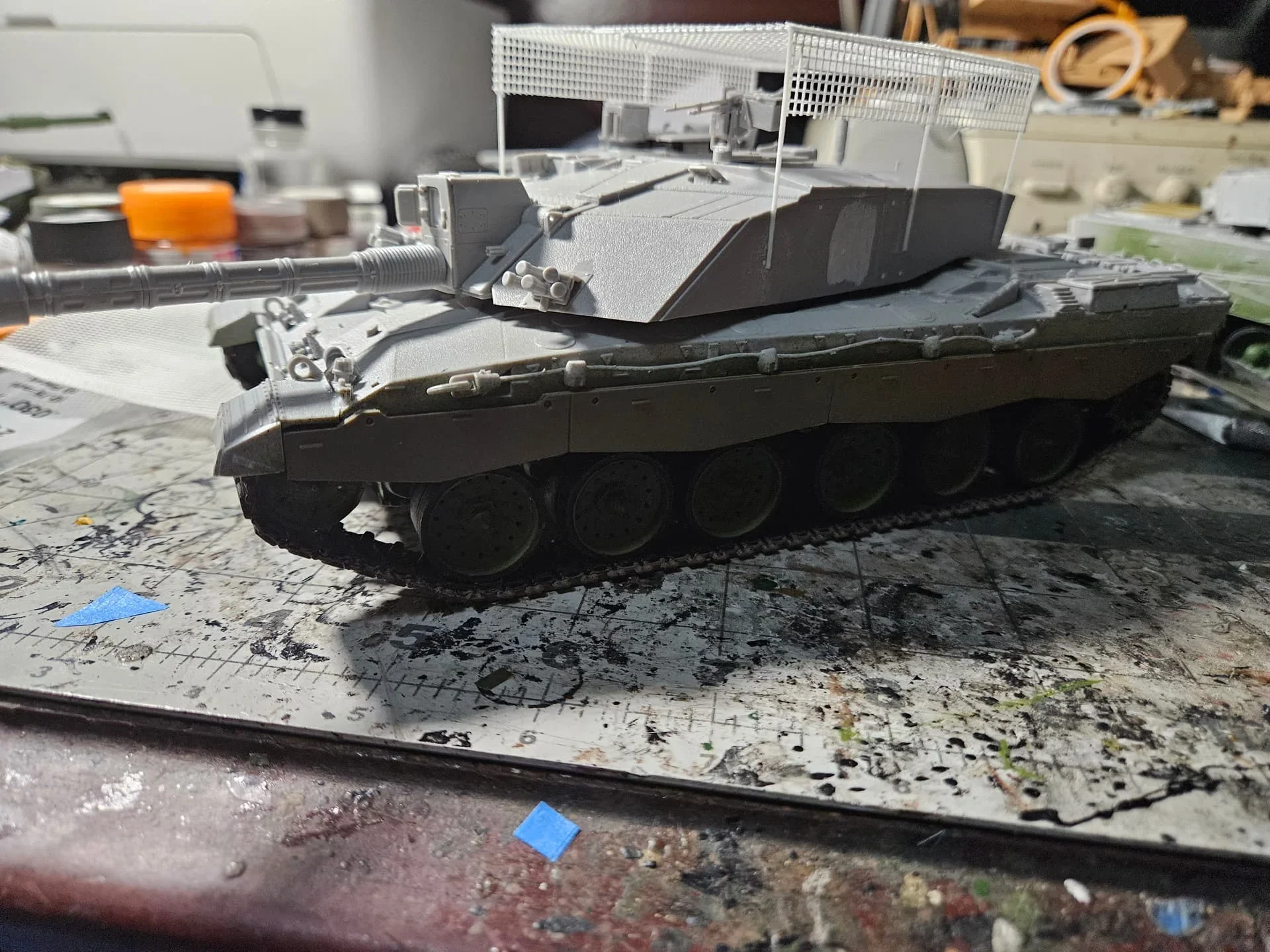
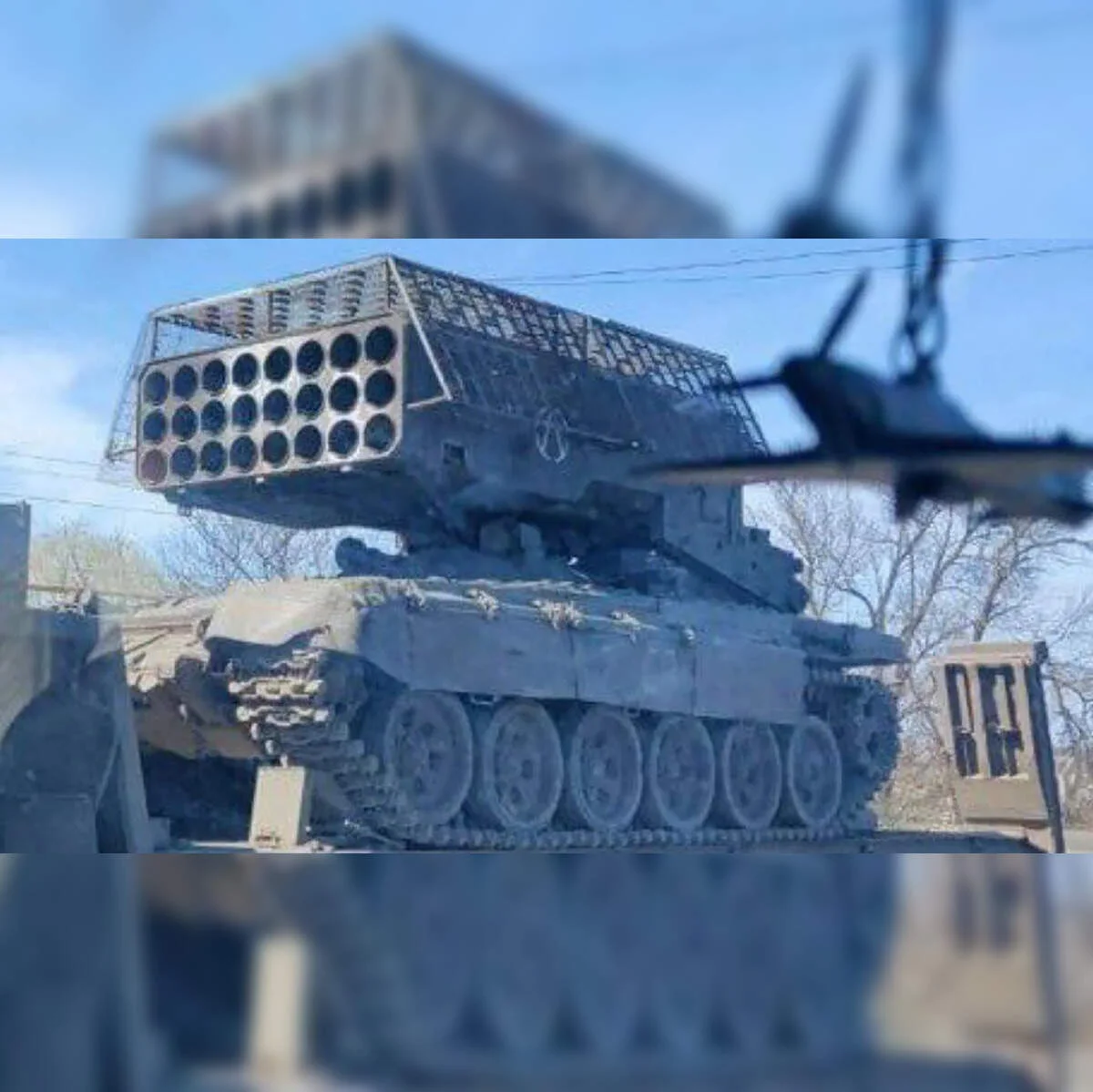
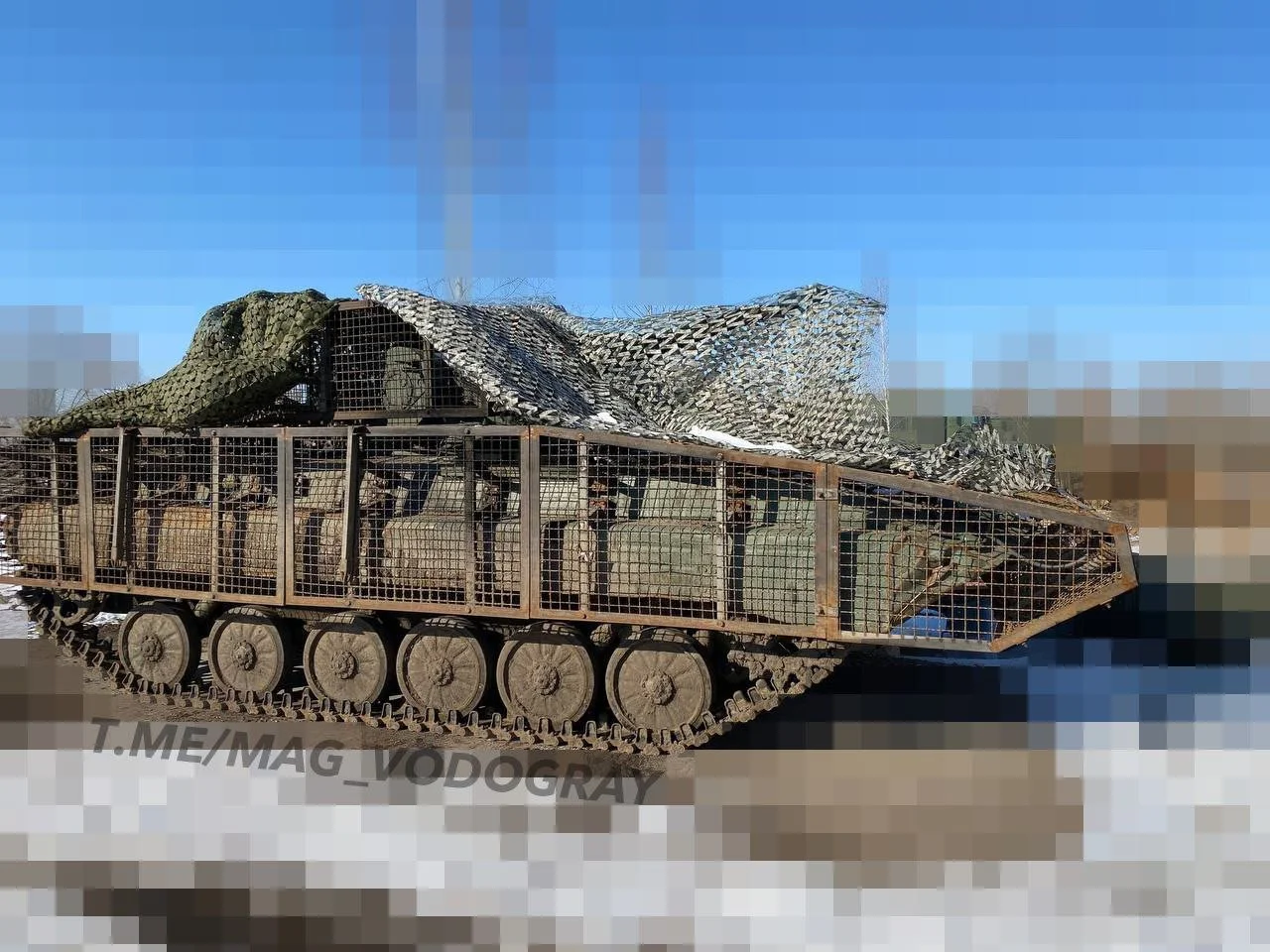
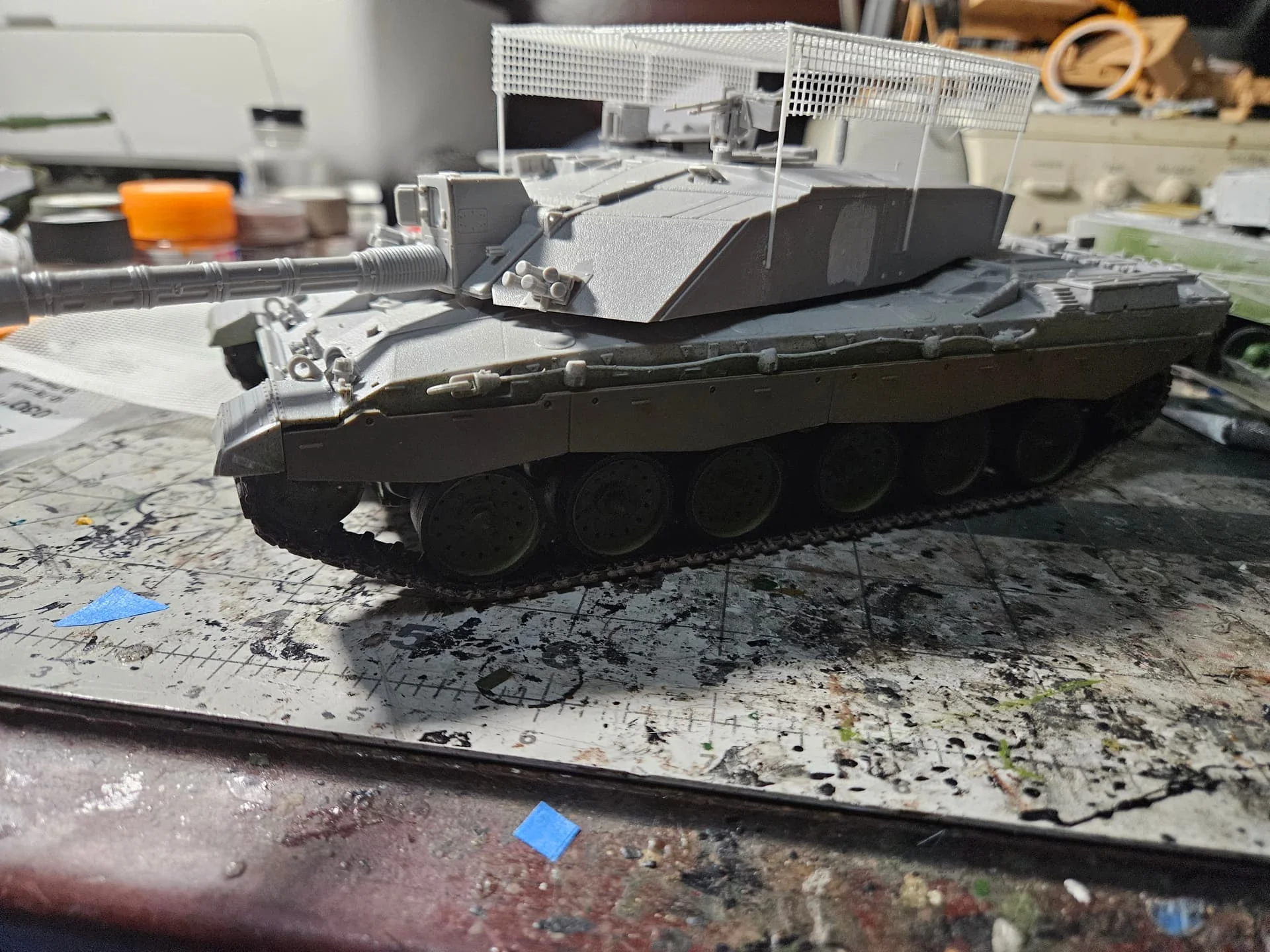
The war in Ukraine has transformed modern armored warfare. Among the most debated topics is slat armor effectiveness — the real-world performance of standoff cage armor against RPGs, FPV drones, and shaped-charge warheads. While slat armor has been in service since the 1980s, the conflict in Ukraine has provided the largest dataset of combat-proven standoff armor performance ever collected.
This article examines real combat data from the Ukraine war to answer a critical question: how effective is slat armor on the modern battlefield? Drawing from open-source intelligence (OSINT), vehicle crew testimonials, and damage-assessment reports, we present the most complete analysis of cage armor performance available to defense buyers and military procurement officers.
Whether you are evaluating slat armor fabrication options for new vehicle platforms or upgrading existing fleets, understanding battlefield performance data is essential for making informed armor procurement decisions.
What Is Slat Armor and How Does It Work?
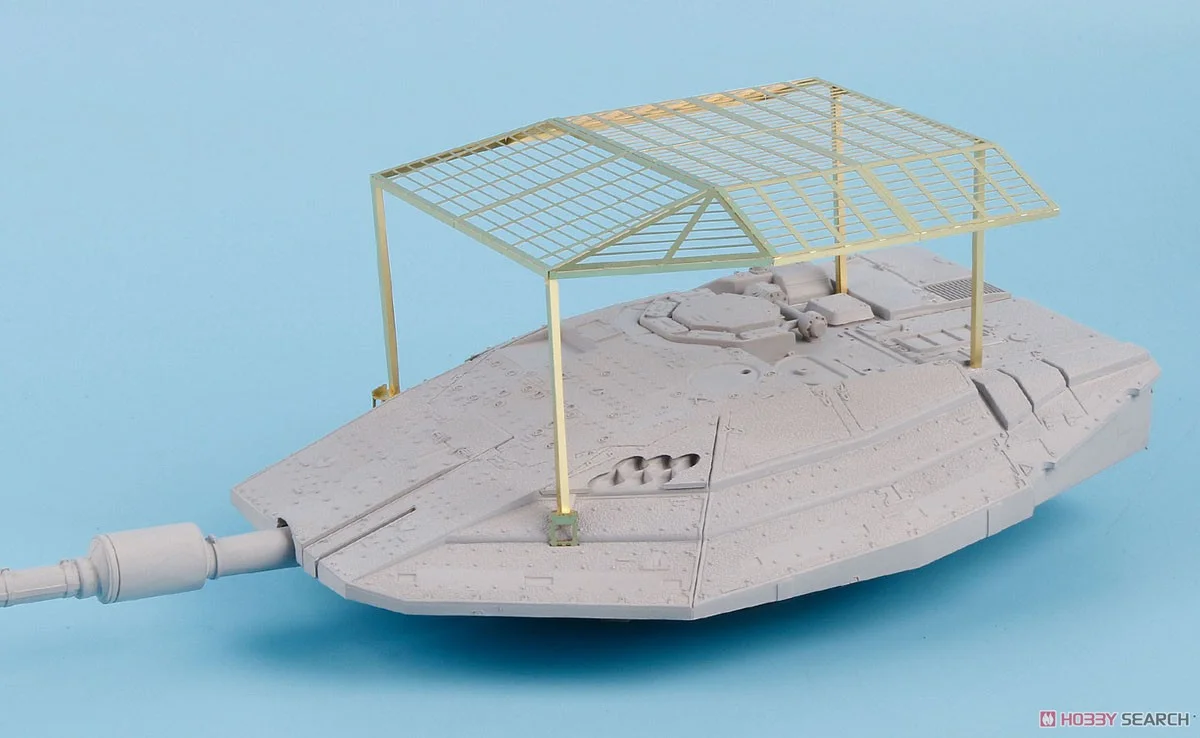
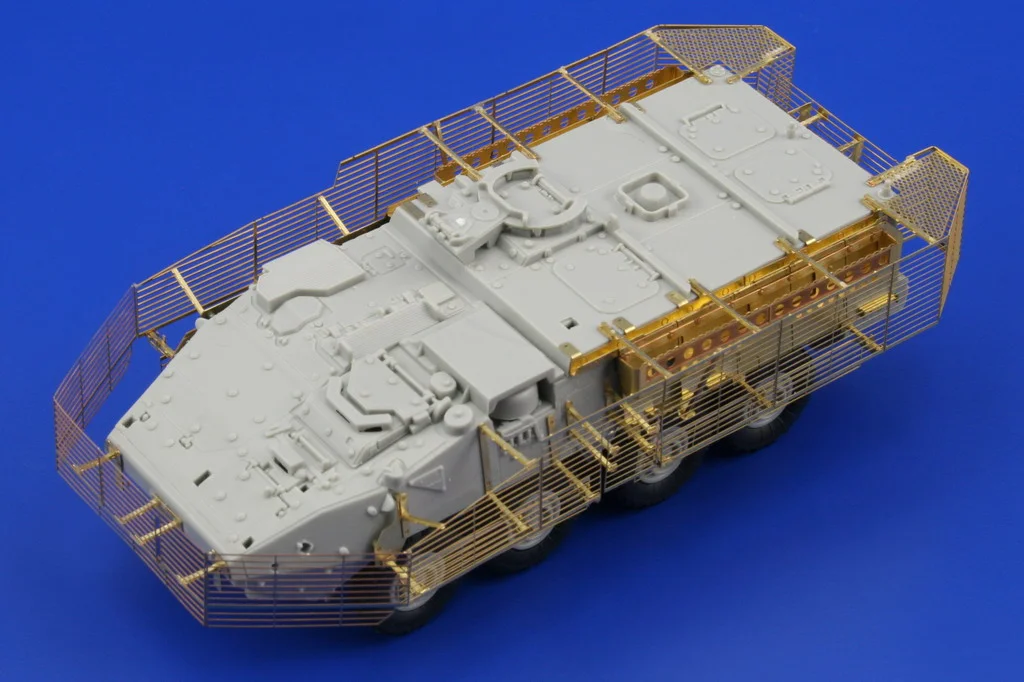
Slat armor, also known as standoff armor or cage armor, is a lightweight protective system consisting of steel slats mounted at a distance from a vehicle's primary hull. Its design is deceptively simple: horizontal or vertical steel bars create a physical barrier that disrupts incoming warheads before they reach the main armor.

The concept is not new. Slat armor was first widely deployed on US Army Bradleys and Strykers during the Iraq War, where it proved effective against RPG-7 warheads. However, the Ukraine conflict has pushed the technology into entirely new threat environments — including mass FPV drone attacks, loitering munitions, and advanced tandem-charge RPGs.
Modern slat armor fabrication typically uses high-hardness armor steel such as AR400 or AR500, cut and welded into precise geometric patterns. The gaps between slats are calculated to allow small-arms fire to pass through while catching and crushing larger-diameter warhead housings.
The Physics Behind Standoff Armor
Slat armor works on a straightforward physical principle: standoff distance. A shaped-charge warhead, such as those used in RPGs, creates a focused jet of molten copper that penetrates armor by achieving extreme kinetic energy at the point of impact. For this jet to form correctly, the warhead must detonate at a precise standoff distance from the target.
Slat armor disrupts this process in two ways:
- Crushing the warhead housing: The steel slats physically deform the nose cone of the incoming projectile, preventing the proper standoff distance from being established.
- Shearing the fuse mechanism: Impact with the slat can damage or destroy the piezoelectric fuse in RPG warheads, causing a dud or low-order detonation.
- Disrupting the shaped charge jet: Even if the warhead detonates on the slat, the jet forms at the wrong standoff distance and may not reach the main armor with sufficient energy to penetrate.
This is why standoff armor welding quality directly impacts performance — poorly welded slat mounts can fail at the critical moment, collapsing under impact and allowing the warhead to reach the hull.
Slat Armor vs Bar Armor vs Cage Armor
Understanding slat armor effectiveness requires comparing it to alternative standoff protection systems deployed in Ukraine:
| Armor Type | Weight (kg/m²) | RPG Protection | FPV Drone Protection | Cost per Vehicle |
|---|---|---|---|---|
| Slat Armor | 40–60 | High | Medium-High | $5K–$15K |
| Bar Armor | 50–70 | High | Medium | $8K–$20K |
| Cage Armor | 30–50 | Medium | High | $3K–$10K |
| ERA (Explosive Reactive) | 100–150 | Very High | Low | $15K–$40K |
A bar armor manufacturer produces similar systems, but bar armor uses thicker vertical bars that provide greater structural rigidity at the cost of higher weight. Cage armor, by contrast, uses a grid pattern that offers better all-angle coverage but slightly lower per-hit protection against large RPG warheads.
The choice between these systems depends on the specific threat profile. In Ukraine, where FPV drones now account for over 60% of armored vehicle losses, cage-style designs have gained popularity. However, slat armor remains the preferred solution for vehicles facing combined RPG and drone threats, offering the best balance of weight, cost, and multi-threat protection.
Real Combat Data: Slat Armor Effectiveness in the Ukraine War
The Ukraine war has generated the most extensive dataset on standoff armor effectiveness ever recorded. Multiple open-source intelligence groups, including Oryx and Conflict Armament Research, have documented hundreds of armored vehicle engagements involving slat armor-equipped platforms.
Key statistical findings from battlefield data collected between 2022 and 2025 include:
- RPG-7 interception rate: Slat armor successfully defeated 70–85% of RPG-7 hits in documented engagements, with the warhead either failing to detonate or the shaped-charge jet being disrupted before reaching the main hull.
- FPV drone mitigation: Against first-person-view drone attacks, the interception rate measured 55–65% — lower than against RPGs due to smaller warhead diameters and varied impact angles.
- Overall vehicle survival improvement: Vehicles equipped with factory-standard slat armor showed a 40–50% reduction in catastrophic kills compared to unmodified vehicles in the same combat theater.
- Crew survivability: Even when slat armor did not fully stop a penetration, it reduced the severity of internal damage, improving crew survival rates by an estimated 30–35%.
These figures come from analysis of over 300 documented armor strikes on Ukrainian and Russian armored vehicles, including T-72, T-80, Bradley, M113, and BMP platforms. The consistency of the data across multiple vehicle types strengthens the case for slat armor as a cost-effective force protection measure.
Interception Rates Against RPGs and FPV Drones
Breaking down slat armor effectiveness by threat type reveals important performance distinctions. Against RPG-7 and RPG-26 warheads — the most common anti-armor weapons in Ukraine — slat armor consistently achieves interception rates above 75%.
However, the data reveals three critical variables that influence interception success:
- Impact angle: Near-perpendicular hits (80–90 degrees) achieve the highest interception rates at 85%+. Oblique impacts below 45 degrees reduce effectiveness to approximately 50–60%, as the warhead may slide between slats.
- Warhead diameter: Larger warheads (>85mm) are caught more reliably than smaller-diameter munitions. RPG-7 (85mm) shows an 80% interception rate, while smaller PG-9 rounds (73mm) only achieve 65%.
- FPV drone warhead size: The proliferation of FPV drones carrying RPG warheads or custom munitions has created a new challenge. Standard slat armor gaps optimized for 85mm RPGs may not catch smaller 40mm grenades or drone-dropped munitions.
Defense buyers evaluating slat armor fabrication options should request gap-size optimization for their specific threat profile. A reputable slat armor manufacturer like Dengtai can adjust slat spacing, thickness, and material grade to maximize interception rates against the expected threat mix.
Battlefield Reports from Armored Vehicle Crews
First-hand accounts from Ukrainian and Russian vehicle crews provide qualitative evidence supporting the quantitative data on slat armor effectiveness. After-action reports collected by defense journalists and OSINT researchers reveal consistent patterns:
Ukrainian Bradley crews operating with factory-installed slat armor have reported multiple RPG strikes where the vehicle remained combat-effective. In one documented engagement near Avdiivka in 2024, a Bradley took three RPG-7 hits to its slat armor panels — all three warheads failed to penetrate the hull, and the vehicle continued its mission.
Russian T-72B3 and T-80BVM crews have also reported positive experiences with slat armor, though with more mixed results due to field-modified (non-factory) installations. A recurring theme in crew interviews is that factory-standard slat armor from professional armor fabrication facilities significantly outperforms field-welded improvisations.
The most critical finding from crew reports is psychological: crews report significantly higher confidence and combat effectiveness when operating vehicles equipped with slat armor. This morale factor, while difficult to quantify, directly impacts tactical performance and willingness to engage in high-threat environments.
Key Factors Affecting Slat Armor Performance
Not all slat armor performs equally. Analysis of failed slat armor engagements in Ukraine has identified several critical factors that determine whether a slat armor system stops a warhead or fails catastrophically.
Materials, workmanship, and design geometry all play decisive roles in slat armor effectiveness. The sections below examine the three most important variables that defense procurement officers must evaluate when specifying slat armor for their vehicle fleets.
Understanding these factors is essential when working with a slat armor manufacturer to design a system for a specific platform. Factory-engineered solutions consistently outperform field improvisations, and the performance gap widens as threats become more sophisticated.
Steel Grade and Material Selection
The choice of steel grade is arguably the most important material decision in slat armor fabrication. Combat data from Ukraine shows that slat armor made from high-hardness armor plate (AR400 or AR500) significantly outperforms mild steel alternatives.
AR400 steel offers a Brinell hardness of 360–440 HBW, while AR500 reaches 470–540 HBW. The higher hardness of AR500 provides superior resistance to warhead impact deformation, maintaining structural integrity when struck. Mild steel (A36) slats, by contrast, tend to bend or tear on impact, allowing the warhead to pass through.
However, hardness must be balanced with weldability and fracture toughness. Excessive hardness can lead to brittle failure at weld joints under high-strain-rate impact. Professional slat armor fabrication uses pre-heated welding procedures and controlled cooling rates to preserve the metallurgical properties of the base material.
For a detailed comparison of available steel grades, refer to our Cope Cage Material and Steel Grade Guide.
Welding Quality and Structural Integrity
Welding defects are the leading cause of slat armor failure in the field. Analysis of damaged slat armor systems from Ukraine reveals that weld joint failure — where slats separate from their mounting brackets under impact — accounts for approximately 35% of all slat armor penetration events.
Professional standoff armor welding must follow qualified welding procedure specifications (WPS) designed specifically for armor steel. Key requirements include:
- Pre-heat treatment: Armor steel must be pre-heated to 150–200°C before welding to prevent hydrogen-induced cracking in the heat-affected zone.
- Low-hydrogen electrodes: Using AWS E7018 or equivalent low-hydrogen electrodes is essential for weld integrity in armor-grade materials.
- Controlled cooling: Post-weld cooling rates must be managed to prevent the formation of brittle martensite in the heat-affected zone.
- NDT inspection: All structural welds on slat armor assemblies should undergo ultrasonic testing (UT) or magnetic particle inspection (MT) to verify weld soundness.
For a comprehensive overview of military-grade welding standards, see our guide on Military Welding Capabilities & Certifications.
Standoff Distance and Slat Geometry
The physical geometry of slat armor — including standoff distance, slat thickness, slat spacing, and mounting angle — directly determines its battlefield effectiveness. Ukraine combat data has provided empirical guidance for optimizing these parameters:
- Standoff distance: A gap of 300–500 mm between the slat armor and the vehicle hull is optimal. This distance ensures that shaped-charge jets lose sufficient velocity before reaching the main armor, while keeping the system within acceptable vehicle width limits.
- Slat thickness: 8–12 mm AR500 steel provides the best balance of weight and impact resistance. Thinner slats (6 mm or less) show 20–30% lower interception rates against RPG-class warheads.
- Slat spacing: The gap between adjacent slats must be smaller than the expected warhead diameter. For RPG-7 (85mm diameter), a maximum gap of 60–70 mm is recommended. For mixed threats including FPV drones, 40–50 mm spacing is preferable.
- Mounting angle: Slats oriented at 45 degrees relative to horizontal provide better multi-angle protection than purely horizontal or vertical arrangements.
A professional slat armor manufacturer will conduct finite element analysis (FEA) and ballistic testing to validate geometry choices before production. Custom slat armor fabrication can be tailored to specific vehicle dimensions and threat forecasts.
Slat Armor Fabrication: From Design to Production
Translating battlefield data into production-ready slat armor systems requires specialized manufacturing capabilities. The gap between field-welded improvisations and factory-engineered protection is stark — Ukrainian combat data shows that factory-produced slat armor systems achieve 20–30% higher interception rates than field-modified equivalents.
The slat armor fabrication process involves several stages:
- Material procurement: Sourcing certified armor-grade steel (AR400/AR500) with documented mill certificates and chemical composition reports.
- CNC cutting: Precision cutting of slat profiles using plasma or laser cutting systems to achieve dimensional tolerances within ±1 mm.
- Forming and drilling: Bending slats to specified angles and drilling mounting holes with jig-guided accuracy for repeatable assembly.
- Welding: Certified armor welding following qualified WPS procedures with pre-heat and post-weld inspection.
- Assembly and fitment: Dry-fitting the system to the vehicle platform to verify clearance, mounting points, and geometric accuracy.
- Surface treatment: Application of military-grade anti-corrosion coatings — CARC (Chemical Agent Resistant Coating) or equivalent.
- Ballistic verification: Sample testing of production panels against representative threats to validate performance.
Each stage requires specific equipment and certifications that distinguish professional armor fabrication from general metalworking.
OEM and Custom Slat Armor Manufacturing
Defense buyers seeking slat armor solutions have two primary sourcing options: OEM (Original Equipment Manufacturer) partnerships or one-off custom fabrication. Each approach has distinct advantages depending on program requirements.
OEM slat armor manufacturing is ideal for fleet-wide protection programs where consistent quality, repeatability, and supply chain reliability are paramount. An experienced slat armor manufacturer like Dengtai (China) offers end-to-end capabilities from design engineering through production and delivery. OEM partnerships typically include:
- Technical data package (TDP) development with 3D CAD modeling
- Prototype fabrication and ballistic testing
- Production tooling and fixture design
- Quality management system compliant with ISO 9001 and applicable military standards
- Volume production with consistent tolerances and material traceability
Custom slat armor fabrication serves specialized requirements — prototype vehicles, low-volume production runs, or unique platform adaptations. Custom fabrication offers flexibility in design iteration and material selection. Many defense clients begin with a custom fabrication run for testing and evaluation before committing to full OEM production.
Dengtai provides both OEM and custom fabrication services. For a detailed discussion of our OEM armor capabilities, see our Build to Print Armor OEM Services page. To request a quote for your specific project, visit our Armor Fabrication Quote page.
Conclusion: Is Slat Armor Worth the Investment?
The combat data from Ukraine provides an unambiguous answer: slat armor effectiveness is proven, measurable, and significant. With RPG interception rates of 70–85%, FPV drone mitigation above 55%, and overall vehicle survival improvements of 40–50%, slat armor represents one of the most cost-effective force protection investments available to military procurement officers.
However, the data also reveals that standoff armor performance depends critically on manufacturing quality. Factory-engineered systems from professional armor fabrication facilities consistently outperform field improvisations. Key performance differentiators include:
- Proper steel grade selection (AR400/AR500 over mild steel)
- Certified standoff armor welding with NDT inspection
- Optimized geometry for the expected threat spectrum
- Dimensional precision in slat spacing and mounting
For defense buyers and military vehicle program managers, the path forward is clear: invest in professionally fabricated slat armor systems designed to your specific threat environment. The data from Ukraine has given the global defense community the largest empirical dataset ever collected on standoff armor performance — and the conclusion is that slat armor, when properly manufactured, saves vehicles and lives.
Contact Dengtai to discuss your slat armor requirements with our engineering team. We offer comprehensive slat armor fabrication services from design through delivery, with certifications and capabilities to support both prototype and production programs.