Introduction: Why Choosing the Right Cope Cage Manufacturer Matters
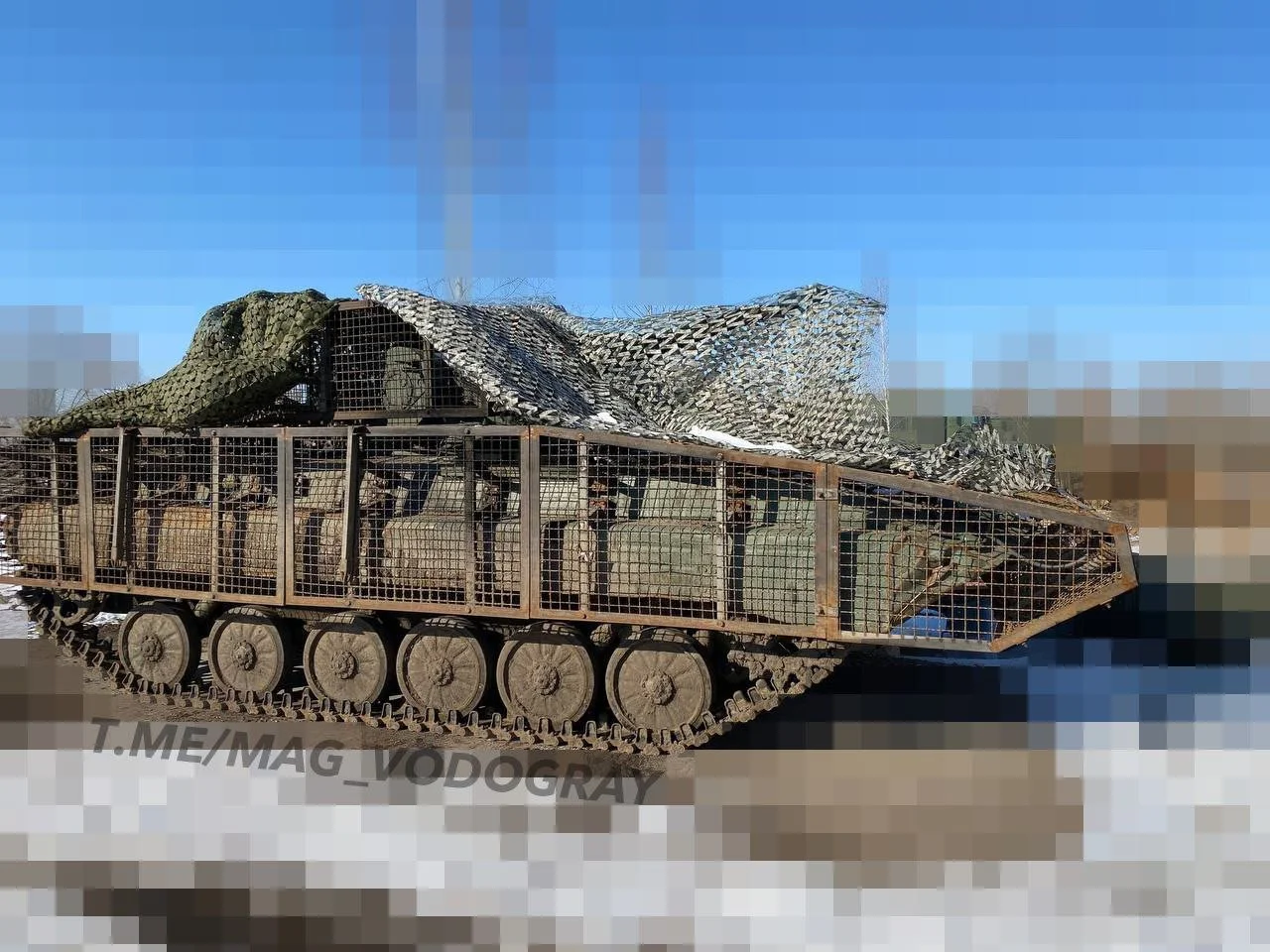
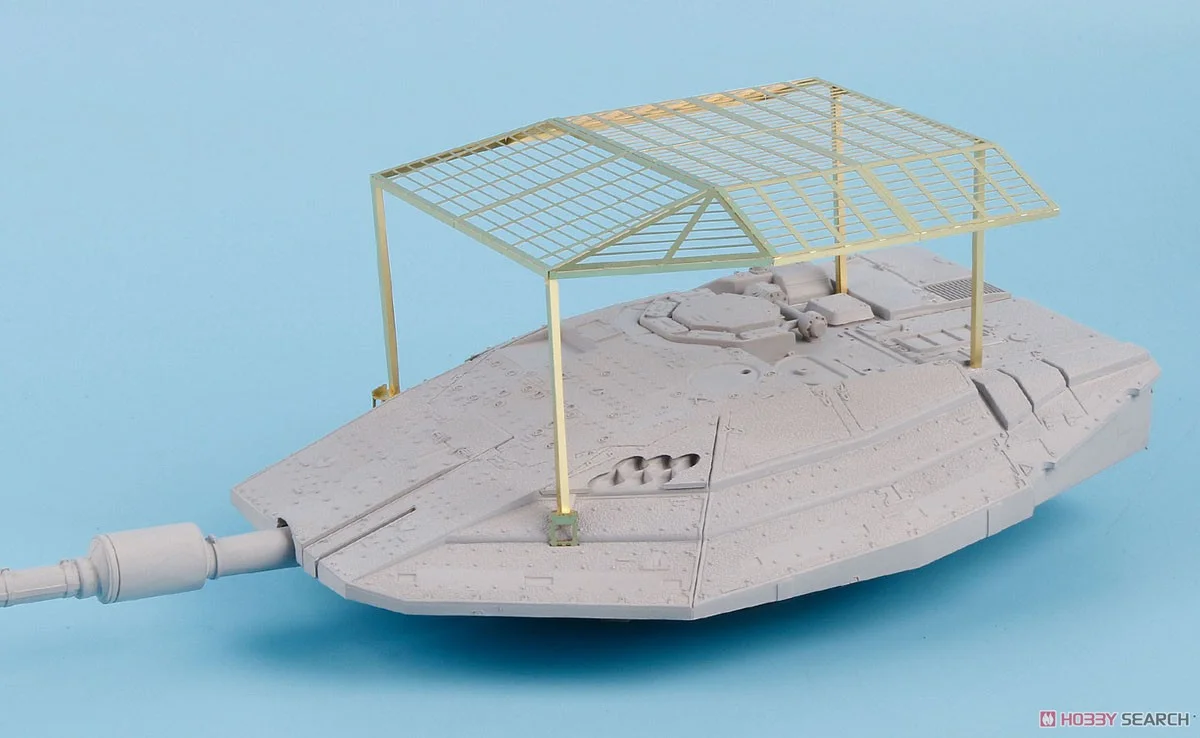
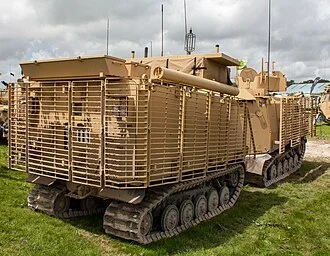
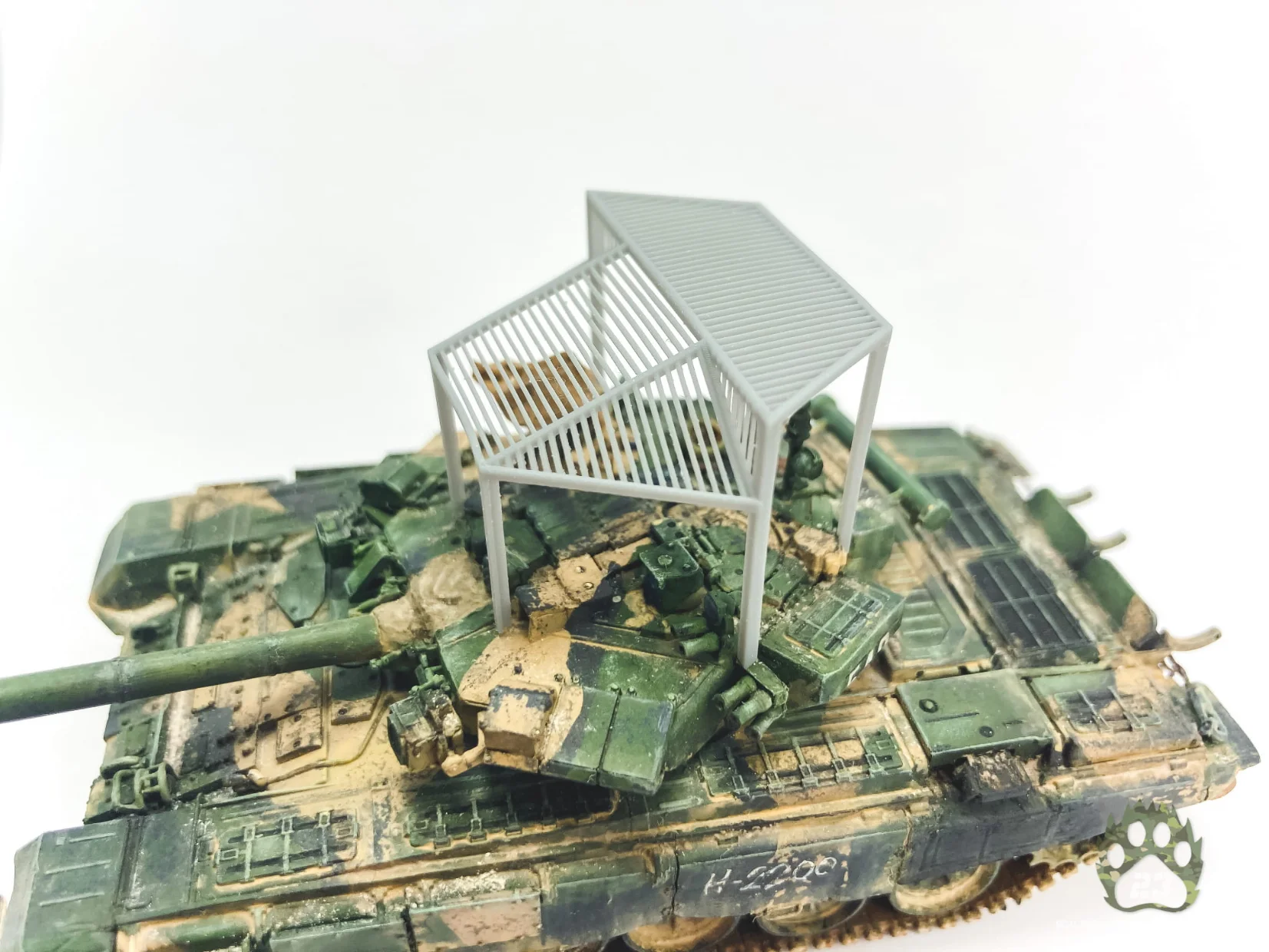
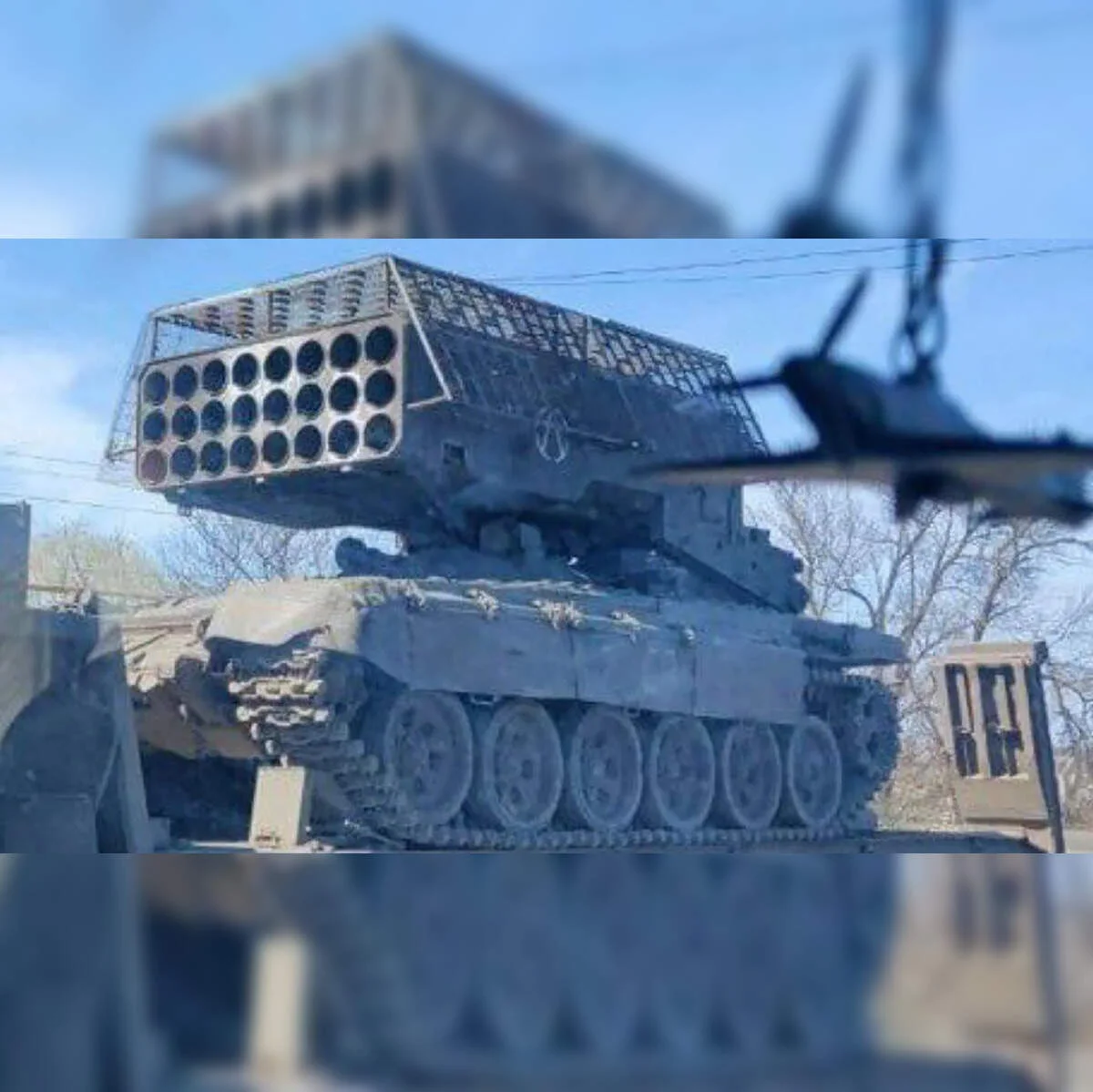
A cope cage manufacturer is not just a metal fabricator — they are your strategic partner in protecting armored vehicles from drone-dropped munitions, FPV kamikaze drones, and RPG-shaped charge warheads. The stakes are not theoretical: a weld failure on a cope cage under combat conditions means a destroyed vehicle, lost crew, and mission failure. Choosing the wrong manufacturer means delayed deliveries, substandard materials substituted without disclosure, and armor that fails at the moment it is needed most.
Since the Russo-Ukrainian war transformed cope cages from improvised field welds into factory-standard armor systems, procurement officers worldwide face a new and urgent challenge: how do you evaluate a supplier for a product category that barely existed three years ago? Unlike established armor categories with decades of MIL-SPEC documentation and certified supplier networks, cope cage manufacturing sits at the intersection of heavy structural welding and battlefield improvisation — a combination that many traditional armor suppliers have not yet mastered.
This guide provides a 9-point defense procurement checklist developed from Dengtai's 20+ years of armor fabrication experience. It covers material selection, welding certifications, factory audit procedures, regional manufacturing differences, common defects to watch for, and RFQ preparation.
Score each potential manufacturer against the 9-point checklist below. Score yourself against each supplier. A manufacturer scoring below 7/9 requires documented justification. Below 5/9: disqualify immediately.
Understanding Cope Cage Manufacturing Capabilities
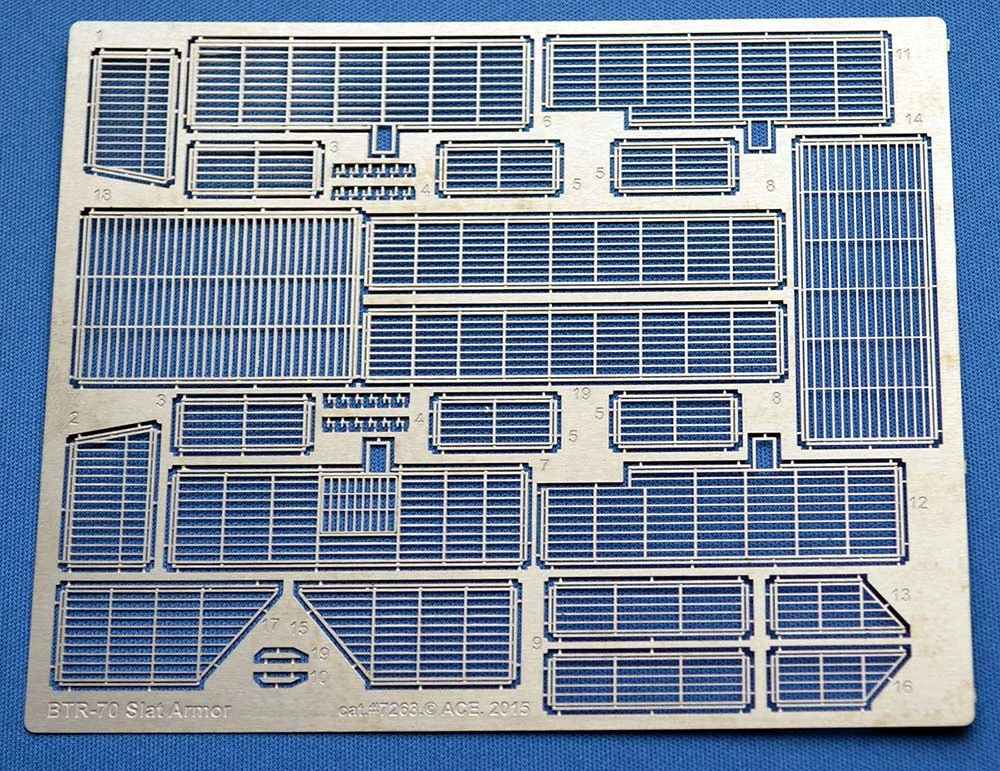
Before evaluating individual manufacturers, procurement teams must understand what constitutes a qualified cope cage fabrication operation. A general structural welding shop — even one with decades of experience building bridges or buildings — is not automatically competent to produce combat armor. The requirements for cope cage fabrication are materially different from commercial structural welding in three critical ways: material behavior under ballistic impact, weld integrity under blast loading, and geometric precision for vehicle integration.
| Capability | Minimum Requirement | Why It Matters |
|---|---|---|
| Steel Processing | CNC plasma or laser cutting with ±0.5mm tolerance | Bolt-hole misalignment of even 2mm can make a cage impossible to mount without field modification. Precision cutting eliminates on-site rework. |
| Welding Certification | AWS D1.1 or ISO 3834-2 certified welders on staff | Armor-grade steel (AR500, Hardox) requires pre-qualified WPS with controlled preheat and interpass temperatures. General welders without armor experience routinely cause hydrogen-induced cracking. |
| Material Inventory | AR400, AR500, Hardox 450/500 in verified stock | A manufacturer who orders steel after you place the order adds 4-6 weeks to lead time. Verified inventory means production starts immediately. |
| NDT Inspection | In-house UT, MT, and VT capabilities with certified technicians | Outsourced NDT creates quality gaps. A cage shipped without inspection may have hidden weld defects that fail under the first blast load. |
| Surface Treatment | CARC paint system per MIL-DTL-53039, zinc-rich epoxy primer, or hot-dip galvanizing | Corrosion protection directly determines service life. A cage that rusts through in 18 months is a wasted procurement. |
| Assembly & Fit-Up | Complete trial assembly on vehicle-specific jigs before crating | Parts that fit perfectly in CAD can still have tolerance stack-up issues in the real world. Trial assembly catches these before the cage reaches the battlefield. |
Dengtai's manufacturing baseline: 3,000 m² facility with 12 robotic welding stations (GMAW, ±0.1mm positional accuracy), 8 manual welding bays for complex geometries, CNC plasma cutting up to 50mm plate thickness, and a full in-house NDT laboratory performing UT per ASTM E114, MT per ASTM E709, and VT per AWS D1.1 on every critical weld. Annual cope cage output exceeds 3,000 units. View our cope cage fabrication capabilities →
9-Point Checklist for Evaluating a Cope Cage Manufacturer
Manufacturer Scoring Card
Rate each manufacturer against the 9 criteria below. Score: ✅ = Pass (1 point) · ⚠️ = Conditional (0.5 points) · ❌ = Fail (0 points)
-
1. ISO 9001 & Welding Certifications — Verified, Not Claimed
Request current copies of ISO 9001:2015 and ISO 3834-2 certificates directly from the certification body — not from the manufacturer. Verify expiration dates, scope statements, and any suspension history. AWS D1.1 welder certifications should be current within 12 months. Dengtai holds all three certifications; certificates are available for audit during any factory visit.
Red flag: Certificates with scope limited to "general manufacturing" rather than "metal fabrication" or "welding." Expired certs with promises of renewal "next month."
-
2. Steel Grade Inventory & Mill Traceability
Walk the stock yard during your factory visit. You should see organized steel plate inventory with visible grade markings (AR400, AR500, Hardox) and heat numbers stenciled on each plate. Every plate must be traceable to its mill test report (MTR). Request three random MTRs from plates in stock — a legitimate manufacturer provides them within minutes.
Red flag: "We use equivalent local steel" without providing a cross-reference table. Plates stored outdoors with visible rust. MTRs that are photocopies of photocopies.
-
3. Weld Procedure Specifications (WPS) & Procedure Qualification Records (PQR)
Armor steel welding is fundamentally different from commercial structural welding. The manufacturer must provide WPS documents — not generic ones, but procedure-specific documents qualified on the actual steel grades in your order. For AR500: preheat 150-200°C, max interpass 250°C, low-hydrogen ER70S-6 or ER80S-D2 filler metal, post-weld hydrogen bake-out at 250°C. Ask to see the corresponding PQR with tensile test results. If the PQR doesn't exist, the WPS is unqualified.
Red flag: "Our welders are experienced, they don't need written procedures." Generic WPS with no PQR backing. Inability to explain preheat for armor steel.
-
4. Non-Destructive Testing Capability — In-House, Not Outsourced
NDT must be performed in-house by certified technicians (ASNT Level II minimum). Ultrasonic testing detects internal defects; magnetic particle testing detects surface cracks. Request to see recent NDT reports: each must include inspector name, certification number, test parameters, and acceptance criteria per AWS D1.1 Table 6.1. Reports that simply say "passed" with no data are paperwork, not inspection.
Red flag: NDT equipment covered in dust with expired calibration stickers. Reports signed by production manager rather than certified NDT technician.
-
5. Production Capacity & Delivery Track Record
Capacity is proven by delivery records, not claims. Request the last 10 projects showing order quantity, promised delivery date, and actual delivery date. Consistent on-time delivery (≥90%) on similar-scale projects is the only reliable indicator. Dengtai's capacity: 200 units/month single-shift, proven across 5,000+ completed projects, scalable to 400+.
Red flag: "We can handle any volume" without disclosing current production schedule and capacity utilization.
-
6. Vehicle-Specific Design Experience
A cope cage that fits "most tanks" fits no tank properly. The manufacturer must demonstrate vehicle-specific capability: CAD models, field-measured templates, or previous project photos for your exact platform. For T-72, they should understand variant differences (B, B3, B3M). For Abrams, the cage must clear CITV and loader's hatch while maintaining full turret rotation.
Red flag: "We can make a cage for any tank — they're all the same." No CAD files or installation photos for your specific vehicle.
-
7. Export Documentation & Defense Logistics Experience
Military-grade exports require end-use certificates, correct HS codes (typically 7308.90), serialized packing lists, and letters of credit processing. The manufacturer must demonstrate experience with your country's import regulations — what clears Germany may be held for months in an African or Middle Eastern port. Dengtai ships to 35+ countries with zero customs rejections.
Red flag: "Shipping is your responsibility after FOB." No experience with your region's import requirements.
-
8. Client References — Verified Through Direct Contact
Request contact details for three recent clients with projects similar to yours. Call or email directly. Ask: "Actual delivery date vs promised?" "Quality issues and resolution?" "Would you order again?" A manufacturer that cannot provide verifiable references within 48 hours is hiding poor performance or fabricating project history.
Red flag: References "unavailable to speak" or only contactable through the manufacturer.
-
9. Factory Visit Transparency — Full Access, No Restrictions
Schedule a visit with 2-3 weeks notice. The manufacturer must provide unrestricted access to: raw material storage, welding stations, NDT laboratory, assembly area, and finished product staging. Restricted areas or mysteriously "under renovation" zones are red flags. Count welding stations. Check calibration stickers. Observe work-in-progress — does it match the proposal's quality claims? Schedule a visit to Dengtai's ISO-certified facility →
Red flag: Repeated postponement. Tour limited to a conference room and one "show" workstation. Clean shop floor with no work-in-progress.
The 9-point checklist is a screening tool — not a negotiation framework. A manufacturer that fails on criteria 1-4 (certifications, materials, welding, NDT) should be disqualified regardless of price competitiveness. These are safety-critical factors where compromise means accepting the risk of armor failure in combat.
A quote 40%+ below market average signals: (1) mild steel substituted for armor-grade, (2) uncertified welders, or (3) NDT skipped entirely. A $800 cage that fails costs more than a $2,500 cage that performs — the real cost is measured in vehicle losses, not invoice amounts.
Steel Grade Selection: AR400 vs AR500 vs Hardox vs MIL-A-46100
Material selection is simultaneously the largest cost variable and the most critical performance decision in cope cage manufacturing.
Medium protection. Best for training vehicles, rear-echelon logistics trucks.
High-threat environments. MBT turret cages, frontline IFVs.
Extreme conditions. Blast-rated cages, Arctic deployment.
Formal military contracts. Documented MIL-SPEC with full audit trail.
Welding Implications Per Steel Grade
- AR400 welding: The most forgiving armor grade. Can be welded with standard ER70S-6 filler metal. Preheat only required above 12mm thickness. Risk of hydrogen-induced cracking is moderate but manageable with proper storage of low-hydrogen electrodes.
- AR500 welding: Demands strict process control. Preheat of 150-200°C is mandatory regardless of thickness. Interpass temperature must not exceed 250°C to prevent softening of the heat-affected zone (HAZ). Post-weld hydrogen bake-out at 250°C for 2 hours per 25mm thickness is recommended to prevent delayed cracking — a defect that can appear days after welding, after the cage has already passed visual inspection.
- Hardox welding: Similar to AR500 but with tighter heat input limits. Maximum heat input of 1.7 kJ/mm for Hardox 450 and 1.5 kJ/mm for Hardox 500 to preserve the quenched-and-tempered microstructure. Exceeding these limits softens the HAZ, creating weak zones that will fail preferentially under ballistic impact.
- MIL-A-46100 welding: The most demanding grade. Requires austenitic stainless steel filler metal (typically ER309L or ER312) to prevent hydrogen cracking. Preheat of 175-225°C mandatory. Only manufacturers with documented experience welding this grade should be considered.
| Grade | Hardness (HBW) | Yield (MPa) | Preheat | Best Application |
|---|---|---|---|---|
| AR400 | 360-440 | ~1,000 | 50-100°C (≤12mm) | Medium protection, logistics trucks |
| AR500 | 470-530 | ~1,250 | 150-200°C mandatory | High-threat, MBT turret cages |
| Hardox 450/500 | 425-500 | ~1,100-1,250 | 125-175°C (≥10mm) | Extreme conditions, Arctic deployment |
| MIL-A-46100 | 477-534 | ~1,300 | 175-225°C mandatory | Formal MIL-SPEC contracts |
A competent manufacturer recommends steel grades based on your threat assessment — not their inventory convenience. If a supplier cannot articulate why they chose AR500 over AR400 for your specific application, they are selecting by inventory or habit, not engineering judgment. Always ask for the written material selection rationale.
Common Manufacturing Defects & How Procurement Officers Can Spot Them
Even manufacturers with valid certifications can produce defective cope cages. Knowing what to look for during factory inspections can prevent acceptance of substandard product.
| Defect | Visual Indicator | Consequence |
|---|---|---|
| Cold Lap / Lack of Fusion | Weld bead sitting on top of base metal; visible gap between weld toe and plate | Joint fails under first blast load. Most common with AR500 when preheat was skipped. |
| Undercut | Groove melted into base metal along weld toe, reducing effective plate thickness | Stress concentration point; crack initiation site under vibration and repeated impact. |
| Hydrogen Crack (Delayed) | Invisible immediately after welding. Appears hours to days later. Only detectable by MT or UT. | Most dangerous — cage passes visual inspection, is shipped, then cracks appear during transport or installation. |
| Slag Inclusion | Dark irregular lines on UT scan; may appear as surface porosity on weld face | Reduces effective weld cross-section; propagates under cyclic loading from vehicle vibration. |
| Distortion / Misalignment | Mounting holes that do not align; cage frame visibly warped on flat surface | Cage cannot be installed without field modification that voids the manufacturer's design intent. |
Bring a weld fillet gauge, flashlight, and digital camera to your pre-shipment inspection. Photograph every weld — the camera's zoom reveals defects the naked eye can miss. If the manufacturer objects to detailed photography, that objection itself is a red flag.
Regional Manufacturing Comparison: China vs Eastern Europe vs Western Suppliers
| Factor | China | Eastern Europe | Western/NATO |
|---|---|---|---|
| Typical FOB Price (per unit) | $1,200-$3,500 | $2,000-$5,000 | $4,000-$8,000+ |
| Lead Time | 6-10 weeks | 8-14 weeks | 12-20 weeks |
| Certification Depth | Varies widely; top-tier hold ISO 3834-2 + AWS D1.1 | Generally ISO 9001 | Comprehensive; MIL-STD qualified |
| Best For | Volume production, competitive pricing, 5,000+ project track record | Shorter shipping to Europe, NATO familiarity | ITAR compliance, highest-level NATO programs |
Regional origin is not a quality indicator — certification depth and factory audit results are. A Chinese factory holding ISO 3834-2 with AWS D1.1 certified welders will produce superior welds to an uncertified Western shop. The procurement decision should be driven by verified capabilities, not geography-based assumptions.
Certification & Compliance: What to Verify Before Signing
- ISO 9001:2015 (Required): Quality management system. Minimum baseline. Verify scope includes "metal fabrication" or "welding" — not just "general manufacturing." Verify certificate number directly on the certification body's website.
- ISO 3834-2 (Strongly Recommended): Comprehensive welding quality. Requires documented welding coordination, qualified WPS, certified welders, and systematic inspection. Significantly more rigorous than ISO 9001 for welding operations.
- AWS D1.1 CWI (Required for US/MIL-SPEC): Individual welder certification. Demand current cards with expiration dates for every welder on your project.
- EN 15085 CL1 (Gold Standard): Highest certification tier for safety-critical welding. Directly applicable to combat vehicle armor. Dengtai holds EN 15085 CL1.
Factory Audit Guide: A Step-by-Step Inspection Protocol
Plan a half-day audit. Bring a checklist, camera, weld fillet gauge, and notebook.
-
Step 1 — Raw Material Verification (45 min)
Organized inventory with visible grade markings and heat numbers. Indoor storage — outdoor rusting is disqualifying. Request three random MTRs and verify heat numbers match the plates.
-
Step 2 — Welding Station Audit (60 min)
Each station: posted WPS card, calibrated equipment. Watch 3+ welders — consistent technique, clean work area. Ask about AR500 preheat requirements directly.
-
Step 3 — NDT Laboratory (30 min)
Functional UT with calibration stickers. Request last 3 NDT reports: must show inspector name, cert number, test parameters, and acceptance criteria per AWS D1.1 Table 6.1.
-
Step 4 — Assembly & Fit-Up (30 min)
Vehicle-specific jigs. Fully assembled cages undergoing fit-up verification. Documented assembly checklist with dimensional checks.
-
Step 5 — Finished Product & Export Readiness (20 min)
Organized staging with project labels, inspection stamps. ISPM-15 crating. Cages exposed to weather or lacking inspection stamps = poor quality culture.
If you observe any two of these during a single visit — unmarked steel plates, welders without posted WPS, NDT equipment without calibration stickers, or finished cages stacked outdoors — terminate the audit and disqualify the manufacturer. These are not marginal issues; they are systemic quality culture failures.
Pricing Framework: Understanding Every Cost Driver
| Cost Component | Share | Key Driver |
|---|---|---|
| Raw Steel Material | 35-50% | Grade: AR400 baseline → MIL-A-46100 at +100-150%. Plate thickness multiplies linearly. |
| Fabrication Labor | 20-30% | Design complexity. Robotic welding cuts hours by 40-60% but requires higher equipment investment. |
| Surface Treatment | 8-15% | CARC paint: 3-5× more than industrial primer. Hot-dip galvanizing: ~$0.30-0.50/kg treated. |
| NDT Inspection | 5-10% | 100% UT+MT costs 2× more than statistical sampling. Most commonly omitted from "competitive" quotes. |
| Engineering & Documentation | 3-7% | Custom design NRE: $1,500-5,000. Full doc package: $200-500/order. |
| Export Packaging & Logistics | 8-12% | ISPM-15 crating: $150-400/cage. Ocean freight: ~$2,000-4,000 per 20ft container (8-12 cages). |
Volume Tiers: Prototype (1-5): +30-50%. Batch (10-50): baseline. Production (100+): -15-25%. Always request FOB pricing for apples-to-apples comparison. Request your detailed FOB quote →
RFQ Preparation: What to Include for Accurate Quotes
1. Vehicle & Platform
- Make, model, variant, year
- Mounting point photos (4 angles)
- Existing armor/ERA
- Clearance dimensions
- Max added weight (kg)
2. Technical Specifications
- Steel grade or threat description
- Thickness range (frame + grid)
- Weld standards required
- Surface treatment spec
- NDT coverage requirement
3. Commercial & Delivery
- Quantity + delivery schedule
- Partial shipments acceptable?
- Preferred incoterms
- Destination port + restrictions
- Payment terms (T/T or L/C)
4. Quality & Documentation
- NDT method + coverage
- Doc package: MTR, WPS, PQR, NDT
- Third-party inspection
- Warranty: 12 months minimum
- Acceptance: AWS D1.1 Table 6.1
Frequently Asked Questions
Standard: 6-10 weeks (existing designs), 10-14 weeks (custom). Prototypes: 4-6 weeks from drawing approval. Expedited: -30-40% time at +15-25% cost. Steel availability is the biggest variable — manufacturers with verified inventory start immediately.
Dengtai accepts single prototypes to full production runs. No formal MOQ. Unit pricing is most competitive at 10+ units. Contact our engineering team with your requirements for a detailed quotation.
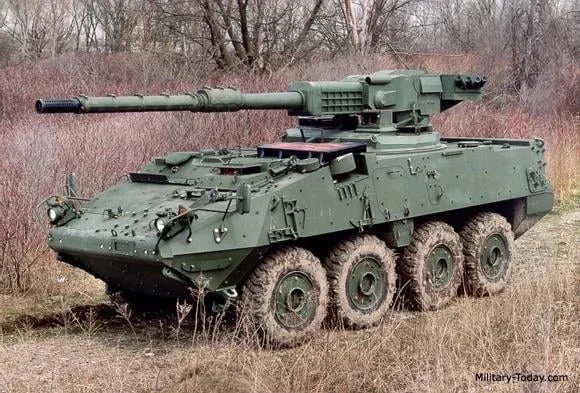
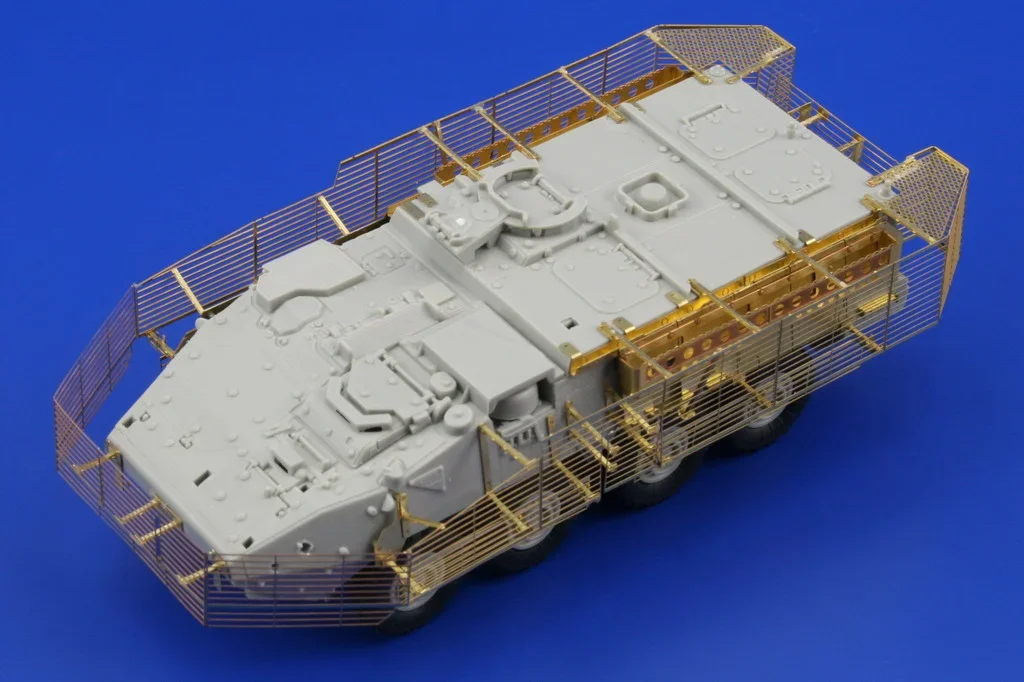
Yes — this is our core capability. 40+ vehicle types delivered: MBTs (T-72, T-90, Abrams, Leopard 2, Challenger 2), IFVs (BMP-1/2/3, Bradley, CV90), APCs (M113, BTR, Stryker), artillery (M109, 2S19), and logistics/support vehicles.
AWS D1.1 (primary), ISO 3834-2 certified, EN 15085 CL1. WPS pre-qualified per grade/thickness. GMAW with ER70S-6/ER80S-D2 for AR400/AR500. Controlled preheat, interpass monitoring, post-weld hydrogen bake-out. MIL-STD-1685A/2196A for formal contracts.
Every cage ships with installation manual (torque specs, bolt patterns, tool list, step-by-step photos). Bolt-on design — no welding on vehicle required. On-site supervision for fleet orders (20+). Remote video support via WhatsApp/WeChat at no charge.
"Dengtai's cope cage fabrication exceeded our specifications. The weld quality and dimensional accuracy were exceptional — zero rework required across the entire order. Their engineering team was responsive throughout the prototyping phase, incorporating our feedback within 48 hours. For mission-critical armor procurement, they are our first call."
Ready to Evaluate Cope Cage Manufacturers?
Use this checklist to benchmark potential suppliers, then contact Dengtai's engineering team to see how we measure up. We welcome factory visits, provide unrestricted access to our production floor and NDT laboratory, and deliver complete certification packages with every order.
Request your factory-direct cope cage fabrication quote →
Related resources: cope cage fabrication capabilities · anti-drone cage armor solutions · armor fabrication RFQ service · Dengtai ISO-certified facility