Introduction
Drone cage armor for tanks has become one of the most urgently needed battlefield upgrades in modern warfare. As FPV drones and loitering munitions transformed the Ukrainian battlefield tanks that once dominated ground combat found themselves vulnerable to small inexpensive aerial threats that could strike their most lightly armored areas.
This comprehensive guide explains what drone cage armor for tanks is why tanks need it how to install it who manufactures it and what impact it has on vehicle mobility. Whether you are a defense procurement officer a tank commander or a military vehicle engineer this article provides the technical depth you need to make informed decisions about tank armor upgrades.
What Is Drone Cage Armor for Tanks?
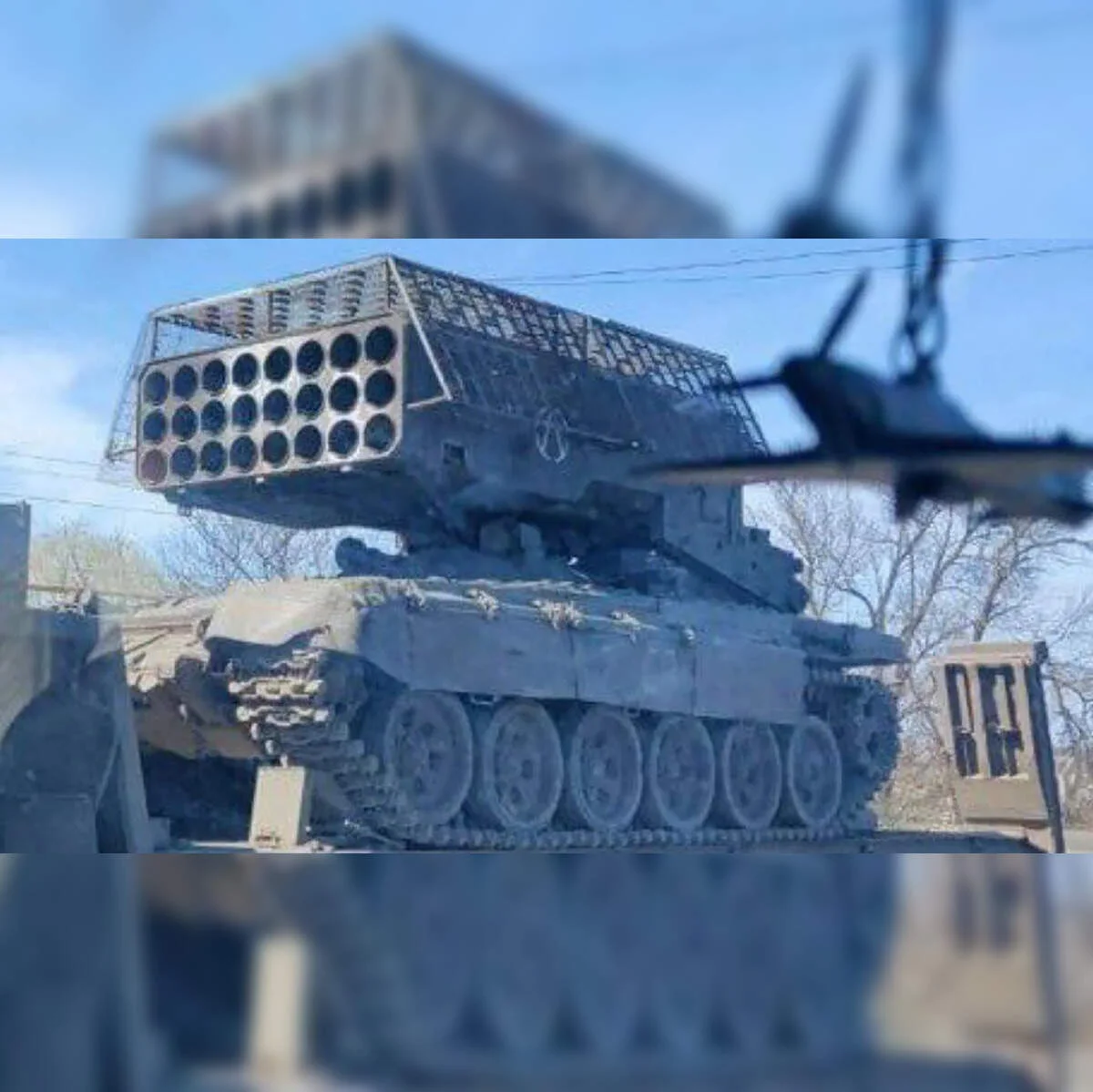
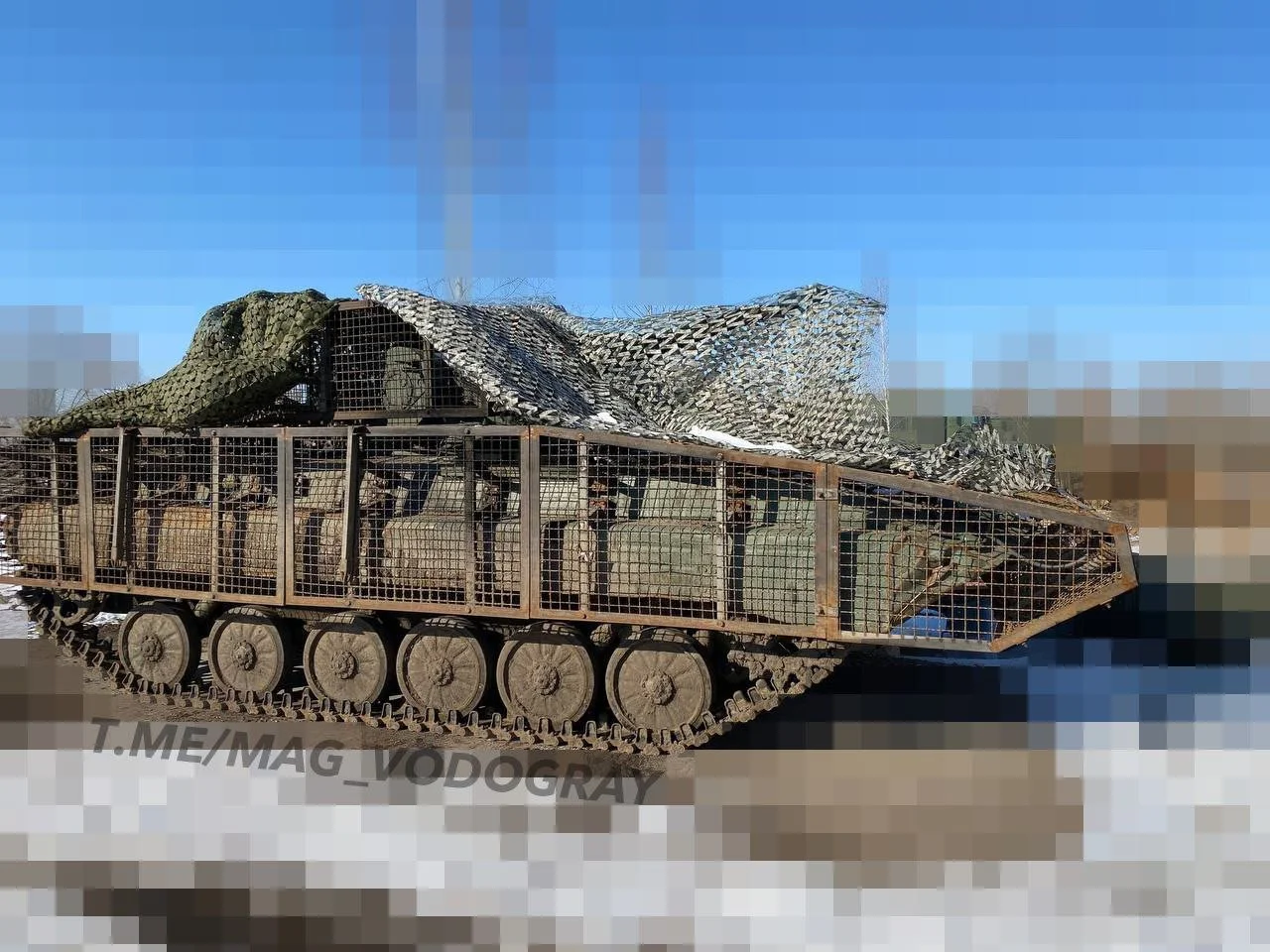
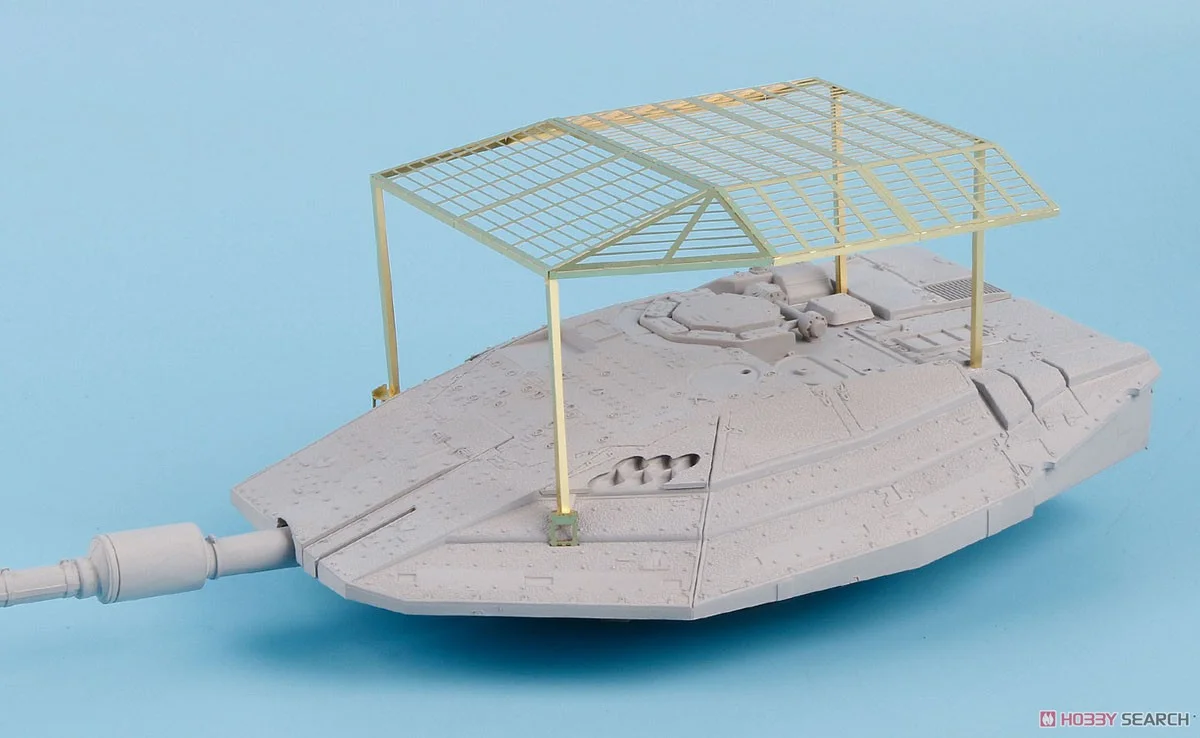
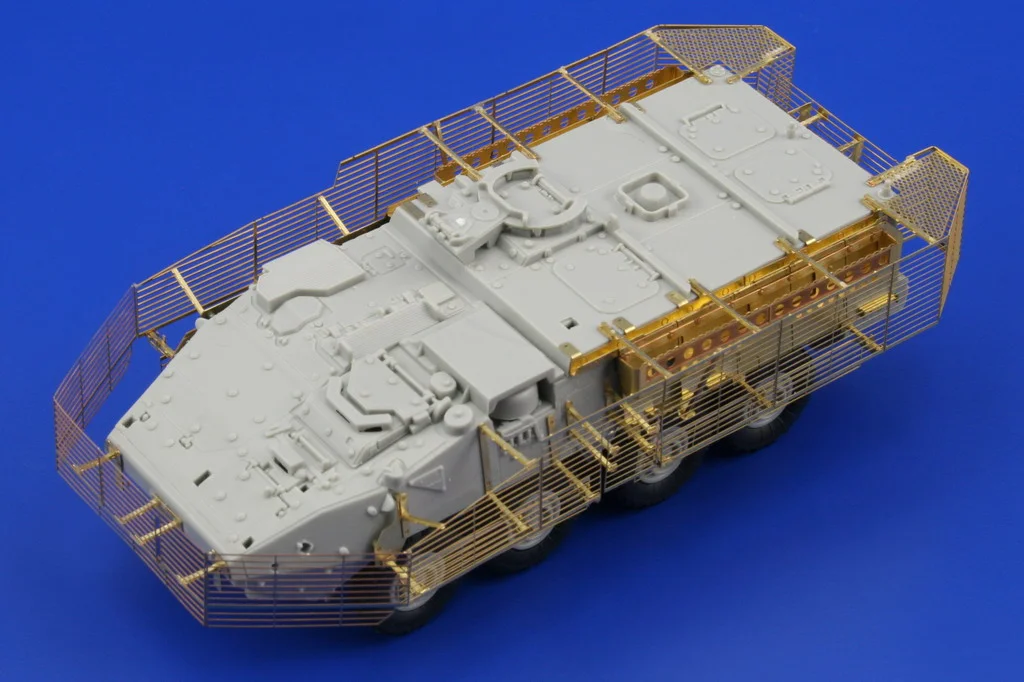
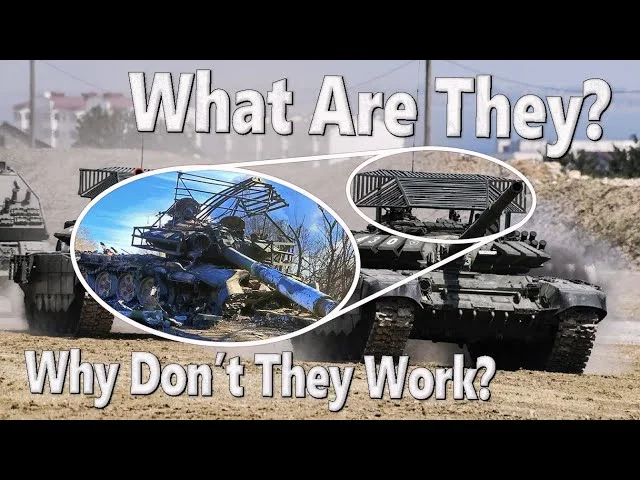
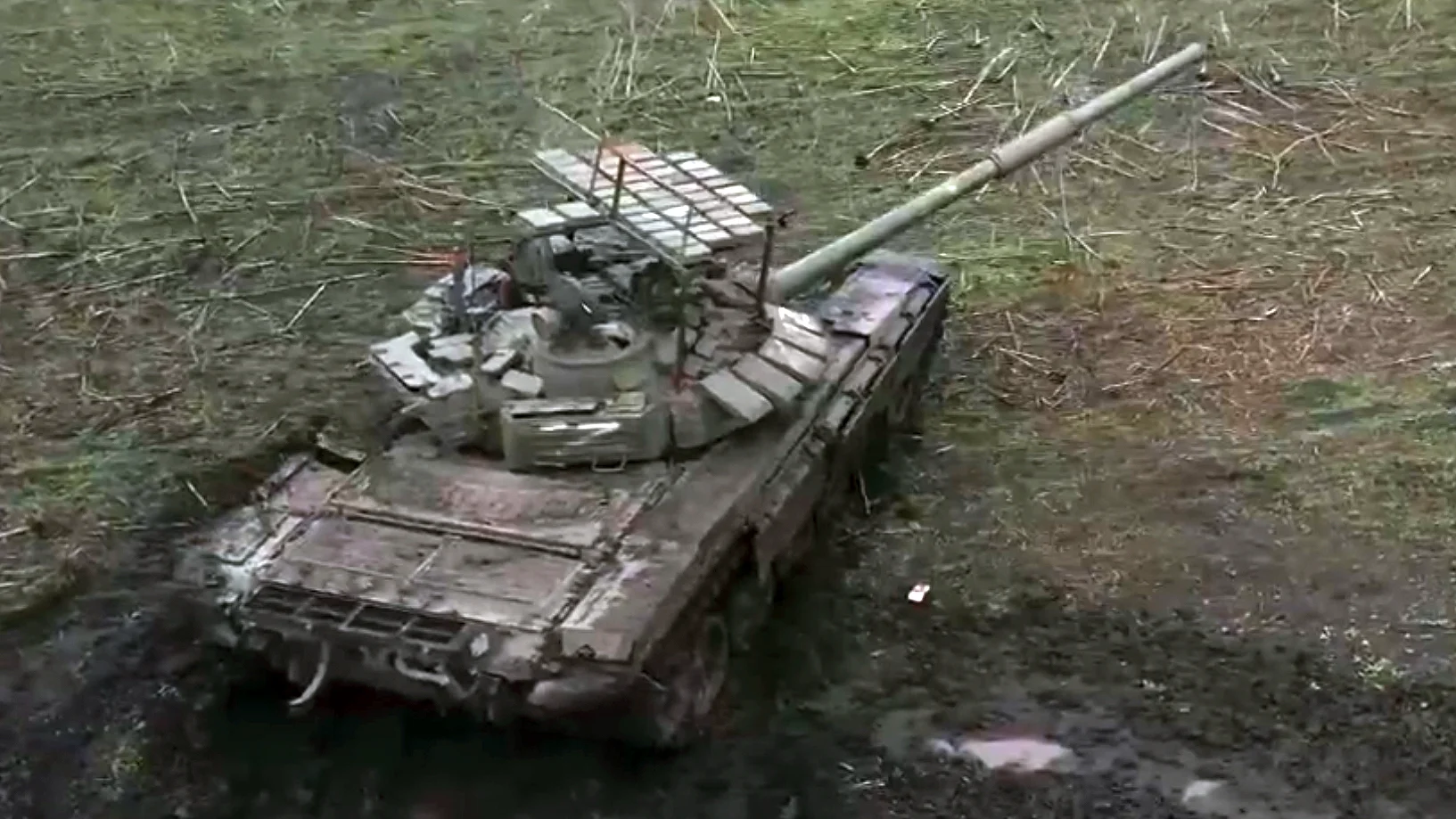
Drone cage armor for tanks is a standoff protection system consisting of a welded steel or mesh framework mounted externally on the tank hull and turret. Also known as cope cages these structures create a physical barrier between incoming drone munitions and the tank vulnerable areas.
Key characteristics of drone cage armor for tanks include:
- Standoff distance: The cage is mounted 30-60 cm away from the tank armor creating a gap that disrupts shaped charge jet formation
- Bar or mesh construction: Made from steel bars (typically 10-20mm diameter) or welded mesh panels arranged in a grid pattern
- Modular design: Multiple panels that cover the turret roof turret sides hull front and engine deck
- Vehicle-specific fit: Custom-designed for each tank model to match its unique geometry and mounting points
- Field-installable: Designed for installation by tank crews using standard tools without depot-level maintenance
The cage system does not replace the tank existing armor. Instead it works as a first line of defense intercepting drone threats before they reach the main armor package.
Why Do Tanks Need Drone Cage Armor?
The need for drone cage armor for tanks emerged from hard-won combat experience. Understanding why tanks need this protection requires examining both the nature of the drone threat and the specific vulnerabilities of modern main battle tanks.
The FPV Drone Threat to Armor
Modern FPV (First Person View) drones have fundamentally changed the threat landscape for armored vehicles:
- Precision attack: FPV drones can fly at low altitude and strike the tank most vulnerable areas — the turret roof engine deck and rear hull — where armor is thinnest
- Top-attack capability: Most tank armor is concentrated on the front arc and sides. The roof armor is typically only 20-40mm thick and cannot withstand modern anti-tank warheads
- Cost asymmetry: A $500 FPV drone can disable a multi-million dollar tank by striking an unarmored area
- Swarm tactics: Multiple drones can attack simultaneously overwhelming the tank defensive systems
- 24/7 surveillance: Drones provide persistent overwatch making it difficult for tanks to move or hide
Without cage armor a single drone strike to the turret roof can penetrate the thin overhead armor and destroy the tank or kill the crew.
Combat Lessons from Ukraine
The conflict in Ukraine provided the clearest demonstration of why drone cage armor for tanks is essential. Both Russian and Ukrainian forces rapidly adopted field-expedient cage armor after heavy tank losses to drones. Key observations include:
- Dramatic loss reduction: Units that fitted cage armor saw significantly reduced tank losses to drone attacks compared to unprotected vehicles
- Field improvisation: Early cage armor was improvised from scrap metal and bed frames proving the concept even with non-optimized materials
- Standardization: By 2024 both sides introduced factory-produced cage armor kits designed for specific tank platforms
- Continuous evolution: Drone tactics and countermeasures continue to evolve with cage designs regularly updated to address new threats
The combat data from Ukraine conclusively demonstrates that drone cage armor for tanks is not optional — it is a critical survival upgrade for modern armored forces.
How Drone Cage Armor Protects Tanks
Drone cage armor for tanks protects through three primary mechanisms:
- Physical interception: The cage structure physically catches or deflects incoming drones before they reach the tank armor. The mesh or bar spacing is designed to be small enough to catch drones but large enough to avoid excessive weight and wind resistance.
- Standoff effect: Shaped charge warheads (like those carried by RPGs and anti-tank missiles) rely on a focused jet of molten metal to penetrate armor. If the warhead detonates at a distance from the main armor the jet dissipates and penetration is dramatically reduced. The cage holds the warhead at a standoff distance of 30-60 cm.
- Premature detonation: When a drone impacts the cage its warhead detonates outside the tank armored envelope. Even if the jet penetrates the cage structure by that point it has already been disrupted by the cage material and standoff distance.
The combination of these effects makes cage armor highly effective against FPV drones carrying RPG warheads or modified munitions. Field reports indicate effectiveness rates of 60-80% against direct drone attacks.
How to Install Drone Cage Armor on Tanks
Installing drone cage armor on tanks is designed to be straightforward for military maintenance teams. The specific installation method varies by tank type but follows a consistent approach.
Installation Methods by Tank Type
Different tank platforms require different installation approaches:
- Western tanks (M1 Abrams Leopard 2 Challenger 2): These tanks typically have flat turret surfaces with existing mounting points. Cage panels bolt directly onto the turret sides and roof using welded brackets that attach to existing bolts or threaded inserts. The hull cage mounts to brackets welded onto the hull sides.
- Russian/Soviet tanks (T-72 T-90 T-80): These have rounded turrets that require custom-formed mounting brackets. Installation typically involves welding base plates onto the turret then bolting the cage panels to these plates. The ERA (Explosive Reactive Armor) blocks must be worked around.
- Chinese tanks (Type 99 Type 96): Similar to Russian tanks in approach but with different ERA layouts and turret geometry. Some Chinese tanks have pre-installed mounting points for cage armor.
For all tank types the installation is reversible. The cage can be removed if needed for major maintenance or transport without damaging the tank structure.
Installation Time and Crew Requirements
Typical installation parameters for drone cage armor on tanks:
| Parameter | Typical Value |
|---|---|
| Installation time (first time) | 8-12 hours |
| Installation time (experienced crew) | 4-6 hours |
| Crew size required | 2-4 personnel |
| Tools required | Standard socket set torque wrench lifting equipment |
| Welding required | Minimal (bracket attachment only) |
| Vehicle modification | None to minimal (no hull or turret cutting) |
Manufacturers typically provide installation manuals and sometimes send technical representatives for first-time installations or complex platforms. Training for maintenance crews can be completed in 1-2 days.
Does Drone Cage Armor Affect Tank Mobility?
A common concern with drone cage armor for tanks is whether the added weight and structure negatively impact vehicle performance. The answer depends on the cage design and tank platform.
Weight Impact
The weight of drone cage armor for tanks varies by coverage area and material thickness:
| Coverage Level | Weight Added | % of Tank Weight |
|---|---|---|
| Minimal (turret roof only) | 150-250 kg | 0.1-0.2% |
| Standard (turret + hull sides) | 300-500 kg | 0.2-0.4% |
| Full (turret hull roof engine deck) | 500-800 kg | 0.3-0.6% |
| Heavy-duty (reinforced for threats) | 800-1,200 kg | 0.5-0.9% |
For comparison a main battle tank weighs 50-70 tons. Adding 500 kg represents less than 1% weight increase. This has negligible impact on acceleration top speed or fuel consumption. The weight is also distributed across the vehicle rather than concentrated in one area.
Suspension components may experience slightly increased wear over extended periods but modern tank suspensions are designed with significant safety margins that accommodate this additional load without issue.
Aerodynamics and Visibility
Beyond weight drone cage armor can affect tanks in other ways:
- Aerodynamic drag: The cage creates additional wind resistance. At typical tank speeds (40-60 km/h) the effect is negligible. At highway transport speeds on trailers the increased drag may slightly increase fuel consumption.
- Visibility obstruction: Cage bars can partially obstruct the crew view. Modern cage designs use wider spacing in critical viewing areas to minimize this. Camera systems can also be relocated or given protective housings.
- Weapon system clearance: The cage must be designed to allow full turret rotation and weapon elevation without interference. This is a key design requirement for all professional cage kits.
- Heat dissipation: Engine deck cages must maintain adequate airflow for radiator and exhaust cooling. Professional designs include sufficient open area for proper ventilation.
Reputable manufacturers address all these concerns during the design phase. A well-designed drone cage armor system has minimal impact on vehicle operation while providing substantial protection benefits.
Who Manufactures Drone Cage Armor for Tanks?
Several companies manufacture drone cage armor for tanks. The market has grown significantly since 2022 with both established defense manufacturers and specialized armor fabricators offering solutions:
- Dengtai Industrial: China-based armor fabrication specialist offering custom drone cage armor for all major tank platforms including Abrams Leopard 2 T-72 T-90 and Type 99. ISO 3834 and AWS D1.1 certified. Provides full engineering design fabrication and installation support.
- European armor manufacturers: Several European defense contractors produce cage armor for NATO-standard tanks. Prices are higher but they offer local support and EU-certified materials.
- US-based armor fabricators: American companies serving the US military and allied forces with ITAR-compliant manufacturing. Typically focus on Abrams and Bradley platforms.
- Ukrainian field workshops: Ukrainian defense workshops have developed extensive experience with field-expedient and production cage armor for Soviet-era tanks. Their designs are battle-tested but may lack formal certification.
- Russian manufacturers: Russian defense industry produces cage armor for Russian tank fleets. Availability to international buyers is limited by sanctions.
When choosing a manufacturer prioritize those with experience on your specific tank platform proper quality certifications and the ability to provide installation support and documentation packages.
How Much Does Drone Cage Armor for Tanks Cost?
The cost of drone cage armor for tanks varies based on coverage area design complexity and manufacturer.
| Coverage | Price Range (Single Unit) | Typical Weight |
|---|---|---|
| Turret roof only | $6,000 - $12,000 | 150-250 kg |
| Turret + hull sides | $10,000 - $20,000 | 300-500 kg |
| Full coverage (turret hull engine deck) | $15,000 - $30,000 | 500-800 kg |
| Heavy-duty full coverage | $20,000 - $40,000 | 800-1,200 kg |
| Fleet order (10+ units per unit) | $8,000 - $22,000 | Varies |
Costs typically include all structural components mounting hardware and installation documentation. Additional costs may apply for:
- Custom engineering and design ($2,000 - $8,000 one-time NRE)
- Non-destructive testing and certification ($1,000 - $3,000)
- Military-grade CARC painting ($1,000 - $3,000)
- International shipping and customs clearance ($2,000 - $8,000)
When compared to the cost of a main battle tank ($4-10 million) or the cost of losing a tank to a drone attack the investment in cage armor is minimal. Even the most expensive full-coverage cage system represents less than 1% of the vehicle value.
Conclusion
Drone cage armor for tanks has proven itself as an essential battlefield survival upgrade in modern warfare. The threat from FPV drones is not going away and tank forces that operate without cage armor face unacceptable risks of catastrophic losses from small inexpensive aerial munitions.
Key takeaways from this guide:
- Drone cage armor is a standoff protection system that intercepts drone munitions before they reach the tank main armor
- Tanks need cage armor because their thinnest armor (roof and engine deck) is exactly where drones strike
- Combat data from Ukraine shows 60-80% effectiveness against drone attacks
- Installation is straightforward (4-12 hours) and requires minimal vehicle modification
- Weight impact is less than 1% of tank weight — negligible effect on mobility
- Cost ranges from $6,000 to $40,000 depending on coverage level
- Multiple qualified manufacturers exist including Dengtai Industrial for custom tank cage armor
If you are responsible for tank fleet protection contact Dengtai Industrial to discuss your specific platform requirements and receive a detailed proposal for drone cage armor for tanks.