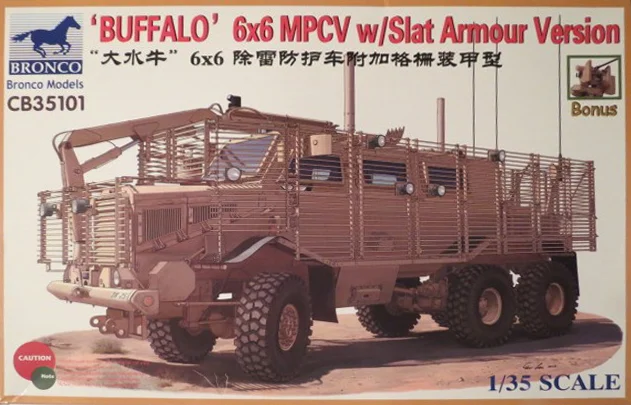
Introduction: Cope Cage vs Slat Armor vs Bar Armor
When it comes to protecting military vehicles and tactical assets, the choice of armor system can mean the difference between mission success and catastrophic failure. Three of the most commonly debated solutions are cope cage, slat armor, and bar armor — each with distinct design philosophies, weight characteristics, and protective capabilities. Understanding the differences between a cope cage vs slat armor vs bar armor is essential for fleet operators, defense contractors, and vehicle integrators who need to make informed procurement decisions.
This comparison guide breaks down how each armor type works, where it excels, and where it falls short. Whether you are outfitting a light tactical vehicle or a heavy transport truck, knowing which armor system delivers the best balance of protection, weight, and cost will help you choose the right solution for your operational requirements.
What Is Cope Cage Armor?
What Is Cope Cage Armor?
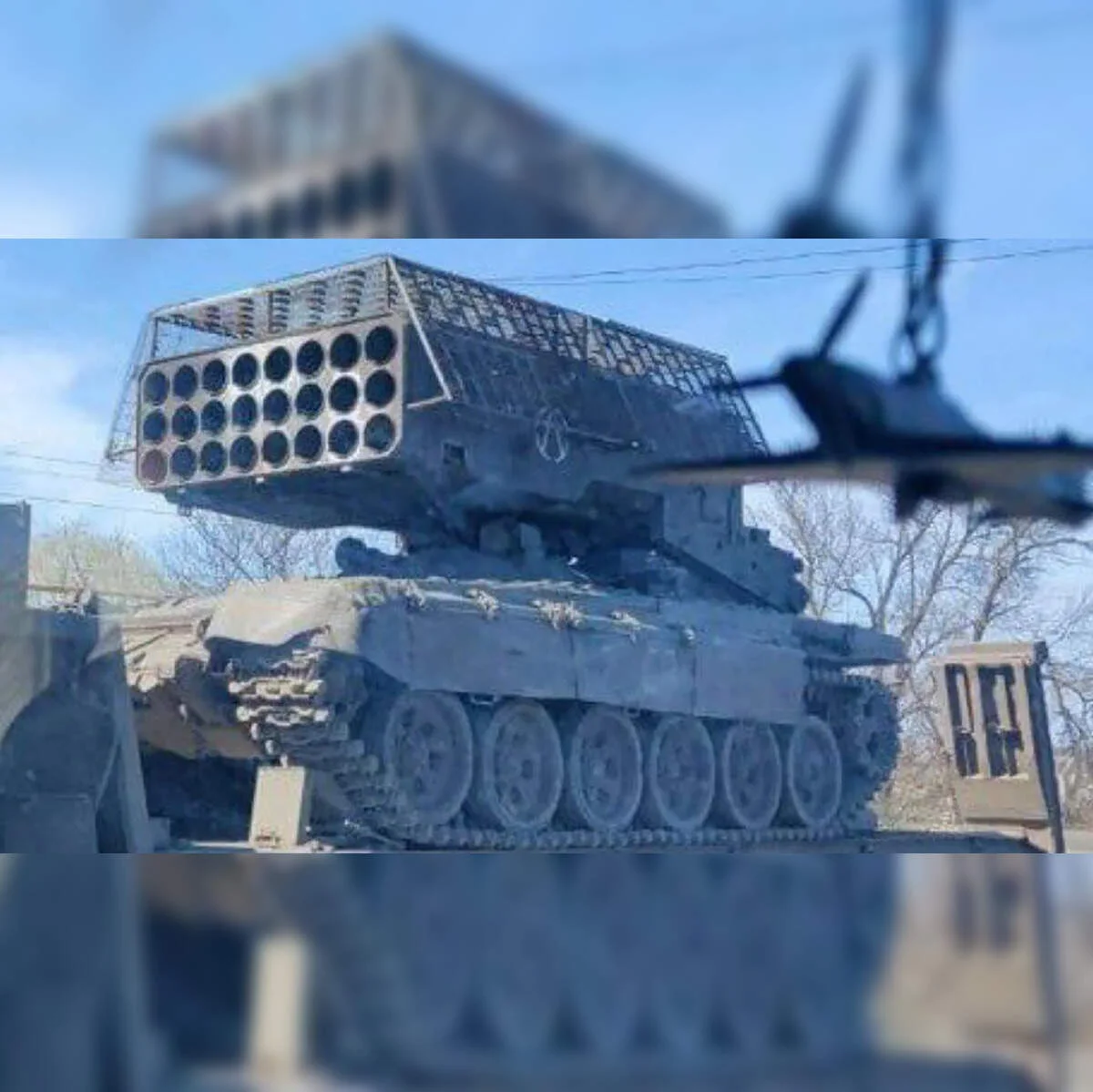
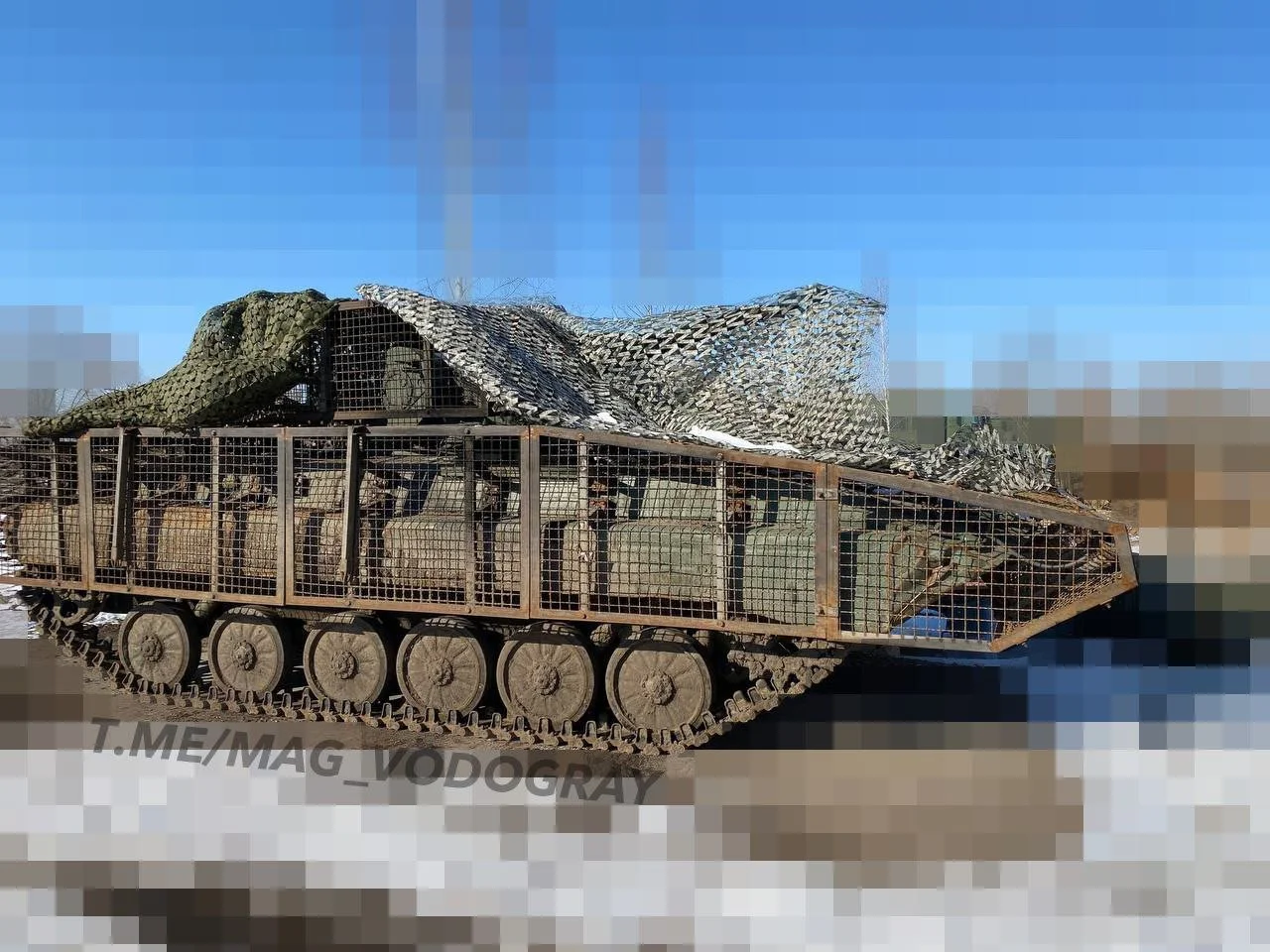
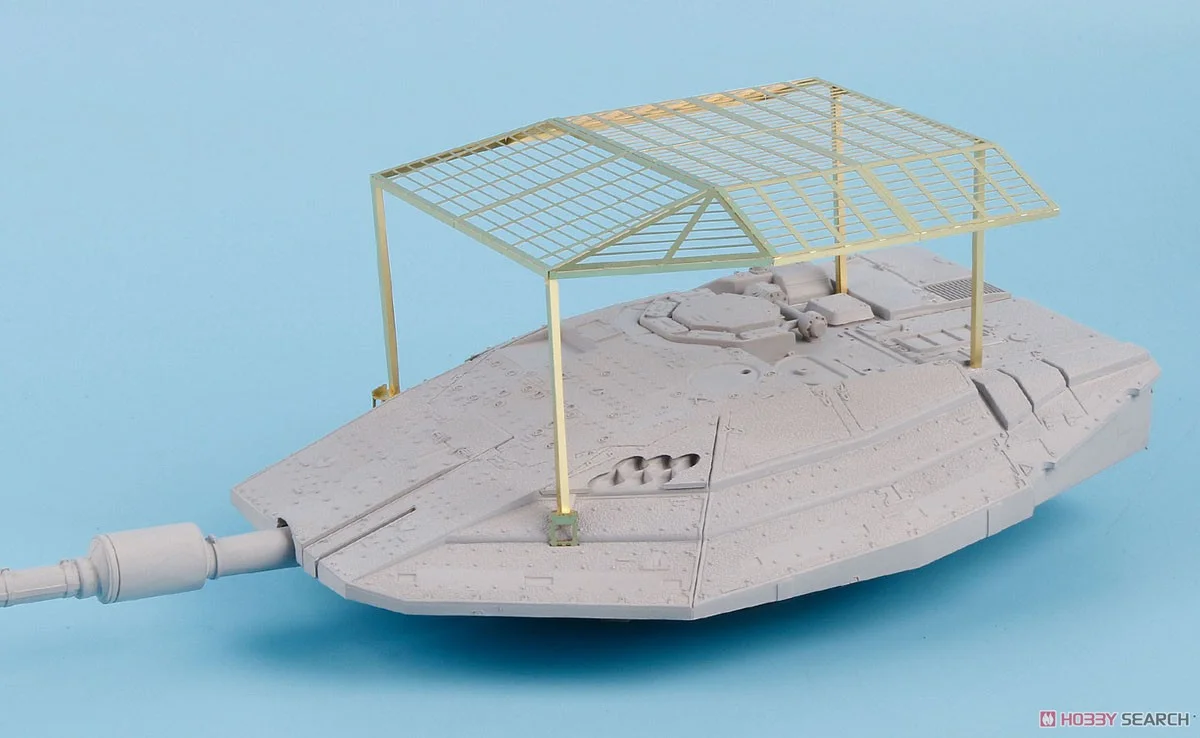
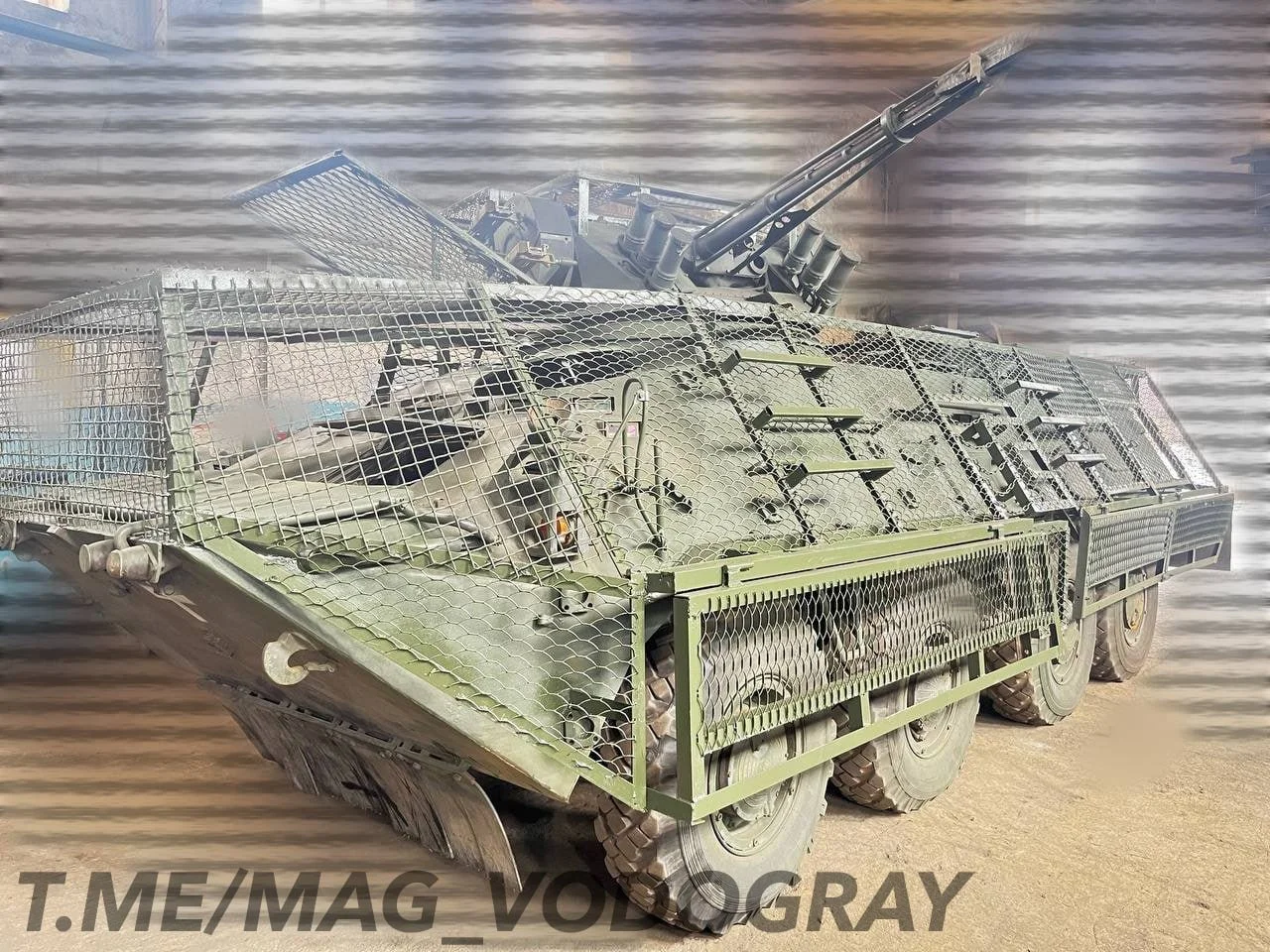
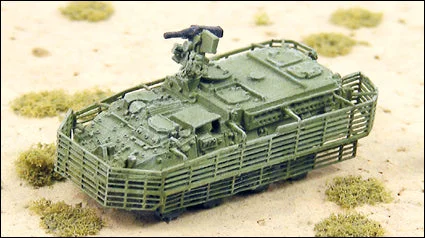
A cope cage is a standoff armor system that uses a grid or cage-like structure mounted at a distance from the vehicle hull. The core principle is to prematurely detonate incoming rocket-propelled grenades (RPGs) and shaped-charge warheads before they reach the vehicle primary armor. By disrupting the shaped charge jet at a distance, the armor grid significantly reduces penetration effectiveness.
Key Design Features of Cope Cage Armor
- Standoff Distance: Typically mounted 300–500 mm from the hull, creating an air gap that dissipates jet energy.
- Grid Geometry: Uses welded steel bars or expanded metal mesh arranged in a regularly spaced pattern, typically 40–60 mm openings.
- Lightweight Construction: Weighs 150–300 kg for a light tactical vehicle, far lighter than equivalent ceramic or steel plate armor.
- Modular Mounting: Designed for field installation and removal without permanent vehicle modification, often using existing hardpoints.
- Multi-Hit Capability: Unlike ERA (explosive reactive armor), the grid remains effective after multiple impacts in different cells.

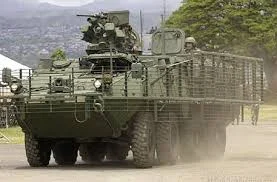
This armor type excels in asymmetric warfare environments where RPG threats are the primary concern. Its low weight makes it suitable for vehicles that cannot carry heavy add-on armor packages without compromising mobility. Dengtai manufactures these systems for platforms ranging from MRAPs to logistics trucks, with custom grid geometries tailored to each vehicle threat profile.
What Is Slat Armor?
What Is Slat Armor?
Slat armor — also known as bar armor or cage armor in some contexts — is a standoff protection system consisting of closely spaced steel slats or bars arranged either horizontally or vertically around a vehicle. Like cope cage armor, slat armor is designed to defeat shaped-charge warheads by crushing the warhead nose or shearing the fuze mechanism upon impact, preventing the shaped charge from forming its jet correctly.
How Slat Armor Differs from Cope Cage
While both systems share the same basic operating principle, slat armor typically uses wider, flatter steel sections (slats) arranged with smaller gaps. This design trades some weight savings for increased protection against smaller-diameter warheads. Slat armor is common on mine-protected vehicles and heavy transport platforms where weight tolerance is higher.
- Slat Spacing: Typically 30–50 mm gaps, tighter than cope cage grids to catch smaller threats.
- Material Profile: Uses flat-bar or angled steel sections rather than round or square tube.
- Weight Penalty: Generally 20–40% heavier than an equivalent cope cage due to denser material coverage.
- Field Repair: Damaged slats can be cut out and replaced individually without removing the entire panel, simplifying battlefield maintenance.
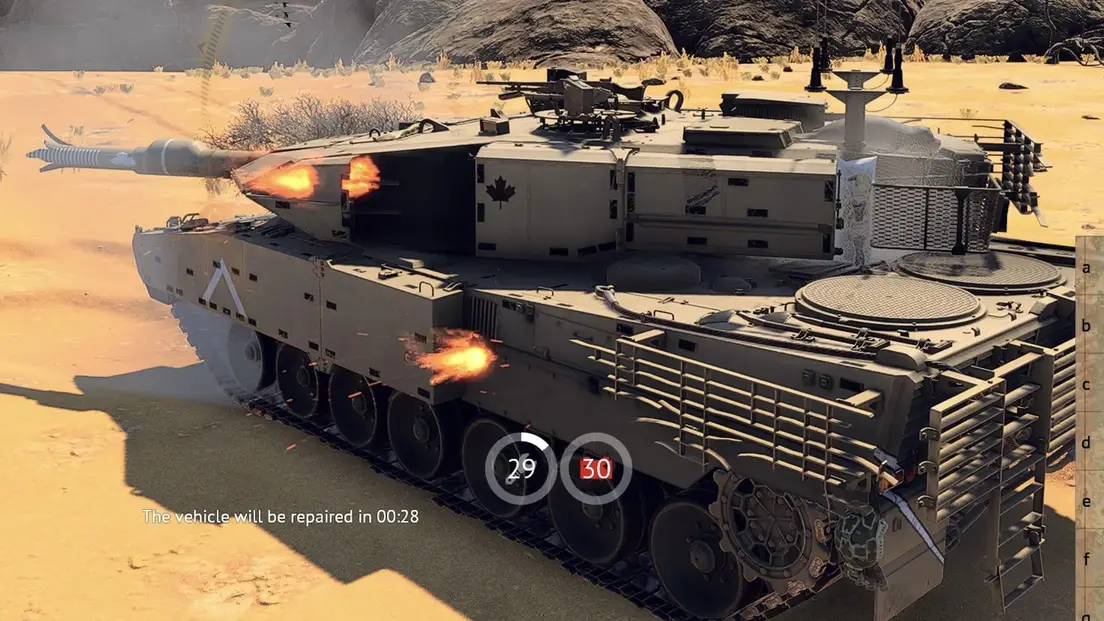
Slat armor provides robust protection against RPG-7 and similar threats but adds significant weight that can affect vehicle payload and fuel economy. It remains a popular choice for heavy logistics vehicles operating in high-threat environments where maximum protection takes priority over mobility.
What Is Bar Armor?
What Is Bar Armor?
Bar armor is a variant of standoff armor that uses cylindrical or rectangular steel bars arranged in a rigid framework. Unlike cope cage grid patterns or slat armor flat sections, bar armor typically employs larger-diameter round bars (16–25 mm) spaced further apart. The bars are designed to mechanically damage the warhead casing and disrupt the shaped-charge liner upon impact.
Bar Armor Design and Applications
- Bar Diameter: Typically 16–25 mm round or square bar stock, thicker than cope cage or slat materials.
- Spacing Range: 50–80 mm gaps, optimized for large-caliber RPGs rather than smaller grenades.
- Structural Rigidity: Thicker bars create a stiffer panel that resists deformation from blast overpressure and ballistic impacts.
- Weight Profile: Bar armor is the heaviest of the three options, often 30–50% heavier than slat armor for equivalent coverage.
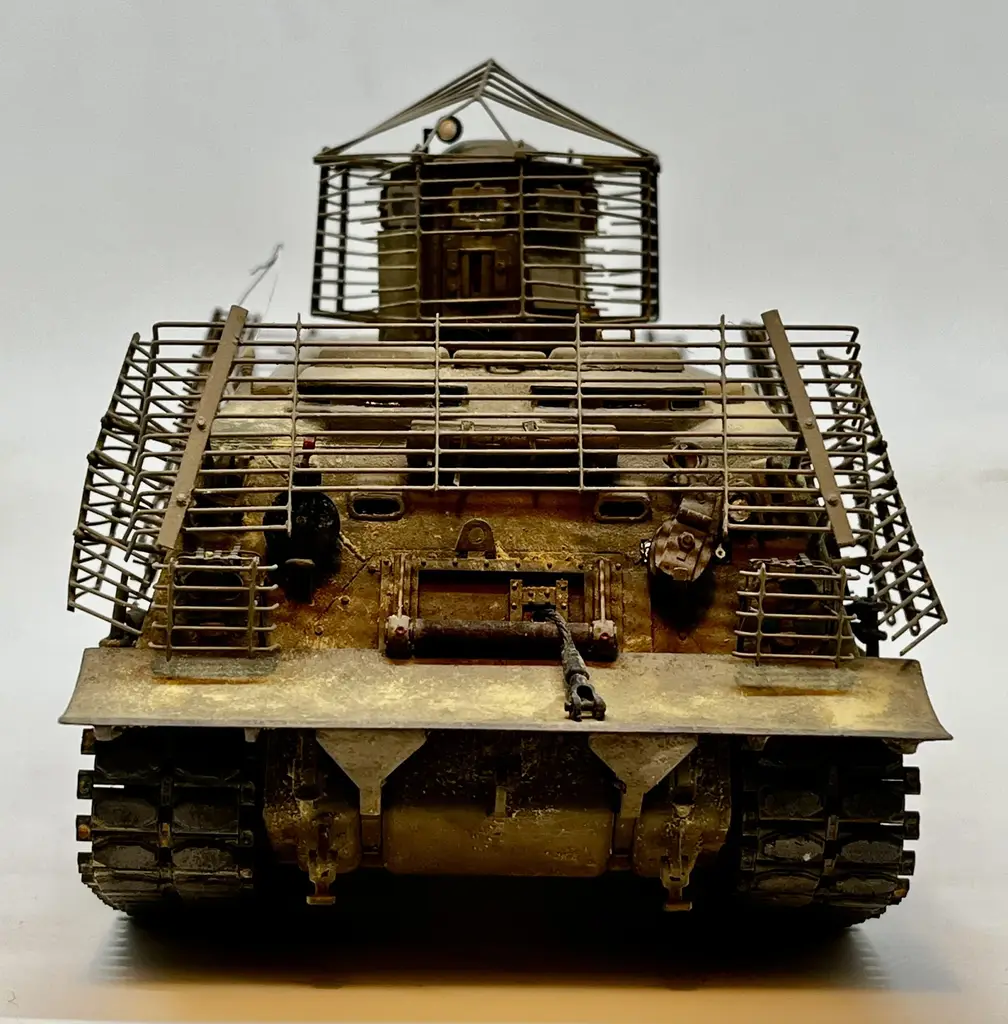
Bar armor is most commonly found on main battle tanks and heavy armored vehicles where weight considerations are secondary to maximum structural integrity. The bar design provides excellent multi-hit capability and can withstand repeated impacts without compromising the surrounding structure. Heavy vehicle platforms like loaded container trucks benefit from bar armor durability in sustained combat operations.
Cope Cage vs Slat Armor vs Bar Armor: Detailed Comparison
When evaluating these three armor types, the differences go beyond simple geometry. Each system occupies a different position on the protection-weight-cost triangle. Below is a direct comparison of the key performance metrics.
| Parameter | Cope Cage | Slat Armor | Bar Armor |
|---|---|---|---|
| Weight (per m²) | 25–40 kg | 35–55 kg | 45–70 kg |
| Typical Gap Size | 40–60 mm | 30–50 mm | 50–80 mm |
| Material Form | Round/square tube, expanded mesh | Flat bar, angled section | Solid round or square bar |
| RPG-7 Protection | Excellent | Excellent | Excellent |
| Small Warhead Defense | Moderate | Good | Moderate |
| Field Repairability | Good | Excellent | Good |
| Installation Complexity | Low – modular | Medium – custom brackets | Medium – heavy frame needed |
| Cost per m² | Lowest | Moderate | Highest |
| Best Vehicle Fit | Light tactical, MRAP, truck | MRAP, heavy transport | MBT, heavy armor, fortified positions |

In the cope cage vs slat armor debate, the primary trade-off is weight versus coverage density. Cope cage offers the lightest solution with good RPG protection, while slat armor fills in the gaps for smaller threats at a weight penalty. Bar armor sits at the heavy end, providing maximum structural durability for the most demanding battlefield conditions.
How to Choose the Right Armor for Your Vehicle
Selecting between cope cage, slat armor, and bar armor depends on three primary factors: vehicle platform weight capacity, threat environment, and operational mobility requirements.
When to Choose a Cope Cage
- Weight-sensitive platforms: Light tactical vehicles, SUVs, and rapid intervention vehicles that cannot sacrifice mobility.
- Multirole operations: Vehicles that need add-on armor that can be easily installed and removed for different mission profiles.
- Budget-constrained programs: Grid-based armor offers the most cost-effective RPG protection per square meter.
- Logistics convoy protection: Trucks and supply vehicles where every kilogram of armor reduces payload capacity.
When to Choose Slat Armor
- Dense threat environments: Urban operations where smaller RPGs and grenades are common and tighter slat spacing provides better coverage.
- Heavy transport platforms: Vehicles with sufficient payload capacity to absorb the additional weight.
- Sustained operations: Scenarios where field repair and individual slat replacement are mission-critical advantages.
When to Choose Bar Armor
- Main battle tanks and heavy armor: Platforms designed from the ground up to carry significant armor weight.
- Fixed defensive positions: Checkpoints, bunkers, and perimeter defenses where weight is not a constraint.
- Highest threat levels: Environments with repeated RPG, IED, and blast threats requiring maximum structural durability.
For most fleet operators, a grid-based standoff system represents the best balance of protection, weight, and cost. Dengtai offers all three armor types and can help you evaluate which system aligns with your specific operational parameters.
Why Dengtai for Custom Armor Fabrication?
Dengtai has been at the forefront of armor fabrication for over a decade, supplying cope cage, slat armor, and bar armor systems to military and law enforcement clients worldwide. Our engineering team understands that no two vehicles are alike, which is why every armor system we deliver is engineered to the specific vehicle platform and threat environment.
What Sets Dengtai Apart
- Custom Engineering: We design armor geometries to match your vehicle hull contours, mounting points, and weight distribution requirements.
- Material Expertise: Our welders and fabricators work with military-grade steel alloys, ensuring consistent weld penetration and structural integrity across every panel.
- Rapid Prototyping: From concept to first article in as little as two weeks for standard platforms, with full 3D CAD verification before production.
- Field Support: Every Dengtai armor system ships with installation documentation, spare parts, and ongoing technical support.
- Compliance: All fabrication follows ISO 9001 quality management standards, with weld certifications and material traceability for every production run.
Whether you need a lightweight cope cage for a fleet of tactical trucks or heavy bar armor for armored personnel carriers, Dengtai delivers armor solutions that perform under fire. Contact our technical team to discuss your specific requirements and receive a custom armor fabrication quote.
Conclusion
The choice between these three armor systems ultimately comes down to your vehicle platform, threat environment, and operational priorities. Each has proven battlefield effectiveness against RPG and shaped-charge threats, but they occupy different positions on the protection-weight-cost spectrum.
- Cope cage: The lightest, most cost-effective solution for weight-sensitive platforms with excellent RPG protection and modular flexibility.
- Slat armor: Denser coverage for tighter threat environments at a moderate weight penalty, with outstanding field repairability.
- Bar armor: Maximum structural durability for heavy platforms where weight is not the primary constraint.
For most wheeled vehicle applications, a properly engineered grid-based system represents the optimal balance of performance and practicality. Dengtai builds all three armor types and can guide you through the selection process with data-driven analysis of your specific requirements.
Ready to strengthen your fleet protection? Contact the Dengtai team for a custom armor fabrication quote and engineering consultation.