Introduction
In modern warfare, the rise of inexpensive drones and loitering munitions has forced militaries around the world to rethink vehicle protection. One of the most visible and controversial battlefield adaptations to emerge in recent years is the cope cage. But what exactly is a cope cage, and why has this improvised armor sparked so much debate among defense experts?
This article explores the cope cage meaning, its origins, how it works, and whether it is genuinely effective against modern threats. We will trace its history from the battlefields of Ukraine to its adoption by major armies, and examine the trade-offs that come with this add-on armor solution. By the end, you will have a complete understanding of what a cope cage is and where it fits in the broader landscape of vehicle protection.
Cope Cage Meaning: What Is It? Definition and Explanation
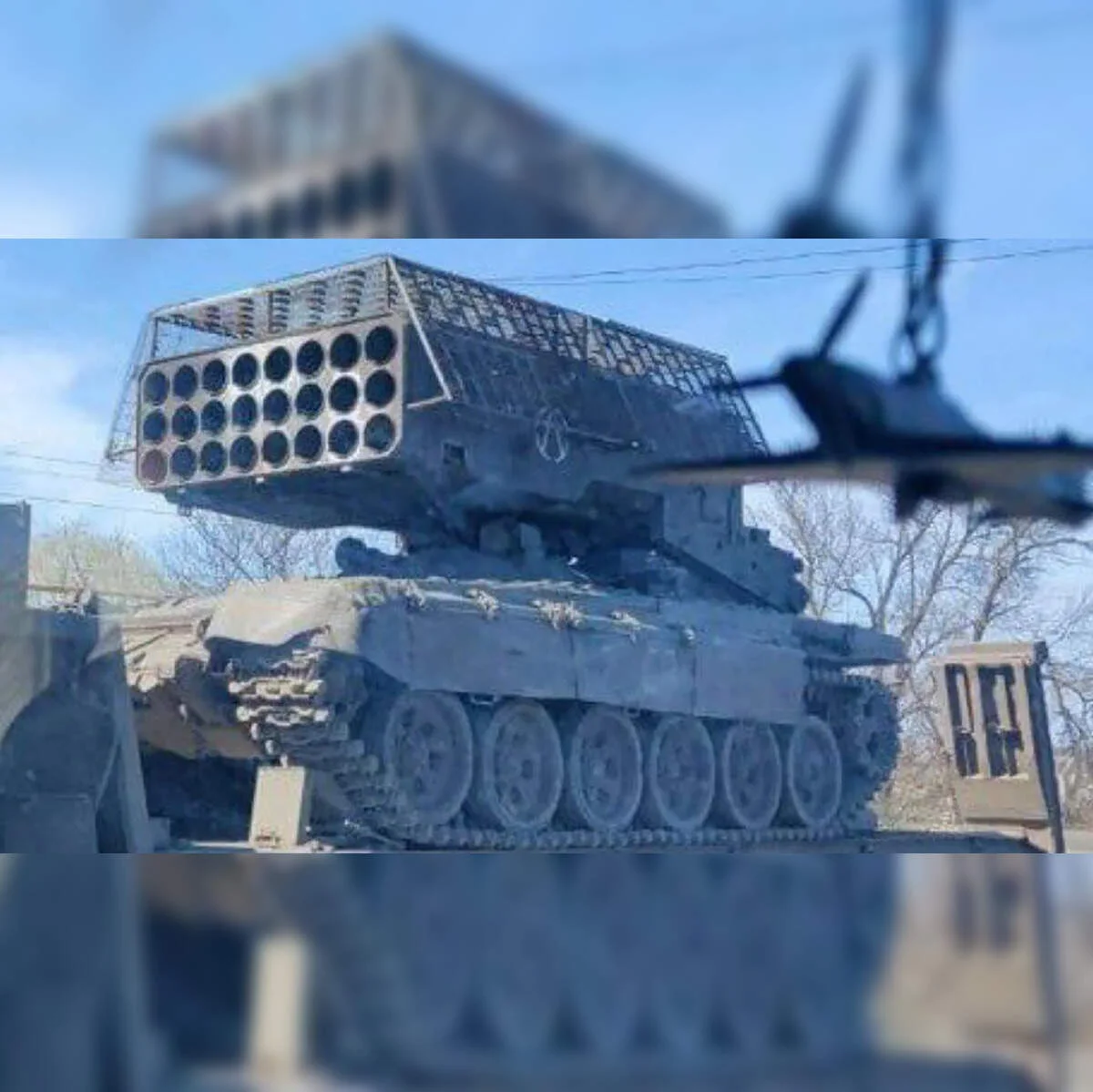
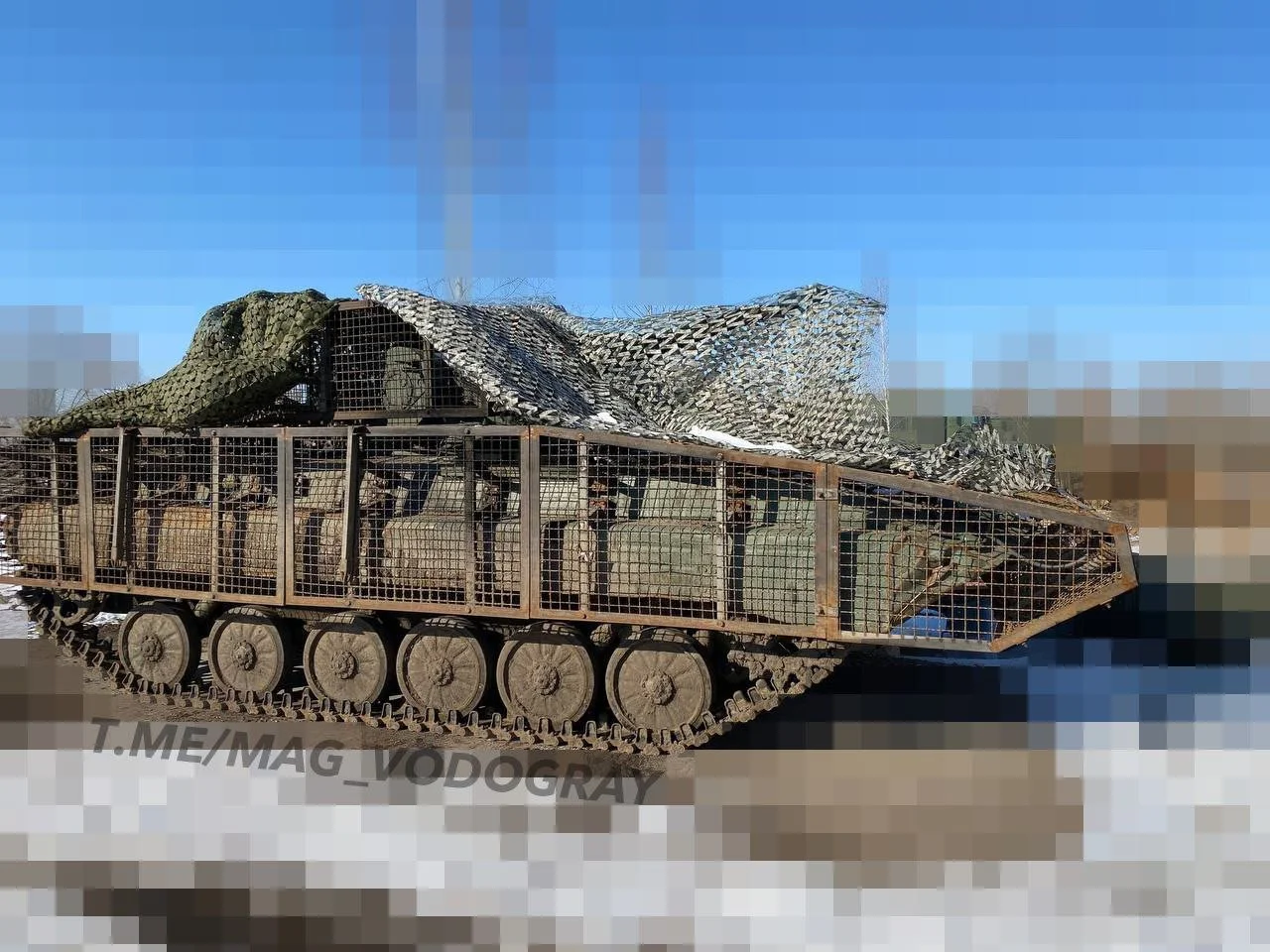
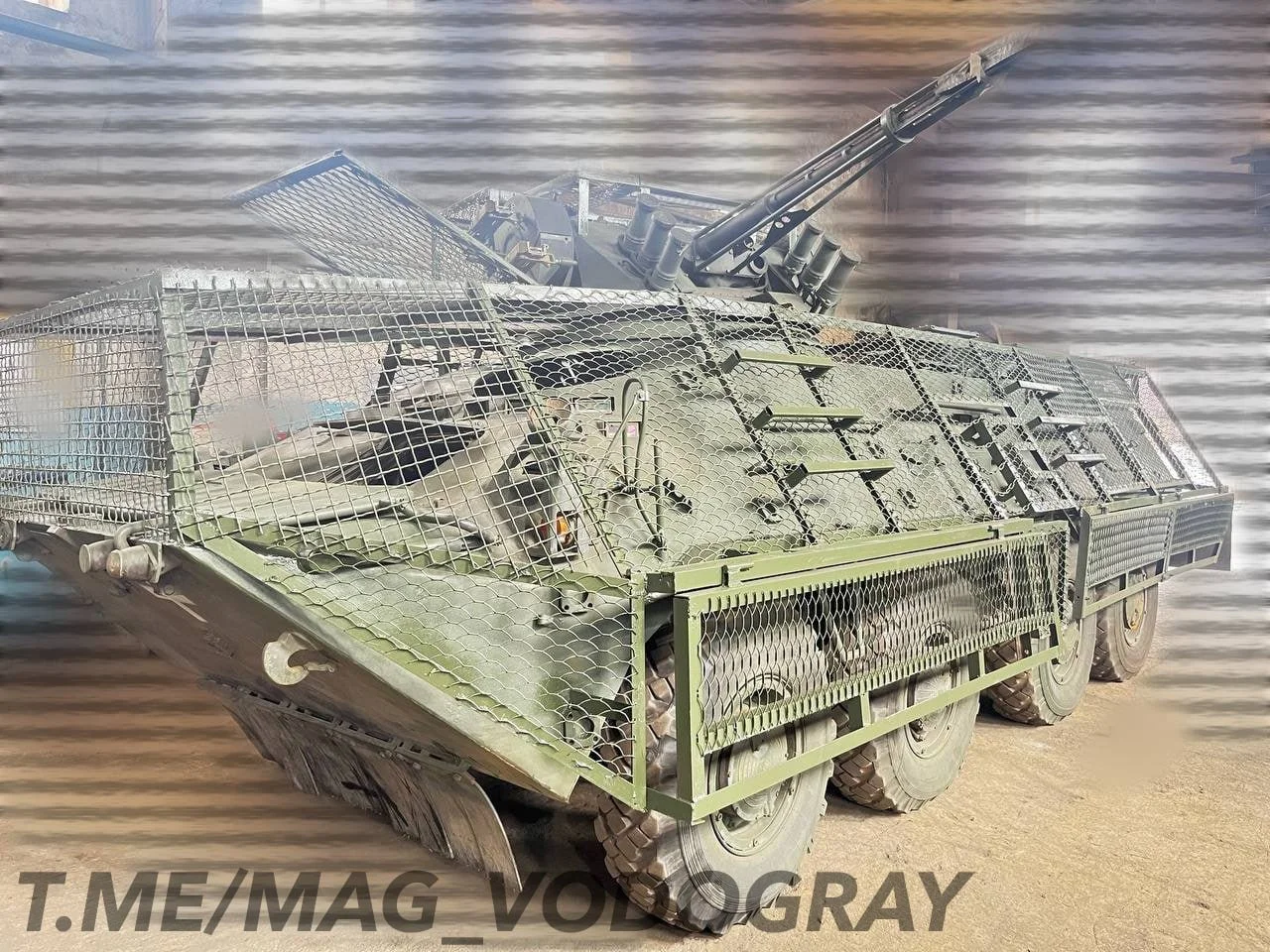
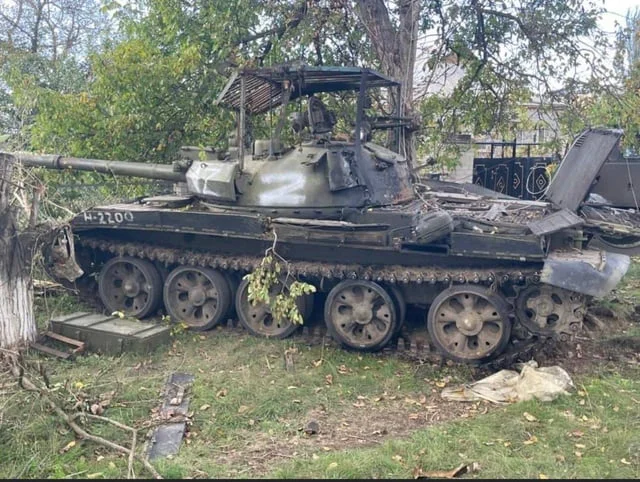
A cope cage is a slang term for improvised bar armor or slat armor that is welded or bolted onto the turret or hull of a military vehicle. The cope cage meaning originates from internet military communities, where the word "cope" implies that the armor is a psychological comfort measure rather than a truly effective protection system.
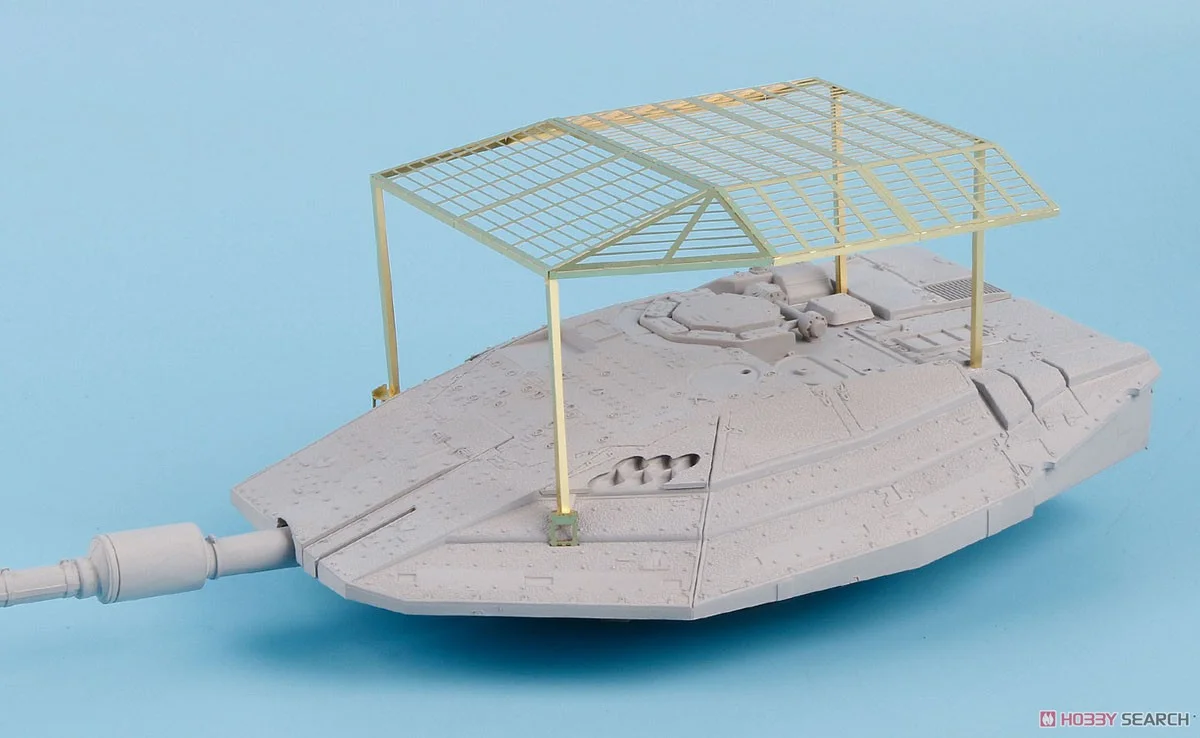
In technical terms, a cope cage is a spaced armor system made from steel bars, mesh, or metal fencing. It is mounted at a standoff distance from the vehicle's main armor, creating an air gap. The principle is simple: when a projectile or shaped-charge warhead strikes the cage, it detonates or deforms at a distance from the vehicle's hull, reducing its penetrative capability.
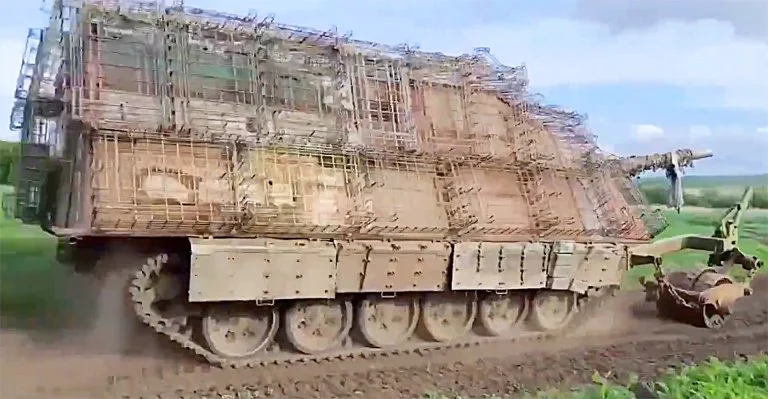
These cages are most commonly seen on main battle tanks, infantry fighting vehicles, and self-propelled artillery pieces. They are typically mounted on the turret roof — the most vulnerable area against top-attack munitions and drone-dropped bombs.
Key Characteristics of a Cope Cage
- Improvised nature: Often field-fabricated from scrap metal, construction rebar, or commercial fencing materials.
- Standoff design: Mounted 20–50 cm away from the base armor to disrupt shaped-charge jets.
- Top-attack focus: Primarily designed to defeat threats approaching from above, such as drone-dropped munitions and top-attack missiles.
- Low cost: A fraction of the price of certified armor kits, making them accessible to units with limited resources.
The term "cope cage" reflects a degree of skepticism about its defensive value, but the widespread adoption of these structures across multiple conflict zones suggests they serve a real — if limited — battlefield purpose.
Why Is It Called a Cope Cage?
The name "cope cage" has its roots in online military forums and social media. The verb "cope" in internet slang means to deal with a disappointing or frustrating situation — often with a connotation of denial or wishful thinking. When images of tanks fitted with crude overhead cages first surfaced, commentators used the term "cope cage" to suggest that the armor was a makeshift psychological crutch rather than a serious engineering solution.
However, the name is somewhat misleading. While the term originated mockingly, many cope cages are in fact engineered responses to real threats. The name has stuck because it is catchy, but it is important to separate the mocking label from the actual tactical logic behind the armor.
The phrase gained especially wide traction during the 2022 Russian invasion of Ukraine, when both Russian and Ukrainian forces began welding ad-hoc cages onto their vehicles. Photos and videos of these modifications spread rapidly on platforms like Twitter, Reddit, and Telegram, cementing the term in the military lexicon.
Why "cage" specifically? The structure literally looks like a cage — a barred enclosure surrounding the vulnerable parts of the vehicle. The "cope" prefix captured the internet's collective skepticism about whether these improvised additions would make any difference against modern anti-tank weapons.
The History and Evolution of Cope Cage Design
The cope cage design evolution is a fascinating case study in battlefield innovation. While slat armor and bar armor have existed since World War II, the modern cope cage as we know it emerged in the 2010s during the wars in Iraq and Syria.
Early Precedents
Standoff armor is not a new concept. During World War II, German tank crews added concrete and spare track links to their vehicles for additional protection. In the Vietnam War, U.S. crews fitted "wood armor" — layers of hardwood planks — to armored personnel carriers to defeat RPG-7 warheads. The physics behind these solutions is identical to the modern cope cage: disrupt the shaped charge before it reaches the main armor.
When Were Cope Cages First Used in Combat?
The first widespread use of recognizable cope cages occurred during the Syrian Civil War (2011–present). Syrian government forces and later Russian expeditionary units fitted overhead cages to tanks and armored vehicles to defeat top-attack anti-tank guided missiles (ATGMs) like the BGM-71 TOW.
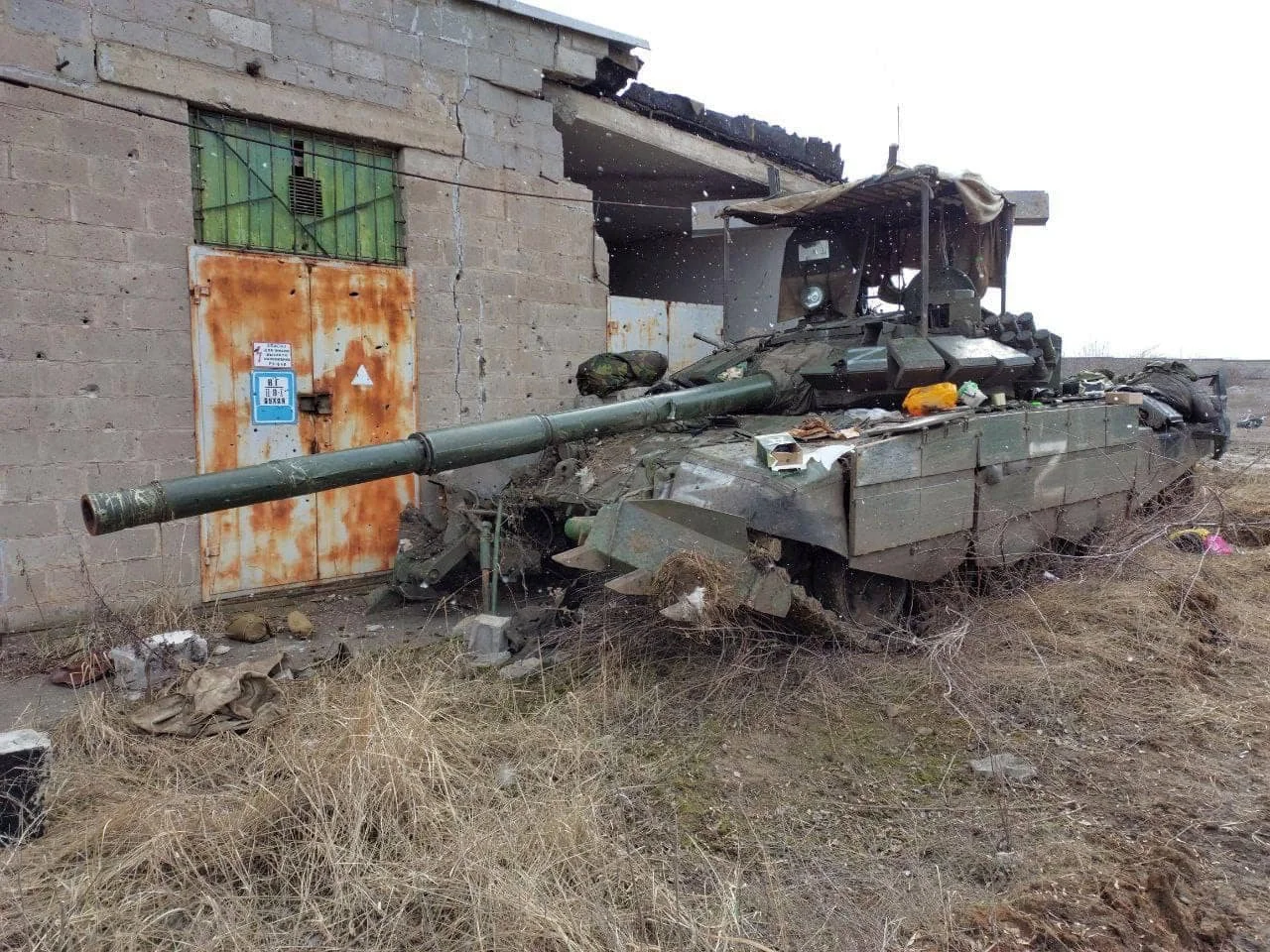
However, the cope cage meaning became truly global during the 2022 Russian invasion of Ukraine. In the early months of the war, both sides faced an unprecedented threat from small commercial drones dropping modified grenades and mortar rounds onto vehicle roofs — a weak spot on almost every tank design. The response was swift: crews scavenged metal bed frames, construction mesh, and steel bars to weld makeshift roofs over their turrets.
How Cope Cage Design Has Evolved Over Time
Early cope cages were crude — simple flat roofs of mesh or bars. Over time, designs became more sophisticated:
- First generation (2015–2021): Flat metal mesh roofs, often with steep angled sides. Simple to build but offered limited coverage.
- Second generation (2022): Angled, sloped designs that increase the probability of deflecting munitions. Some cages incorporated multiple layers of mesh to better disrupt tandem-charge warheads.
- Third generation (2023–present): Factory-integrated designs from manufacturers like Russia's Uralvagonzavod and Ukraine's Ukroboronprom. These are welded directly onto turrets during production, with optimized angles and materials for maximum protection without compromising visibility or weapon operation.
The evolution shows a clear trajectory from improvised field expedients to purpose-designed protective systems, blurring the line between "cope cage" and legitimate slat armor.
How Does a Cope Cage Work?
Understanding how does cage armor work requires a basic grasp of shaped-charge warhead physics. Most infantry anti-tank weapons — RPGs, ATGMs, and drone-dropped munitions — use a shaped charge. When detonated, the explosive liner collapses into a superplastic jet of molten metal traveling at several kilometers per second. This jet penetrates armor by focused kinetic energy.
The Standoff Principle
A cope cage exploits the shaped charge's vulnerability to standoff distance and off-axis impacts. When a warhead strikes the cage bars before reaching the main armor:
- Premature detonation: The explosive charge detonates earlier than intended, reducing the focused jet formation.
- Jet disruption: The molten metal jet must travel through the air gap between the cage and the hull, which causes the jet to stretch, break up, and lose penetrating power.
- Off-axis impact: The cage bars may tilt or deflect the warhead, causing it to strike the hull at an unfavorable angle that reduces penetration.
How Cage Armor Works Against Drones
The most critical application of cope cages today is drone defense. Small first-person-view (FPV) drones and quadcopters can carry a single RPG warhead or a modified mortar round. These are typically dropped from above or flown directly into the vehicle's roof — the thinnest armor on any tank.
A cope cage creates a physical barrier that intercepts the drone or its munition at a standoff distance. Even if the warhead detonates on the cage, the force is dissipated before reaching the vehicle's vulnerable top armor. This has proven remarkably effective in the Ukraine conflict, where drones account for a significant percentage of vehicle losses.
The cage also protects against loitering munitions such as the Switchblade or Iranian Shahed drones, which can loiter over the battlefield before diving onto a target.
Cope Cage vs. Slat Armor: Key Differences
One of the most common questions is how does a cope cage differ from slat armor. The two are frequently conflated, but there are important distinctions.
| Feature | Cope Cage | Slat Armor |
|---|---|---|
| Origin | Improvised, field-fabricated | Factory-designed, engineered |
| Materials | Scrap metal, rebar, fencing mesh | Certified steel slats with precise spacing |
| Design Purpose | General protection against top-attack threats | Specifically designed to defeat RPGs and ATGMs |
| Testing | Rarely tested to any standard | Ballistic-tested to military specifications |
| Weight | Varies widely, often heavy due to crude materials | Engineered for minimum weight with maximum protection |
| Coverage | Often limited to turret roof | Typically wraps around sides, rear, and turret |
| Durability | May degrade quickly, welds can fail | Designed for sustained field use |
In practice, the line between the two has blurred. Many field-fabricated cope cages now incorporate design principles from professional slat armor, and some factory-produced slat armor kits are colloquially called cope cages by soldiers and online commentators.
The key takeaway: slat armor is the engineered, tested version of the same concept, while a cope cage is typically the improvised, field-expedient version. Both rely on standoff disruption of shaped charges.
Are Cope Cages Effective?
The question of whether cope cages actually work — are cope cages effective — is the most hotly debated topic in military social media circles. The answer, as with most things in warfare, depends on context.
Effectiveness Against Drone Attacks
There is substantial evidence that cope cages provide meaningful protection against small drones. In the Ukraine war, countless videos show cope cages deflecting or prematurely detonating drone-dropped munitions. In many cases, the cage absorbed the explosion entirely, leaving the vehicle operational.
According to open-source intelligence (OSINT) analysis, vehicles fitted with overhead cope cages have a significantly higher survival rate against FPV drone attacks than unprotected vehicles. The roof of a tank is typically only 20–40 mm thick — insufficient to stop even a modest shaped charge. The standoff provided by the cage can mean the difference between a mission-kill and a catastrophic kill.
Effectiveness Against Modern ATGMs
Against dedicated top-attack anti-tank missiles like the Javelin or NLAW, cope cages are far less effective. These missiles are designed to defeat spaced armor and reactive armor. The Javelin, for example, uses a tandem shaped charge — a precursor charge to clear the cage, followed by a main charge that penetrates the hull. In tests and combat footage, Javelin strikes have often punched through cope cages as if they were not there.
However, even against ATGMs, a cope cage can occasionally deflect the missile at a critical angle, or cause the fuse to function improperly. This is not reliable, but it is better than nothing.
Limitations and Criticisms of Cope Cage Armor
- Weight: A heavy steel cage can add 500–1,000 kg to the vehicle, straining suspension and reducing mobility.
- Vision and operation: Cages can block driver vision, limit turret traverse, and impede hatch access for crew escape.
- False confidence: Soldiers may overestimate the protection offered and take unnecessary risks.
- Not a silver bullet: Cope cages offer minimal protection against dedicated anti-tank missiles and artillery.
- Durability: Field-welded cages may fail after repeated impacts or rough terrain use.
Overall, the consensus among military analysts is that cope cages are worthwhile against the specific threat of small drones and loitering munitions, but should not be considered a replacement for proper armor or electronic warfare systems.
Which Vehicles Use Cope Cage Armor?
The list of which vehicles use cope cage armor has expanded dramatically since the start of the Ukraine conflict. Almost any armored vehicle operating in drone-threatened environments is a candidate for cage installation.
Main Battle Tanks
- T-72 / T-80 / T-90 (Russian): These tanks are the most frequently seen with cope cages. Russian crews have fitted elaborate multi-layer cages to the turret roofs of all three types.
- T-64 / T-72 (Ukrainian): Ukrainian tank crews have also adopted cope cages, often with distinctive angled designs that resemble roofs or awnings.
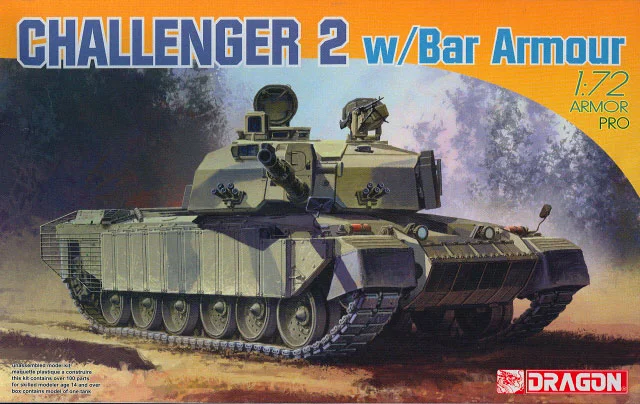
- Leopard 2 / Challenger 2 / Abrams: Western tanks have been less commonly fitted with field-expedient cages, though some examples have emerged in Ukraine. Western doctrine relies more on active protection systems (APS) like Trophy or Iron Fist.
Infantry Fighting Vehicles and Armored Personnel Carriers
- BMP-1 / BMP-2 / BMP-3: Russian and Ukrainian BMPs are frequently seen with overhead cages protecting the troop compartment and turret.
- M2 Bradley: Some Ukrainian M2 Bradleys have been observed with improvised cage armor added by their crews.
- MT-LB: The ubiquitous MT-LB utility vehicle often receives cage armor due to its extremely thin roof armor.
Self-Propelled Artillery
- 2S1 Gvozdika / 2S3 Akatsiya / 2S19 Msta-S: SPG crews have fitted cages to protect against drone-dropped munitions while in firing positions.
- M109 Paladin: Some Ukrainian M109s have been seen with improvised roof protection.
Other Vehicles
Even logistics trucks, recovery vehicles, and command posts have received cope cage-style modifications in high-threat environments. The design is highly adaptable and can be applied to virtually any vehicle with a flat roof surface.
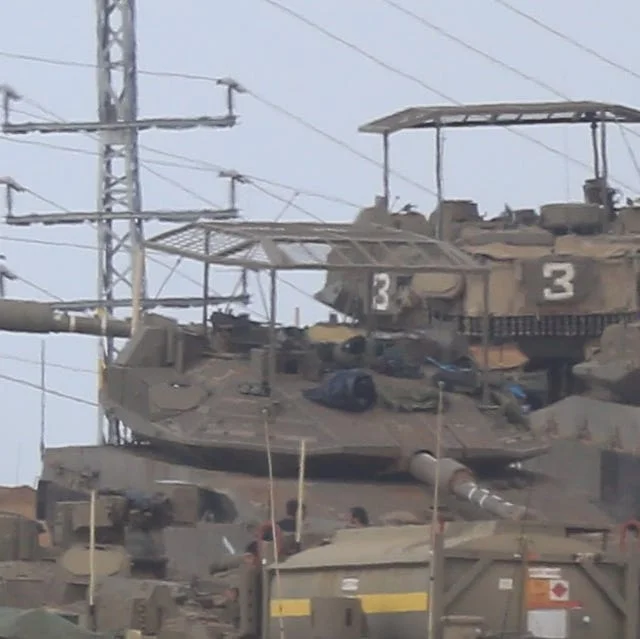
Beyond Ukraine, cope cages have been spotted on vehicles in Myanmar (during the civil war), Sudan (RSF technicals), and Gaza (IDF modifications). The concept has truly become a global phenomenon in modern warfare.
Conclusion
The cope cage meaning has evolved from a mocking internet term to a recognized feature of modern armored warfare. What began as a joke about welded bed frames on tanks has become a serious — if imperfect — response to the drone threat that now dominates the battlefield.
To summarize the key points:
- A cope cage is an improvised standoff armor system designed to defeat top-attack threats, particularly drone-dropped munitions.
- The term originated in online military communities and reflects skepticism about the armor's effectiveness, though combat experience has proven its value in specific contexts.
- While limited against advanced ATGMs like Javelin, cope cages have demonstrated real effectiveness against small drones and loitering munitions.
- The cope cage design evolution has progressed from crude field improvisations to factory-integrated solutions.
- Hundreds of vehicles across multiple conflicts now rely on some form of cage armor for top-attack protection.
Understanding how does cage armor work is essential for evaluating its battlefield role. The physics of standoff disruption is sound, but the protection level varies dramatically depending on the threat. As drone technology continues to advance and become cheaper and more accessible, the cope cage — in one form or another — is likely to remain a permanent fixture on the world's armored vehicles. Whether mocked as a psychological crutch or embraced as a practical defensive measure, the cope cage has earned its place in the history of military adaptation.
For anyone wondering are cope cages effective, the answer is: it depends on the threat. Against small drones and mortar rounds — yes, they save lives. Against top-attack missiles — not so much. Understanding this distinction is the key to understanding the cope cage phenomenon.