Introduction
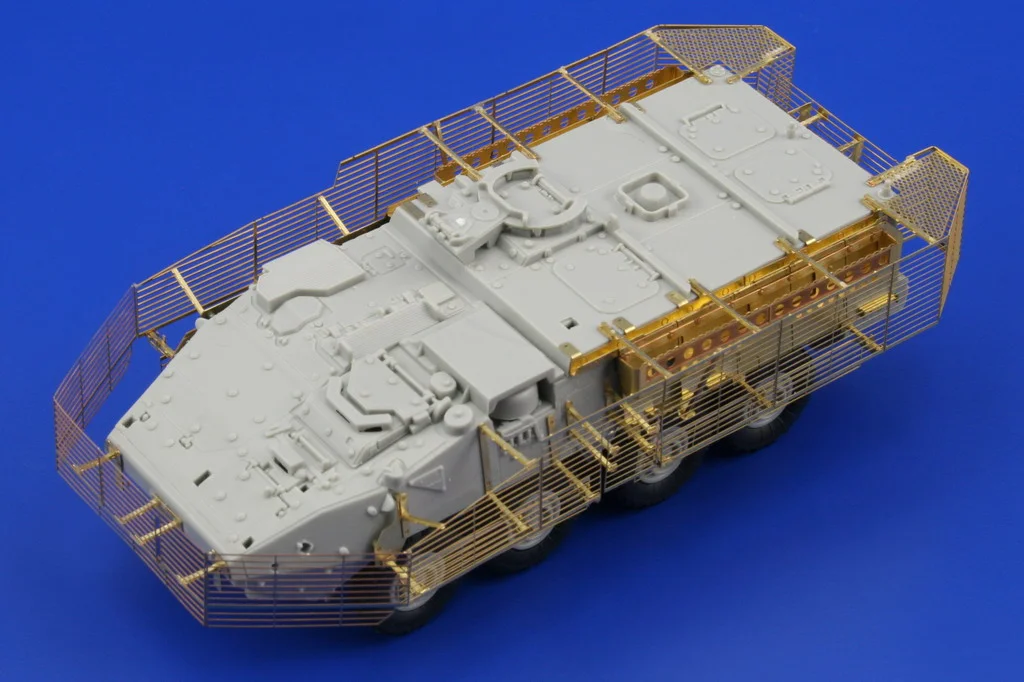
A welded armor cage kit is a pre-engineered modular armor system designed for quick installation on military vehicles. Unlike fully custom fabricated cages that require on-site welding and fitting a welded armor cage kit arrives as a complete package with all components pre-fabricated ready for bolt-on or minimal-weld installation.
These kits have become essential for modern military operations as the threat from FPV drones and aerial munitions continues to grow. This guide explains what a welded armor cage kit includes how to assemble one which vehicles are compatible and what you can expect to pay.
What Is a Welded Armor Cage Kit?
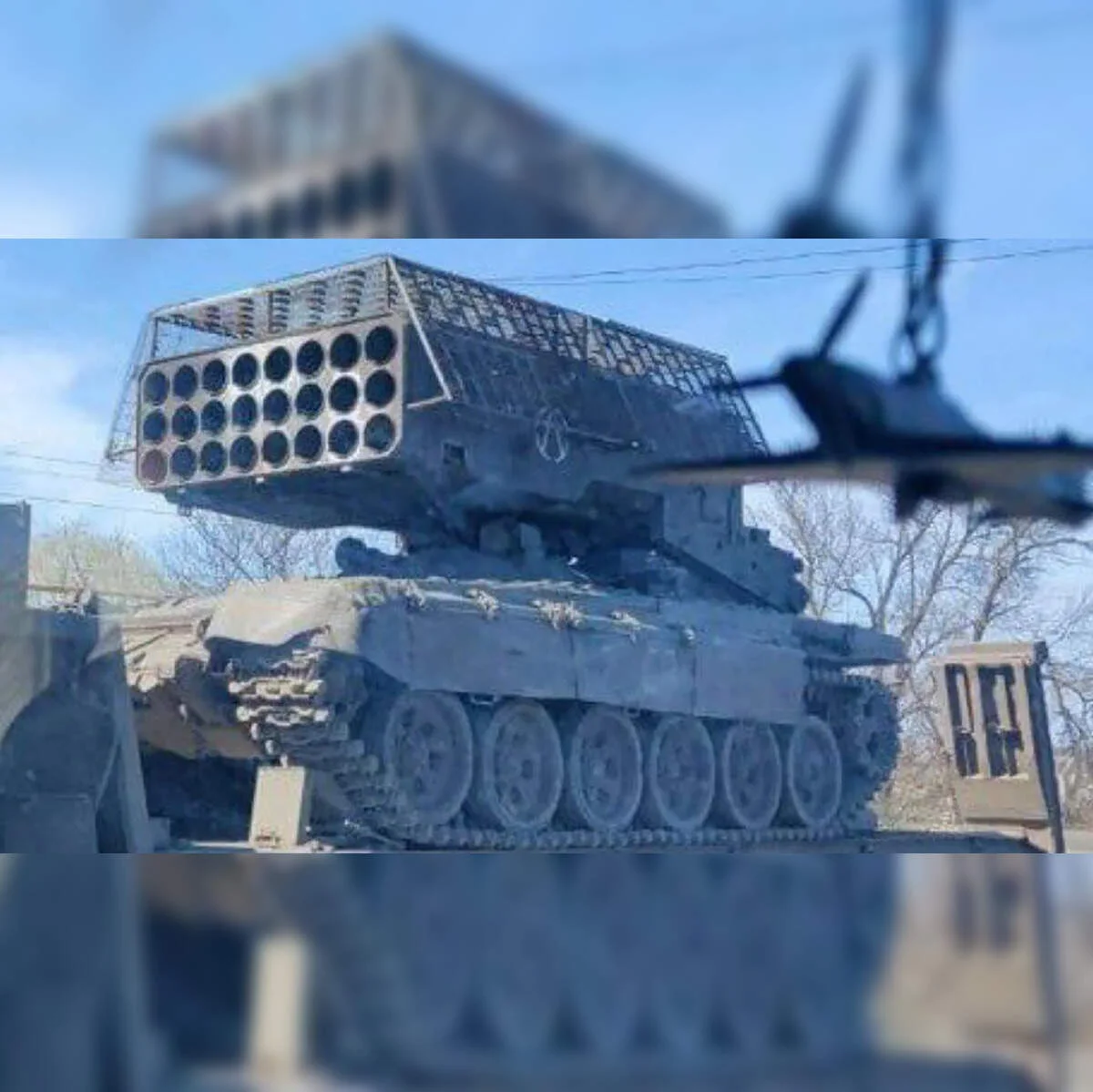
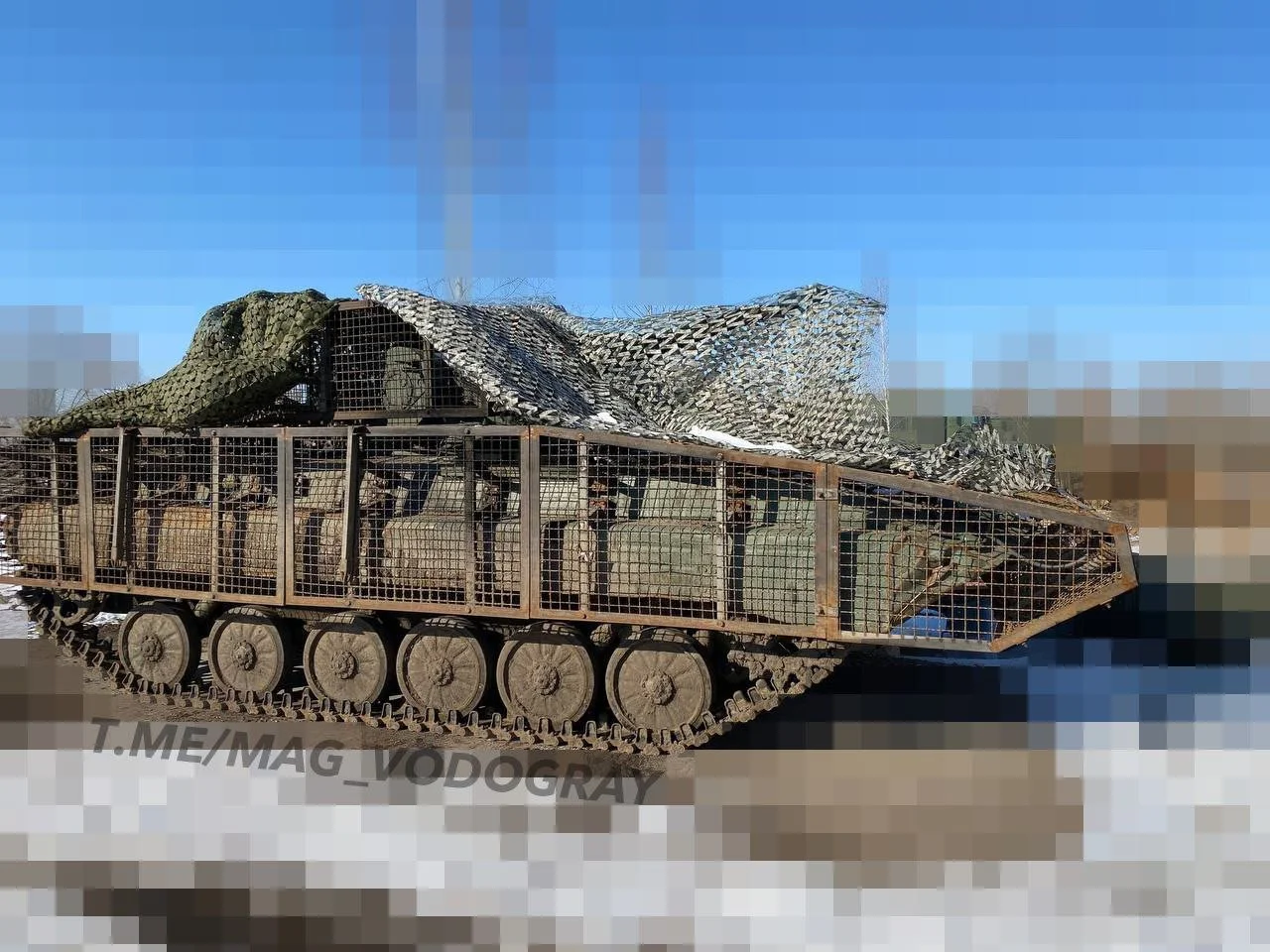
A welded armor cage kit is a prefabricated protective structure made from welded steel bars or plates that mounts externally on a military vehicle. Unlike slat armor which uses spaced metal bars to disrupt RPG warheads or solid armored panels that provide direct ballistic protection a welded armor cage kit creates a standoff barrier around the vehicle.
The primary purpose of these kits is to defeat FPV drone attacks by:
- Physical interception: The cage structure catches or deflects incoming drone munitions before they reach the vehicle hull
- Standoff effect: Shaped charge warheads are less effective when detonated at a distance from the armor
- Premature detonation: Drones impact the cage rather than the vehicle itself reducing damage
Welded armor cage kits differ from fully custom cope cages in that they are designed as modular kits that can be installed with standard tools and minimal structural modification to the vehicle.
What Does a Welded Armor Cage Kit Include?
A complete welded armor cage kit typically includes three main categories of components. Understanding what is included helps you evaluate different kits and ensure you have everything needed for installation.
Armor Cage Frame and Panels
The main structural components of a welded armor cage kit include:
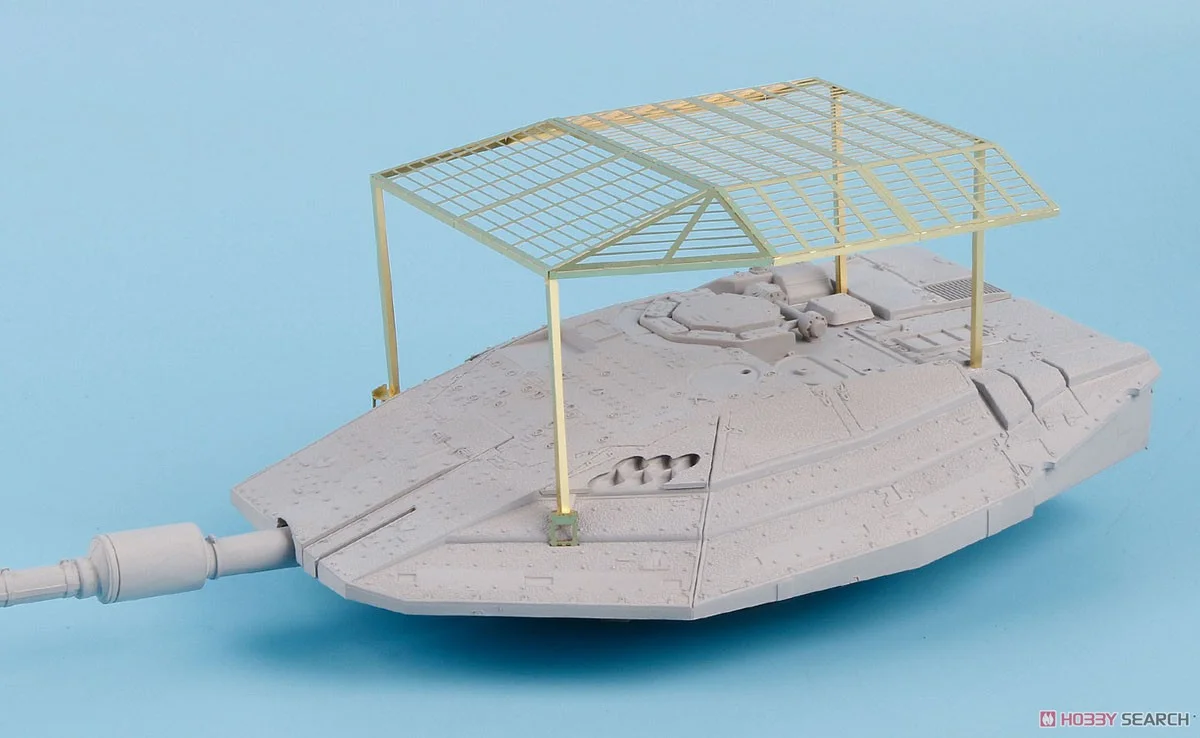
- Turret cage: Welded framework that surrounds the turret or roof area protecting against top-attack drones
- Hull side panels: Pre-welded panels that attach to the sides of the vehicle hull
- Front and rear screens: Protective grilles for the engine deck radiator and crew compartments
- Roof panels: Optional overhead protection for vehicles operating in dense drone environments
- Connection brackets: Pre-welded brackets that join panels together and attach to the vehicle
All steel components are typically made from AR500 or equivalent armor-grade steel with welded joints that meet AWS D1.1 standards. The frame is designed to be rigid enough to withstand drone impact while remaining light enough to minimize vehicle performance degradation.
Mounting Hardware and Brackets
Every welded armor cage kit includes the hardware needed for installation:
- Mounting brackets: Custom-formed steel brackets that attach to existing vehicle hard points or weld-on mounting plates
- Fasteners: Grade 8 or higher bolts nuts and washers with corrosion-resistant coating
- Quick-release pins: For panels that need to be removed for vehicle maintenance or crew access
- Hinges and latches: For access panels over engine compartments hatches and fuel caps
- Rubber isolation pads: To prevent metal-on-metal contact and reduce vibration transmission
High-quality kits include stainless steel fasteners to prevent corrosion and seizing. All hardware is pre-sorted and labeled for each installation step making field assembly straightforward.
Documentation and Certifications
Professional welded armor cage kits come with complete documentation packages:
- Installation manual: Step-by-step instructions with diagrams and torque specifications
- Parts list: Exploded view with labeled part numbers and quantities
- Material certifications: Mill test certificates for all armor steel used
- Weld certifications: WPS and welder qualifications applicable to the kit
- Certificate of conformance: Signed document confirming the kit meets specifications
Some manufacturers also provide video installation guides and technical support hotline access for complex installations.
How to Assemble a Welded Armor Cage Kit
Assembling a welded armor cage kit is designed to be manageable by military maintenance crews with basic tools. The modular design means most kits can be installed in 4-8 hours with a team of 2-3 personnel.
Tools Required for Assembly
Typical tools needed for welded armor cage kit assembly:
- Socket set: Metric and SAE sockets 10-32mm range
- Torque wrench: For tightening mounting bolts to specified values
- Impact driver: For faster installation of multiple fasteners
- Marking tools: Center punch and marker for drilling alignment
- Drill: Heavy-duty drill with cobalt bits for any field-drilled holes
- Grinder: Angle grinder for minor fit adjustments if needed
- Lifting equipment: Engine hoist or crane for heavy cage sections (200+ lb panels)
- Safety gear: Gloves eye protection steel-toe boots hard hat
Most kits are designed for bolt-on installation requiring no welding. However some vehicles may require minor weld-on bracket attachment which should be performed by a certified welder.
Step-by-Step Assembly Process
Follow these steps to assemble a typical welded armor cage kit:
- Unpack and inventory: Lay out all components and verify against the parts list. Sort hardware by size and label panels by their position.
- Prepare the vehicle: Clean mounting surfaces remove any loose equipment that may interfere with installation and identify all attachment points.
- Install mounting brackets: Attach base brackets to the vehicle using existing bolt holes or weld-on plates. Torque all fasteners to specification.
- Assemble hull panels: Mount side front and rear panels to the brackets. Use the provided fasteners and isolation pads. Do not fully torque until alignment is confirmed.
- Install turret cage: Lift the turret cage section into position using lifting equipment. Secure with mounting pins and brackets. Verify full rotation clearance.
- Connect panels: Join adjacent panels using the provided connection brackets. Ensure gaps are even and all fasteners are aligned.
- Adjust and tighten: Check all panel alignments then torque all fasteners to specified values in sequence.
- Final inspection: Verify all fasteners are tight all access panels open correctly and the cage does not interfere with vehicle operation.
Installation time averages 4-6 hours for experienced crews. First-time installation may take 8-10 hours including familiarization with the kit layout.
What Vehicles Are Compatible with Welded Armor Cage Kits?
Welded armor cage kits are available for a wide range of military vehicles from main battle tanks to logistical trucks. Most manufacturers offer kits for the most common platforms and can develop custom kits for specialized vehicles.
Main Battle Tanks
Main battle tanks (MBTs) are the most common platforms for welded armor cage kits. Available kits include:
- M1 Abrams: Full coverage cage including turret bustle and hull sides
- Leopard 2: Turret cage with commander hatch access and engine deck protection
- T-72 / T-90: Complete cope cage kits with ERA gap protection
- Challenger 2: Heavy-duty cage with reinforced mounting points
- Merkava: Rear troop door access integrated into the cage design
MBT kits are the most complex due to turret rotation requirements and the need to maintain access to hatches optics and weapon systems.
Infantry Fighting Vehicles and APCs
IFVs and APCs benefit from lighter cage designs that provide protection without significantly impacting mobility:
- BMP-2 / BMP-3: Turret and hull cage kits with firing port access
- BTR series: Roof cage and side panels for 8x8 wheeled vehicles
- Stryker: Modular cage system compatible with various Stryker configurations
- Bradley M2: Turret cage and hull side protection with TOW launcher clearance
- Marder / Puma: German IFV kits with integrated storage solutions
IFV/APC kits typically weigh 200-500 kg and are designed for bolt-on installation using existing mounting points.
Logistics and Support Vehicles
Non-combat vehicles increasingly require armor protection in modern conflict zones:
- Trucks and logistics vehicles: Lightweight cage kits for cargo trucks fuel tankers and supply vehicles operating near front lines
- Command vehicles: Communication vehicles with roof-mounted antenna arrays requiring custom cage cutouts
- Medical evacuation vehicles: Armored cages that maintain rear access for stretcher loading
- Engineering vehicles: Bulldozers excavators and recovery vehicles operating in drone-threat areas
- Artillery pieces: Self-propelled howitzers like the PzH 2000 and M109 that are frequent drone targets
Logistics vehicle cage kits are typically lighter (100-300 kg) and use simpler mounting systems compared to combat vehicle kits.
How Much Does a Welded Armor Cage Kit Cost?
The cost of a welded armor cage kit varies based on vehicle platform complexity and included features.
| Vehicle Type | Kit Price Range | Typical Weight |
|---|---|---|
| MBT (full cage) | $12,000 - $28,000 | 400-800 kg |
| IFV / APC | $8,000 - $18,000 | 200-500 kg |
| Logistics / support vehicle | $4,000 - $10,000 | 100-300 kg |
| Artillery / SP howitzer | $10,000 - $22,000 | 300-600 kg |
| Custom development (new platform) | $5,000 - $15,000 (NRE) | Varies |
Price includes all structural components mounting hardware and documentation. Additional costs may apply for custom painting NDT inspection and international shipping. Most manufacturers offer volume discounts for fleet purchases of 5 or more kits.
Where to Buy Welded Armor Cage Kits
Welded armor cage kits can be purchased from several sources:
- Direct from manufacturers: Companies like Dengtai Industrial sell directly to military buyers defense ministries and authorized procurement agents. Buying direct typically offers the best pricing and shortest lead times.
- Defense distributors: Some defense equipment distributors stock or can source armored cage kits. They add a markup but may offer local support and faster delivery if stock is available.
- OEM vehicle manufacturers: Some OEMs offer cage kits as part of their vehicle upgrade packages. These are typically more expensive but guaranteed to fit perfectly.
- Online B2B platforms: Platforms like Alibaba and Made-in-China list armor cage manufacturers but require careful vetting of quality certifications.
When selecting a supplier verify their experience with your specific vehicle platform request customer references and review their quality certifications (ISO 3834 AWS D1.1). Many manufacturers provide sample weld coupons and material samples for quality verification before ordering.
Conclusion
A welded armor cage kit is a practical cost-effective solution for protecting military vehicles from FPV drone threats. These pre-engineered modular kits offer quick installation minimal vehicle modification and proven battlefield effectiveness.
When choosing a kit consider the vehicle platform threat level installation complexity and manufacturer quality certifications. A well-made kit from a reputable fabricator like Dengtai Industrial will provide reliable protection for years with minimal maintenance.
Browse our selection of welded armor cage kits for popular military vehicles or contact us for a custom kit designed for your specific platform. Our engineering team can develop a kit for virtually any military vehicle with a typical lead time of 6-10 weeks from design approval.