Introduction: The FPV Drone Threat Evolution and the Rise of Cage Armor
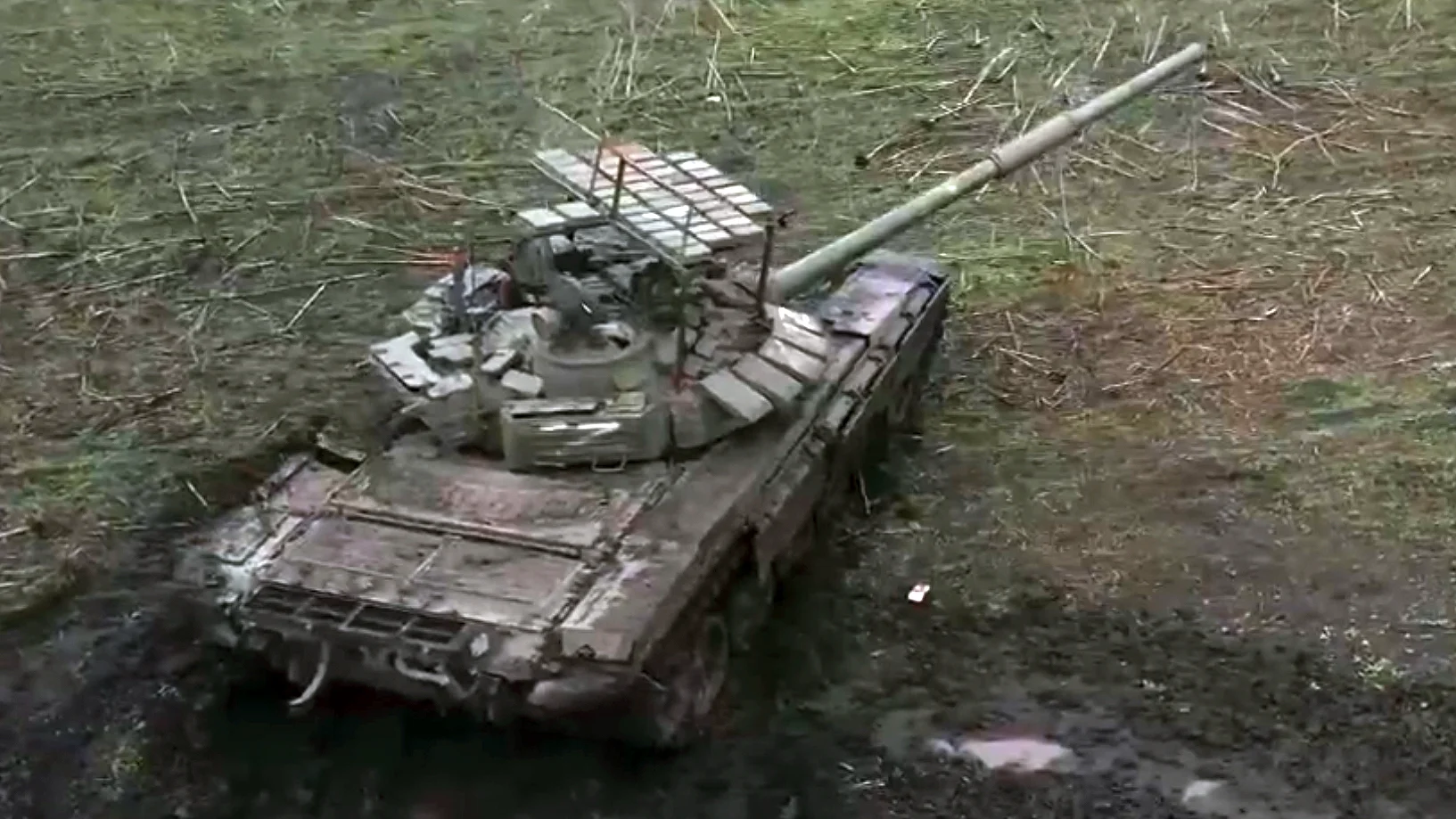
The FPV drone threat evolution represents one of the most significant shifts in modern armored warfare. In just a few years, small commercially available first-person-view drones have transformed from reconnaissance tools into precision anti-armor weapons, creating a threat that military vehicle armor was never designed to address. This article examines the rise of the FPV drone threat, the evolution of FPV drone capabilities on the battlefield, and why cage armor — commonly called cope armor or cope cages — has become an essential countermeasure for protecting armored vehicles from this new generation of aerial threats.
From the battlefields of Ukraine to ongoing conflicts in the Middle East, the FPV drone threat evolution has forced defense planners to rethink vehicle survivability. What began as ad-hoc field modifications has matured into a systematic approach to drone defense. Understanding this journey from threat emergence to countermeasure deployment is critical for anyone involved in military procurement, vehicle armor design, or defense strategy.
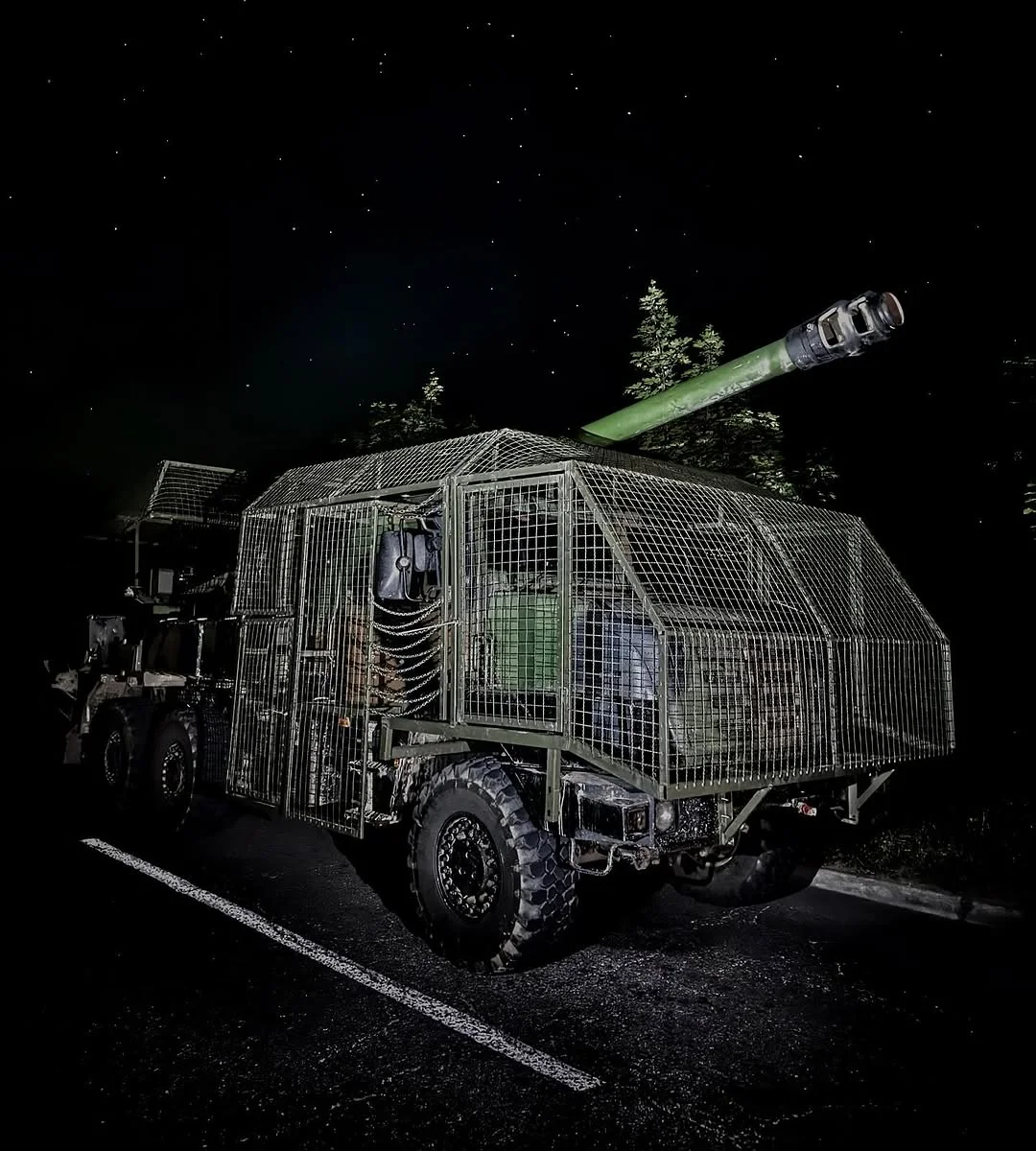
The rise of FPV drones has created unprecedented demand for anti drone cage armor systems that can be rapidly deployed on existing vehicles. Military forces worldwide have discovered that cage armor provides a uniquely effective balance of cost, weight, and protective capability against the most common FPV drone attack profiles.
What Is an FPV Drone and Why Is It a Military Threat?
A first-person-view (FPV) drone is a small unmanned aerial vehicle equipped with a camera that transmits live video to a pilot operating via goggles or a screen, providing a cockpit-like perspective. What makes FPV drones uniquely dangerous on the battlefield is their combination of low cost, high maneuverability, and precision strike capability. While a traditional military drone can cost millions of dollars, a weaponized FPV drone can be assembled for a few hundred dollars, making it accessible to nearly any military force or even non-state actors.
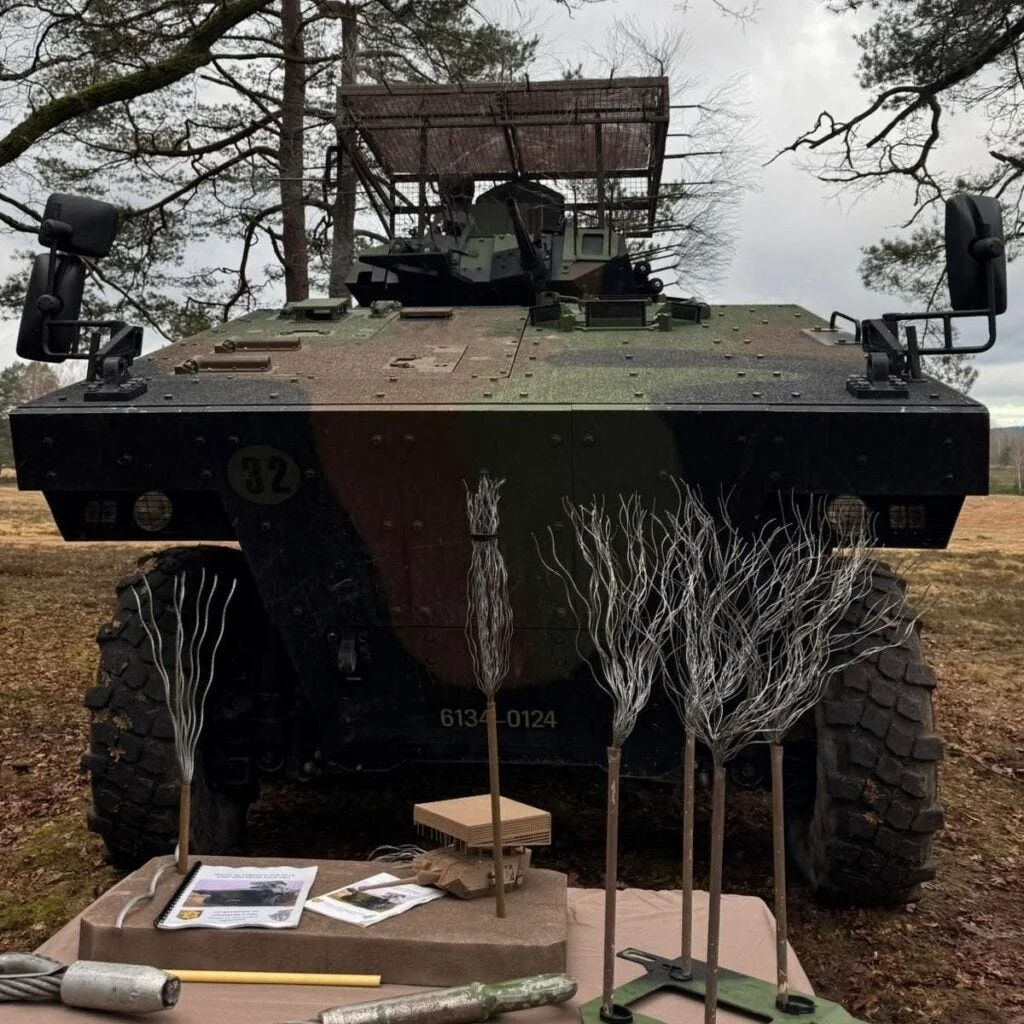
The FPV drone threat evolution accelerated dramatically when these drones were adapted for kinetic attacks. By strapping a rocket-propelled grenade warhead, mortar round, or shaped charge to a commercially available FPV quadcopter, operators gained the ability to deliver precision explosive payloads directly into vulnerable points of armored vehicles — the thin roof armor, the engine compartment, the turret ring, or open hatches. This capability has turned what was once a surveillance platform into a devastating anti-armor weapon.
Key characteristics that make the FPV drone a formidable military threat include:
- Extreme cost asymmetry: A $500 FPV drone can destroy a multi-million dollar tank
- Precision guidance: Live video feed allows operators to steer directly into weak points
- Swarm capability: Multiple drones can be coordinated to overwhelm defenses
- Low radar cross-section: Small size and composite materials make detection difficult
- Operational simplicity: Minimal training required compared to conventional weapons
The anti drone cage armor response emerged directly from these threat characteristics. Traditional armor protection was designed to defeat attacks from ground level — frontal arcs, side angles, and predictable trajectories. FPV drones attack from above, behind, and at angles that conventional armor was never designed to address. This fundamental mismatch between armor design assumptions and the reality of drone warfare created the urgent need for new protective solutions.
How FPV Drones Changed Modern Battlefield Tactics
The impact of FPV drones on modern warfare cannot be overstated. Before their widespread battlefield adoption, armored vehicles operated with a degree of confidence in their armor protection. A tank crew could reasonably expect that frontal armor would stop most incoming fire and that defending infantry would provide local security. The advent of FPV drones shattered this paradigm entirely.
The Russia-Ukraine conflict serves as the definitive case study in how FPV drones changed modern battlefield tactics. Ukrainian and Russian forces alike rapidly adopted FPV drones as primary anti-armor weapons, publishing countless videos of drone strikes destroying or disabling tanks, infantry fighting vehicles, and even self-propelled artillery. These attacks revealed that no existing armor package — whether conventional steel armor, composite armor, or explosive reactive armor — could reliably defeat a well-placed FPV drone attack. This drove the need for versatile anti fpv drone cage systems that could be rapidly fielded.
This tactical revolution forced several fundamental changes in military operations:
- Loss of air superiority assumption: Even without traditional air power, any force with FPV drones can contest the airspace above a battlefield
- Armored vehicle dispersion: Concentrating armor invites devastating drone swarm attacks
- New defensive requirements: Every vehicle now needs overhead and 360-degree protection
- Electronic warfare integration: Jamming and spoofing became critical companion measures to physical armor
The anti fpv drone cage emerged as one of the most practical responses to this tactical shift. Unlike electronic warfare systems which can be countered or jammed, cage armor provides physical barrier protection that works regardless of the electronic environment. Understanding how does cage armor work in this context is essential — it physically intercepts the drone or warhead before it reaches the vehicle hull. Do anti drone cages work? The overwhelming evidence from combat footage and battle damage assessments confirms that even simple cage armor significantly reduces the effectiveness of FPV drone attacks by pre-detonating warheads at a safe distance from the vehicle hull.
What Is Cage Armor and How Does It Protect Against FPV Drones?
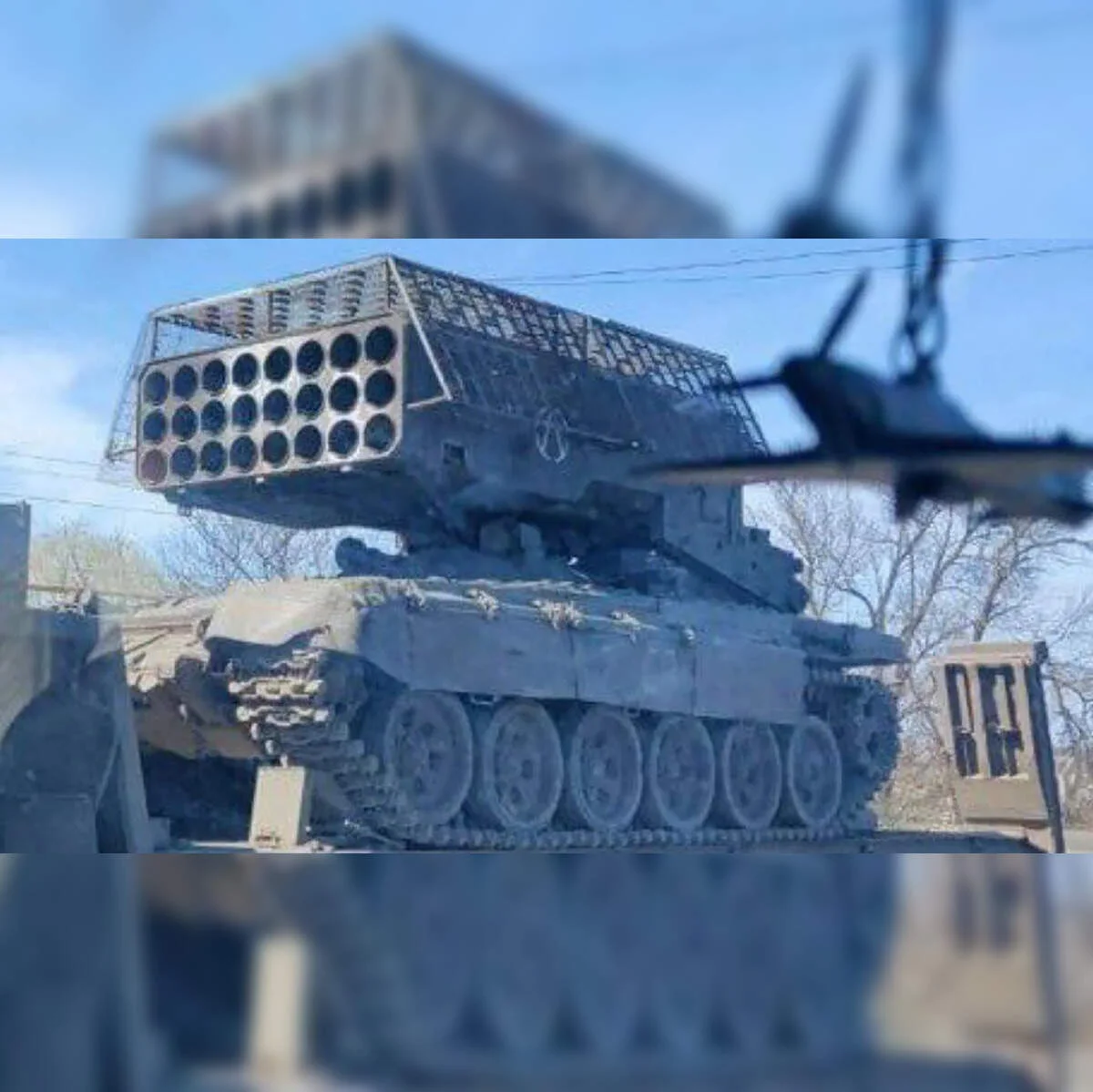
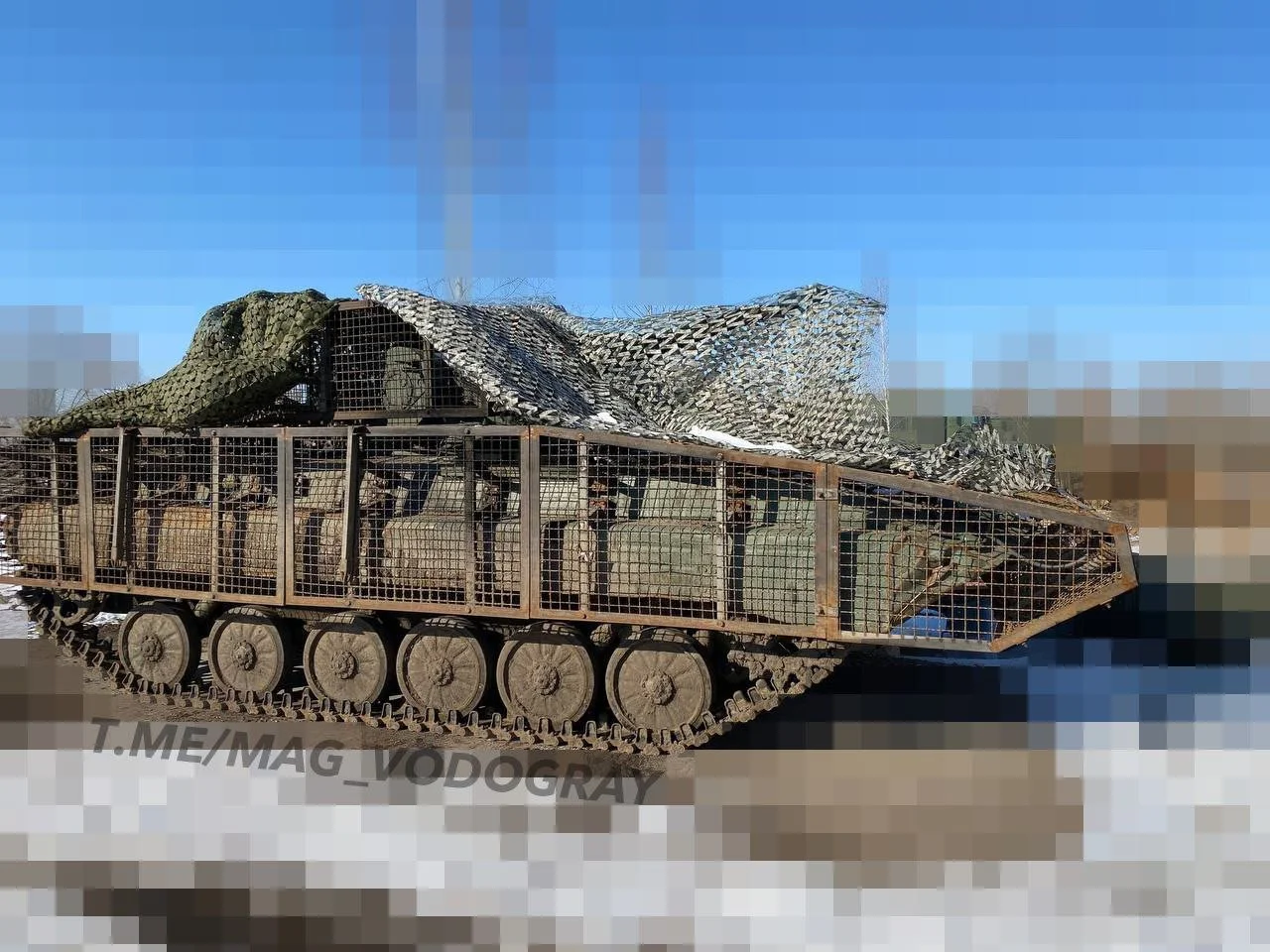
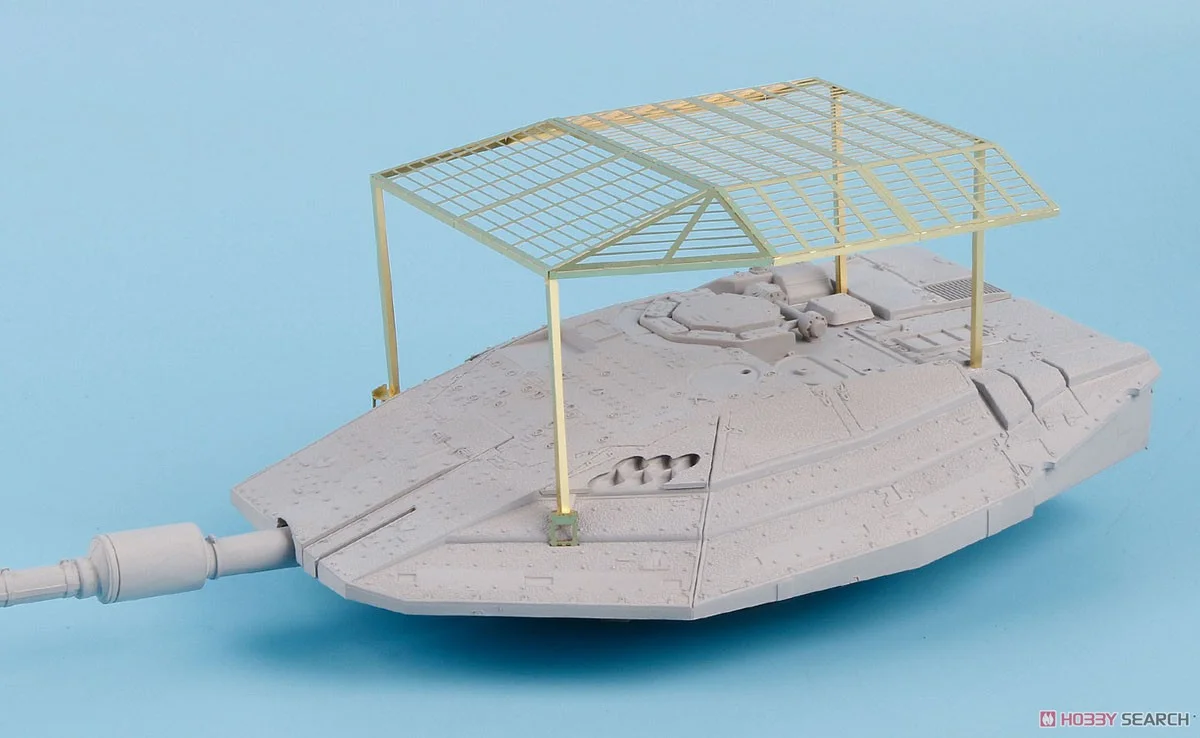
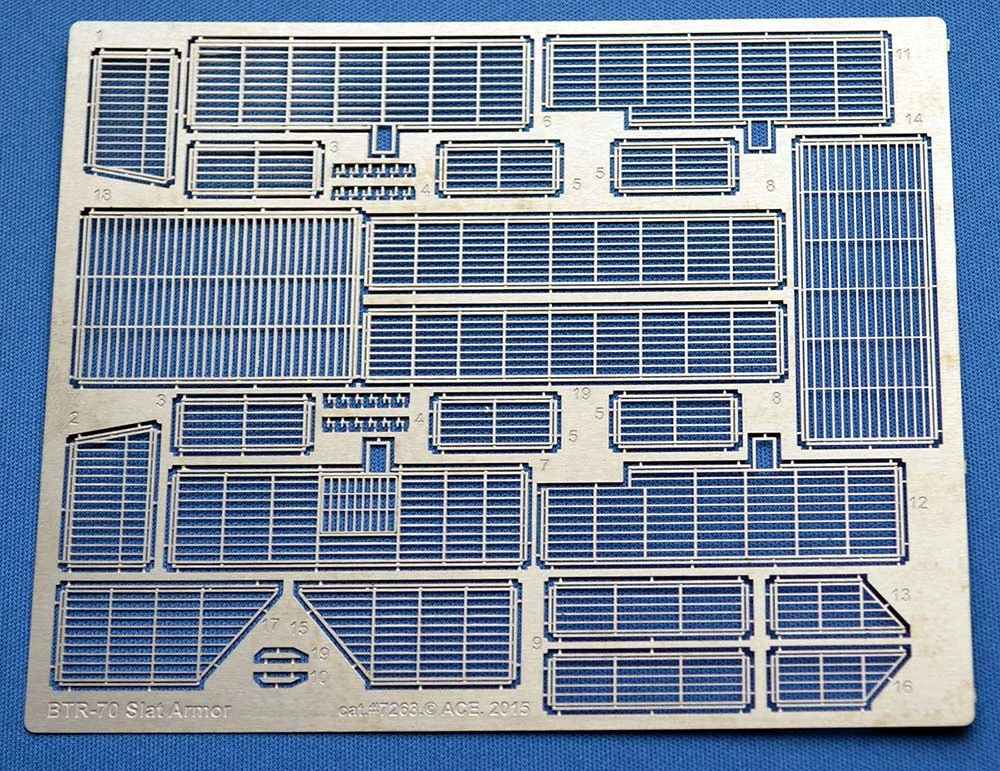
Cage armor, also widely known as cope armor, slat armor, or bar armor, is a type of spaced armor that uses a metal grid or cage structure mounted at a distance from the vehicle main hull. The fundamental principle is simple: the cage creates a physical barrier that intercepts incoming projectiles before they reach the vehicle primary armor. When a warhead strikes the cage, it detonates at a safe standoff distance, dissipating the shaped charge jet or fragmenting the projectile before it can penetrate the main armor.
Difference Between Slat Armor and Cage Armor
While often used interchangeably, slat armor and cage armor have distinct design characteristics. Slat armor consists of closely spaced vertical or horizontal metal bars, typically used on lighter vehicles for RPG protection. Cage armor refers to a wider, more open grid structure commonly installed on main battle tanks. The difference between slat armor and cage armor lies primarily in bar spacing, steel thickness, and mounting architecture. Cage armor generally uses thicker steel bars (10-20mm) with wider spacing (50-150mm gaps), while slat armor uses thinner bars (6-12mm) with tighter spacing (30-80mm gaps). Both operate on the same standoff principle, but cage armor provides greater coverage area for large vehicle surfaces.
How Cage Armor Works Against Shaped Charges and Kinetic Impacts
The mechanism behind how cage armor works is rooted in shaped charge physics. A shaped charge warhead, such as those found in RPGs or FPV drone-dropped munitions, relies on a precisely formed metal jet to penetrate armor. For the jet to form correctly, the warhead must detonate at its optimal standoff distance. When the warhead impacts the cage armor bars, it detonates prematurely — typically 300-500mm away from the main armor. This premature detonation disrupts the shaped charge formation, dramatically reducing penetration capability from potentially 500mm of steel to less than 50mm.
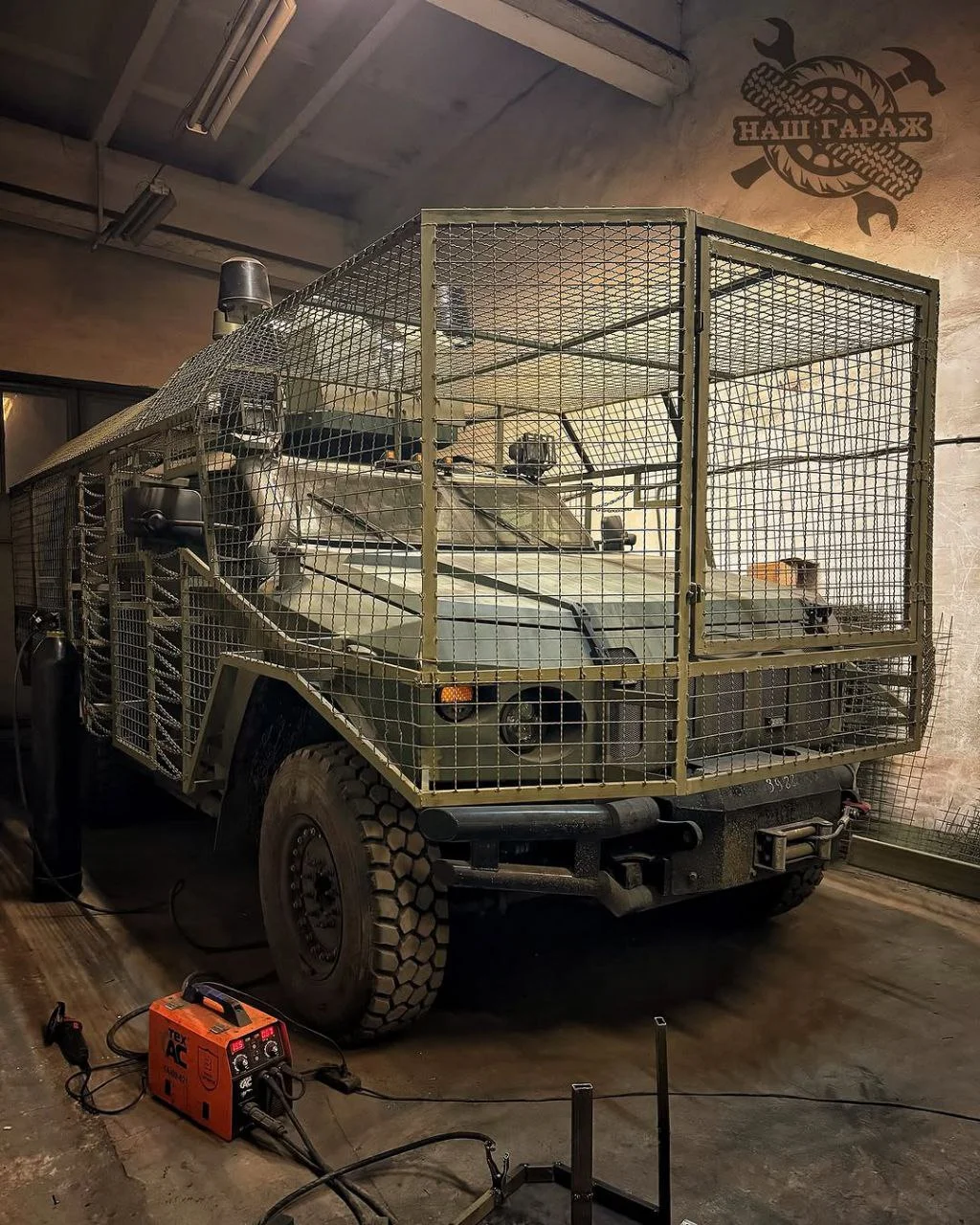
For kinetic energy projectiles, the cage bars physically disrupt the projectile flight path, causing tumbling, fragmentation, or deflection. The combination of these protective mechanisms makes cage armor protection exceptionally effective against the types of improvised munitions typically delivered by FPV drones.
Why Cage Armor Became Essential for Armored Vehicles
The question of why cage armor became essential for armored vehicles is best answered by examining the combat record of the past three years. Before 2022, cage armor was relatively rare on modern main battle tanks, seen primarily on older platforms like the T-72 or as specialized urban combat modifications. The widespread deployment of FPV drones changed this overnight.
The primary driver of cage armor adoption was the FPV drone threat evolution reaching a tipping point where virtually every armored vehicle in a combat zone faced daily drone threats. Without cage armor, a tank crew had no reliable defense against a drone dropping a munition directly onto the turret roof — the thinnest armor on any tank. With cage armor, the drone-dropped munition strikes the cage roof and detonates harmlessly above the vehicle.
Lessons from the Ukraine Conflict
The Ukraine conflict provided the most extensive real-world testing of cage armor against drone threats in military history. Both Russian and Ukrainian forces independently arrived at the same conclusion: cage armor significantly improves vehicle survivability against FPV drone attacks. Field reports and battle damage assessments consistently show that:
- Vehicles with cage armor suffer 60-80% fewer catastrophic kills from drone attacks
- Cage armor is most effective against drone-dropped munitions and FPV-delivered shaped charges
- Even improvised field-fabricated cage armor provides meaningful protection
- Cope cage effectiveness increases with proper engineering and material selection
The how does cage armor work question is answered in every engagement where a drone strike hits cage armor bars instead of the vehicle hull. The cage buys critical time — it allows the vehicle to survive a hit, maneuver out of the kill zone, and continue the mission. This operational resilience is why cage armor transitioned from an emergency field modification to a standard factory-fitted protection system on modern armored vehicles.
Are Cope Cages Effective Against FPV Drones?
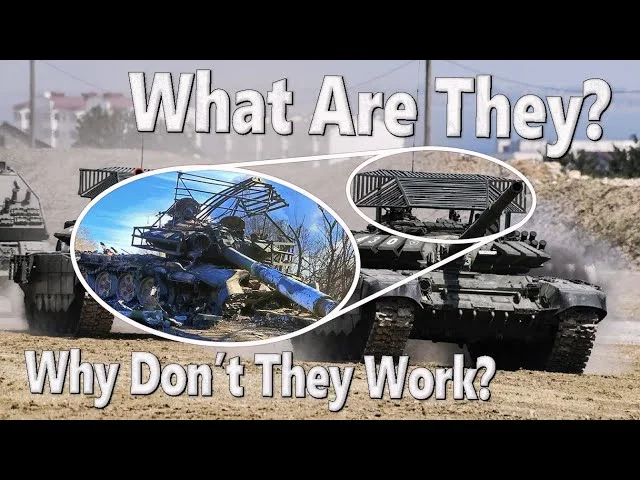
This is perhaps the most critical question for defense planners and procurement officers. Are cope cages effective against FPV drones? The answer, supported by extensive combat evidence, is a qualified yes — with important caveats.
A properly designed cope cage significantly reduces the probability of a catastrophic kill from an FPV drone attack. The effectiveness comes from several mechanisms:
- Pre-detonation: The cage causes the warhead to detonate at a standoff distance, reducing penetrative power by 80-90%
- Physical deflection: The grid structure can deflect smaller drones or alter their trajectory before detonation
- Structural disruption: Impact with steel bars can damage the drone frame or warhead mounting, preventing proper function
Combat footage analysis shows that anti drone cage armor is most effective against:
- FPV drones carrying RPG-7 warheads or equivalent shaped charges
- Drone-dropped munitions that rely on precise impact angles
- Single-drone attacks where the cage can intercept the incoming trajectory
However, no armor solution is perfect. Are cope cages effective against all drone threats? Not entirely. Multiple drone attacks hitting the same location can eventually breach the cage. Small drones can sometimes fly through wider cage gaps. And complex attack angles can bypass cage coverage areas. Nevertheless, the consensus among military analysts and combat commanders is that cope cages improve vehicle survivability by a factor of 3-5x against FPV drone threats, making them an indispensable addition to any armored vehicle operating in contested airspace.
The do anti drone cages work question has been answered on battlefields around the world — the cages work well enough that no tank unit today would willingly operate without them in a drone-threat environment.
How Has Cage Armor Design Evolved to Counter Drone Threats?
The cage armor design evolution is a remarkable story of rapid battlefield innovation. What began as rudimentary wire mesh and rebar cages welded onto tanks in field workshops has evolved into engineered protection systems designed using CAD software and fabricated from certified armor steel. The cope cage design evolution reflects the accelerating pace of the FPV drone threat.
Key Design Improvements Over Time
Tracking how cage armor design has evolved to counter drone threats reveals several distinct phases:
| Generation | Design Characteristics | Time Period |
|---|---|---|
| Gen 0 — Improvised | Field-welded rebar, scrap metal, wire mesh; no engineering analysis | Early 2022 |
| Gen 1 — Rudimentary | Basic steel bar frames with regular spacing; bolted or welded mounts | Mid 2022 |
| Gen 2 — Engineered | CAD-designed bar spacing optimized for shaped charge disruption; proper steel grade selection | Late 2022 |
| Gen 3 — Integrated | Modular cage panels; quick-attach mounts; optimized standoff distance; combined with ERA | 2023 |
| Gen 4 — Advanced | Lightweight alloys; multi-layer grids; hybrid cage-EW systems; vehicle-specific designs | 2024+ |
The cope cage design evolution has been driven by continuous feedback from combat operations. Early cage designs sometimes interfered with vehicle systems — blocking hatches, limiting turret traverse, or adding excessive weight. Modern cage armor addresses these issues through careful engineering that balances protection with operational requirements.
Key innovations in the evolution include optimized bar spacing that stops the smallest FPV drone threats without creating excessive wind resistance or weight penalties, improved mounting systems that allow battlefield replacement of damaged cage sections, and integration with existing vehicle armor packages including explosive reactive armor (ERA) tiles. The slat armor effectiveness comparison against cage armor also informed many design decisions, leading to hybrid approaches that combine the best features of both protection systems.
What Types of Vehicles Use Cage Armor Against Drones?
The types of vehicles that use cage armor against drones has expanded dramatically as the FPV drone threat has grown. Initially limited to main battle tanks, cage armor is now deployed on virtually every class of military vehicle operating in contested airspace.
- Main Battle Tanks (MBTs): T-72, T-90, M1 Abrams, Leopard 2, Challenger 2 — these are the most commonly seen platforms with factory and field-installed cage armor. The drone cage armor for tanks typically covers the turret roof and engine deck, the most vulnerable areas. The drone cage armor for tanks has become standard equipment on modern MBTs operating in drone-threat environments.
- Infantry Fighting Vehicles (IFVs): BMP-1/2/3, Bradley, Marder — lighter vehicles require lightweight cage armor solutions that do not compromise mobility.
- Self-Propelled Artillery: Howitzers and gun systems are frequent FPV drone targets due to their exposed operation and thin armor.
- Logistics and Support Vehicles: Trucks, fuel tankers, and command vehicles now routinely receive cage armor protection in high-threat zones.
Slat armor effectiveness varies by vehicle type, though cage armor generally provides superior coverage for larger vehicles. On heavier vehicles, the additional weight of robust cage armor (typically 300-800 kg) is negligible relative to the vehicle total mass. On lighter vehicles, lightweight anti drone cage armor designs using thinner bars or alternative materials provide useful protection without unacceptable weight penalties.
The diversity of vehicle types using cage armor demonstrates how universal the FPV drone threat has become. No vehicle operating within drone range is safe, and cage armor has become the baseline protection standard across virtually all combat vehicle classes.
Limitations of Cage Armor Against Drone Attacks
While cage armor has proven remarkably effective against FPV drone threats, understanding its limitations is essential for realistic threat assessment and force protection planning. No armor system is invulnerable, and cage armor has specific vulnerabilities that must be acknowledged.
- Gap vulnerabilities: If the cage bar spacing exceeds the size of the drone or its munition, a small FPV drone can fly through the gaps and attack the hull directly. This is why proper engineering — matching bar spacing to expected threat profiles — is critical.
- Multiple-hit vulnerability: A single cage bar can typically stop 1-3 direct hits before structural failure. Concentrated attacks on the same bar section can defeat the cage.
- Top-attack limitations: While cage roofs provide overhead protection, the roof bars must be dense enough to catch munitions dropped from above. Lighter drones dropping small munitions can sometimes evade roof cage coverage.
- Weight and mobility impact: Heavy cage armor can add 500-1000 kg to a vehicle, affecting fuel consumption, acceleration, and mobility in soft terrain.
- Maintenance and access: Cage armor can obstruct access to engine hatches, turret maintenance points, and crew escape hatches if not properly designed.
The limitations of cope cage effectiveness also include their interaction with electronic warfare systems. While cage armor provides physical protection independent of electronic countermeasures, the most effective defense combines both approaches — using EW to disrupt drone control links and cage armor as a last line of physical defense for threats that penetrate the electronic shield.
Understanding these limitations helps defense planners make informed decisions about where and how to deploy cage armor, what additional protective measures to layer alongside it, and what level of residual risk remains after cage armor installation.
Conclusion: The Future of Cage Armor in the Drone Era
The FPV drone threat evolution has fundamentally reshaped armored vehicle protection requirements, and cage armor has emerged as one of the most practical, cost-effective, and battle-proven countermeasures available today. From its improvised origins in field workshops to today engineered protection systems, cage armor represents a new paradigm in military vehicle survivability.
Looking ahead, several trends will shape the future of cage armor and drone protection:
- Integration with active protection systems: Cage armor will increasingly work alongside hard-kill APS and soft-kill electronic warfare systems for layered defense
- Advanced materials: Lightweight alloys, composite materials, and advanced steel grades will reduce weight while improving protection
- Smart cage designs: Sensors embedded in cage structures could detect and report strikes, enabling tactical awareness and damage assessment
- Modular and adaptable systems: Quick-change cage panels tailored to specific mission profiles and threat levels
- Standardized manufacturing: Military specifications for cage armor fabrication will ensure consistent quality and performance across production batches
Cage armor has proven that sometimes the most effective military technology is not the most complex. By understanding the evolution of the FPV drone threat and implementing proven protective measures, military forces can maintain armored vehicle effectiveness in an era where the sky is no longer a safe domain. For defense procurement professionals and military planners, the lesson is clear: cage armor is not a temporary field expedient — it is an essential component of modern armored warfare that will remain relevant for decades to come.
For more information on cage armor design, fabrication, and procurement, explore our resources on anti drone cage armor manufacturing and cope cage fabrication services.