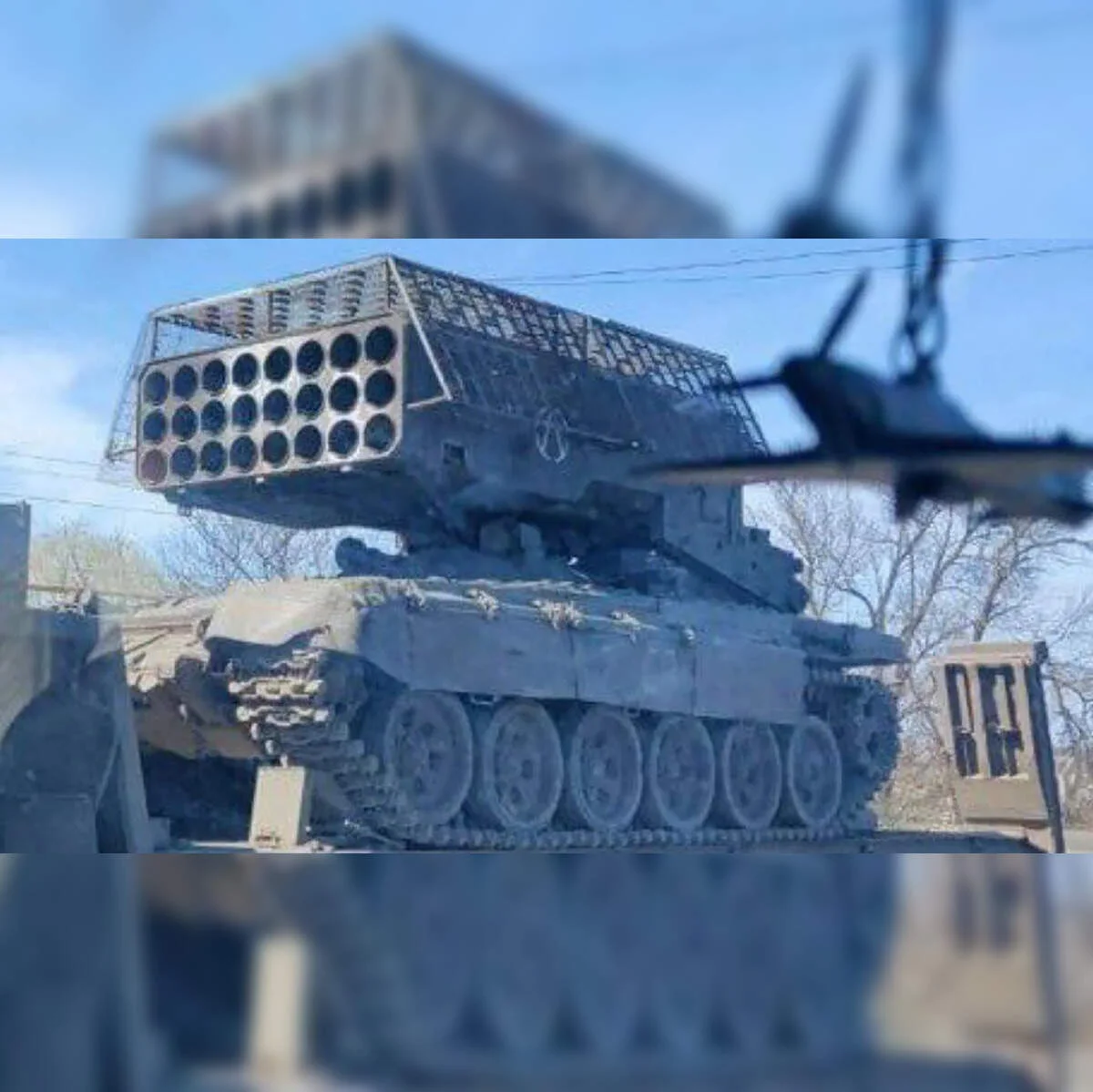
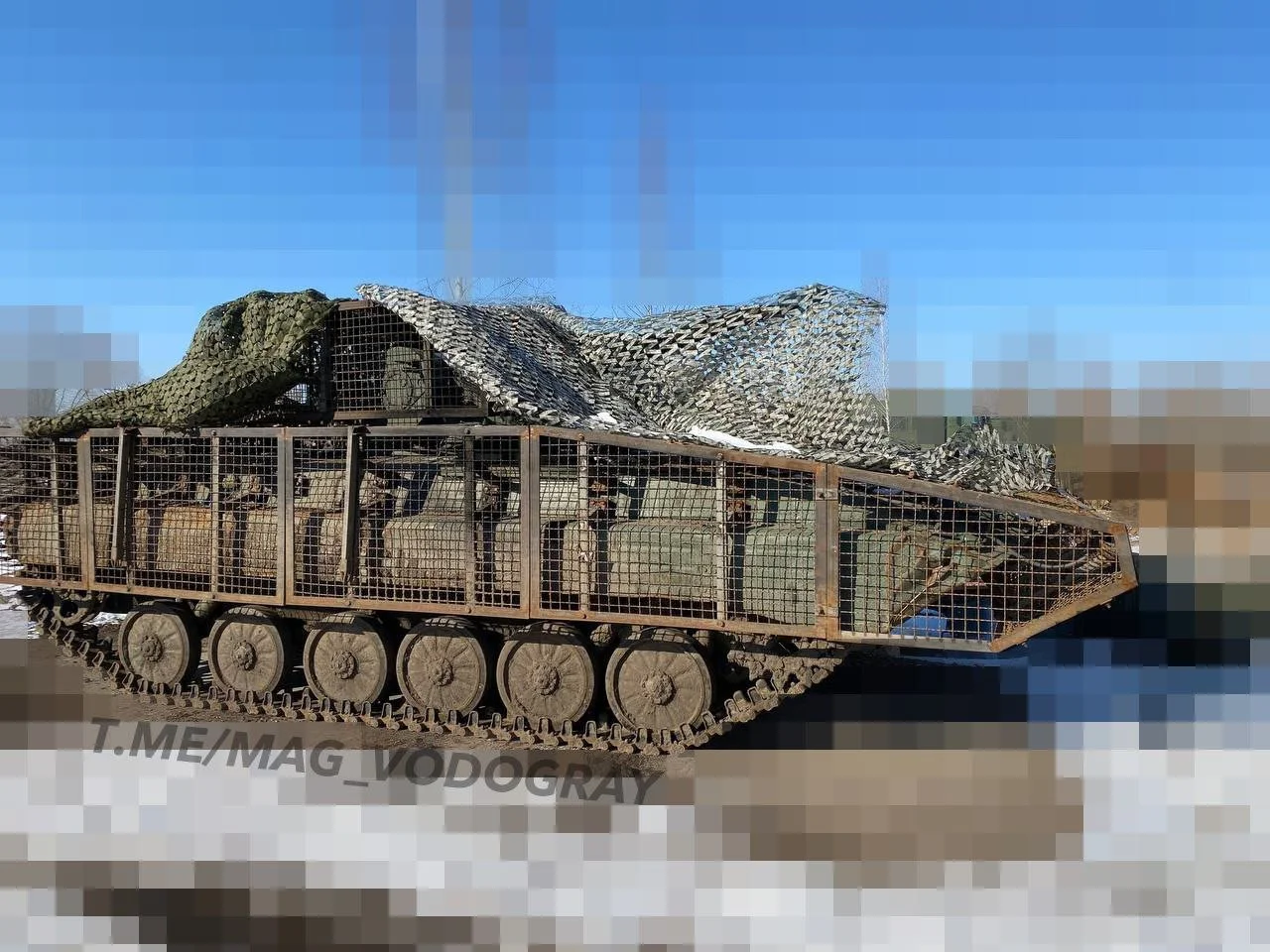
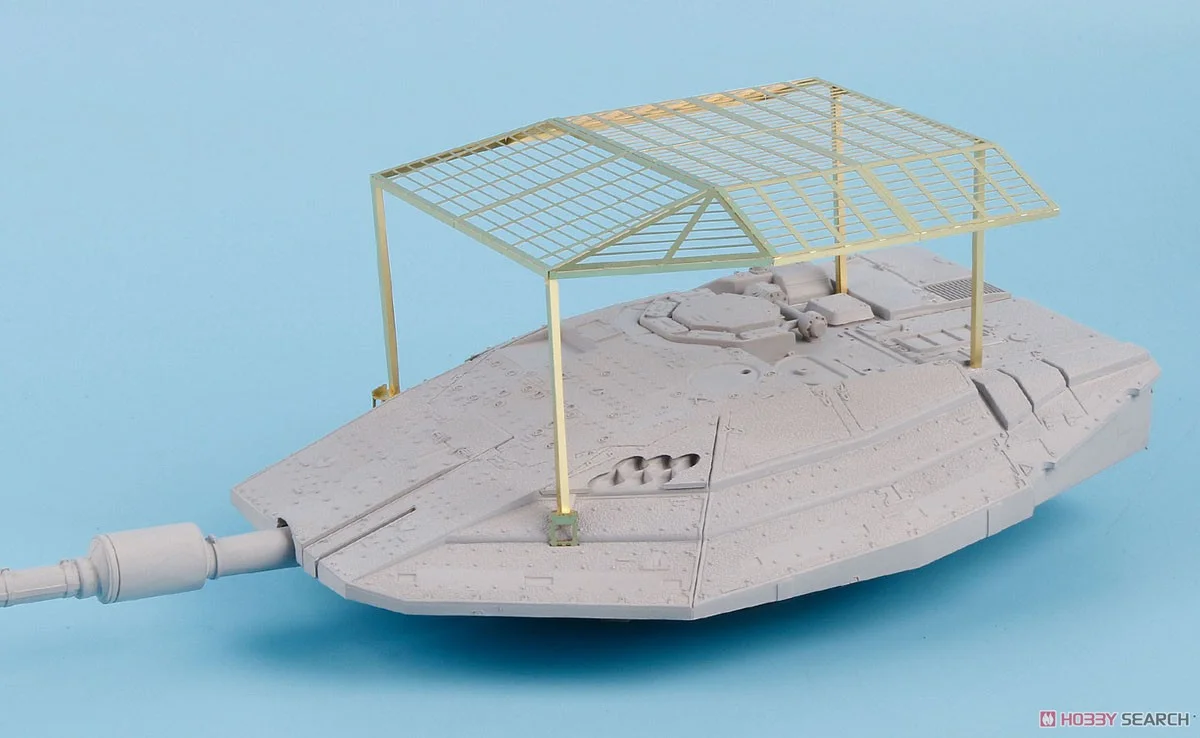
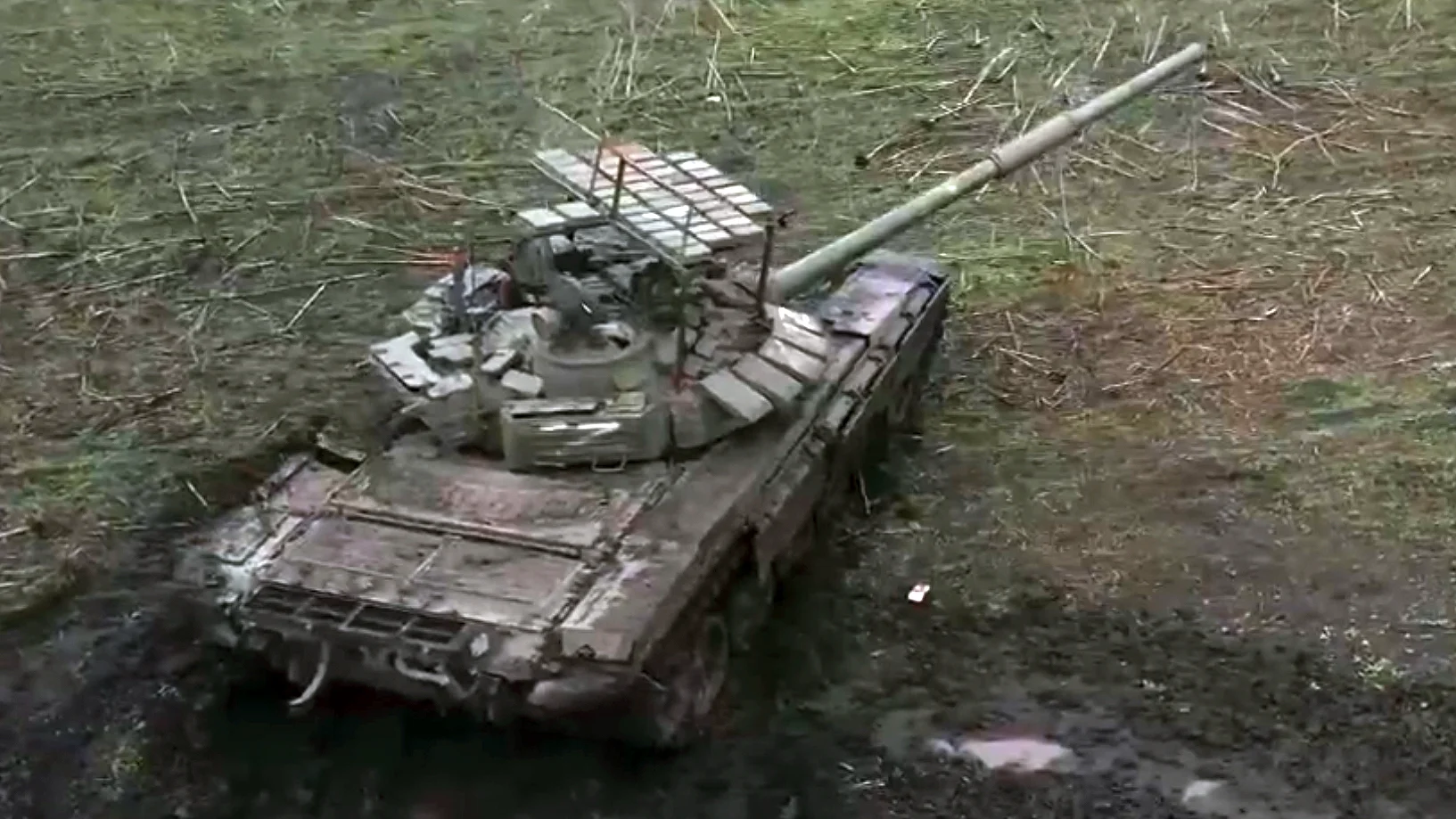
What Does Cope Cage Fabrication Actually Cost?
Cope cage fabrication cost is the first question every procurement team asks — and the one most manufacturers answer vaguely. "Send your drawings and we'll quote." "It depends on the specs." While these answers are technically correct, they don't help you build a budget, compare suppliers, or spot an overpriced quote. Worse, they don't protect you from the dangerously underpriced quote — the one where the supplier plans to substitute mild steel for AR500 and skip NDT inspection to hit an impossibly low number.
This guide gives you the real numbers: FOB price ranges by vehicle type and steel grade, quantity discount tiers that unlock significant savings, regional cost comparisons including logistics, and the hidden costs that catch first-time defense buyers off guard. All figures are based on Dengtai's actual 2026 FOB pricing from our 3,000 m² ISO 3834-2 certified facility in Zhengzhou, verified across 5,000+ completed armor projects since 2003. Use them as your procurement budget benchmark — and as your tool for spotting quotes that are too good to be true.
Find your vehicle class in the price table → note the steel grade you need based on your threat assessment → adjust for your target quantity tier → add 8-15% for logistics and duties. That number is your realistic FOB budget. Request a formal quote with your exact specifications for firm pricing.
Cope Cage Fabrication Cost by Vehicle Type & Steel Grade
These are FOB (Free On Board, factory gate) prices in USD, valid for 10-unit batches. Actual quotes vary ±15% based on design complexity, custom mounting requirements, and current steel market conditions. Prices include material, fabrication labor, 100% NDT inspection, and ISPM-15 export crating.
| Vehicle Class | Example Platforms | AR400 FOB | AR500 FOB | Hardox FOB | Typical Weight |
|---|---|---|---|---|---|
| Light Tactical | HMMWV, JLTV, Land Cruiser, pickup | $1,200–$1,800 | $1,600–$2,400 | $2,200–$3,200 | 150–250 kg |
| Light APC | M113, BTR-60/70/80, VAB | $2,000–$3,000 | $2,800–$4,200 | $3,600–$5,400 | 300–500 kg |
| MRAP | Cougar, MaxxPro, RG-31, Casspir | $2,200–$3,200 | $3,000–$4,500 | $4,000–$5,800 | 350–550 kg |
| IFV | BMP-1/2/3, Bradley M2/M3, CV90 | $2,500–$3,500 | $3,500–$5,000 | $4,500–$6,500 | 350–550 kg |
| Main Battle Tank | T-72, T-90, M1 Abrams, Leopard 2 | $3,500–$5,000 | $4,500–$7,000 | $6,000–$9,000 | 450–800 kg |
| Self-Propelled Artillery | M109, 2S19 Msta-S, PzH 2000, CAESAR | $2,500–$4,000 | $3,500–$5,500 | $4,500–$7,200 | 300–600 kg |
| Logistics Truck | FMTV, HEMTT, Ural, KamAZ | $1,500–$2,500 | $2,100–$3,500 | $2,800–$4,500 | 200–350 kg |
The jump from AR400 to AR500 adds 30-50% to material cost. For training vehicles and rear-echelon logistics where the primary threat is fragmentation rather than shaped charges, AR400 is appropriate. For any vehicle expected to face FPV drones or RPG-7 warheads — which describes most frontline platforms in 2026 — AR500 is the minimum grade that provides meaningful protection. The cost difference is real, but the protection difference is measured in vehicle survivability.
How Steel Grade Drives Cost — And Why It's Worth It
Steel material represents 35-50% of total cope cage fabrication cost. Grade selection is the single largest pricing lever you control — and the one with the most direct impact on battlefield performance.
Best for: Training vehicles, rear-echelon logistics. Adequate against fragmentation, marginal against shaped charges.
Best for: Frontline MBTs, IFVs, any vehicle facing FPV drone or RPG-7 threats. The standard for modern cope cage fabrication.
Best for: Arctic/sub-Arctic deployment, sustained multi-hit scenarios. Superior low-temperature toughness vs AR500.
Best for: Formal NATO procurement programs, contracts requiring full MIL-SPEC documentation and audit trail.
Real example: A T-72 cope cage requiring 500 kg of steel plate and bar stock. AR400 material cost: ~$400-500. AR500: ~$600-750. Hardox 500: ~$800-1,000. MIL-A-46100: ~$1,000-1,250. The $850 difference between AR400 and MIL-A-46100 on a $5,000 cage is significant — until you compare it to the $2-5 million replacement cost of a destroyed main battle tank.
Thickness Selection & Cost Tradeoffs
Steel thickness multiplies material cost linearly but adds weight exponentially to the vehicle. Understanding the protection-to-weight-to-cost triangle prevents over-specification:
- 6-8mm grid bars: Sufficient for defeating small FPV drone warheads (RPG-7 PG-7V class) when combined with a minimum 300mm standoff distance. This is the most cost-efficient specification for the cage grid structure.
- 8-12mm structural frame: The primary load-bearing members. Going from 8mm to 12mm adds 50% to frame material cost while providing diminishing protection returns — the standoff distance matters more than the frame thickness once you exceed 8mm.
- 15-20mm roof plates: Reserved for specific high-threat zones directly above crew compartments and ammunition storage. A 20mm roof plate over a 2m² turret area weighs approximately 314 kg — roughly the weight of an entire lightweight cage system. Use sparingly and only where the threat assessment demands it.
Quantity Discounts: How Order Volume Changes Unit Pricing
Order volume is the second largest cost lever after steel grade. The economics of fabrication create predictable discount tiers that every manufacturer's pricing follows. Understanding these tiers helps you optimize your order size — and recognize when a supplier's quote doesn't align with real production economics.
| Tier | Quantity | Price vs Baseline | What Changes in Production |
|---|---|---|---|
| Prototype | 1–5 units | +30–50% premium | Jig fabrication ($800-1,500). WPS qualification per grade ($500-1,000). Engineering review of drawings. All non-recurring costs concentrated on few units. A prototype T-72 cage: $5,200–7,500. |
| Small Batch | 10–30 units | Baseline (1.0×) | Setup costs amortized across the batch. Standard production workflow — shared workstations, manual and robotic welding mix. This is the most common order size for initial fleet evaluations. |
| Mid-Volume | 50–100 units | -10–15% | Dedicated production line assigned. Bulk steel purchasing at 10-15% discount from mills. Robotic welding utilization increases. Jig amortization complete. Standardized workflow eliminates setup changes. |
| Production Run | 100+ units | -15–25% | Steel purchased in coil rather than sheet form (additional 5-8% savings). Robotic welding operates at 85%+ utilization. Container-optimized batch packing. Dedicated QC inspector assigned to the production line. |
Real example — T-72 AR500 cage:
- 1 unit (prototype): ~$5,200-6,500
- 10 units (baseline): ~$4,500 each = $45,000 total
- 50 units (mid-volume): ~$3,850 each = $192,500 total
- 100 units (production): ~$3,400 each = $340,000 total
On a 100-unit fleet order, the volume discount saves approximately $110,000 compared to baseline pricing — enough to armor 25-32 additional vehicles at the discounted rate. Or, viewed another way: the same $450,000 budget that buys 100 cages at baseline pricing buys 132 cages at production-run pricing.
Where Your Money Goes: Six-Step Cost Breakdown
A cope cage quote is not a single number — it is six cost components stacked together. Understanding each one lets you evaluate whether a supplier's quote allocates budget appropriately or cuts corners in critical areas.
| Step | Cost Share | Dengtai Standard | What Low-Cost Quotes Omit |
|---|---|---|---|
| 1. Steel Procurement | 35–50% | Verified AR400/AR500/Hardox inventory. MTR per plate. Indoor storage, grade-separated zones. | Unmarked steel of unknown grade. No MTR traceability. Outdoor rusted stock. |
| 2. CNC Cutting | 8–12% | Plasma ±0.5mm, Laser ≤25mm. Deburred edges. Pre-drilled mounting holes on CNC machining center. | Manual oxy-fuel cutting. Uneven edges requiring grinding. Hand-drilled holes — misalignment guaranteed. |
| 3. Welding & Assembly | 20–30% | WPS-qualified GMAW. 12 robotic stations + 8 manual bays. Preheat and interpass temperature monitored per procedure. AWS D1.1 certified welders. | Uncertified welders. No WPS. No preheat on AR500 — cold cracking risk. Tack welds where full welds are specified. |
| 4. NDT Inspection | 5–10% | 100% UT (ASTM E114) + MT (ASTM E709) + VT on every critical weld. ASNT Level II certified technicians. Full NDT report per cage. | Visual inspection only — cannot detect subsurface defects. Or: NDT entirely skipped. "100% visual check" is not NDT. |
| 5. Surface Treatment | 8–15% | CARC per MIL-DTL-53039 (3-coat system: zinc epoxy primer + CARC topcoat). Or hot-dip galvanizing to ISO 1461. 50-80μm dry film thickness. | Single-coat industrial enamel. No corrosion protection. Surface rust visible within 6 months of field deployment. |
| 6. Export Packaging | 3–5% | ISPM-15 heat-treated wood crating. Steel banding. Desiccant packs. Foam edge protection. Container loading plan for maximum density. | Loose stacking on pallets. No edge protection. Transit damage on arrival. Higher per-unit shipping cost due to poor container utilization. |
NDT inspection adds $100-400 to the cost of a typical cope cage. It is also the line item most commonly omitted from "competitive" quotes. A cage that has not undergone UT and MT inspection is a cage whose welds have not been verified for subsurface integrity. When evaluating a quote that is 10-15% below the market, ask one question first: "Is 100% UT + MT included in this price?" If the answer is anything other than an immediate yes — or if the supplier needs to "check and get back to you" — the price does not include NDT. Factor in the missing NDT cost before comparing quotes.
Regional Manufacturing Cost Comparison
Where your cope cage is fabricated affects delivered cost — not necessarily quality (that depends on certifications, not geography) but certainly the final landed price once logistics are included.
| Region | T-72 Cage FOB | Shipping to Europe (per cage) | Shipping to Middle East | Lead Time |
|---|---|---|---|---|
| China (Dengtai) | $3,500–5,000 | +$200–400 | +$150–300 | 6–10 weeks |
| Eastern Europe | $4,500–6,500 | +$50–150 | +$200–400 | 8–14 weeks |
| Western / NATO | $6,000–9,000+ | +$30–100 | +$250–500 | 12–20 weeks |
Even with ocean freight and import duties added, Chinese FOB pricing from a certified manufacturer (ISO 3834-2 + AWS D1.1) is typically 30-50% below Western quotes for equivalent specifications. At 100+ units, the logistics cost per cage drops significantly when shipping full 20ft or 40ft containers — a single 40ft container can hold 16-24 cages depending on vehicle type, reducing per-unit shipping to $80-150.
Hidden Costs: What First-Time Buyers Miss
FOB price is not your delivered cost. These five items appear after the quote and can add 15-25% to your total budget if not planned for during procurement.
Ocean Freight
$2,000-4,000 per 20ft container (8-12 cages depending on size). $3,500-6,500 per 40ft container. Spot rates fluctuate ±30% quarterly — lock in rates early or build a 20% freight buffer into your budget.
Import Duties & Tariffs
Varies by country and HS code. Typical range for steel structures (HS 7308.90): 0-15%. Some countries apply military equipment exemptions. Confirm with your customs broker before finalizing your budget.
Inland Transport
Port-to-base trucking. Budget $500-2,000 depending on distance and whether your cages qualify as oversize cargo requiring special permits and escort vehicles.
Third-Party Inspection
Independent pre-shipment inspection by SGS/Bureau Veritas/TÜV: $1,500-3,000 per order plus travel expenses. Recommended for first orders with any new manufacturer, regardless of their certifications.
Bank & Payment Fees
Letter of credit issuance: 1-3% of contract value. Wire transfer fees: $30-50 per transaction. Currency conversion spread: 1-2% if paying in a currency different from the contract currency.
Spare Parts & Consumables
Budget 5-10% of the cage order value for spare mounting brackets, replacement bolts, touch-up paint, and field repair kits. These are not included in the base FOB price and must be ordered as a separate line item.
How to Reduce Cope Cage Fabrication Cost Without Sacrificing Quality
Lowering the price does not have to mean lowering protection. These five strategies reduce your total procurement cost while maintaining — or even improving — the quality of the delivered product:
- Standardize across your fleet. Using one cage design across multiple vehicle platforms (with platform-specific mounting brackets) reduces engineering NRE by 40-60% and allows the entire order to qualify for volume discount tiers.
- Order in annual batches, not per-deployment. Placing one annual order of 100 units instead of four quarterly orders of 25 units each saves 15-25% on unit price and eliminates three rounds of shipping and customs processing.
- Specify bolt-on mounting — not welded-on. Bolt-on cages cost 5-10% more to fabricate (bracket machining) but save hundreds of dollars per vehicle in installation labor and eliminate the risk of heat damage to the vehicle's own armor during field welding.
- Choose the right surface treatment for your climate. CARC paint is the gold standard but costs 3-5× more than industrial primer. For vehicles operating in arid environments without chemical agent threat, hot-dip galvanizing provides excellent corrosion protection at roughly half the cost of CARC.
- Plan lead times to avoid expediting fees. Standard lead time (6-10 weeks) pricing is the baseline. Expedited production (3-5 weeks) adds a 15-25% surcharge for overtime labor and priority production slot allocation. Building a 4-week buffer into your procurement timeline eliminates this surcharge entirely.
The biggest cost savings in cope cage procurement come from volume and standardization — not from negotiating down the per-unit price. A supplier who drops their price by 20% under negotiation pressure will find that 20% somewhere: thinner steel, skipped NDT, uncertified welders, or inferior coating. Focus your negotiation on quantity discounts and multi-year framework agreements that benefit both parties through production efficiency, not on squeezing the unit margin.
How to Get an Accurate Cope Cage Fabrication Quote
The single biggest pricing error in armor procurement is sending an incomplete RFQ. When suppliers fill gaps in your specification with their own assumptions, their quotes are not comparable — and the cheapest quote is almost always the one that assumed the lowest specification.
Five Data Points Every RFQ Must Include
- Vehicle platform: Exact make, model, variant, and year. Four-angle photographs of turret/hull mounting points. Any existing armor, ERA, or add-on systems that affect cage geometry.
- Threat specification: Describe the warheads you need to defeat — not just "FPV drones" but specific warhead types (RPG-7 PG-7V, PG-7VL, RKG-3, etc.). This is what determines your steel grade and standoff requirements.
- Quantity and delivery: Total units, batch sizes per delivery, and required first-delivery date. Include whether partial shipments are acceptable and whether you need an initial prototype for evaluation before production.
- Quality standards: Welding code (AWS D1.1, ISO 3834-2, MIL-STD-1685A), NDT coverage (100% UT+MT or statistical sampling), documentation package requirements (MTRs, WPS/PQR, NDT reports), and any third-party inspection requirements.
- Surface treatment & packaging: Coating specification (CARC per MIL-DTL-53039, zinc-rich primer, hot-dip galvanizing per ISO 1461), color/finish, packaging requirements (ISPM-15 crating, container optimization), and preferred incoterms.
Send your specifications to Dengtai's engineering team for a detailed 48-hour FOB quote →
Frequently Asked Questions
Three factors create the price spread: steel grade (AR400 vs AR500 swings cost 40-60%), NDT inspection coverage (100% UT+MT costs 2× more than visual-only — and many quotes exclude it entirely), and welder certification (certified AWS D1.1 welders command higher shop rates but produce verifiable, documented quality). A $1,200 quote and a $3,500 quote for the same vehicle specification are not quoting the same materials, the same welders, or the same inspection standard. Request line-item pricing to expose the differences.
Standard terms: 30% T/T deposit with purchase order, 70% balance before shipment. For established relationships: 30% deposit, 70% against scanned shipping documents. Irrevocable letters of credit (L/C at sight) accepted for orders above $50,000. We are open to discussing flexible payment structures for multi-year framework agreements — contact our commercial team.
Yes. Prototype orders (1-2 units) are standard and encouraged for first-time projects. Expect a 30-50% price premium vs production pricing — this covers one-time engineering review, jig fabrication, WPS qualification, and the lower efficiency of single-unit production. Prototype lead time is 4-6 weeks from drawing approval. The prototype gives you a physical unit to evaluate fit, finish, and weld quality before committing to production quantities.
Formal FOB quotations are valid for 30 calendar days. For orders with delivery beyond 90 days from contract signing, Dengtai recommends a price adjustment clause tied to a published steel index (typically CRU or Platts). Our standard clause uses a ±10% adjustment band: if the reference index moves more than 10% from the contract date, the steel portion of the unit price adjusts proportionally. This protects both parties from market volatility without requiring constant renegotiation.
Dengtai's standard FOB price includes: all steel material, fabrication labor, 100% NDT inspection (UT + MT + VT), surface treatment per specification, ISPM-15 export crating, and loading onto the vessel at the port of departure. Not included: ocean freight, marine insurance, import duties and tariffs, destination port handling, inland transport to final destination, and third-party inspection fees (if requested). We provide a detailed cost breakdown so there are no surprises.
"Dengtai's pricing transparency set them apart from every other manufacturer we evaluated. They gave us line-item pricing — steel, labor, NDT, coating, packaging — so we could see exactly where our budget was going and compare quotes on an apples-to-apples basis. That level of detail is rare in defense procurement."
Ready to Build Your Cope Cage Procurement Budget?
Use the price tables and cost breakdowns above to establish your initial budget framework. When you are ready for firm pricing, send your vehicle specifications to Dengtai's engineering team. We will return a detailed FOB quotation within 48 hours — with line-item pricing so you can see exactly where every dollar goes.
Request your detailed cope cage fabrication FOB quote →
Related resources: cope cage fabrication services · 9-point manufacturer checklist · armor fabrication RFQ service