Introduction
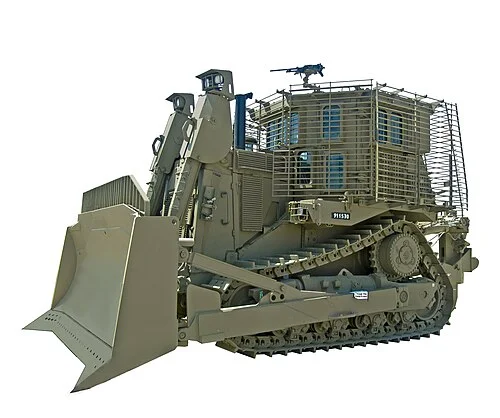
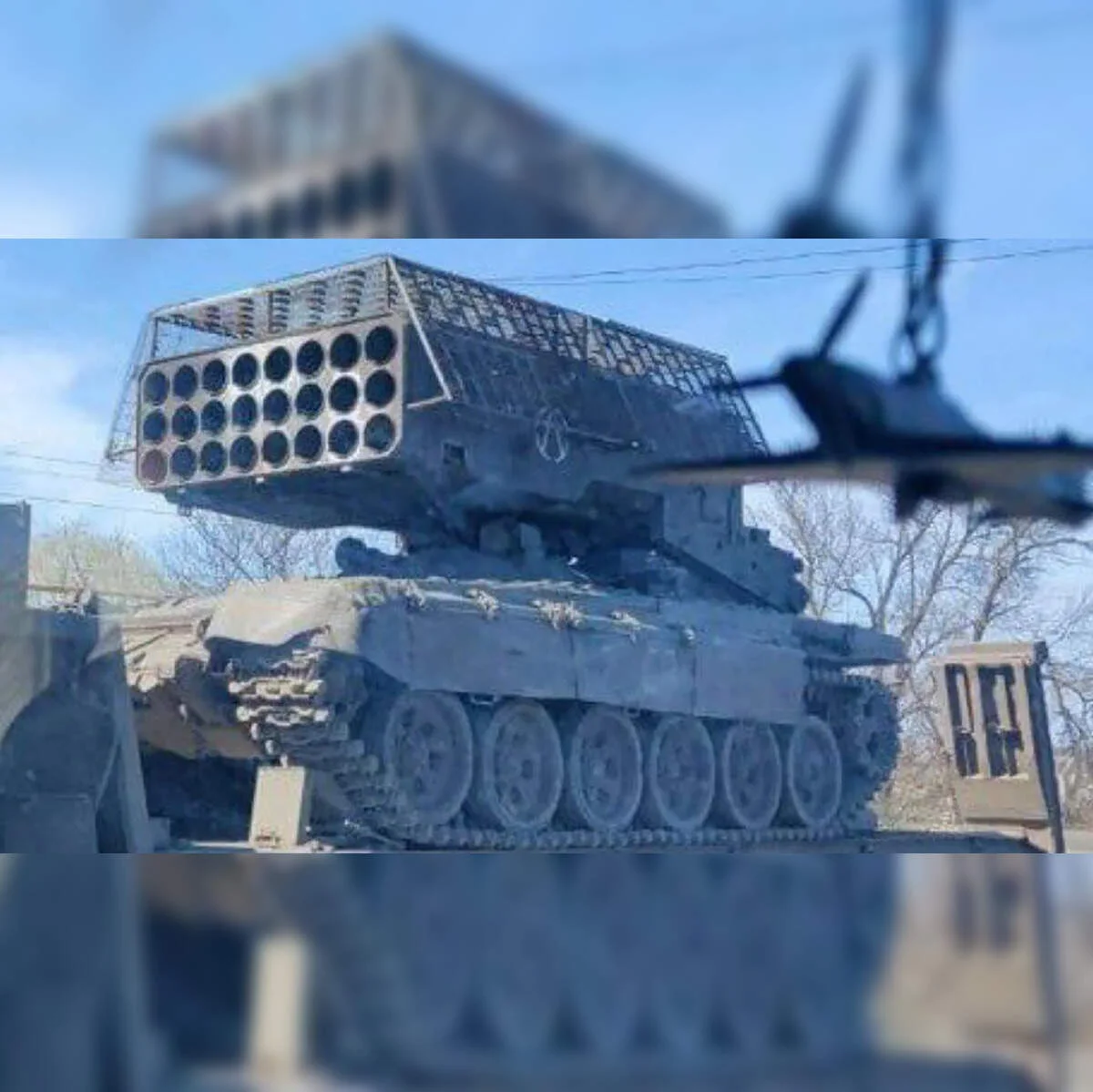
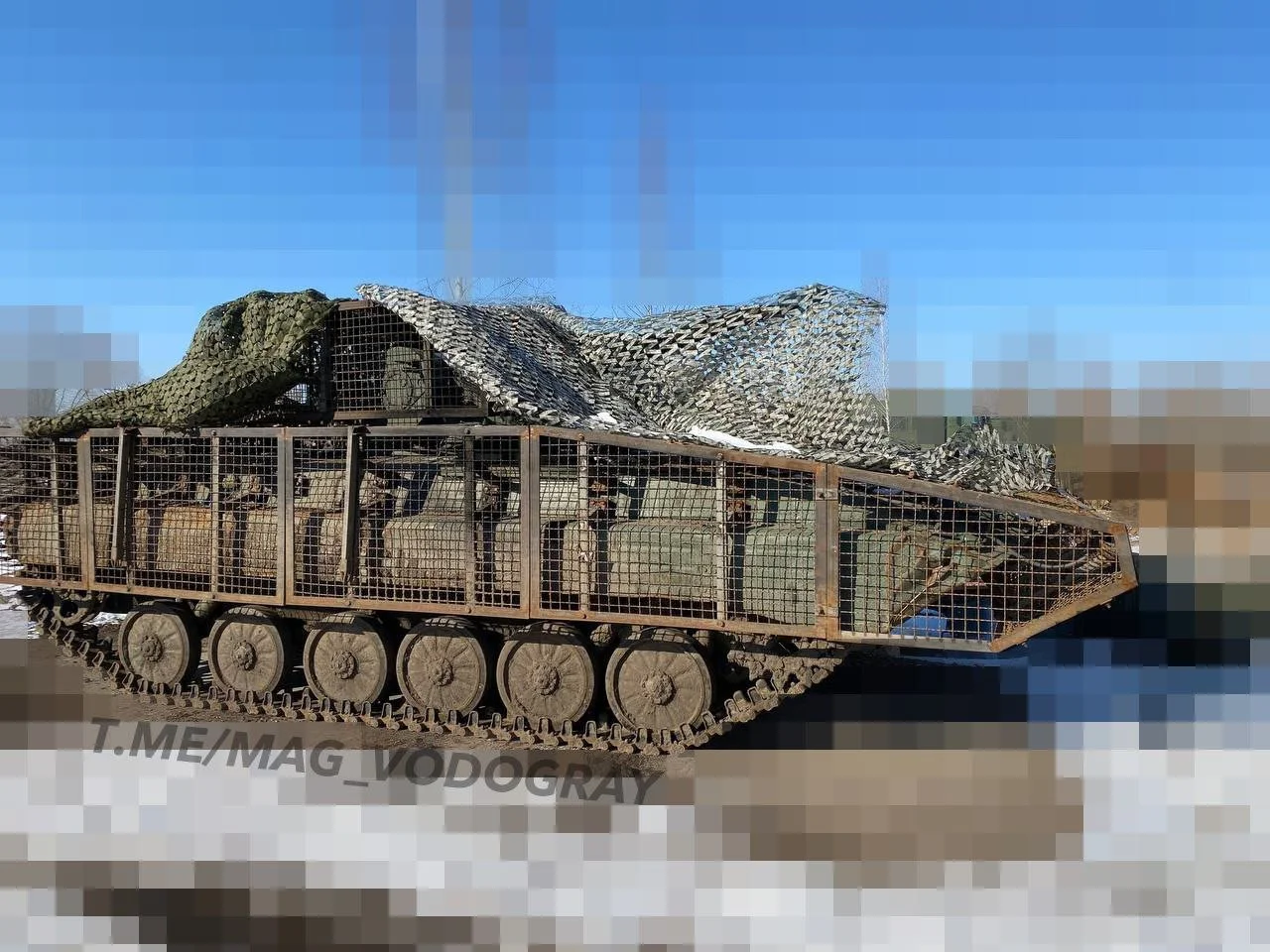
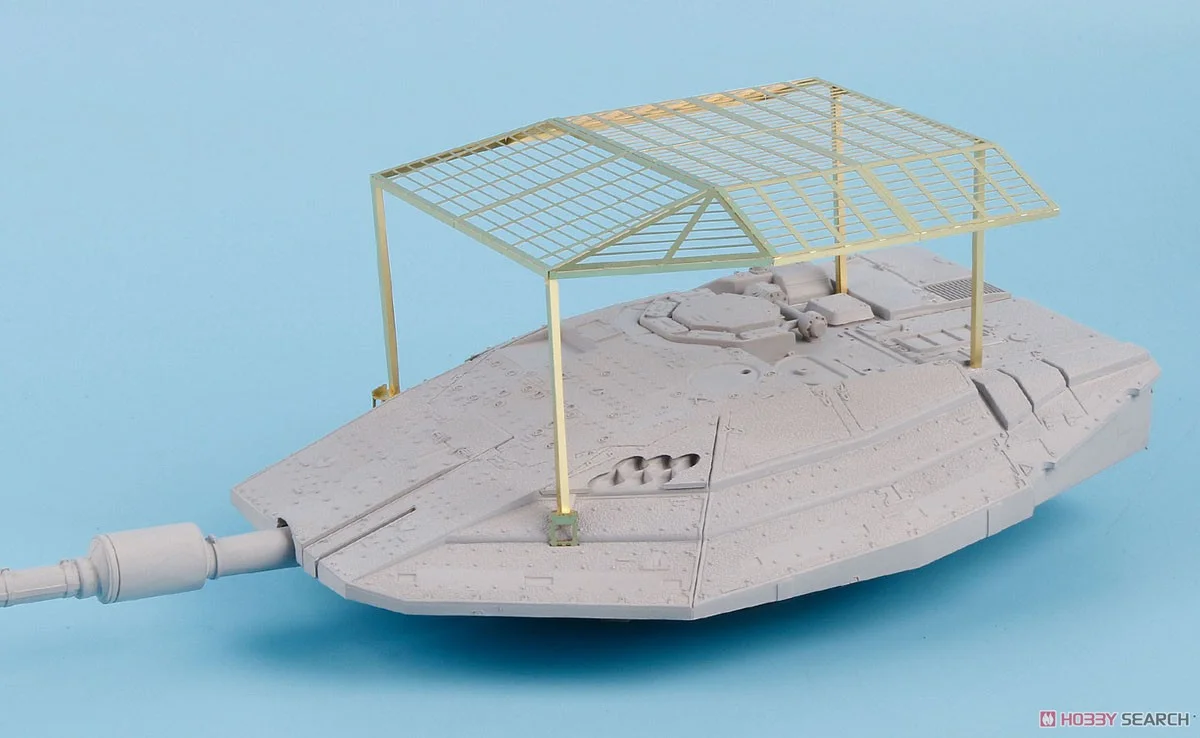
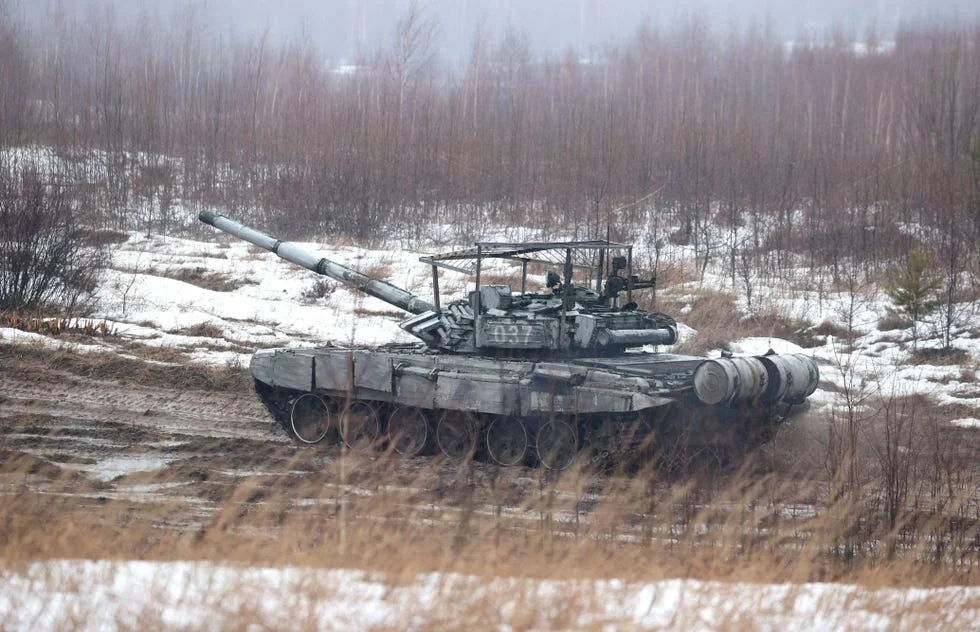
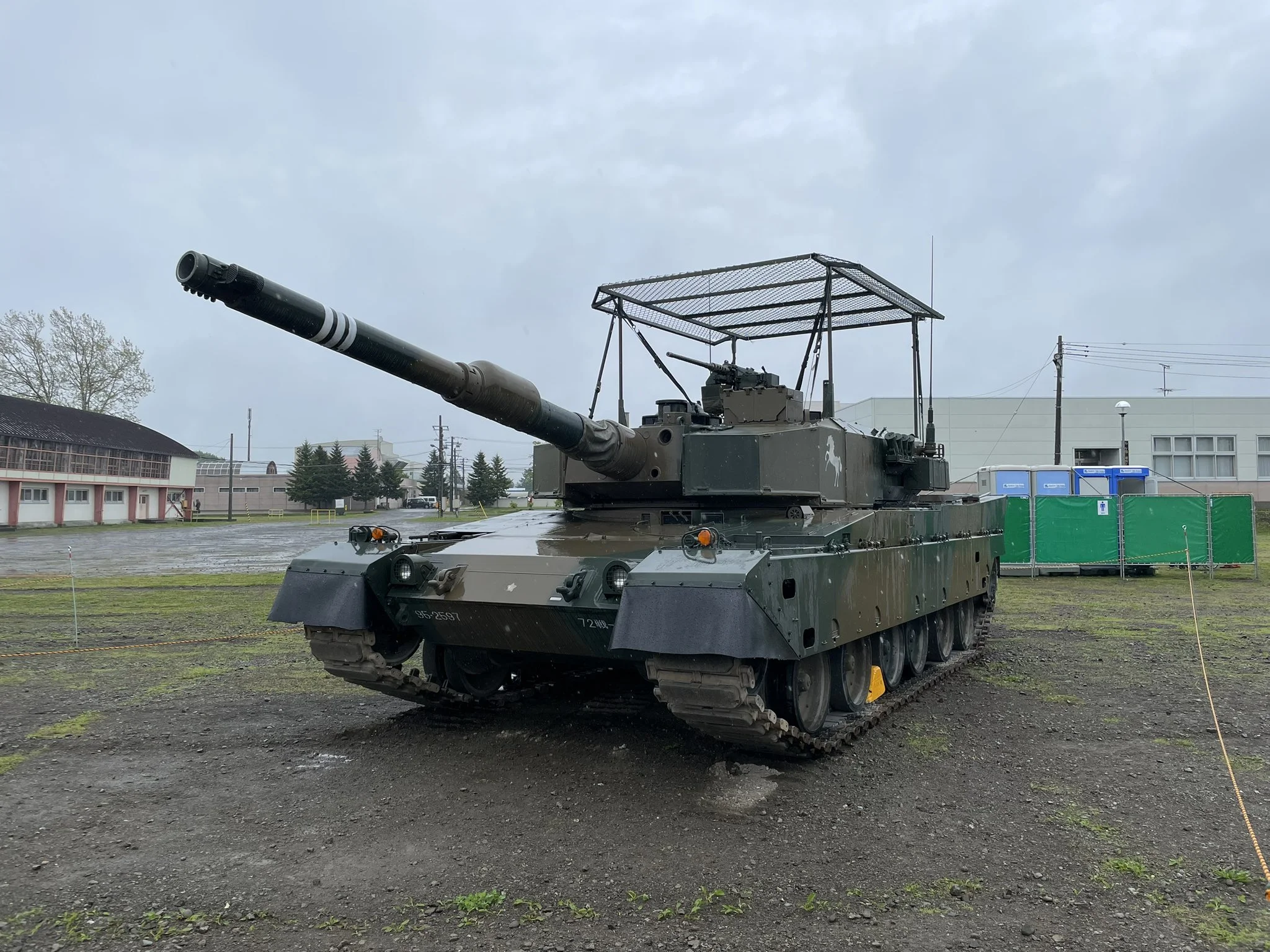
When military and defense contractors evaluate vehicle protection upgrades, cope cage cost manufacturing is one of the first questions they ask. Understanding what drives the price of these specialized armor systems is essential for budgeting, procurement planning, and comparing supplier quotes. A cope cage — also known as a slat armor or bar armor system — is a steel framework mounted externally on armored vehicles to defeat shaped-charge warheads by causing them to detonate at a safe standoff distance.
This comprehensive guide breaks down every component of cope cage cost manufacturing, from material selection and fabrication techniques to factory overhead and shipping. Whether you are a military procurement officer, a vehicle conversion specialist, or a defense contractor sourcing from international suppliers, this article will help you understand the real cost structure behind cope cage production.
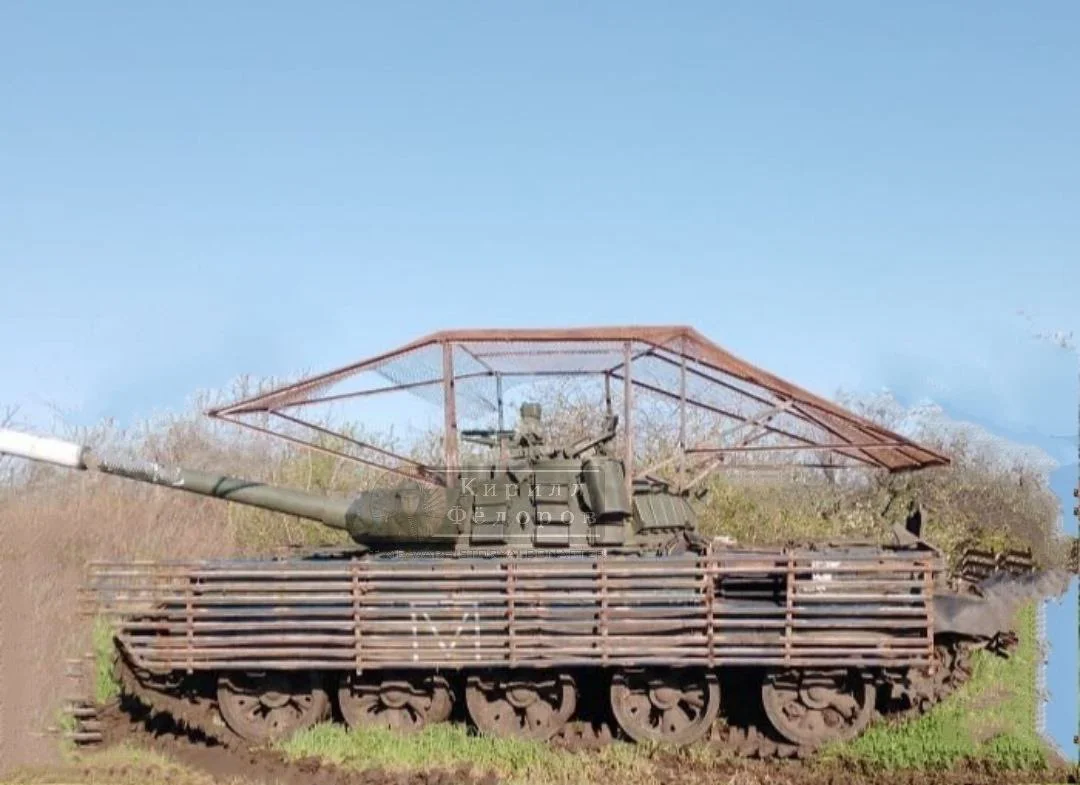
We will examine how steel grade selection, fabrication complexity, order quantity, and lead times interact to determine final pricing. We will also compare the economics of cope cage systems versus traditional slat armor and explore the growing role of anti-drone mesh integration. By the end, you will have the knowledge to estimate costs accurately, evaluate quotes from Chinese factories, and make informed procurement decisions.
Cope Cage Cost Manufacturing Factors: Understanding What Drives Pricing
What factors affect cope cage fabrication cost the most? Several interdependent variables influence the final price of a cope cage system. Understanding these factors is the first step toward accurate slat armor fabrication cost estimation and budget planning. Here are the primary cost drivers that manufacturers use to calculate quotations.
Material Costs
Steel represents 35–50% of the total cope cage manufacturing cost depending on the grade specified. Mild steel (A36) is the most economical option, while armor-grade steel (MIL-A-46100 or AR500) can increase material cost by 60–80%. The thickness required — typically ranging from 6mm to 20mm depending on the threat level — directly impacts both raw material expense and handling difficulty.
Fabrication Labor
Cutting, bending, welding, and assembling the cage structure requires skilled metal fabricators. Complex geometries with compound angles or curved sections demand more setup time and specialized jigs. Labor rates vary significantly by region, with Chinese factories offering competitive hourly rates compared to Western manufacturers.
Finishing and Coating
Military-specification coatings — including anti-corrosion primer, CARC (Chemical Agent Resistant Coating), or specialized thermal paints — add 5–15% to the total cost. Surface preparation such as shot blasting or phosphate treatment is also factored into the quote.
Tooling and Setup
Custom cope cage designs require dedicated bending dies, welding fixtures, and inspection templates. For first-time production runs, these non-recurring engineering (NRE) charges can range from to ,000 depending on complexity, distributed across the order quantity.
Certification and Testing
Ballistic testing, weld quality certification (e.g., AWS D1.1), and dimensional inspection reports are often required for military contracts. Third-party verification adds 3–8% to the project budget but ensures the cage meets specified protection standards.
Steel Grade Selection and Material Cost
Does cope cage manufacturing cost vary by steel grade selection? Absolutely — and the difference can be substantial. Steel grade selection is one of the most significant decisions affecting the final price. Here is how common grades compare:
| Steel Grade | Relative Material Cost | Typical Application |
|---|---|---|
| A36 Mild Steel | Baseline (1.0x) | Low-threat environments, training vehicles |
| AR400 Abrasion Resistant | 1.4–1.6x | Medium protection, mine-resistant vehicles |
| AR500 / MIL-A-46100 | 1.8–2.2x | High-threat battlefield conditions |
| Hardox 450/500 | 2.0–2.5x | Extreme conditions, blast-rated cages |
While upgrading to AR500 increases material cost significantly, it may allow using thinner plates to achieve the same protection level, partially offsetting the premium. For bulk orders of 50+ units, many Chinese factories offer grade-specific pricing that narrows the gap between mild steel and armor-grade options. When evaluating cope cage manufacturing cost across different specifications, always request line-item pricing that separates material cost from fabrication labor — this clarity helps you make cost-effective grade selections without compromising protection requirements.
Fabrication Complexity and Labor Costs
Fabrication complexity is the second-largest driver of cope cage manufacturing cost after materials. The design geometry, weld specifications, and assembly methodology all influence how many labor hours are required to produce each unit.
Simple flat-panel cages with straight cuts and basic butt welds are the most economical. These designs require minimal fixturing and can be produced with standard cutting and welding equipment. Labor time typically ranges from 8–16 hours per unit for a standard vehicle-sized cage.
Complex contoured cages that follow the vehicle's original body lines, incorporate curved sections, or include integrated mounting brackets demand more advanced fabrication techniques. These may push labor to 25–40 hours per unit. Computer numerical control (CNC) plasma cutting, precision bending, and robotic welding can maintain consistency but carry higher equipment amortization costs.
Weld quality requirements also affect labor cost. Structural welds per AWS D1.1 standards require certified welders and more time per joint compared to non-critical tack welds. Full-penetration welds on armor plate demand preheating and interpass temperature control, adding both time and energy costs.
Chinese factories typically offer a labor cost advantage of 40–60% compared to US or European manufacturers, making them attractive partners for high-volume cope cage production. However, this advantage must be weighed against shipping costs, communication overhead, and quality assurance logistics.
Average Cope Cage Manufacturing Cost Per Unit
How much does cope cage manufacturing cost per unit? The short answer is that prices typically range from ,200 to ,500 per cage, depending on size, material grade, complexity, and order volume. For standard configurations, here are indicative price ranges based on real market data from Chinese and international suppliers:
| Cage Type / Vehicle | Material Grade | Unit Price (USD) |
|---|---|---|
| Light tactical vehicle (e.g., HMMWV-style) | A36 mild steel | ,200 – ,500 |
| Medium MRAP / APC | AR400 / AR500 | ,800 – ,200 |
| Heavy main battle tank | AR500 / Hardox 500 | ,500 – ,500 |
| Specialized anti-drone cage | AR400 with mesh integration | ,500 – ,200 |
These figures assume a production run of 10–50 units. Prototype or single-unit orders typically carry a 30–50% premium due to tooling setup and NRE charges. Conversely, orders exceeding 100 units can achieve 15–25% volume discounts from most Chinese fabrication shops.
The cope cage cost manufacturing landscape has become more competitive in recent years as more factories in China have invested in specialized armor fabrication equipment. This has driven prices down while maintaining quality standards, making armored vehicle upgrades more accessible to a wider range of military and security forces worldwide.
Cost Range by Vehicle Type and Quantity
Order quantity is one of the strongest levers for reducing per-unit cope cage manufacturing cost. Understanding how volume pricing works helps procurement teams optimize their budgets.
Prototype and low-volume (1–5 units): Expect to pay the highest per-unit prices. The factory must design and build jigs, program CNC equipment, and develop welding procedures specific to your design. These NRE costs are typically amortized across the initial batch. Per-unit cost may be 30–50% above the baseline.
Mid-volume (10–50 units): This is the sweet spot for most military vehicle fleet upgrades. Factories can spread setup costs across enough units to reduce overhead per cage. Many Chinese manufacturers offer competitive pricing at this volume tier, often with free or reduced-cost sample approvals.
High-volume (100+ units): Large production runs unlock the best economies of scale. Factories can order steel coils rather than sheets, use dedicated production lines, and optimize workflow sequencing. Volume discounts of 15–25% are common, and some suppliers will negotiate additional reductions for repeat orders or annual contracts.
Vehicle type considerations: A cope cage for a light reconnaissance vehicle requires less steel and fewer labor hours than one for a 30-ton armored personnel carrier. When requesting quotes, always specify the exact vehicle model and any unique mounting requirements, as these details significantly impact the unit price calculation.
Cope Cage Cost vs Slat Armor Cost Comparison
Cope cage cost vs slat armor cost - which is more affordable? This is a common question among procurement officers, and the answer depends on the specific design and application. While the terms "cope cage" and "slat armor" are often used interchangeably in military circles, subtle differences in design philosophy can affect fabrication expenses.
Traditional slat armor consists of parallel steel bars or slats arranged at a specific spacing to defeat RPG warheads. The manufacturing process involves cutting and welding straight bars to a frame — a relatively straightforward operation. For a standard vehicle, slat armor fabrication cost estimation typically comes in at –,800 per unit, making it the more economical option for basic RPG protection.
Cope cage designs, by contrast, often incorporate a more three-dimensional structure with standoff distances optimized through computer modeling, integrated mounting systems, and sometimes angled panels for improved ballistic performance. These additional design considerations push cope cage manufacturing cost above traditional slat armor, typically by 25–40% for comparable coverage areas.
However, the cost comparison is not purely about manufacturing expense. Cope cages generally offer better protection across a wider range of threat angles and are more adaptable to integration with other vehicle systems. When evaluating total cost of ownership, including installation labor and maintenance over the vehicle's service life, the higher upfront cope cage cost is often justified by superior performance and durability.
Anti-Drone Mesh Installation Cost Consideration
With the proliferation of small unmanned aerial systems (UAS) on modern battlefields, many cope cage designs now incorporate anti-drone mesh as an integrated or add-on feature. Understanding the anti drone mesh installation cost is important for complete budget planning.
Anti-drone mesh is typically made from stainless steel or high-tensile wire with openings sized to intercept small drones (typically 20–50mm aperture). When integrated into a cope cage during initial fabrication, the additional cost is relatively modest — typically –,200 per vehicle depending on coverage area and mesh grade. This is far more economical than retrofitting mesh after the cage is already installed.
The mesh itself adds 10–18% to the material cost of a standard cope cage, plus 2–4 additional labor hours for fitting and welding the mesh panels to the cage frame. Some factories offer a modular mesh system that can be added or removed depending on the threat environment, providing operational flexibility at a slightly higher upfront cost.
When requesting quotes for combined cope cage and anti-drone mesh systems, ask suppliers to provide separate line items for the cage structure, mesh material, and installation labor. This transparency helps you compare anti drone mesh installation cost across different suppliers and decide whether an integrated or add-on solution best fits your budget and operational requirements.
How to Estimate Cope Cage Manufacturing Cost for Armored Vehicles
How to estimate cope cage manufacturing cost for armored vehicles? Developing a reliable cost estimate requires breaking the project into measurable components. Here is a step-by-step approach that procurement professionals use:
Step 1: Define the Physical Specifications
Start by determining the vehicle dimensions, required coverage area (roof, sides, front/rear), and threat level. These parameters dictate steel thickness, grade, and overall weight. A typical light vehicle cage uses 60–120 kg of steel, while heavy vehicle cages can consume 300–600 kg.
Step 2: Calculate Material Cost
Multiply the estimated steel weight by the per-kg price of your chosen grade. Add 15% for cutting waste and consumables. Current market rates for A36 steel are approximately /bin/zsh.80–.20/kg, while AR500 ranges from .00–.50/kg.
Step 3: Estimate Fabrication Hours
Based on design complexity, estimate total labor hours and multiply by the factory's shop rate. Chinese factory rates typically range from – per hour for armor fabrication, while US and European rates range from – per hour.
Step 4: Add Finishing, Coating, and Testing
Surface treatment (shot blasting, phosphating) and painting typically add – per unit. Ballistic certification and weld inspection add another – depending on the certification body.
Step 5: Include Logistics and Overhead
Packing, crating, and inland transport to port add – per cage. International shipping and insurance vary widely based on destination. Customs duties for armored vehicle components also apply in many jurisdictions.
Using this structured approach, you can produce a realistic cope cage manufacturing cost estimate before engaging suppliers, giving you a strong position for price negotiations.
Getting a Cope Cage Manufacturing Quote from Chinese Factories
How to get a cope cage manufacturing quote from Chinese factories? China has become a major hub for armor fabrication, with dozens of specialized factories offering competitive pricing on cope cage systems. However, navigating the quotation process requires preparation to ensure accurate and comparable quotes.
Start by identifying factories with proven experience in military-grade steel fabrication. Look for suppliers that hold ISO 9001 quality certification and have export experience with defense-related products. Platforms like Alibaba, Made-in-China, and industry-specific defense trade shows are common starting points, but direct outreach to specialized armor fabricators often yields better pricing and communication.
When approaching Chinese factories, provide a complete technical package including: detailed 2D drawings with dimensions and tolerances, steel grade specifications, welding standards required, coating and finishing requirements, and delivery timeline expectations. The more complete your specification package, the more accurate and comparable your quotes will be.
Most Chinese factories will provide Free On Board (FOB) pricing, meaning the price includes manufacturing, packing, and delivery to the departure port. Typical FOB prices for cope cage systems from Chinese manufacturers range 30–50% below equivalent US or European quotes, making them highly competitive even after shipping costs are added.
Request samples or reference photos of similar projects the factory has completed. A reputable manufacturer will share case studies and client references. Be prepared for a 2–4 week quotation turnaround for complex custom designs, as the factory's engineering team needs time to review specifications and calculate precise cope cage manufacturing cost figures.
What to Include in Your RFQ for Accurate Pricing
A well-structured Request for Quotation (RFQ) is essential for obtaining accurate and comparable pricing from suppliers. Here are the key elements every cope cage RFQ should include:
- Vehicle identification: Make, model, year, and any previous armor modifications. Include photos showing mounting points and clearance zones.
- Technical drawings: Dimensioned CAD files or detailed sketches showing the cage geometry, bracket locations, and clearance requirements around hatches, vision blocks, and weapon stations.
- Material specification: Explicit steel grade (e.g., MIL-A-46100, AR500), thickness requirements, and acceptable alternatives with corresponding pricing.
- Weld specifications: Weld type, size, and inspection requirements (visual, magnetic particle, or radiographic). Reference relevant codes such as AWS D1.1 or ISO 3834.
- Surface treatment: Coating system requirements including primer type, paint color/finish (CARC or equivalent), and minimum dry film thickness.
- Testing and certification: Required documentation — material test certificates, weld procedure qualifications, welder certifications, and dimensional inspection reports.
- Packaging and delivery: Export crating requirements, delivery terms (FOB, CIF, DAP), target port, and shipping documentation needed.
- Delivery schedule: Required delivery date, acceptable partial shipments, and penalty clauses for late delivery if applicable.
Providing comprehensive RFQ documentation reduces back-and-forth clarification cycles and ensures all suppliers quote against the same scope of work, making price comparisons meaningful and reliable.
Lead Time and Its Impact on Cost
What is the typical lead time for cope cage fabrication and how does it affect cost? Lead time is a critical factor in cope cage manufacturing cost that is often underestimated during project planning. The relationship between delivery timeline and price is governed by production scheduling, material availability, and overtime labor costs.
Standard lead times for cope cage fabrication at Chinese factories typically range from:
- 4–6 weeks: For existing designs or minor modifications to proven patterns. The factory has steel in stock and established welding jigs ready. This is the most cost-efficient option.
- 8–12 weeks: For custom designs requiring new engineering, tooling fabrication, prototype approval, and production. This timeline includes the necessary iteration cycles for fitment verification.
- 2–3 weeks (expedited): Rush orders that require overtime labor, priority production slot allocation, and potentially air freight for material. Expedite fees typically add 15–30% to the base price.
To minimize lead time impact on cost, plan procurement well in advance and place orders during factory off-peak seasons (typically early Q2 and Q4). Many Chinese manufacturers offer 5–10% discounts for orders placed with 12+ week lead times, as this allows them to optimize material purchasing and production scheduling. Conversely, last-minute orders during industry peak seasons (Q3 before year-end military budgets must be spent) often face both longer lead times and premium pricing.
Conclusion
Understanding cope cage cost manufacturing involves evaluating a complex interplay of material selection, fabrication complexity, order volume, and supply chain logistics. From steel grade choices that swing costs by 60–80% to the labor advantages offered by Chinese fabrication specialists, every variable matters when building an accurate procurement budget.
We have covered the key cost factors including material grades (A36 through Hardox 500), fabrication labor dynamics, finishing requirements, and certification expenses. We compared cope cage versus slat armor economics — with traditional slat armor fabrication cost estimation coming in 25–40% lower but offering less comprehensive protection. The integration of anti-drone mesh adds a further –,200 per unit but significantly expands the defensive capability of the vehicle.
For procurement teams, the path to cost-effective cope cage acquisition lies in: preparing thorough technical specifications, understanding factory pricing structures, comparing quotes from multiple Chinese manufacturers, and planning lead times strategically. By applying the estimation methodology and RFQ guidance in this article, you can approach supplier negotiations with confidence and secure the best value for your armored vehicle protection requirements.
For a detailed cope cage manufacturing cost quotation tailored to your specific vehicle and protection requirements, contact Dengtai's engineering team. Our experience with military-grade steel fabrication and Chinese factory partnerships enables us to deliver competitive pricing without compromising on quality or delivery timelines.