Cope Cage Cost Breakdown: Introduction to Armor Pricing
Understanding the cope cage cost breakdown is essential for anyone in the market for armored vehicle protection. Whether you are a military procurement officer, a private security contractor, or a civilian looking to upgrade your personal vehicle, knowing what drives armor pricing helps you make informed purchasing decisions. Cope cages, also known as slat armor or bar armor, have become a standard solution for defending against rocket-propelled grenades (RPGs) and shaped charges. But the price tag on these systems can vary dramatically — from a few thousand dollars for basic bolt-on kits to tens of thousands for fully integrated, custom-engineered solutions.
In this comprehensive guide, we break down every factor that influences cope cage pricing, from raw material selection and manufacturing complexity to certification requirements and shipping logistics. By the end of this article, you will have a clear understanding of what you are paying for and how to optimize your budget without sacrificing protection.

What Is a Cope Cage and Why Pricing Varies
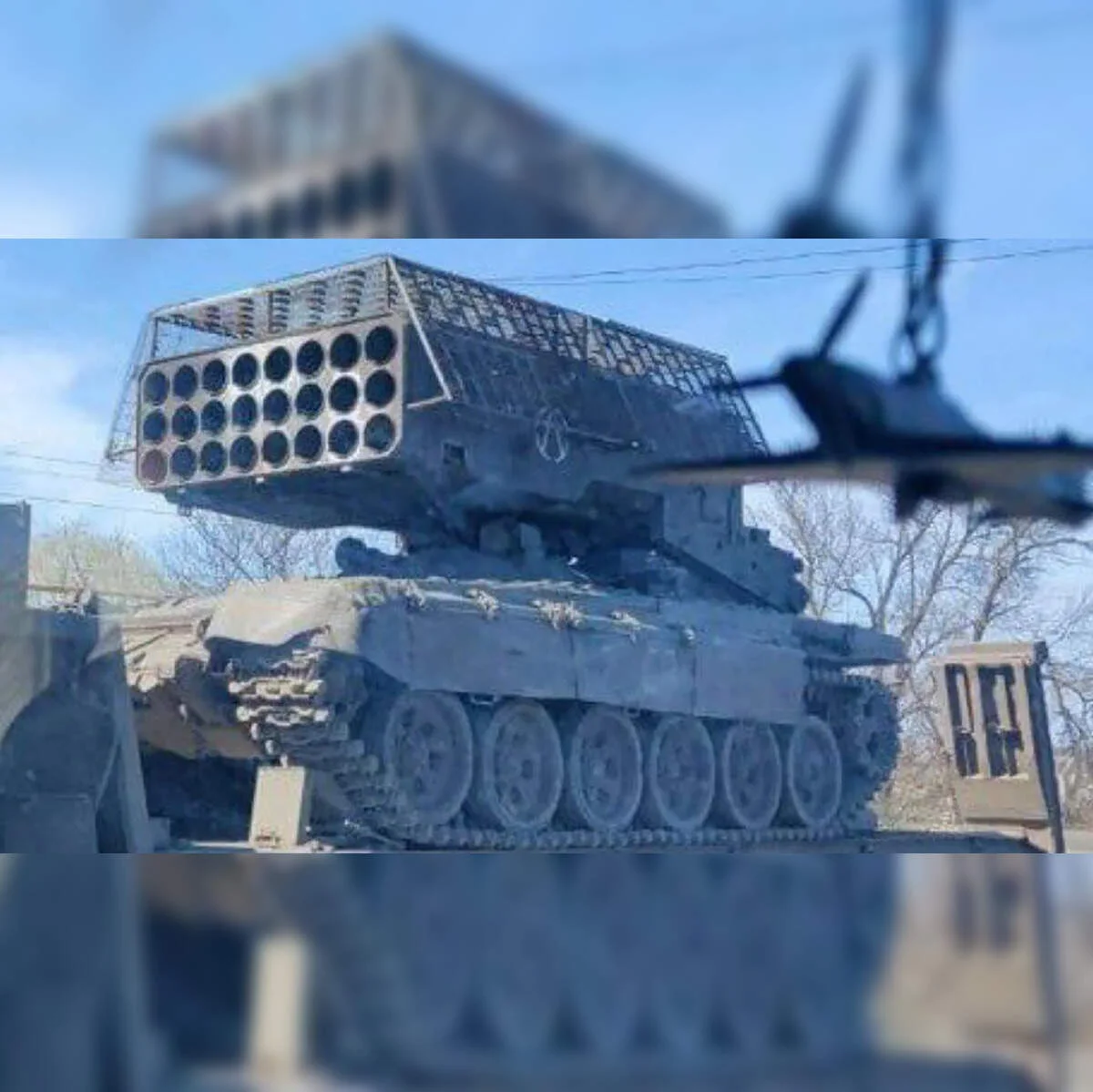
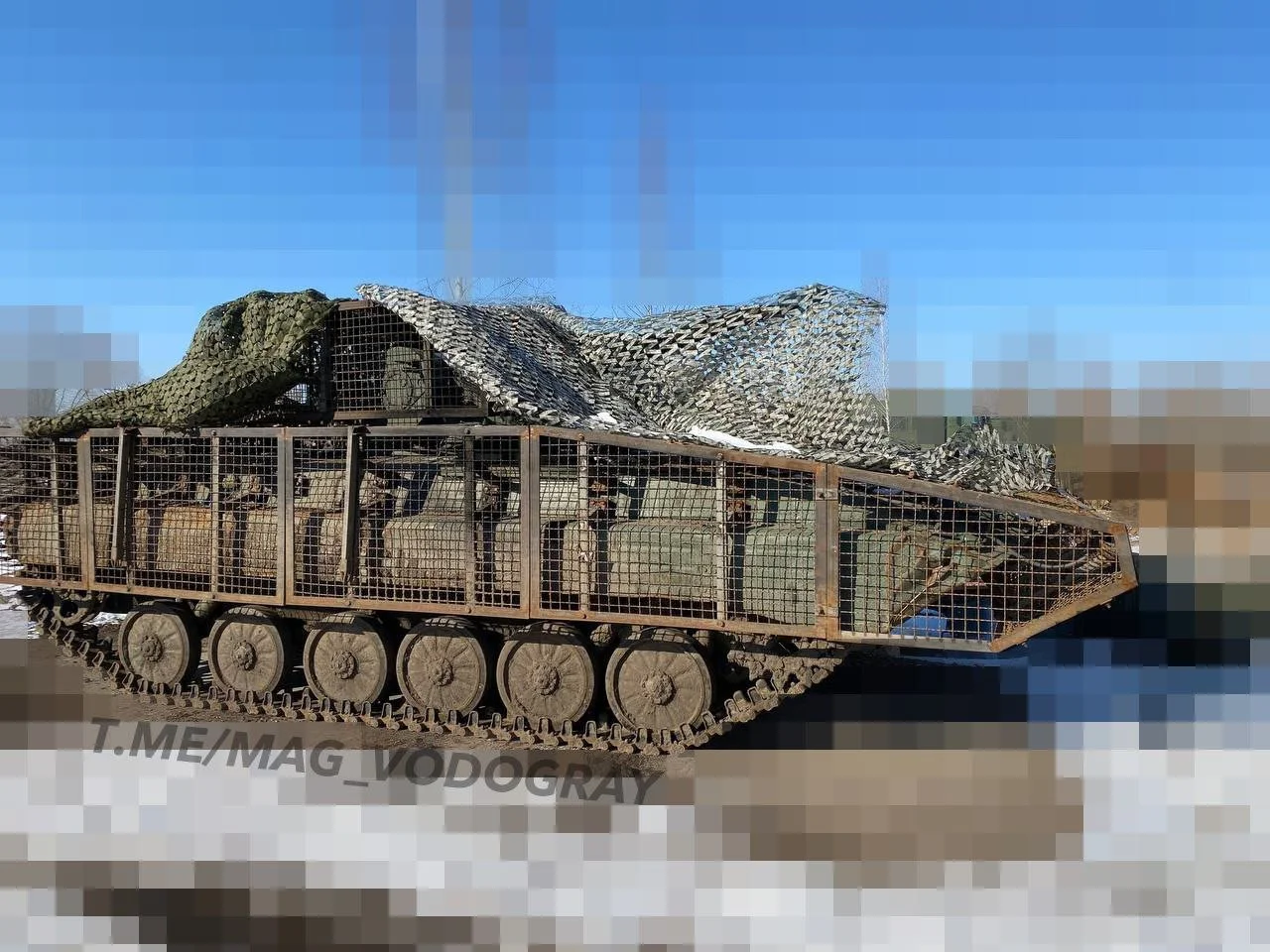
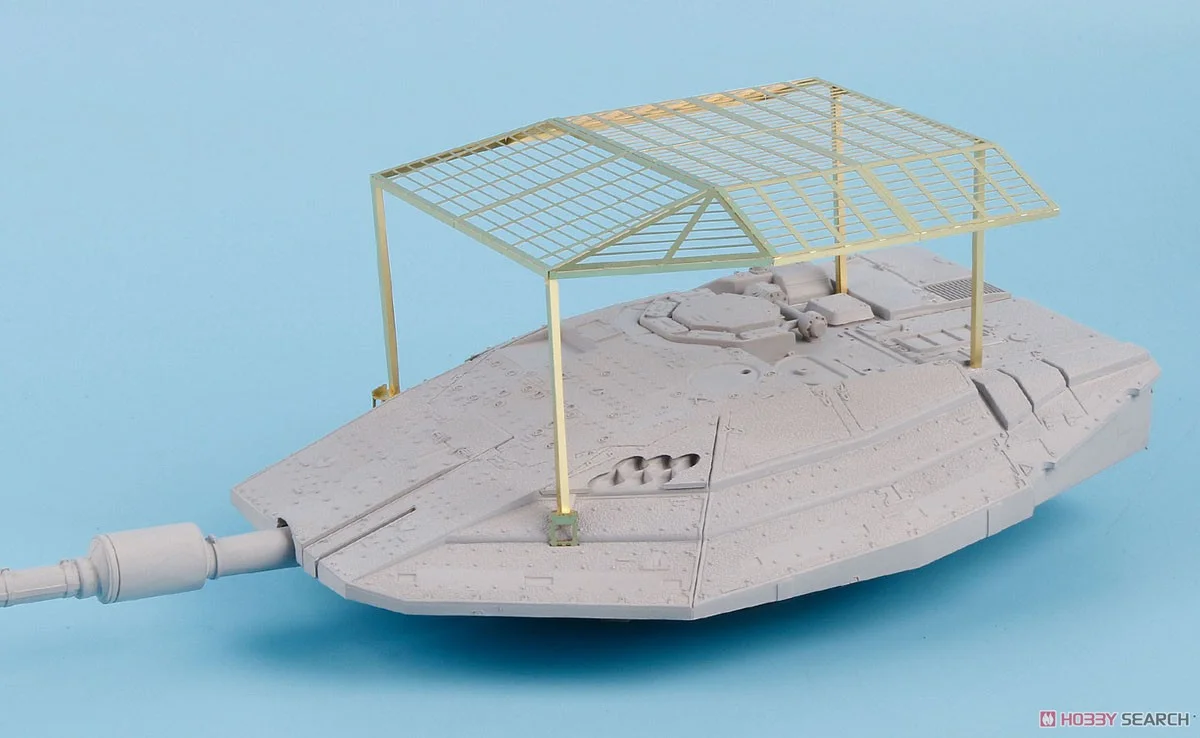
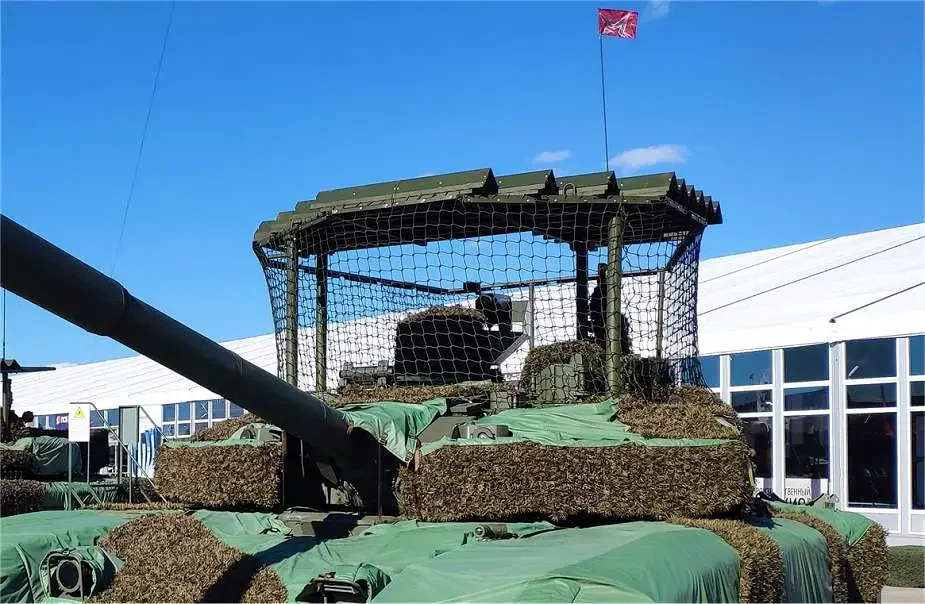
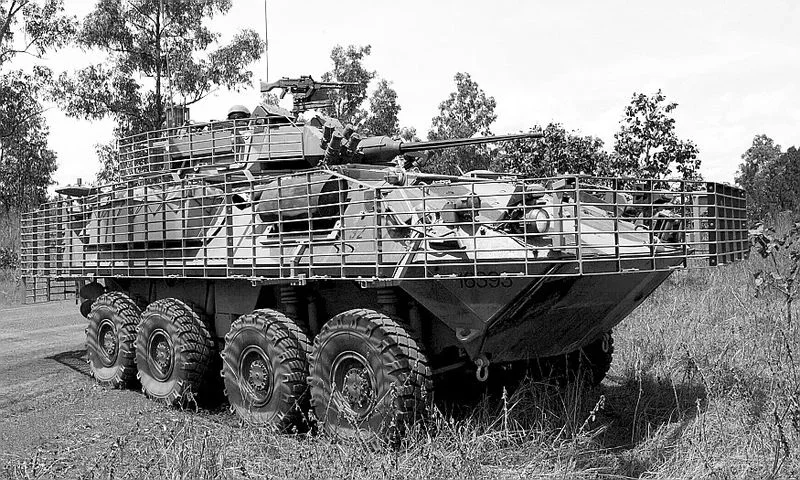
A cope cage is a passive armor system designed to defeat RPG-type threats by disrupting the shaped charge warhead before it makes contact with the vehicle's main armor. It consists of a metal framework — typically steel bars, rods, or slats — mounted at a standoff distance from the vehicle hull. When an RPG strikes the cage, the outer shell is crushed or sheared, deforming the warhead and preventing proper detonation.
The cope cage cost breakdown varies significantly based on several core factors. Unlike standard vehicle armor that relies solely on thick steel plates, cope cages balance weight, protection level, and cost. A lightweight design for a utility vehicle will cost far less than a heavy-duty system engineered for a main battle tank. The intended threat level, vehicle compatibility, and operational environment all feed into the final armor pricing equation.
 cope cage fabrication process in factory" class="rounded-xl my-8 w-full" loading="lazy" width="800" height="500" />
Pricing also depends on whether you are purchasing an off-the-shelf design or a fully customized solution. Off-the-shelf cope cages benefit from economies of scale and standardized manufacturing processes, while bespoke designs require extensive engineering, prototyping, and fitment testing — all of which drive up the cope cage manufacturing cost.
Material Costs: The Foundation of Cope Cage Pricing
Raw materials represent the single largest cost component in any cope cage system, typically accounting for 40% to 60% of the total manufacturing expense. The choice of steel grade, thickness, and treatment directly determines both the protective capability and the bottom line.
Steel Grades and Ballistic Materials
The most common materials used in cope cage fabrication include:
- Mild steel (A36/A572): The most economical option, suitable for basic RPG screens. Cost ranges from $0.50 to $1.00 per pound. Mild steel cages are heavier and offer less ballistic resistance but are adequate for lower-threat environments.
- High-strength low-alloy (HSLA) steel: Offers better weight-to-protection ratios. Pricing runs $1.20 to $2.50 per pound. HSLA steel is the most popular choice for medium-duty armor pricing brackets.
- Ballistic steel (AR500/AR600): Abrasion-resistant steel with hardness ratings of 500 to 600 Brinell. AR500 costs $2.00 to $4.00 per pound and is used when the cope cage must also provide direct small-arms protection.
- Armor-grade alloys (MIL-SPEC): Military-specification steels such as MIL-A-46100 or MIL-DTL-12560. These can exceed $5.00 per pound and are reserved for high-threat military applications.
Material thickness also plays a major role. A cope cage built from 10-gauge (3.4 mm) steel will cost significantly less than one using ¼-inch (6.35 mm) plate, but the thicker material provides substantially better protection against both blast fragments and direct impacts. When evaluating cope cage pricing, always check the material specification sheet to understand exactly what grade and thickness you are paying for.

Beyond steel, some premium cope cages incorporate composite materials or spaced armor inserts to reduce weight while maintaining protection. These advanced material systems can add 30% to 100% to the base material cost but may be necessary for weight-sensitive platforms such as light tactical vehicles or civilian SUVs.
Manufacturing Complexity and Labor Costs
Beyond raw materials, the manufacturing process itself contributes substantially to the overall cope cage manufacturing cost. Cope cage fabrication is not a simple assembly-line operation — it requires precision cutting, welding, drilling, and surface treatment, often performed by skilled armorers who specialize in ballistic steel.
Fabrication Processes and Skilled Labor
Key manufacturing steps that influence armor pricing include:
- CNC plasma or laser cutting: Precision cutting of ballistic steel requires specialized equipment. Plasma cutting costs $50–$150 per hour, while laser cutting can run $150–$400 per hour. The complexity of the cut pattern directly affects both time and cost.
- Robotic versus manual welding: Robotic welding offers consistency and speed but requires expensive setup and programming ($5,000–$15,000 per fixture). Manual welding by certified armor welders costs $60–$120 per hour and is necessary for complex geometries that robots cannot reach.
- Heat treatment and stress relieving: Many ballistic steels require post-weld heat treatment to maintain their hardness properties. This process adds $200–$800 per batch depending on part size and furnace capacity.
- Surface finishing: Military-grade coatings, CARC (Chemical Agent Resistant Coating) painting, or powder coating add $100–$500 per cage. Proper corrosion protection is essential for vehicles operating in harsh environments.
Skilled labor is one of the most significant cost drivers. A cope cage may require 20 to 80 hours of fabrication time depending on complexity. At an average shop rate of $75–$150 per hour, labor alone can account for $1,500 to $12,000 of the final price. This is why manufacturers in regions with lower labor costs often offer more competitive cope cage pricing, though quality assurance standards must be carefully verified.
Design Customization and Its Impact on Cost
One of the most significant variables in any cope cage cost breakdown is the degree of customization required. Standard universal-fit cope cages are designed to work across multiple vehicle platforms with minimal modification. These benefit from batch production, standardized jigs, and repeatable welding procedures, keeping costs relatively low.
Custom-designed cope cages, however, require a completely different approach. The engineering process typically involves:
- 3D laser scanning of the vehicle: $500–$2,000 per vehicle to create an accurate digital model of the mounting points and contours.
- CAD engineering and finite element analysis (FEA): $2,000–$8,000 for structural simulation, ballistic impact modeling, and weight distribution calculations.
- Prototype fabrication and fitment testing: $3,000–$15,000 for a first-article prototype, including trial fitting, adjustments, and destructive testing of sample panels.
- Tooling and fixture creation: $5,000–$20,000 for custom assembly jigs that ensure repeatable quality in production runs.
These non-recurring engineering (NRE) costs are typically amortized across the production run. For a single vehicle installation, the customer absorbs the full NRE — which is why one-off custom cope cages can cost two to three times more than an equivalent standard design. For fleet orders of 20+ vehicles, the per-unit NRE contribution becomes negligible, making custom armor pricing much more competitive.
Testing and Certification Expenses
Cope cage pricing does not end with fabrication. Testing and certification are critical to ensuring that the armor system performs as intended under real-world combat conditions. These costs are often overlooked by first-time buyers but can represent a substantial portion of the total investment.
Standard testing requirements include:
- Ballistic testing (live-fire): Firing actual RPGs or shaped charge warheads at test panels to verify defeat performance. Each live-fire test shot can cost $500–$3,000 depending on the ordnance type. A full certification campaign may require 10–30 shots across different angles and distances.
- Blast overpressure measurement: Testing the cope cage's effect on the vehicle occupants from pressure waves. This specialized testing adds $3,000–$10,000 per test series.
- Environmental testing: Salt spray, humidity, temperature cycling, and UV exposure tests to verify long-term durability. A full environmental qualification runs $5,000–$15,000.
- Fatigue and structural testing: Cyclic loading tests to ensure mounting brackets and weld joints survive years of off-road use. This adds $3,000–$8,000.
Manufacturers who maintain in-house testing facilities (such as Dengtai Tech) can reduce these costs significantly compared to companies that must outsource to third-party ballistic labs. When comparing cope cage manufacturing cost between vendors, always ask whether the quoted price includes independent certification or if that is a separate expense.
Quantity and Lead Time: How Order Size Affects Pricing
Order quantity and delivery timeline are two of the most practical factors affecting armor pricing. Like most manufactured goods, cope cages benefit from volume discounts, but the relationship between quantity and cost is especially pronounced in armor production due to the fixed costs of tooling, programming, and certification.
Typical pricing tiers by order quantity:
| Order Quantity | Price per Unit (Est.) | Cost Savings |
|---|---|---|
| 1 unit (prototype/single) | $8,000 – $18,000 | Baseline |
| 5–10 units | $5,500 – $12,000 | 15–30% savings |
| 20–50 units | $4,000 – $9,000 | 30–45% savings |
| 100+ units | $3,000 – $7,000 | 45–60% savings |
Lead time also affects cope cage pricing. Standard lead times of 8–12 weeks allow manufacturers to optimize production scheduling and material procurement. Rush orders compressed to 2–4 weeks typically incur a 20–40% premium due to overtime labor, expedited material sourcing, and disruption of existing production schedules. Lead times for custom designs are inherently longer, as engineering and prototyping cannot be meaningfully accelerated without sacrificing quality.
Additional Cost Factors: Shipping, Installation, and Maintenance
The purchase price of a cope cage is not the final expense buyers should anticipate. Several additional cost factors can add 10–30% to the total project budget. Understanding these ancillary costs is crucial for an accurate cope cage cost breakdown.
Shipping and logistics: Cope cages are large, heavy, and oddly shaped — far from standard shipping parcels. A single cage for an SUV or light tactical vehicle may weigh 200–600 pounds and require freight shipping. Domestic ground freight within the US typically runs $200–$800, while international shipping (including crating, customs clearance, and insurance) can reach $1,500–$5,000 depending on destination. For military deployments to conflict zones, specialized logistics and security add further costs.
Installation labor: Professional installation ensures the cope cage is properly aligned and securely fastened to the vehicle chassis. Installation typically requires 8–24 hours of labor at $75–$150 per hour, totaling $600–$3,600. Some cope cage systems require drilling, welding, or structural reinforcement of the host vehicle — these modifications increase installation complexity and cost.
Maintenance and lifecycle costs: Cope cages are exposed to environmental wear, combat damage, and corrosion. Annual maintenance — including rust treatment, coating touch-ups, bolt torque verification, and damaged bar replacement — typically runs 5–10% of the initial purchase price per year. Over a 10-year service life, total maintenance can equal or exceed the initial cope cage manufacturing cost.
Typical Cope Cage Price Ranges by Vehicle Type
To provide a practical reference, here are typical price ranges for cope cages categorized by vehicle type and protection level. These are estimates based on industry data and standard configurations — actual cope cage pricing will vary by manufacturer, customization, and prevailing material costs.
| Vehicle Category | Typical Price Range | Protection Level | Weight Range |
|---|---|---|---|
| Civilian SUV / Pickup | $3,000 – $8,000 | Basic RPG-7 screen | 150–350 lbs |
| Light Tactical Vehicle (JLTV, Humvee class) | $6,000 – $15,000 | Medium (RPG + small arms) | 300–600 lbs |
| Medium Armored Vehicle (Stryker, LAV class) | $12,000 – $28,000 | High (RPG + tandem warheads) | 600–1,200 lbs |
| Main Battle Tank / Heavy IFV | $25,000 – $50,000+ | Maximum (multi-threat) | 1,500–3,000 lbs |
These ranges reflect complete systems including mounting hardware and basic installation kits. Premium manufacturers like Dengtai Tech offer integrated solutions that include engineering support, certification documentation, and warranty coverage — factors that add value but also influence armor pricing. When budgeting, always request a detailed quotation that itemizes each cost component rather than a single lump-sum figure. A transparent cope cage cost breakdown from your supplier ensures there are no surprises during procurement.
Conclusion
Understanding the cope cage cost breakdown is the first step toward making a smart investment in vehicle armor protection. As we have explored, the price of a cope cage is shaped by a complex interplay of material selection, manufacturing processes, design complexity, certification requirements, order volume, and ancillary logistics. No two cope cage projects are exactly alike, which is why armor pricing can vary so widely across the market.
When evaluating suppliers, look beyond the headline price. A competitively priced cope cage may use inferior materials, skip critical testing, or lack proper corrosion protection — savings that could prove costly in the field. Conversely, a premium-priced system from a trusted manufacturer like Dengtai Tech typically includes certified ballistic performance, documented material traceability, and comprehensive after-sales support.
For procurement professionals, the key takeaway is to request detailed cost breakdowns, verify material certifications, and consider total lifecycle costs rather than initial purchase price alone. For individual buyers, working with an experienced manufacturer who offers standard designs compatible with your vehicle platform can significantly reduce the cope cage manufacturing cost while maintaining reliable protection.
Have questions about pricing for your specific vehicle or application? Contact Dengtai Tech's armor specialists for a personalized cope cage pricing consultation and detailed quotation.