Introduction to Armor Steel Manufacturers
Armor steel is the foundation of military vehicle protection, naval armor systems, and ballistic security infrastructure. Unlike commodity steel grades, armor steel is manufactured to exacting metallurgical standards that ensure consistent ballistic performance across every square inch of plate. Choosing the right armor steel manufacturer is a strategic decision that affects not only the quality of your end product but also your supply chain reliability, cost structure, and compliance with defense contract requirements. This guide profiles the world's leading armor steel manufacturers, examines the grades they produce, explains how to verify quality, and provides practical criteria for selecting a manufacturing partner for military and defense projects.
Who Are the Top Armor Steel Manufacturers?
Who are the top armor steel manufacturers? The global armor steel market is dominated by a relatively small number of specialized steel producers who have invested in the metallurgical expertise, rolling capacity, and quality control systems required to produce ballistic-grade steel.
| Manufacturer | Country | Key Armor Grades | Notable Characteristics |
|---|---|---|---|
| SSAB (Swedish Steel) | Sweden | Armox 370, 440, 500, 600, 700T | Industry leader in ultra-high-hardness armor, extensive plate size range, global distribution network |
| Thyssenkrupp | Germany | SECURE 400, 500, 600; Ballistic Protection Steel | European defense standard compliance, excellent thickness tolerances |
| ArcelorMittal | Luxembourg/Global | MILUX 400, 500, 600; Armor plate per MIL-SPEC | World's largest steel producer, broadest grade portfolio |
| Nippon Steel | Japan | WEL-TEN AR Series, MIL-SPEC equivalents | Advanced thermomechanical processing, excellent weldability |
| POSCO | South Korea | POS-ARMOR 400, 500 | Competitive pricing, growing defense sector presence |
| Dillinger Hütte | Germany | DILLIMAX armor grades, DILLIDUR | Specialist in heavy-gauge armor plates up to 200 mm |
| Baowu Steel (formerly Baosteel) | China | BZ Series armor steel, MIL-SPEC equivalents | Cost-effective, large production capacity, increasing export volumes |
Each of these manufacturers holds military-grade certifications and supplies armor plate to defense contractors, vehicle OEMs, and fabrication facilities worldwide. For fabrication projects, the choice between manufacturers often depends on geographic proximity to the fabrication facility, cost, and specific grade availability.
What Grades of Armor Steel Do Manufacturers Produce?
What grades of armor steel do manufacturers produce? Armor steel grades are classified primarily by their hardness, which directly correlates to ballistic resistance. The Brinell hardness number (HBW) is the universal metric — higher hardness generally means better protection against armor-piercing projectiles but reduced formability and weldability.
Common armor steel grades produced by manufacturers worldwide include:
- AR400 (370–430 HBW) — The entry-level armor grade, offering good ballistic protection combined with excellent formability and weldability. Used for vehicle hulls, structural armor, and applications requiring bending. Weldable with standard low-hydrogen procedures.
- AR450 (420–470 HBW) — A mid-range hardness grade offering improved ballistic performance while maintaining reasonable weldability. Common in military vehicle upgrades and add-on armor kits.
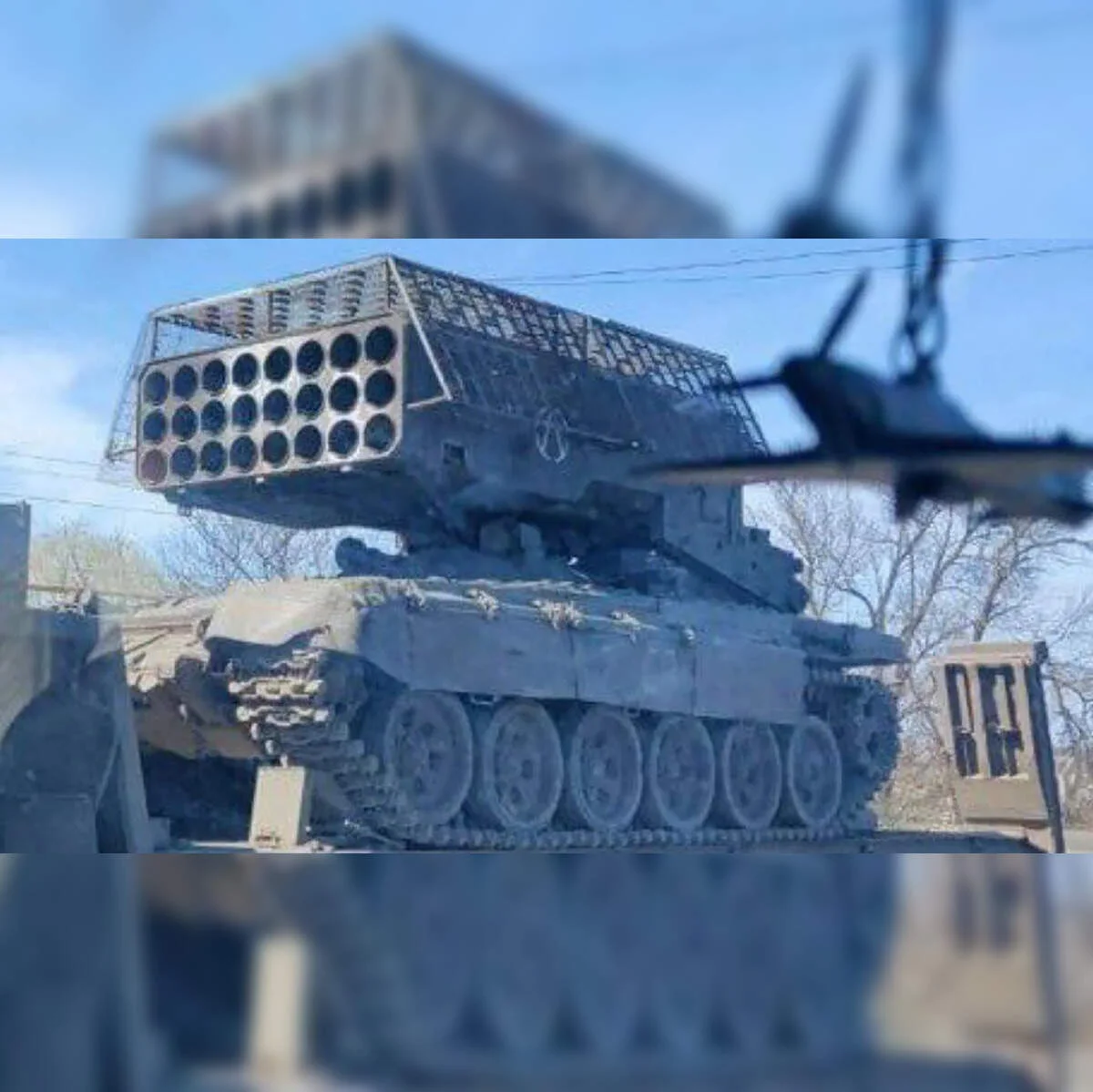
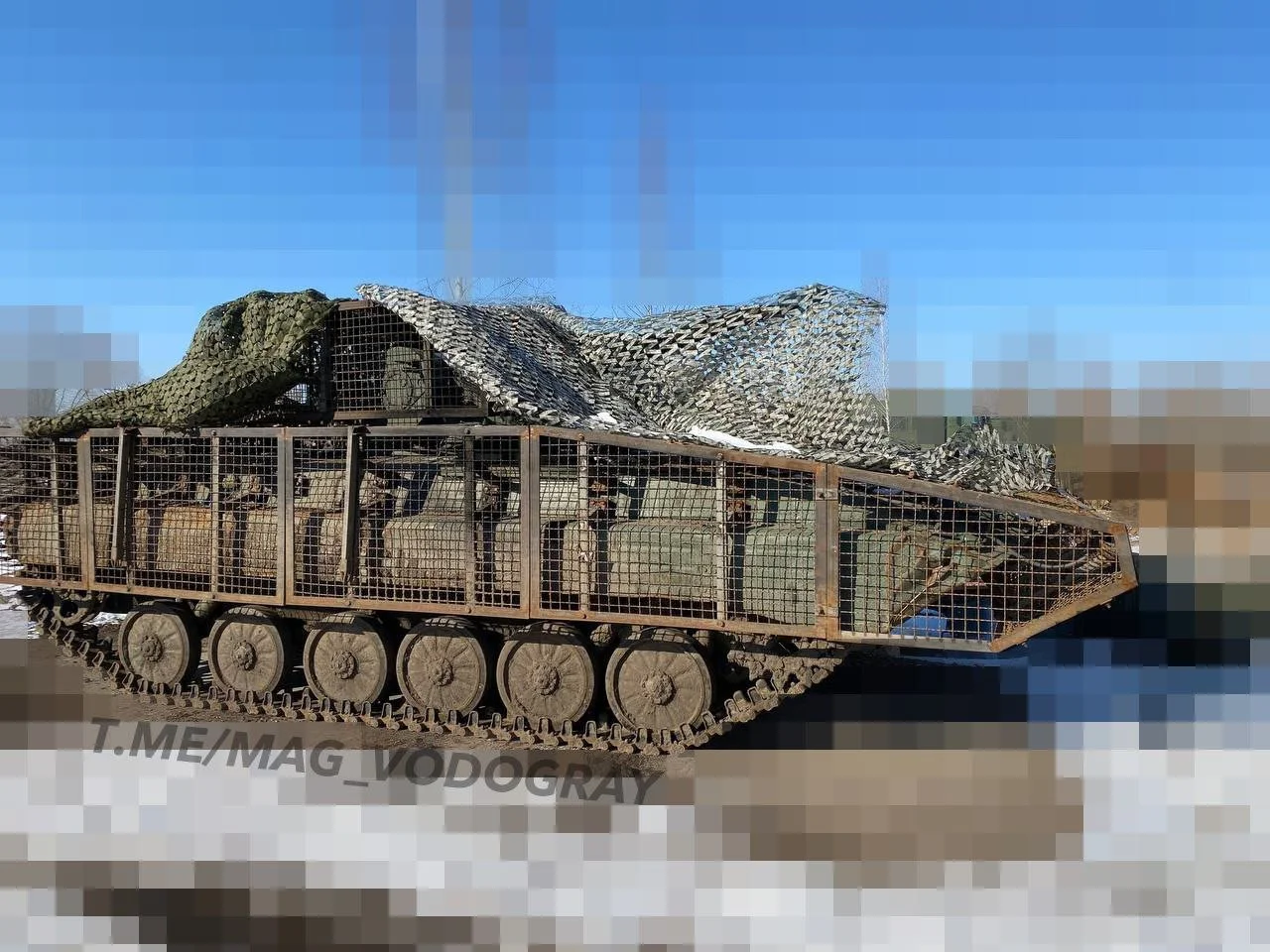
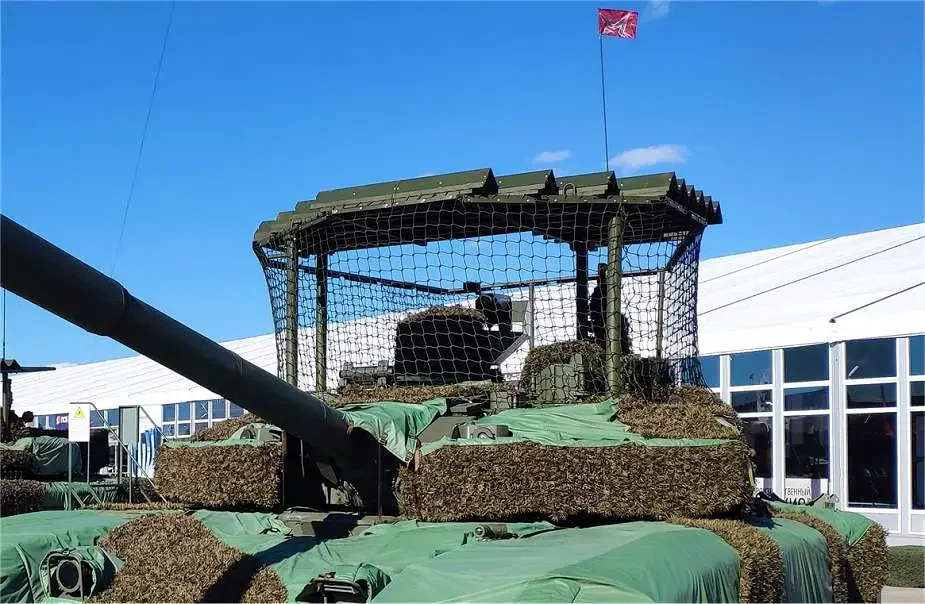
- AR500 (470–530 HBW) — The most widely specified armor grade for ballistic protection. AR500 provides excellent resistance to small arms fire and fragmentation. Used for cope cages, slat armor, vehicle armor, and bulletproof panels. Requires preheat (150–300°F) during welding.
- AR550 (520–570 HBW) — High-hardness grade for applications requiring maximum protection against armor-piercing threats. More difficult to weld and form, requiring strict heat control and preheat.
- AR600 (570–630 HBW) — Ultra-high-hardness grade for special applications like blast shields and vehicle belly armor. Limited weldability — mechanical fastening or specialized welding procedures required.
- MIL-A-12560 — U.S. military specification for homogeneous armor steel, available in Class 1 (moderate hardness) and Class 2 (high hardness). Equivalent to approximately AR450–500.
- MIL-A-46100 — U.S. military specification for high-hardness armor steel, approximately equivalent to AR500–550. Used in U.S. military vehicle programs.
- STANAG 4569 — NATO standard defining protection levels, often used to specify armor grade requirements: Level 1 (7.62×51mm) through Level 6 (30mm APFSDS).
When specifying armor steel for a project, the grade must be matched to the anticipated threat level, fabrication method, and weight constraints. Higher hardness is not always better — it must be balanced against weldability, toughness, and cost.
Which Countries Have the Best Armor Steel Manufacturers?
Which countries have the best armor steel manufacturers? Armor steel production is concentrated in countries with advanced steelmaking industries and strong domestic defense sectors. The "best" country depends on your project's specific requirements — different nations excel in different aspects of armor steel manufacturing.
- Sweden — SSAB's Armox series is widely considered the global benchmark for armor steel quality. Swedish armor offers tight thickness tolerances, consistent hardness profiles, and excellent ballistic performance. SSAB's distribution network spans 35+ countries, making Armox readily available worldwide. The premium is justified for critical military applications where failure is not an option.
- Germany — Thyssenkrupp and Dillinger Hütte produce armor steel to rigorous DIN and NATO standards. German armor steel is known for exceptional thickness consistency and metallurgical uniformity. Preferred for European defense programs and NATO vehicle platforms.
- United States — Domestic producers supply MIL-SPEC armor for U.S. military programs under ITAR-compliant supply chains. U.S. armor steel meets MIL-A-12560 and MIL-A-46100 specifications but can carry a premium versus imported alternatives. Essential for ITAR-restricted projects.
- China — Baowu Steel and other Chinese producers have invested heavily in armor steel production capacity. Chinese armor steel (BZ series) offers cost savings of 20–40% compared to European equivalents while meeting comparable ballistic specifications. Chinese armor is increasingly used by global defense fabricators, especially for non-ITAR projects. Dengtai Industrial sources both Chinese and imported armor steels depending on client specifications.
- Japan — Nippon Steel produces high-quality armor steel with excellent weldability characteristics. Japanese armor steel is preferred for naval applications due to its consistent quality in large-section plates.
- South Korea — POSCO has emerged as a significant armor steel producer, supplying both domestic defense programs (K2 tank, K9 howitzer) and export markets. Korean armor offers competitive pricing with improving quality metrics.
For international defense procurement, the country of origin affects not just quality but also export control regulations, shipping costs, and lead times. A thorough evaluation should consider all these factors, not just the steel's ballistic specification.
How to Choose Armor Steel Manufacturers for Military Projects
How to choose armor steel manufacturers for military projects? Selecting an armor steel manufacturer for a military project requires a systematic evaluation that goes beyond comparing price per ton. The consequences of substandard armor in combat are catastrophic, making quality assurance the paramount consideration.
Essential selection criteria for military-grade armor steel procurement:
- Military specification compliance — Verify that the manufacturer's armor grades meet the specific military standards required by your contract (MIL-A-12560, MIL-A-46100, STANAG 4569, DEF STAN 95, etc.). Request copies of type-test certificates and production release documents.
- Material traceability — Every armor plate must be traceable from raw material to finished product. The manufacturer should provide mill test certificates (MTCs) with heat numbers, mechanical properties, chemical analysis, and NDT results for each plate.
- Quality management system — The manufacturer should hold ISO 9001 certification as a minimum. For defense contracts, ISO 14001 (environmental) and OHSAS 18001 (occupational health) are often required. NADCAP MTL (Materials Testing Laboratory) accreditation is a strong indicator of quality commitment.
- Consistency and reliability — Evaluate the manufacturer's track record for on-time delivery and consistent quality. Request references from other defense customers and check for any history of quality incidents.
- Plate size availability — Ensure the manufacturer can produce plates in the dimensions required for your project. Large armor sections (e.g., vehicle hull sides) require wide plate widths that not all mills can produce.
- Export control compliance — For international purchases, confirm that the manufacturer can comply with applicable export control regulations (ITAR, EAR, Wassenaar) and provide the necessary end-user certification documentation.
For most military projects, it is advisable to work with manufacturers who have an established track record in your specific application area. A manufacturer who supplies armor for light armored vehicles may not be the best choice for naval armor, and vice versa.
How to Verify Armor Steel Manufacturer Quality
How to verify armor steel manufacturer quality? Before accepting delivery of armor steel from any manufacturer, buyers should perform or request verification testing to confirm that the material meets its certified specifications. Relying solely on paperwork is insufficient — independent verification protects against quality lapses and counterfeit materials.
Key verification methods include:
- Mill certificate review — Examine the MTC for complete information: heat number, chemical composition (C, Mn, Si, Cr, Ni, Mo, etc.), mechanical properties (yield strength, tensile strength, elongation), hardness test results (HBW), and NDT results. Cross-reference the certificate with the applicable standard.
- Hardness testing — Verify hardness across the plate surface using portable hardness testers (equotip or telebrineller). Ballistic-grade armor should have consistent hardness within ±20 HBW across the plate. Significant variations indicate inconsistent quenching or tempering.
- Ultrasonic testing — Perform UT on received plates to check for laminations, inclusions, and thickness variations. This is the most reliable method for confirming internal quality. ASTM A578 Level B or C acceptance criteria are commonly used.
- Chemical analysis — For critical applications, send samples to an independent laboratory for optical emission spectroscopy (OES) analysis to confirm chemical composition matches the MTC.
- Ballistic testing — The ultimate verification is ballistic testing of representative samples. Fire test coupons at the specified threat level and verify that the armor stops the projectile without through-cracking or excessive back-face deformation. This is typically performed during qualification rather than on every order.
- Third-party inspection — Hire an independent inspection agency (SGS, Bureau Veritas, TÜV) to perform factory inspections during production. This provides an additional layer of quality assurance and is often required by defense procurement contracts.
At Dengtai Industrial, every incoming armor plate is verified by hardness testing and UT before entering the fabrication process. This ensures that only material meeting specifications is used in our customers' armor projects.
Minimum Order Quantity from Armor Steel Manufacturers
What is the minimum order quantity from armor steel manufacturers? MOQs for armor steel vary significantly depending on the manufacturer, grade, and plate dimensions. Understanding MOQ structures is important for project budgeting and timeline planning.
Typical MOQ ranges by manufacturer type:
- Major integrated mills (SSAB, Thyssenkrupp, ArcelorMittal) — MOQs typically range from 10–50 metric tons per order for standard grades. For specialty grades or non-standard dimensions, MOQs may be higher. Some mills offer "stock and release" programs where smaller quantities can be drawn from distributor inventory at a premium.
- Steel service centers and distributors — These intermediaries purchase in bulk from mills and sell smaller quantities. MOQs of 1–5 tons are common for standard grades like AR400 and AR500. For MIL-SPEC grades, minimums may be 5–10 tons due to limited inventory turnover.
- Chinese manufacturers — Chinese armor steel mills typically offer lower MOQs, often 5–20 tons for standard grades. Combined with competitive pricing, this makes Chinese armor steel accessible for smaller projects and prototype runs.
Factors that affect MOQ include:
- Plate thickness — Very thick plates (50mm+) or very thin plates (under 6mm) often have higher MOQs due to specialized rolling requirements.
- Grade rarity — Uncommon grades or military-specific chemistries may require a full production run, driving MOQs higher.
- Certification requirements — Full MIL-SPEC certification with traceability increases the MOQ because the cost of certification per plate decreases with volume.
- Export documentation — International orders typically have higher minimums because of the fixed costs associated with export paperwork and logistics.
For prototype or small-batch projects, working with a fabrication facility that maintains its own armor steel inventory can eliminate MOQ concerns. Dengtai Industrial stocks common armor grades (AR400, AR500, AR550) in various thicknesses, allowing customers to order fabrication services without meeting mill MOQ requirements.
Conclusion: Finding the Right Armor Steel Manufacturing Partner
Armor steel manufacturers are the foundation of the defense armor supply chain, and choosing the right partner requires careful evaluation of grade availability, quality systems, certification compliance, and commercial terms. Whether sourcing from global leaders like SSAB and Thyssenkrupp or cost-effective Chinese producers like Baowu Steel, the key is matching the manufacturer's capabilities to your project's specific requirements.
Key takeaways for armor steel procurement:
- Major global manufacturers (SSAB, Thyssenkrupp, ArcelorMittal, Nippon Steel, POSCO, Baowu) produce armor steel from AR400 to AR600+ in standard and military-spec grades
- Hardness (HBW) is the primary specification metric — higher hardness provides better ballistic protection but reduces weldability and formability
- Country of origin affects quality, cost, export control, and delivery; choose based on project requirements rather than reputation alone
- Always verify quality through mill certificates, hardness testing, ultrasonic inspection, and where possible, independent third-party inspection
- MOQs range from 1–50 tons depending on the manufacturer and grade; working with a fabrication partner that maintains inventory can bypass MOQ constraints
At Dengtai Industrial, we source armor steel from multiple certified manufacturers globally and maintain inventory of common grades for immediate fabrication. Contact our team to discuss your armor steel requirements and we will help you select the right grade and source for your project.